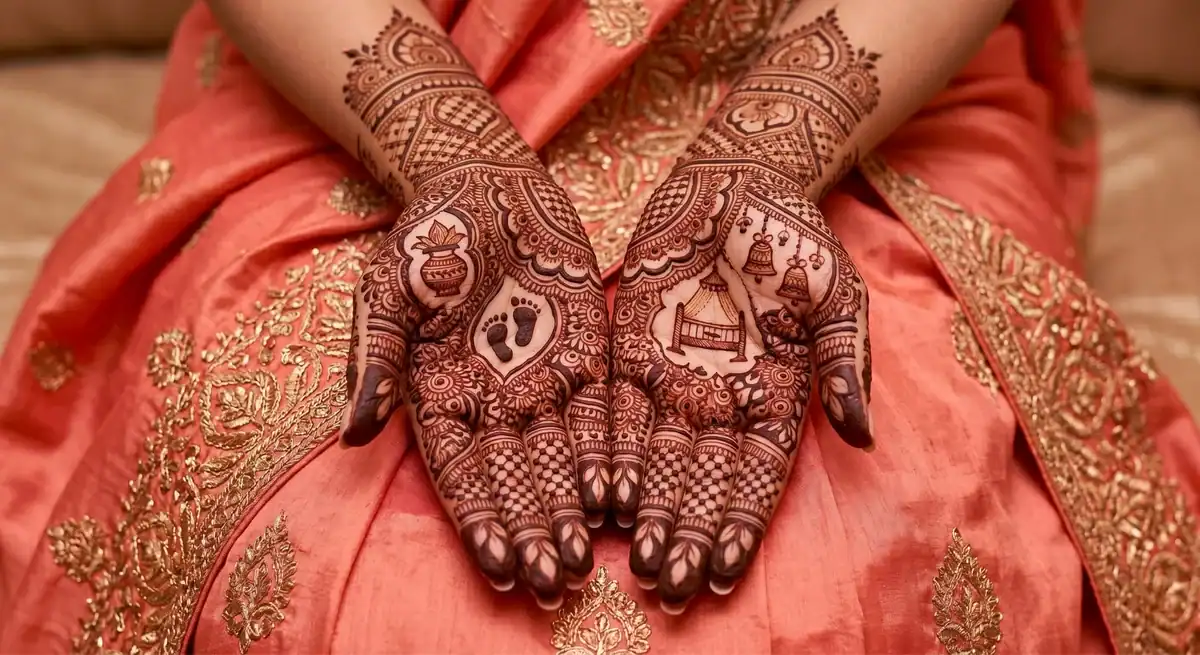
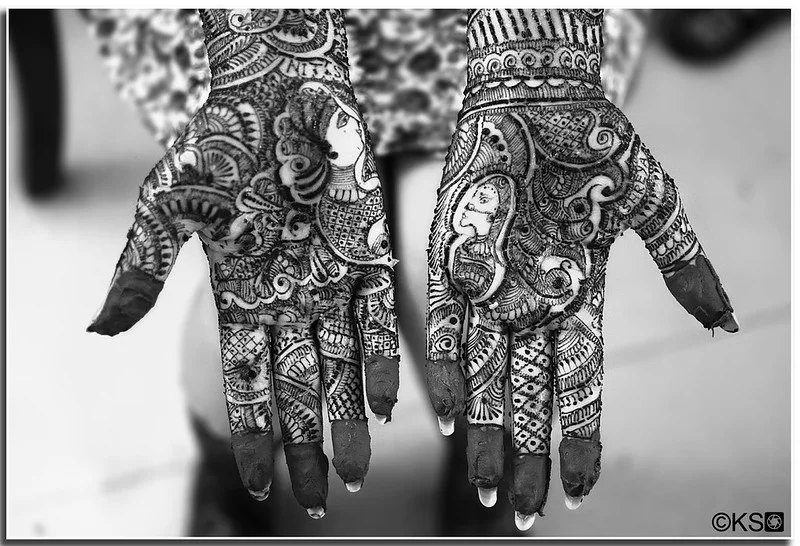
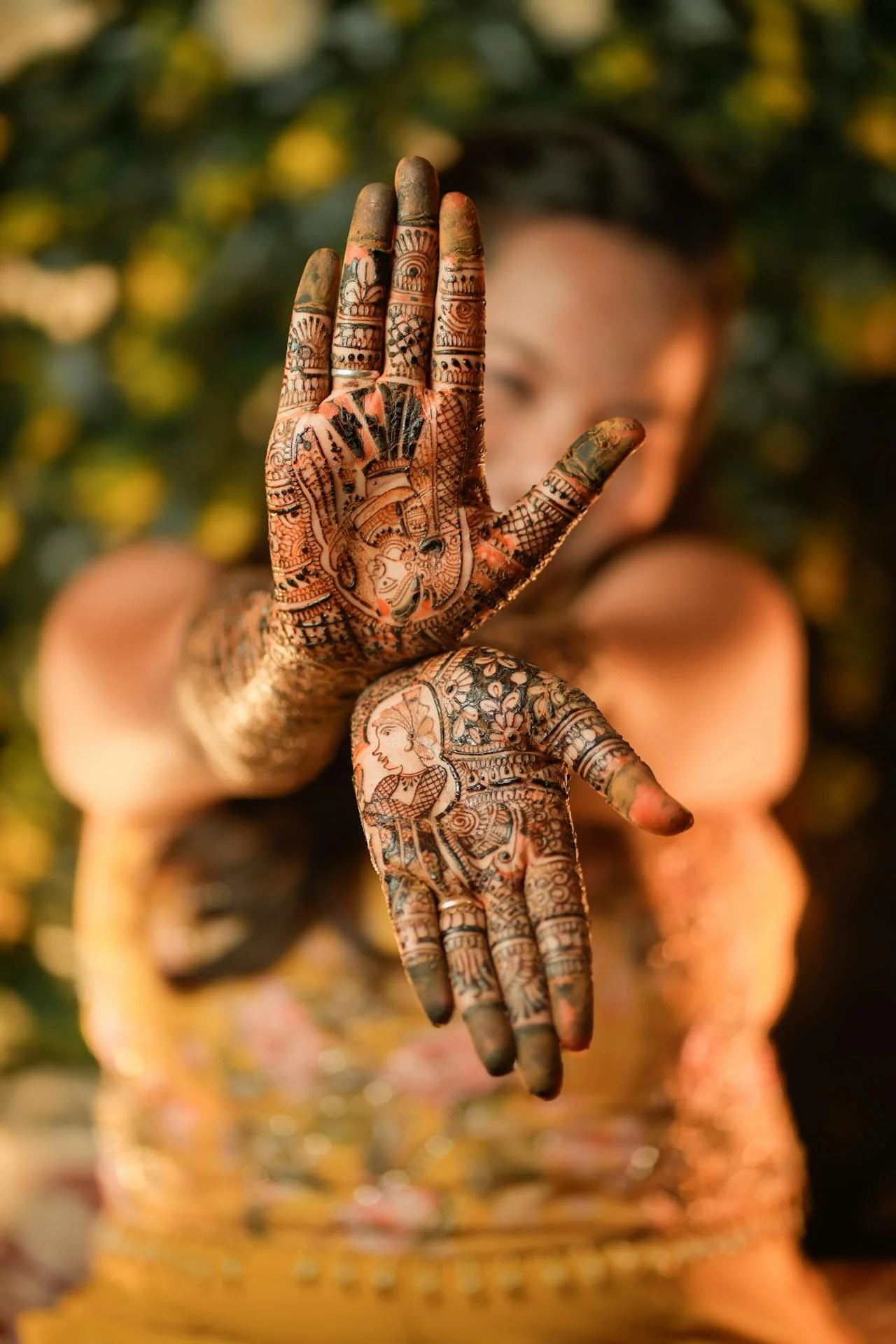
Baby Shower Palm Design With Footprints And Cradle Motifs
90 min · Advanced


Occasion — Bridal
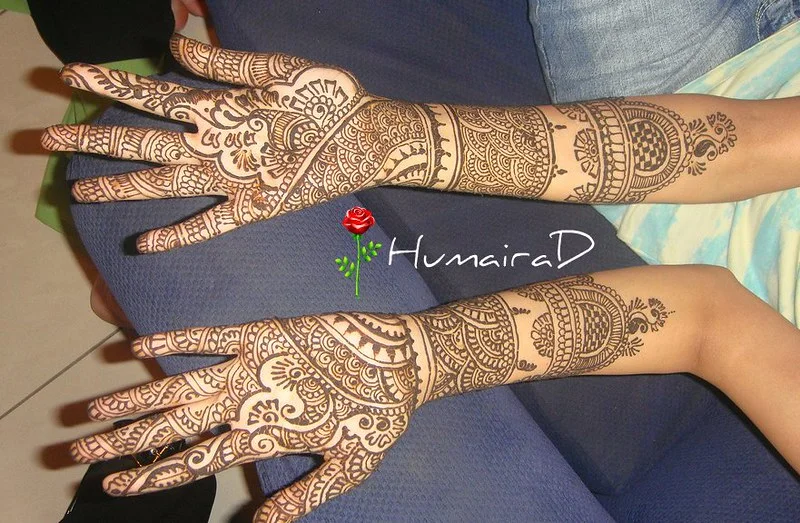
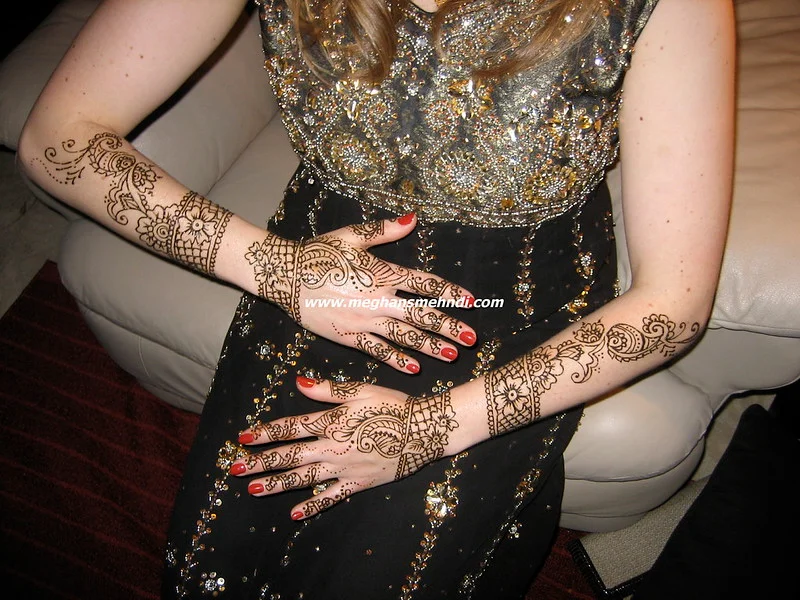
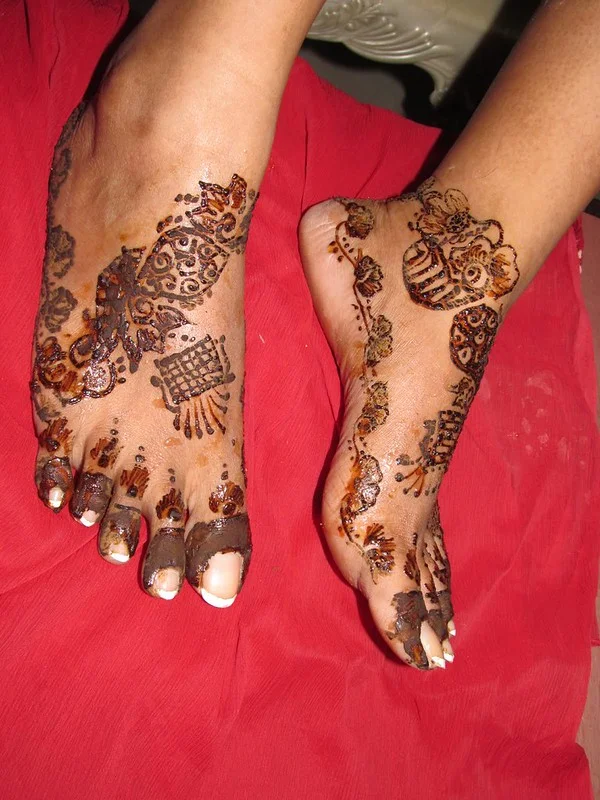
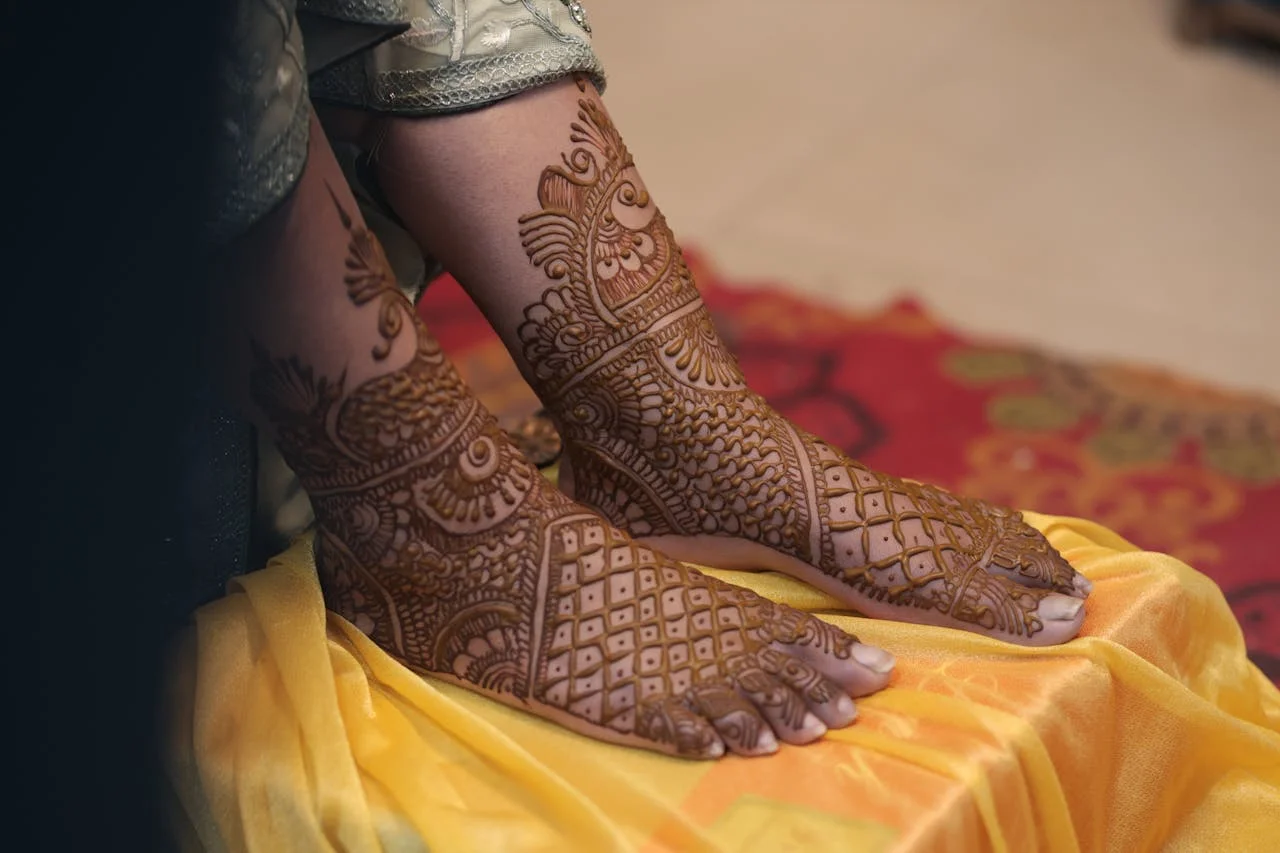
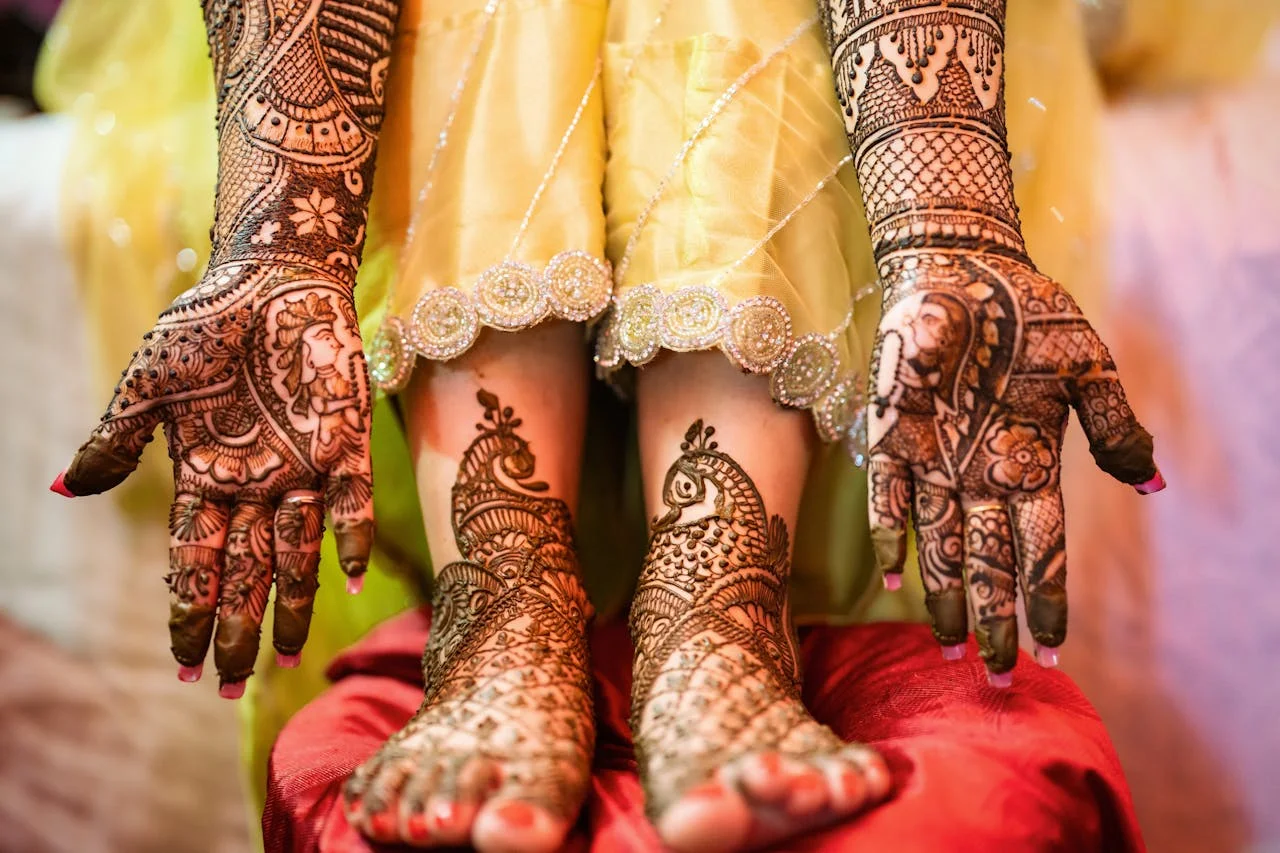
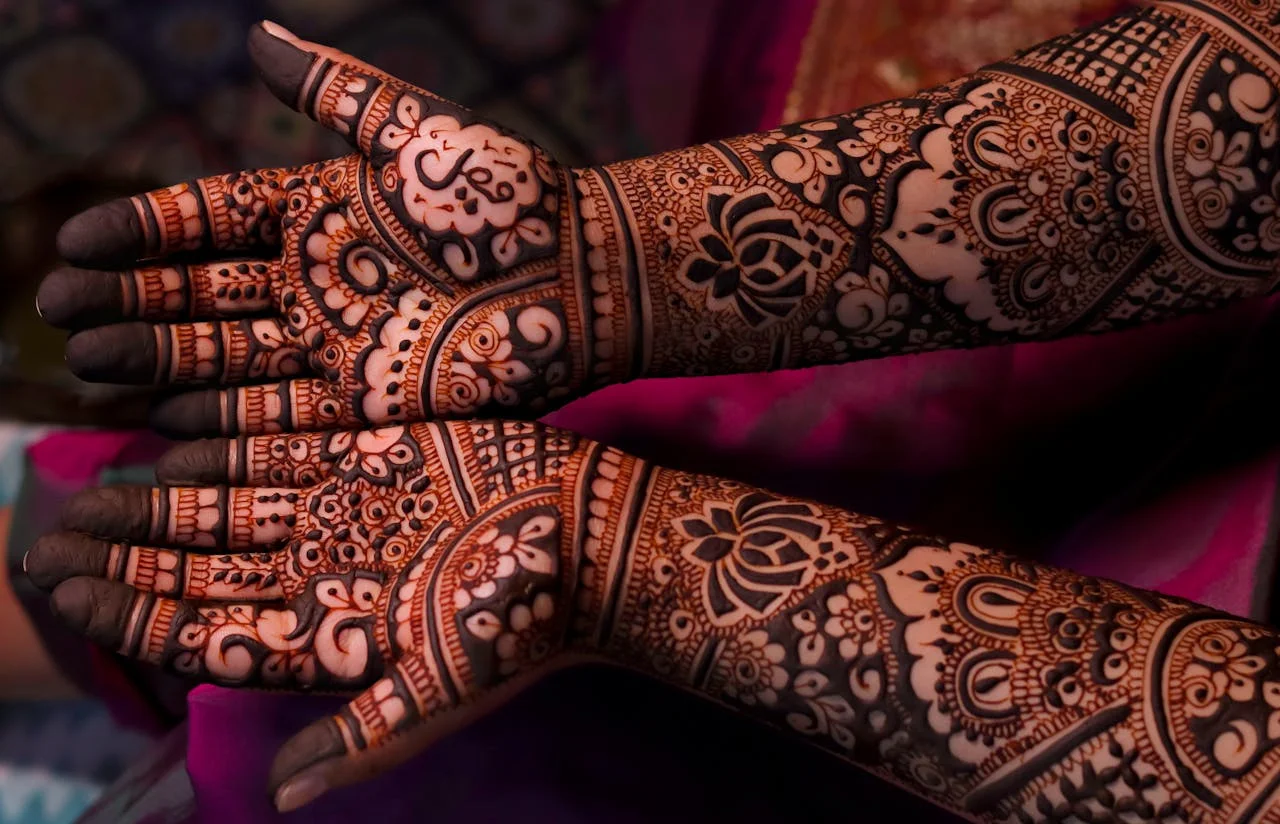
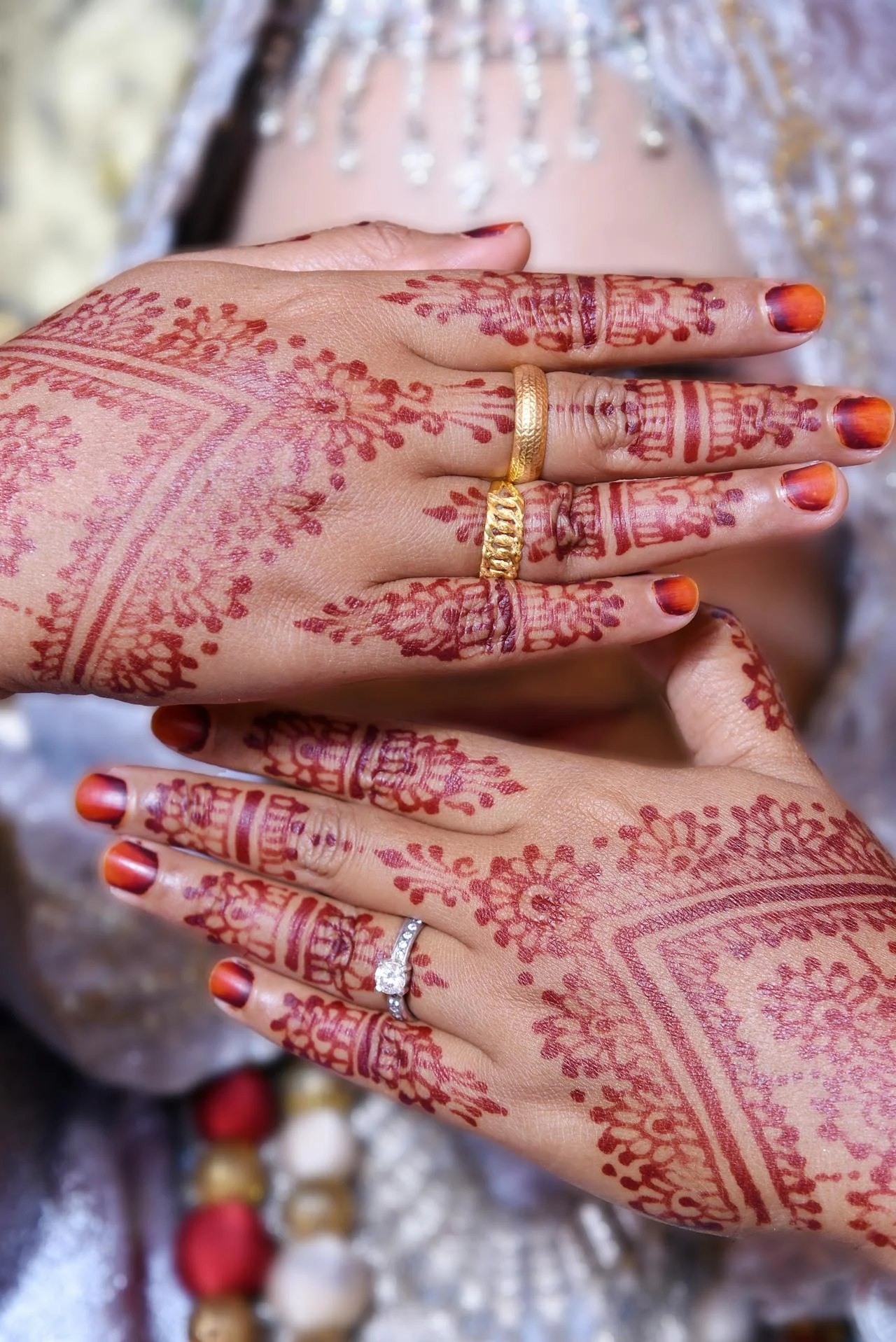
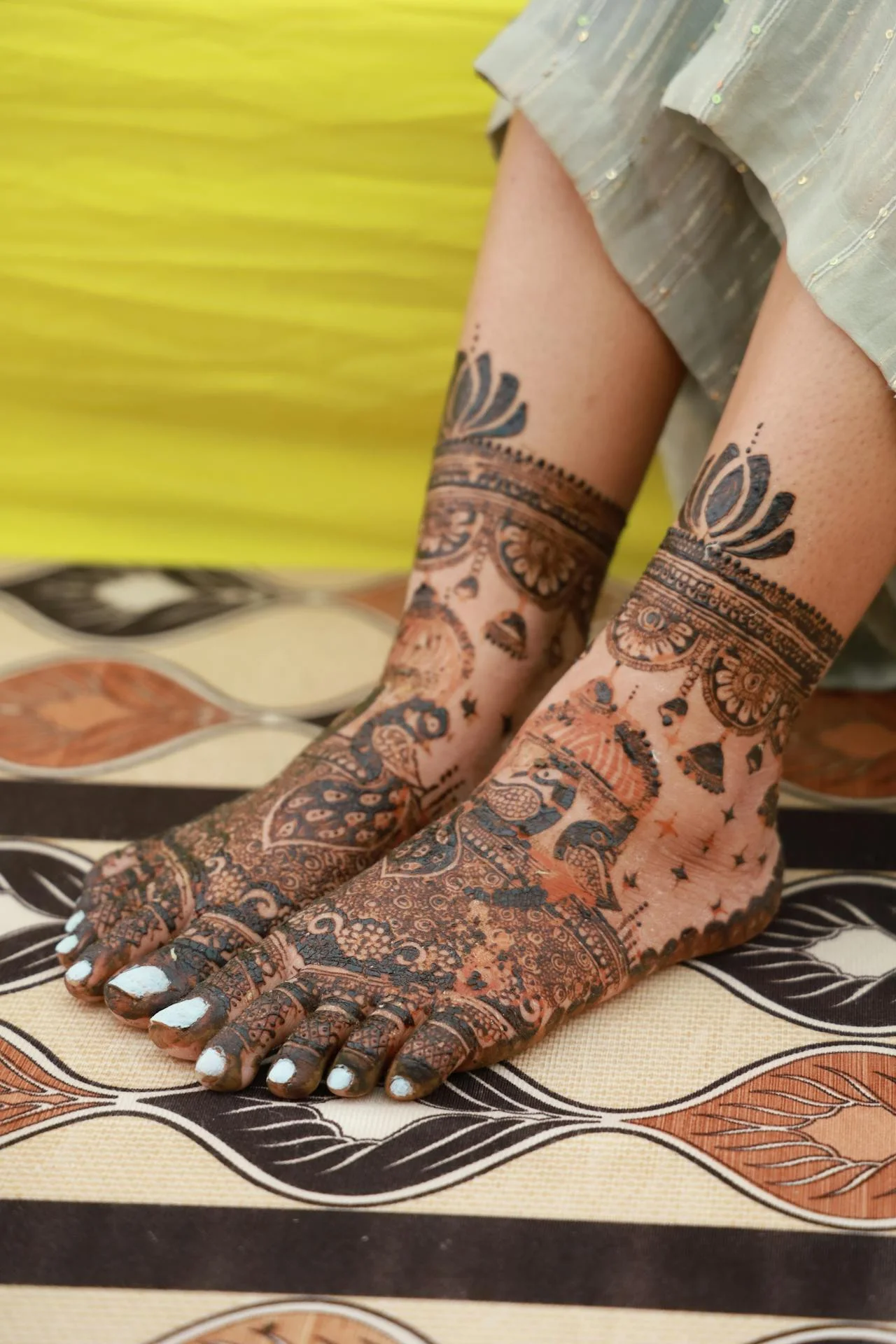
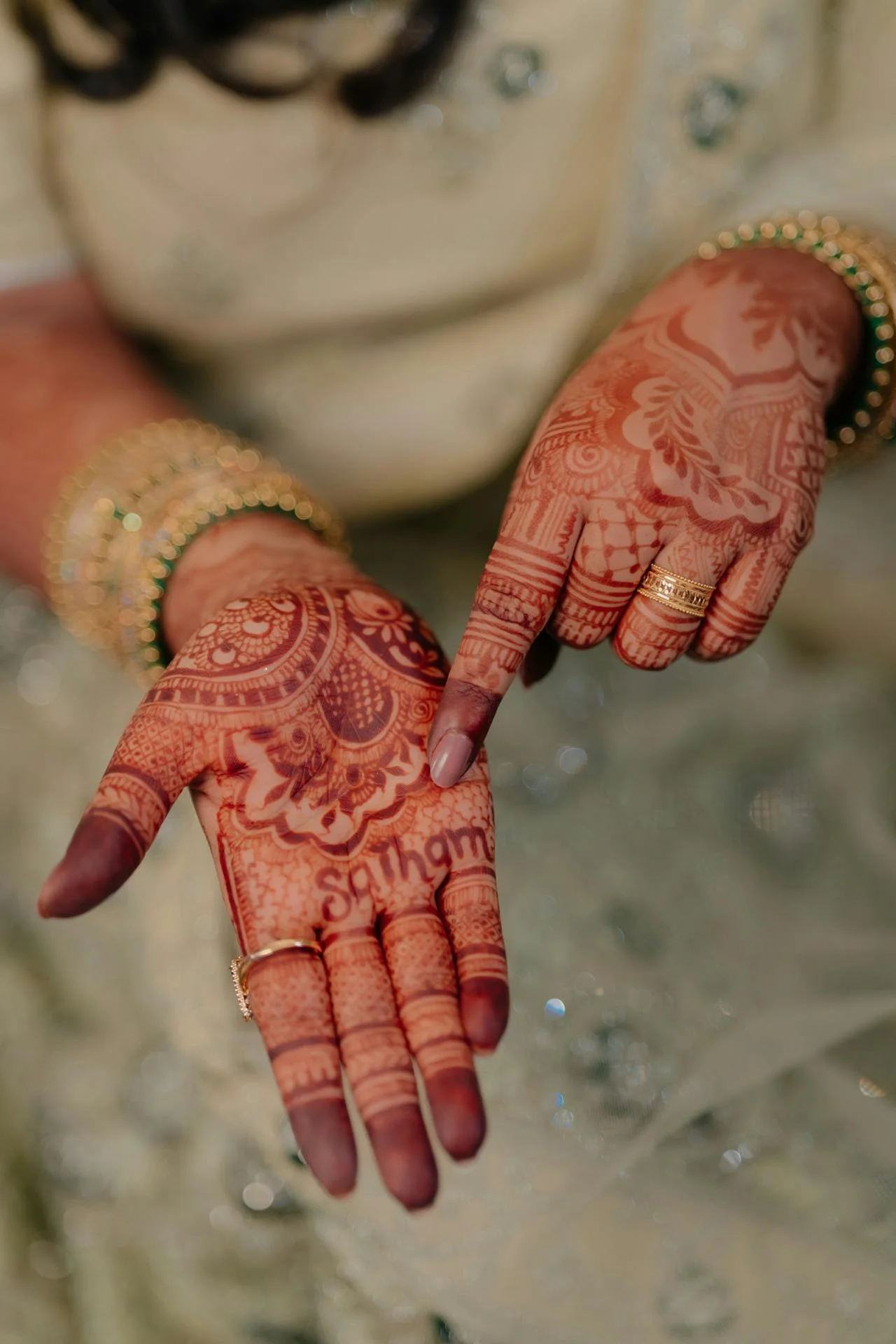
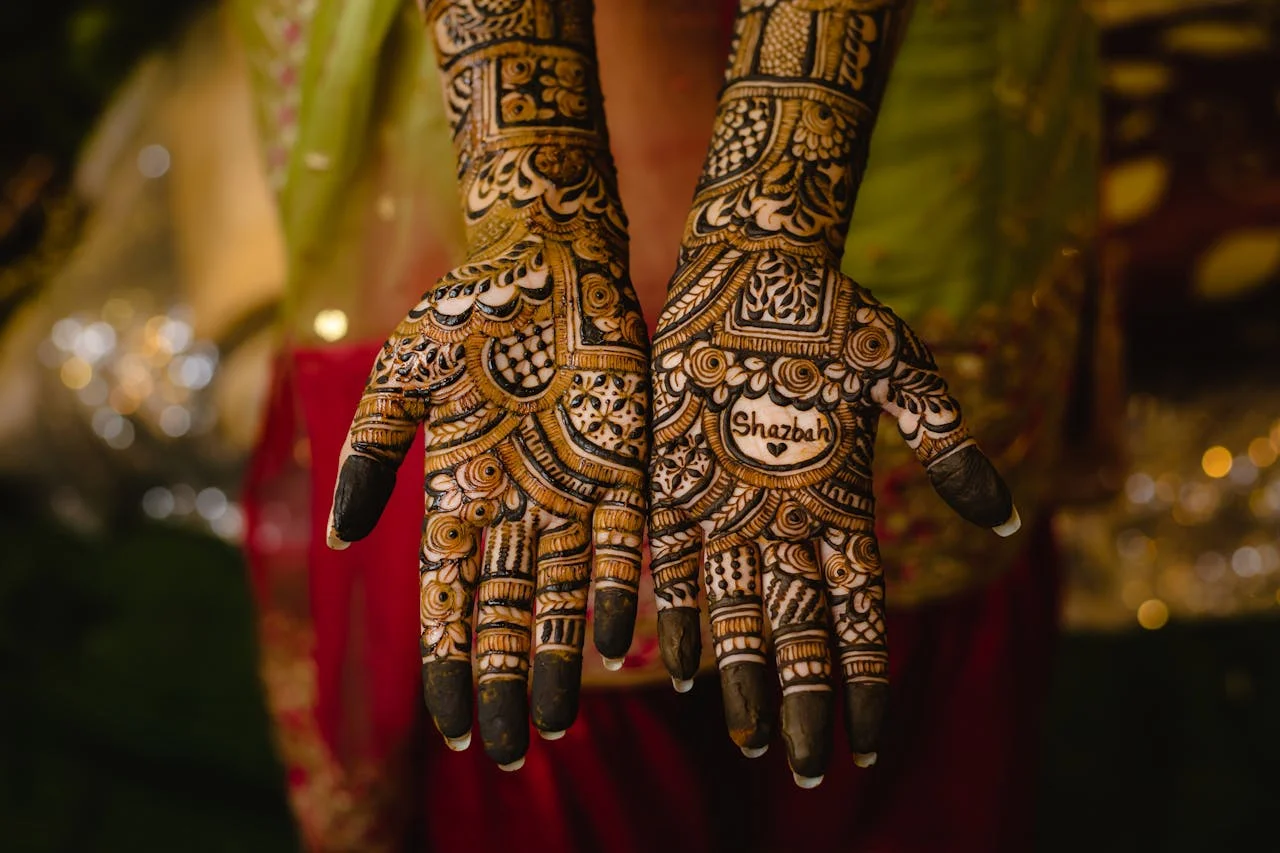
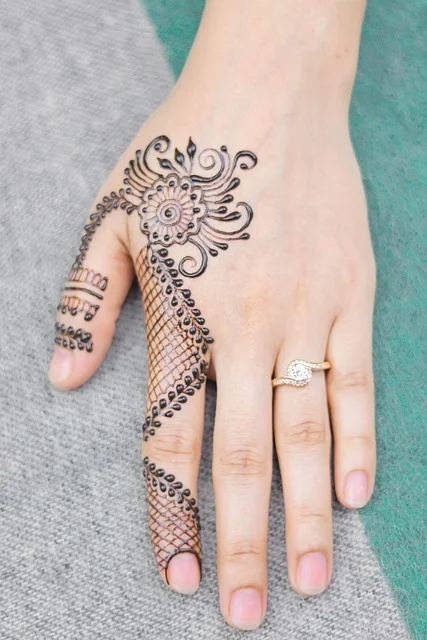
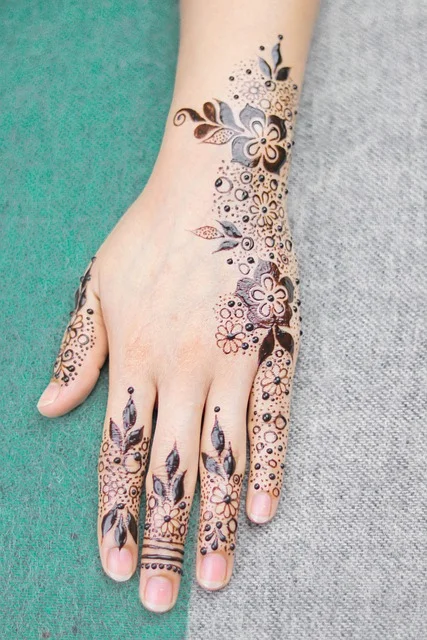
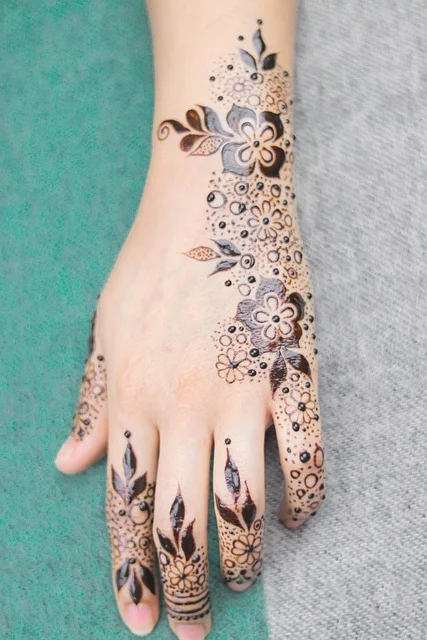
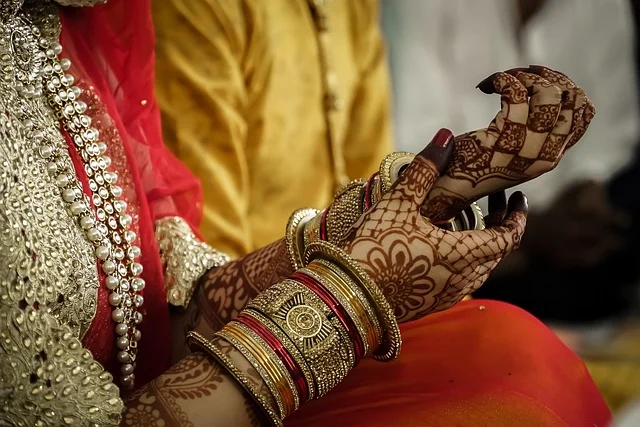
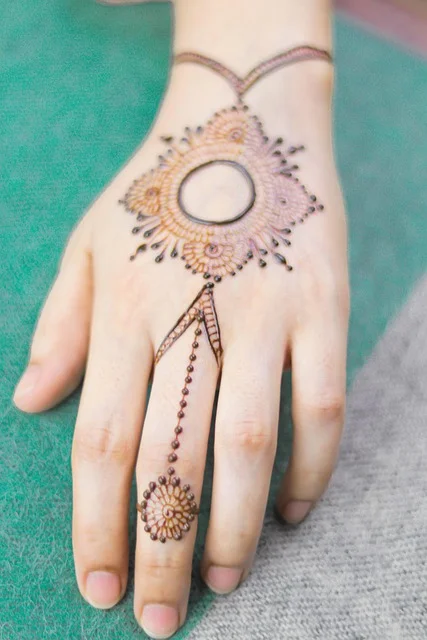
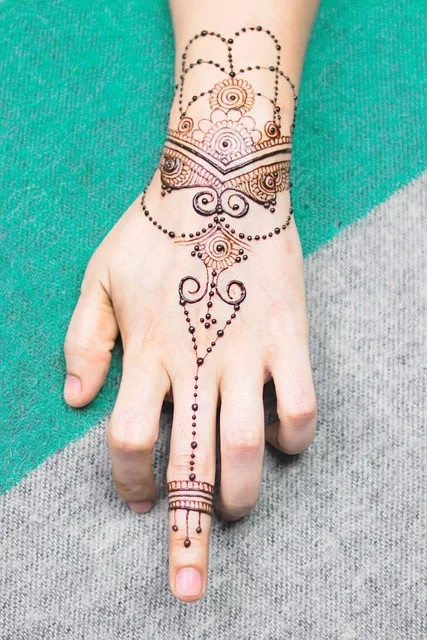
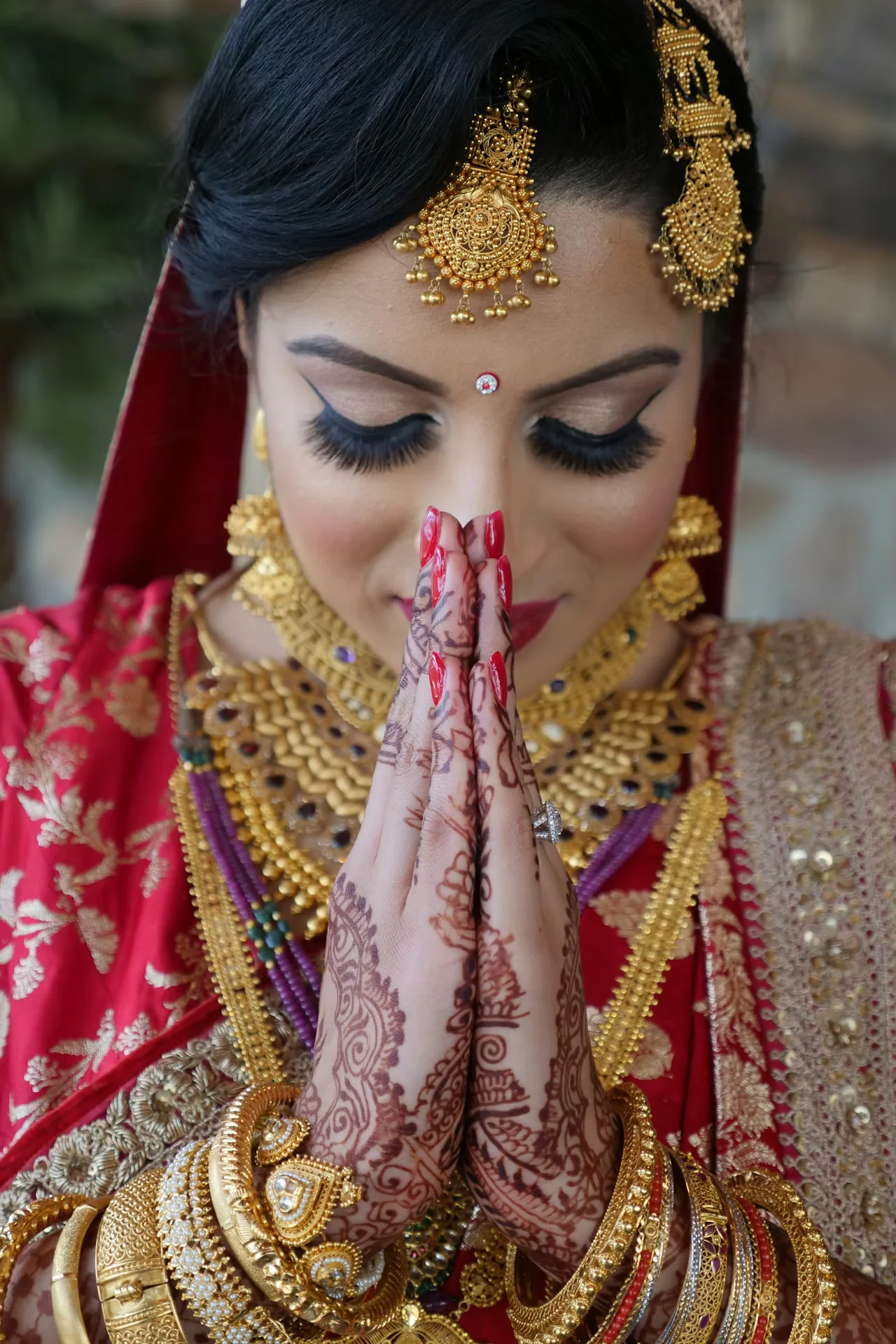
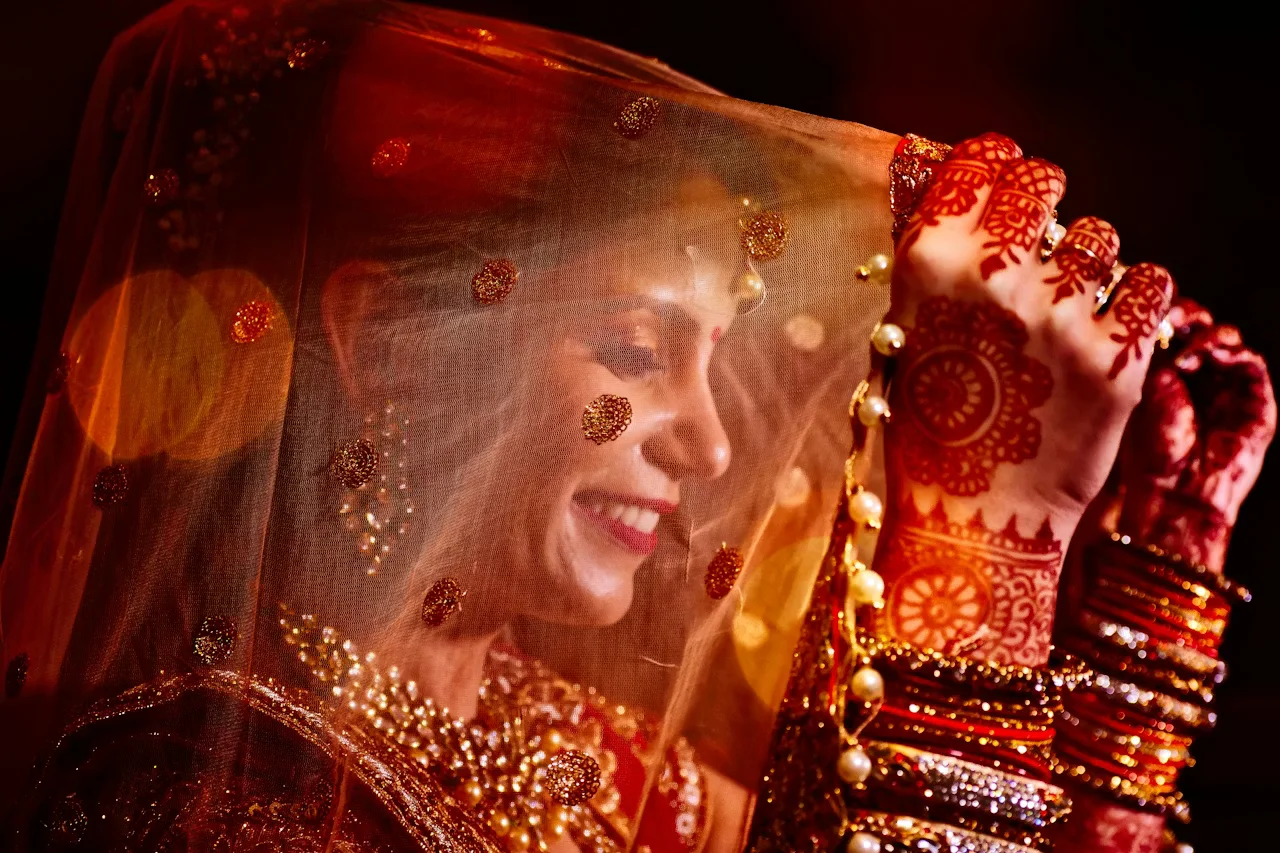
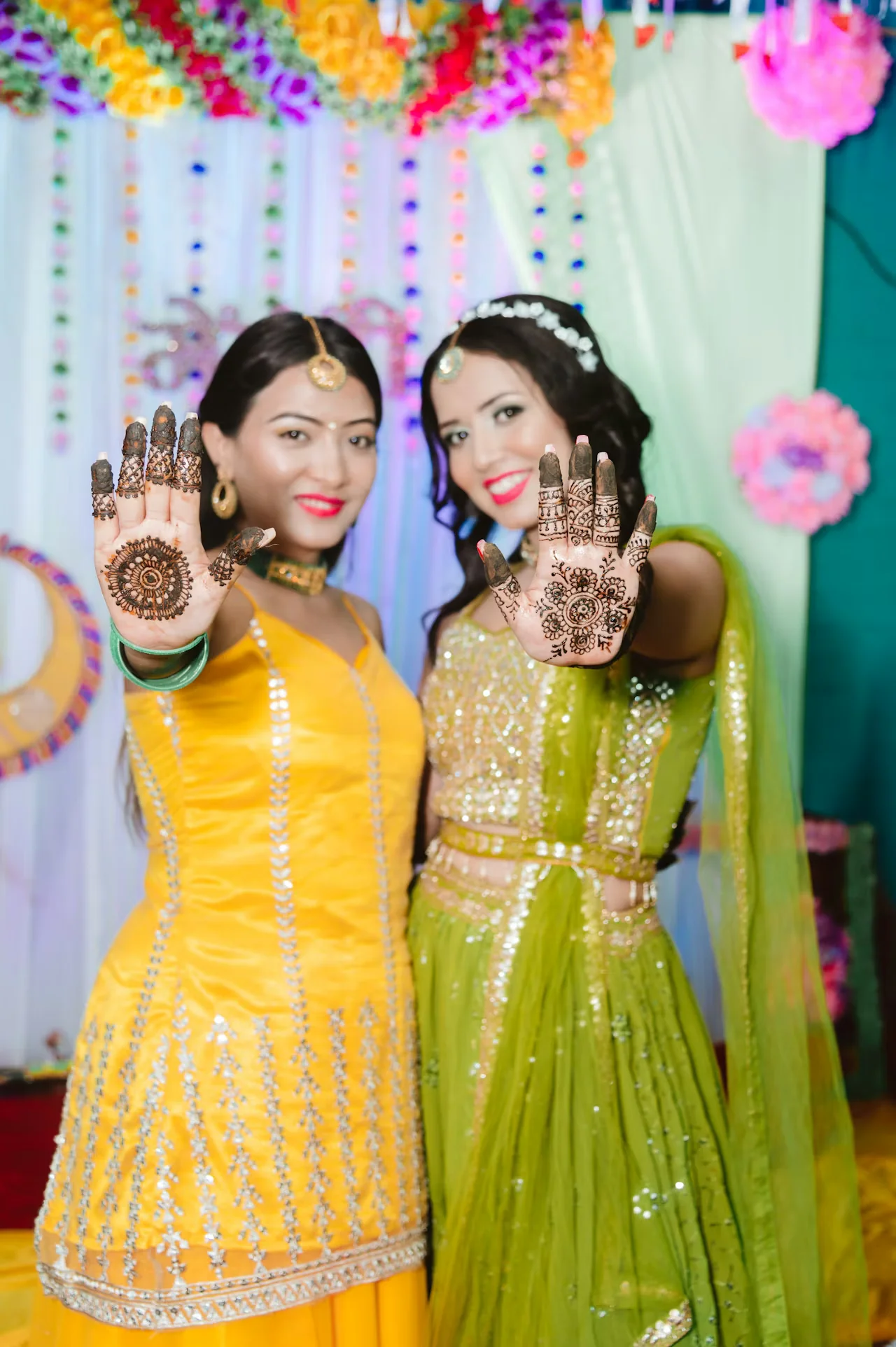
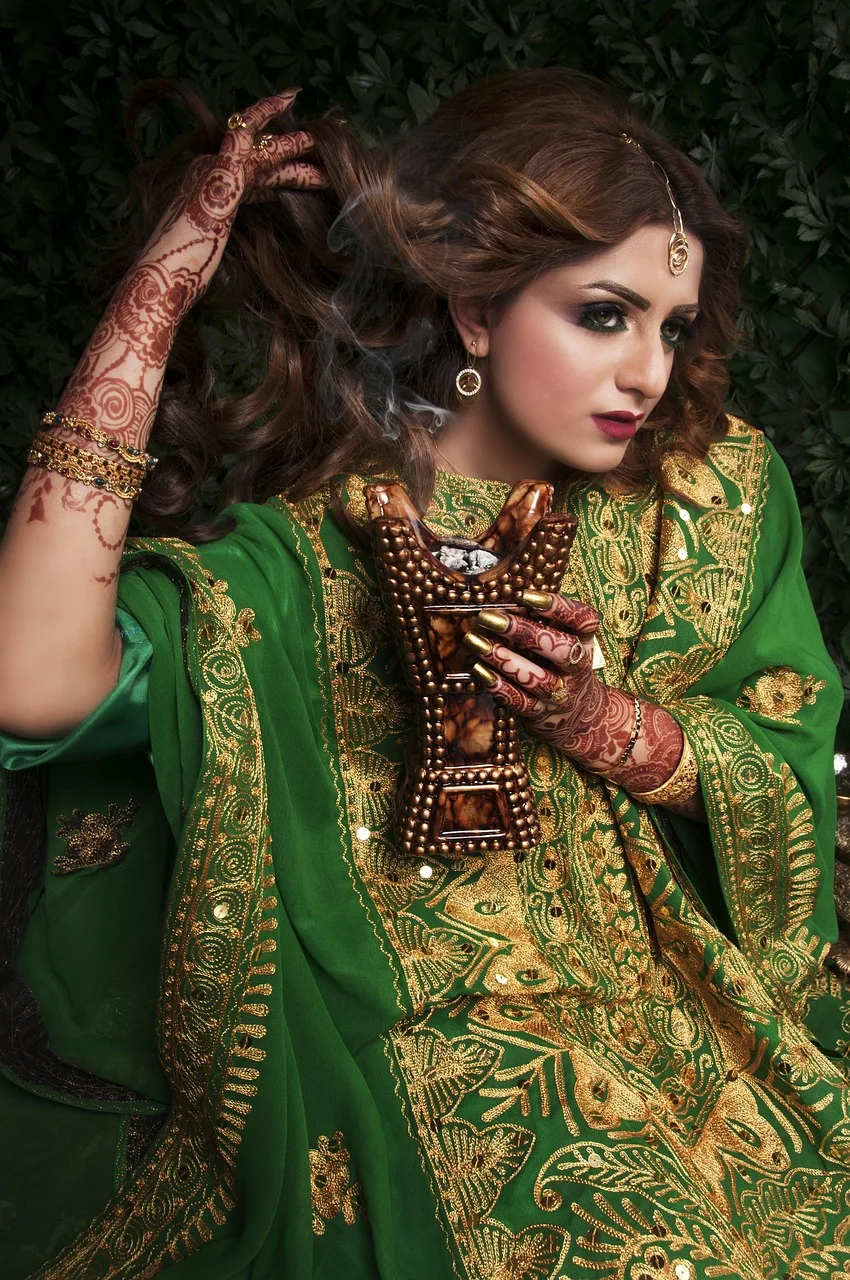
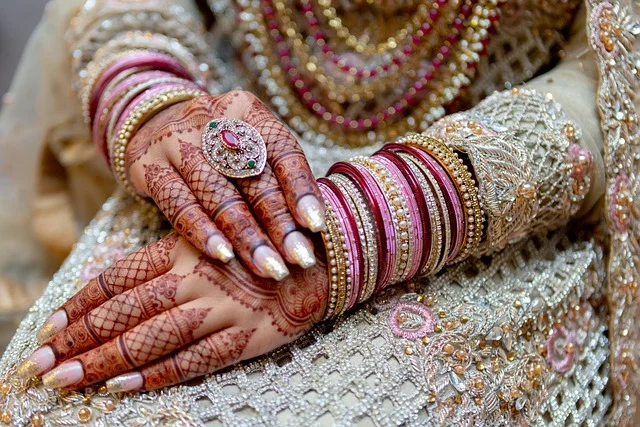
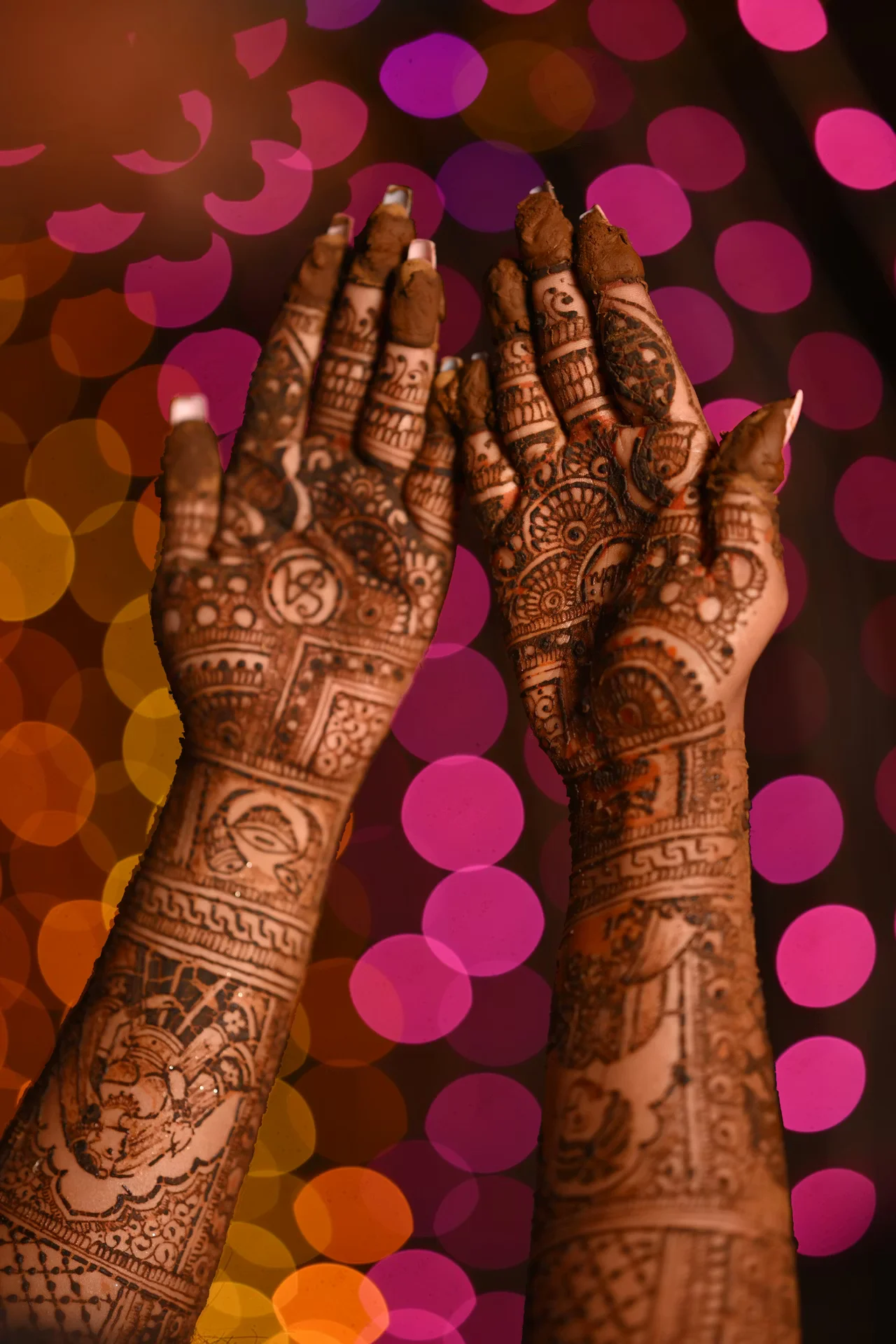
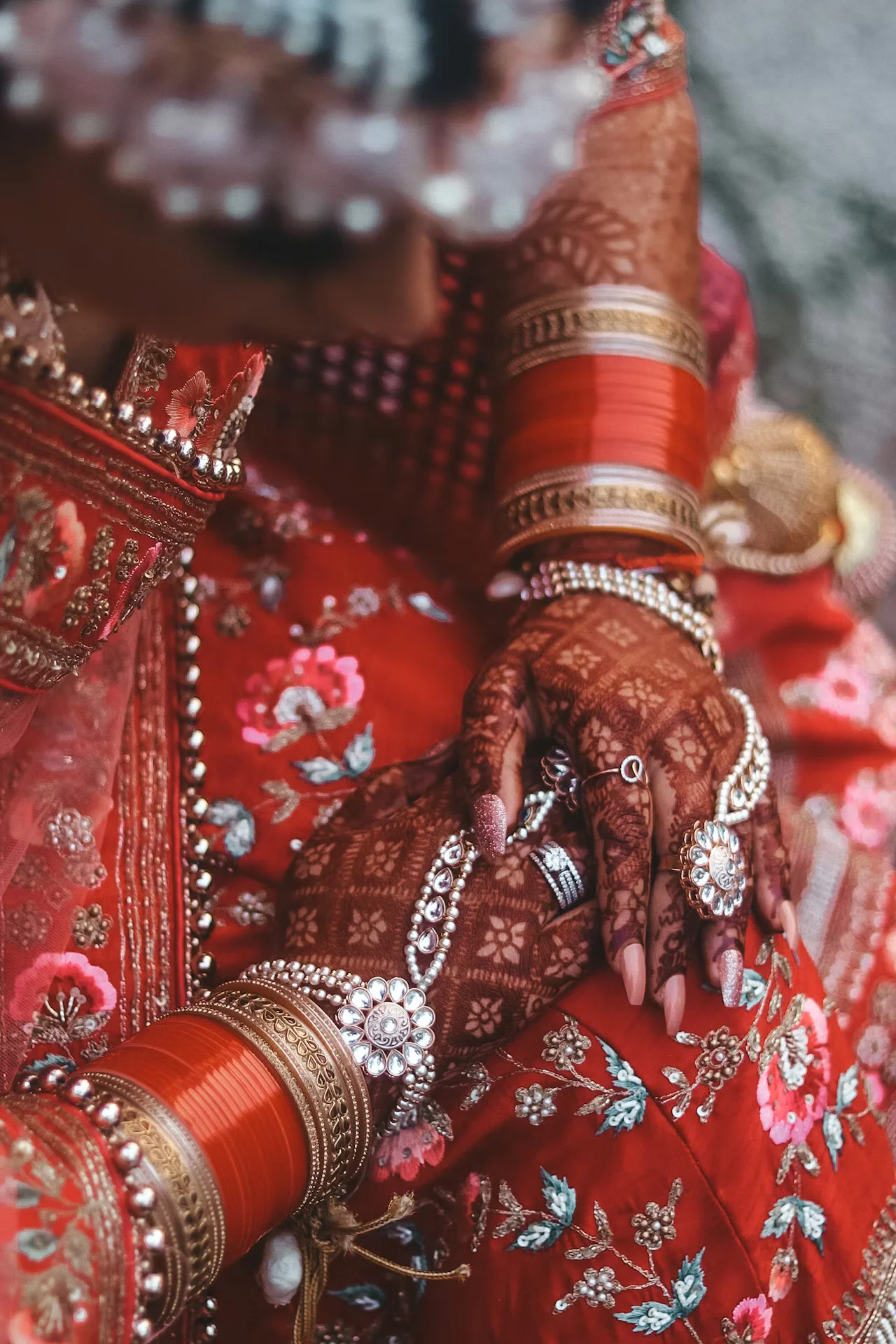
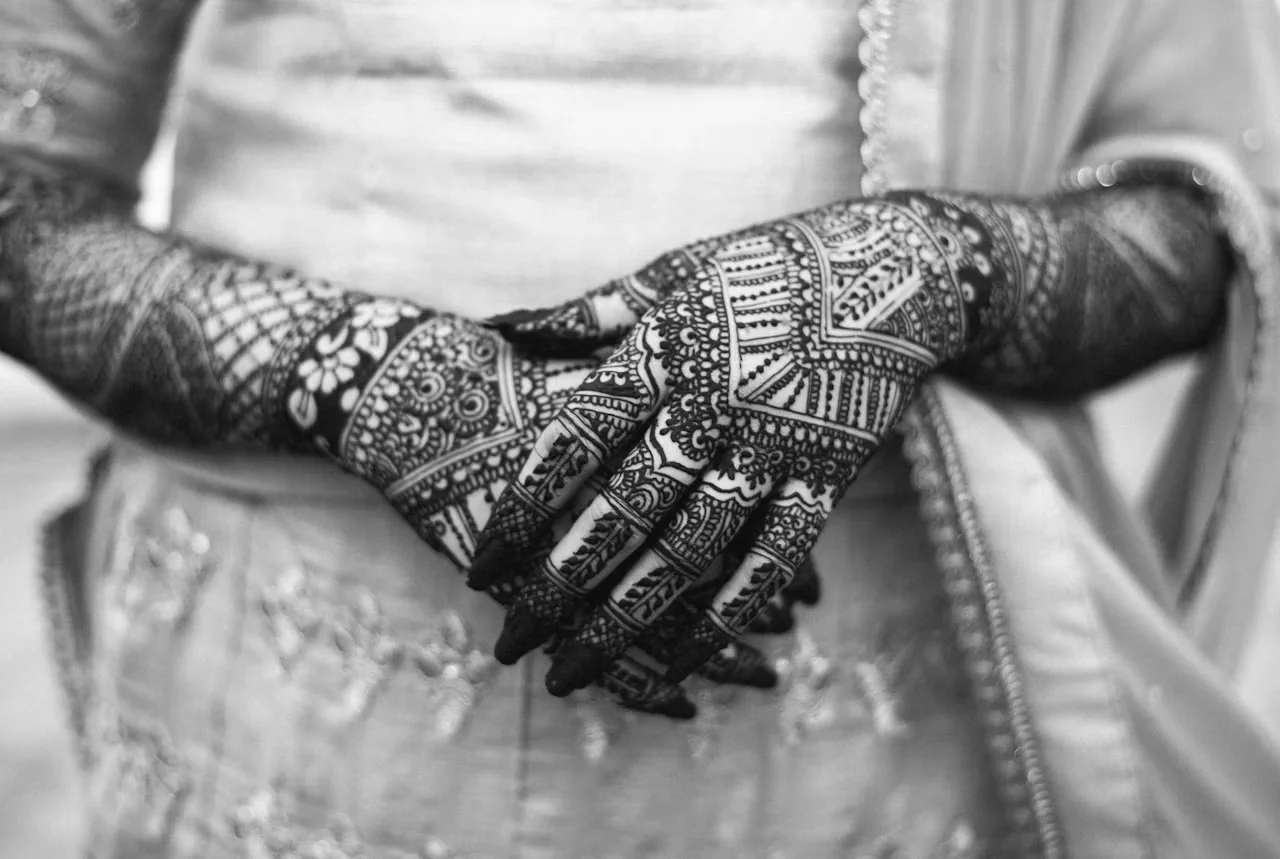
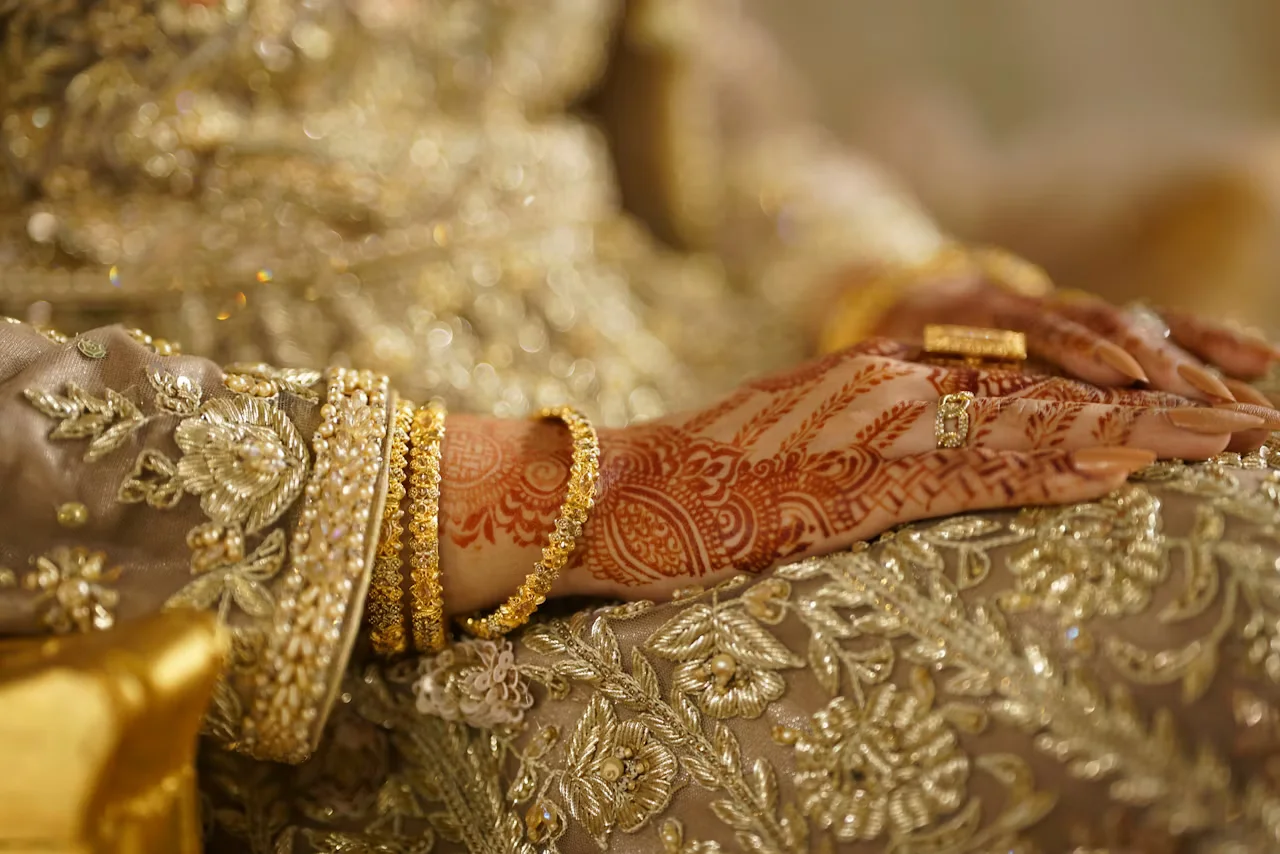
The wedding-day pattern — wrist to fingertip on both hands, ankle to foot, sixty to ninety minutes per hand. 8 curated designs, every one tagged by tradition, motif, and minutes-to-apply.
90 min · Advanced
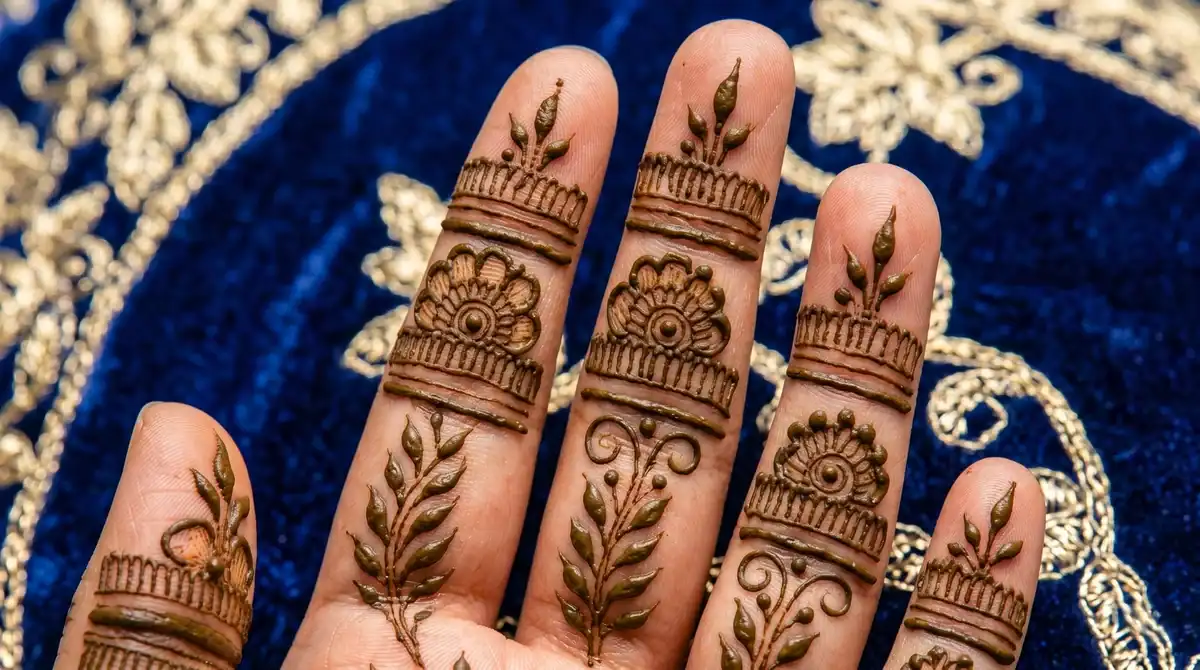
30 min · Beginner
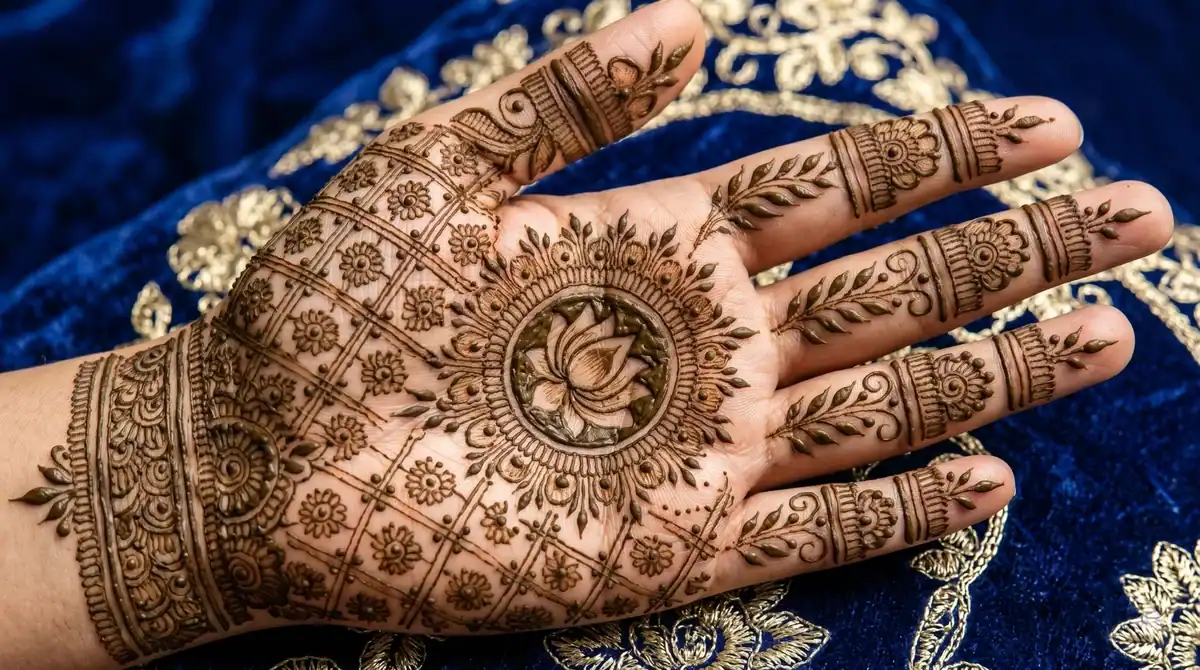
90 min · Advanced
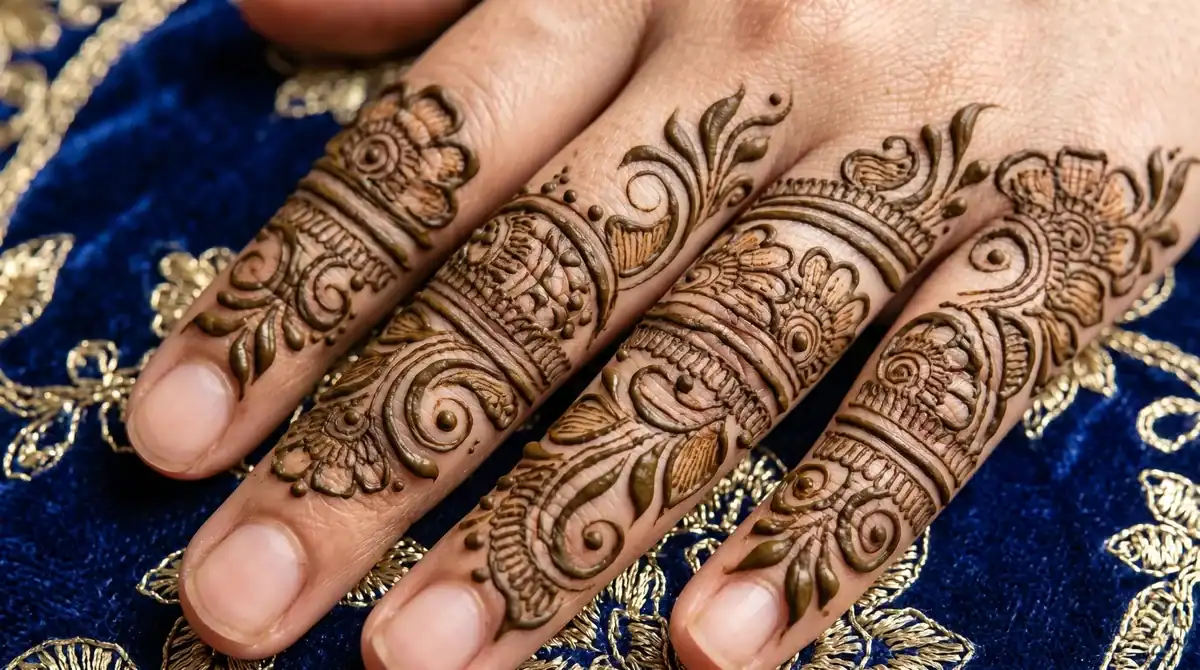
50 min · Advanced
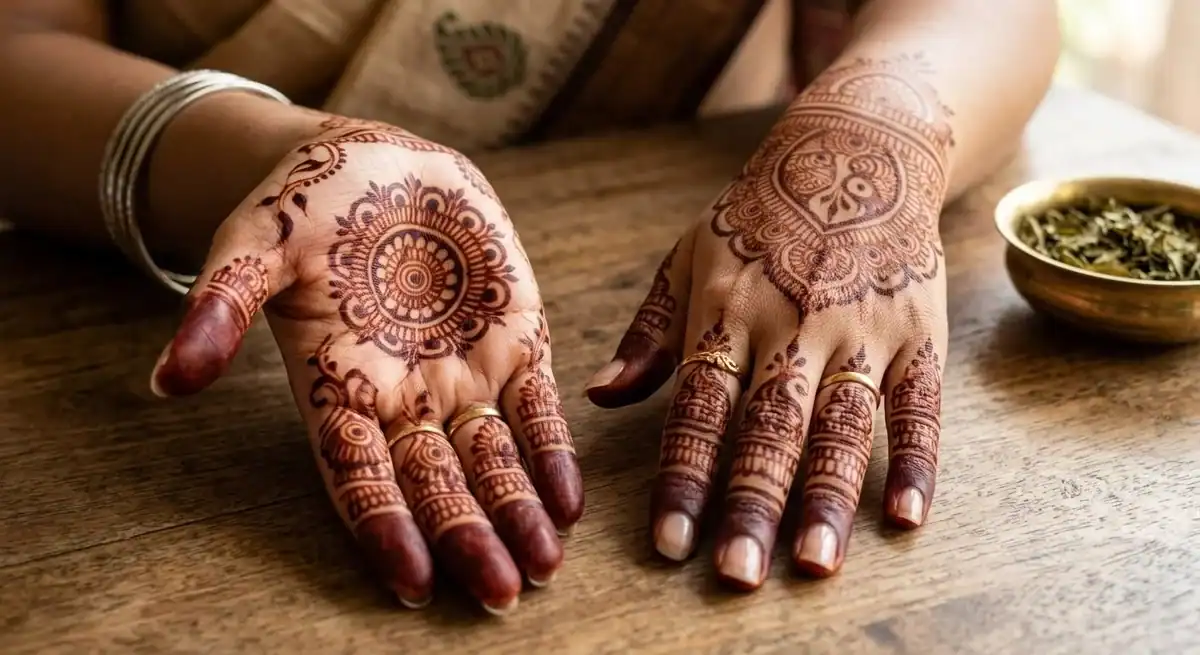
90 min · Advanced
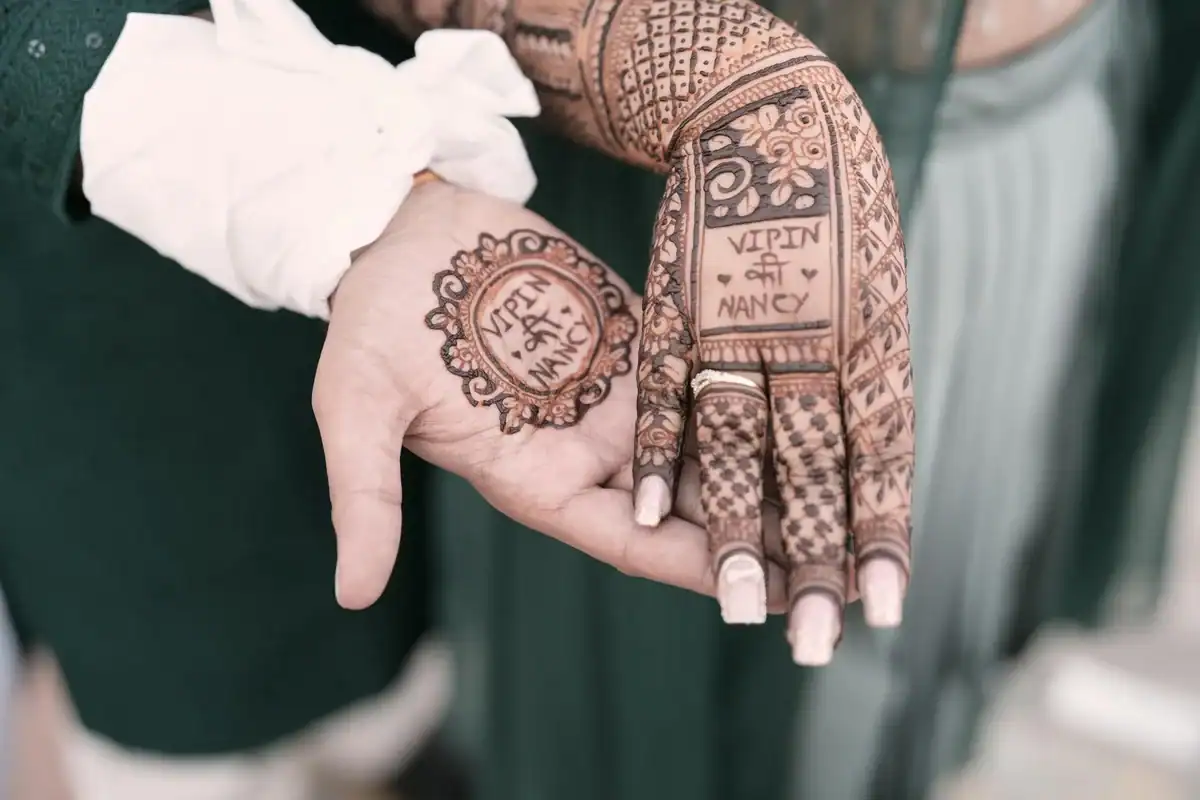
120 min · Advanced
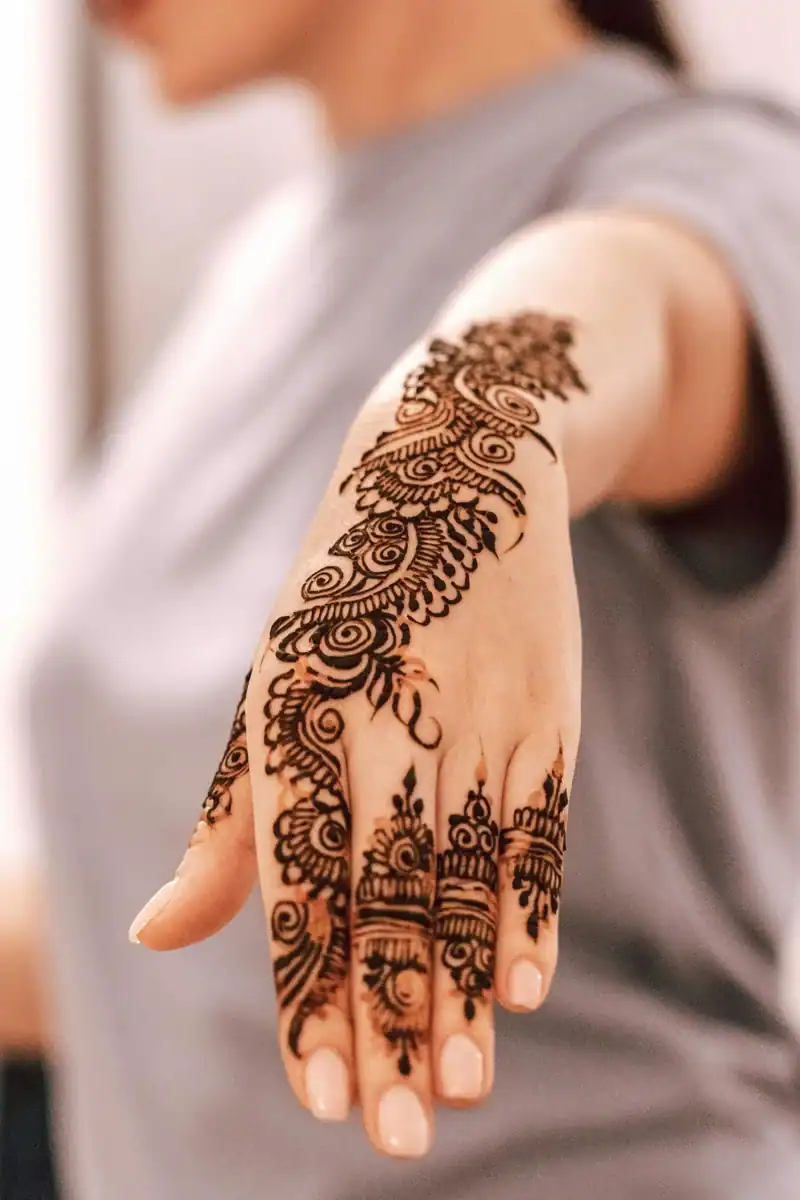
50 min · Advanced

120 min · Advanced
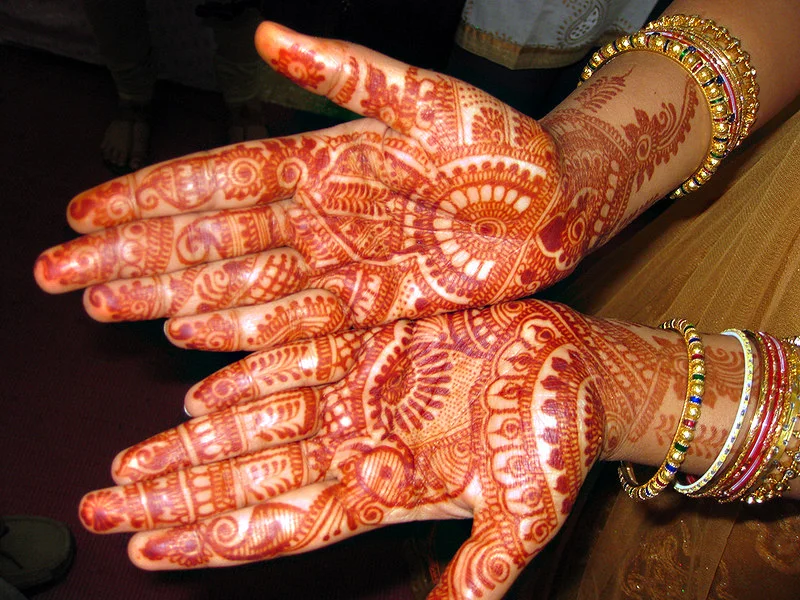
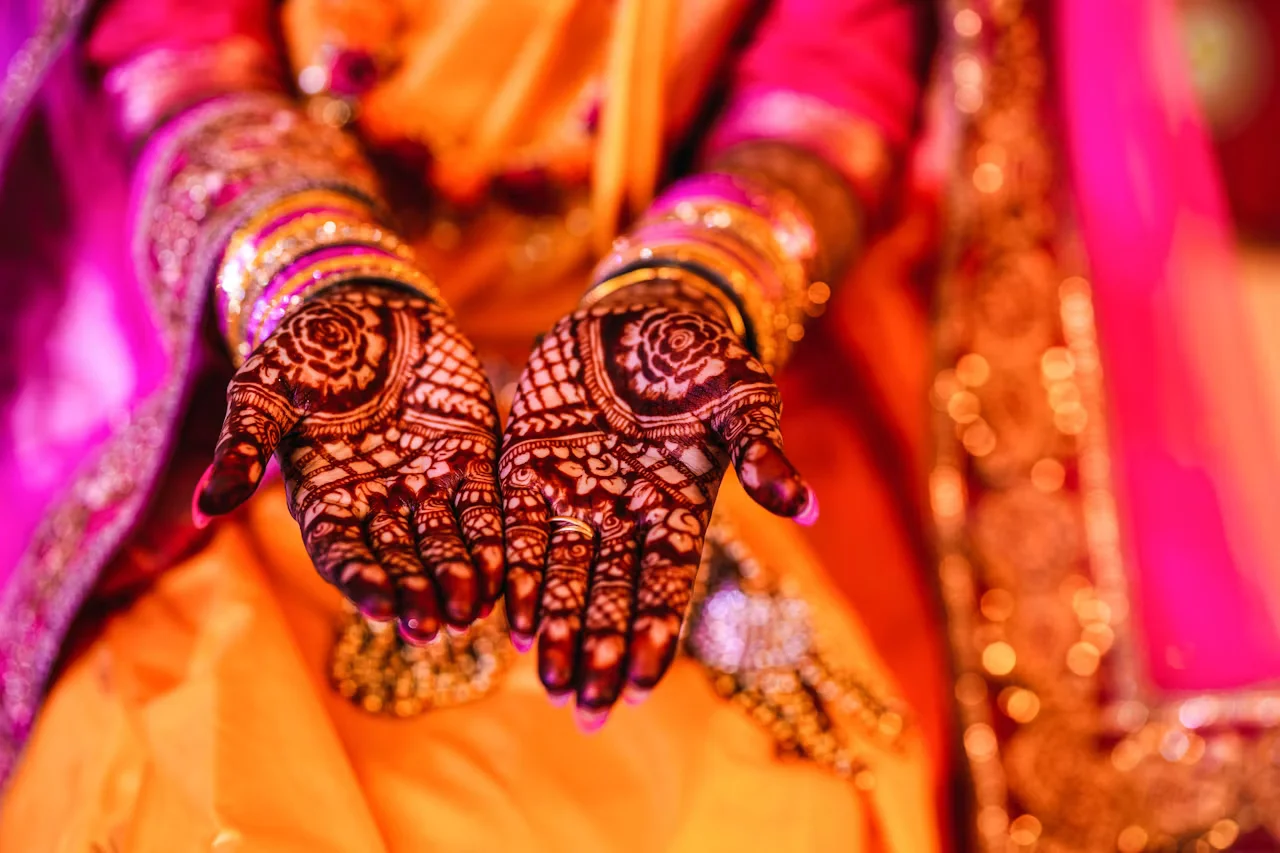
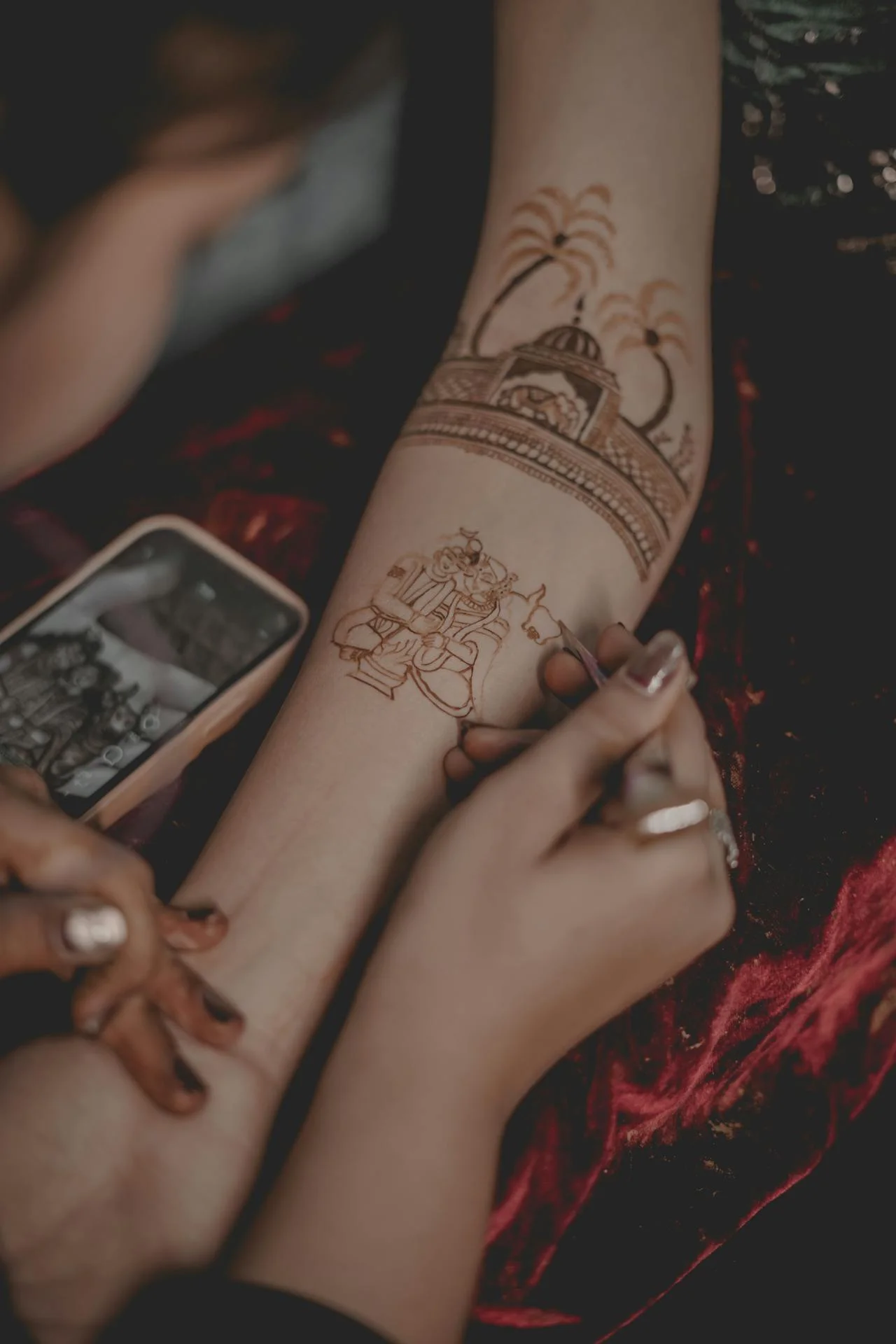
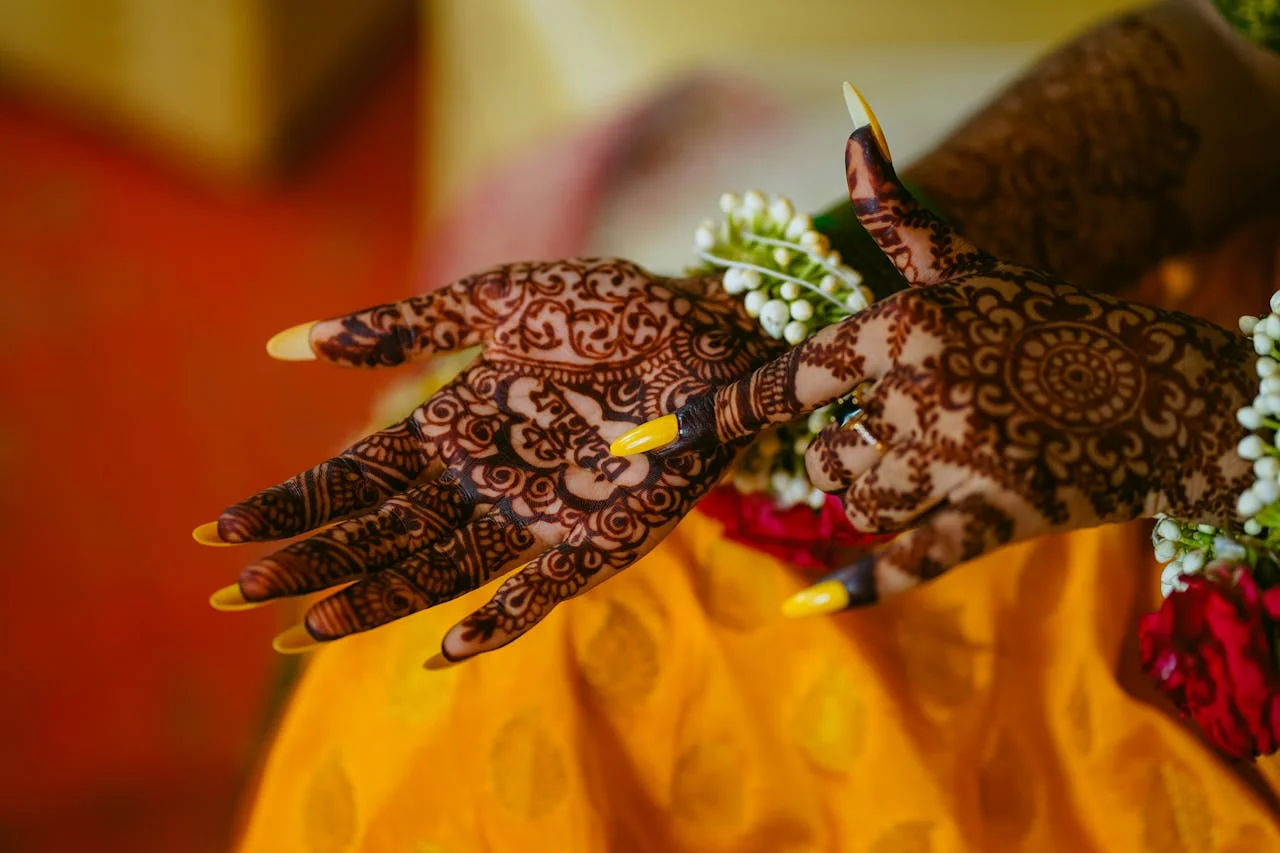
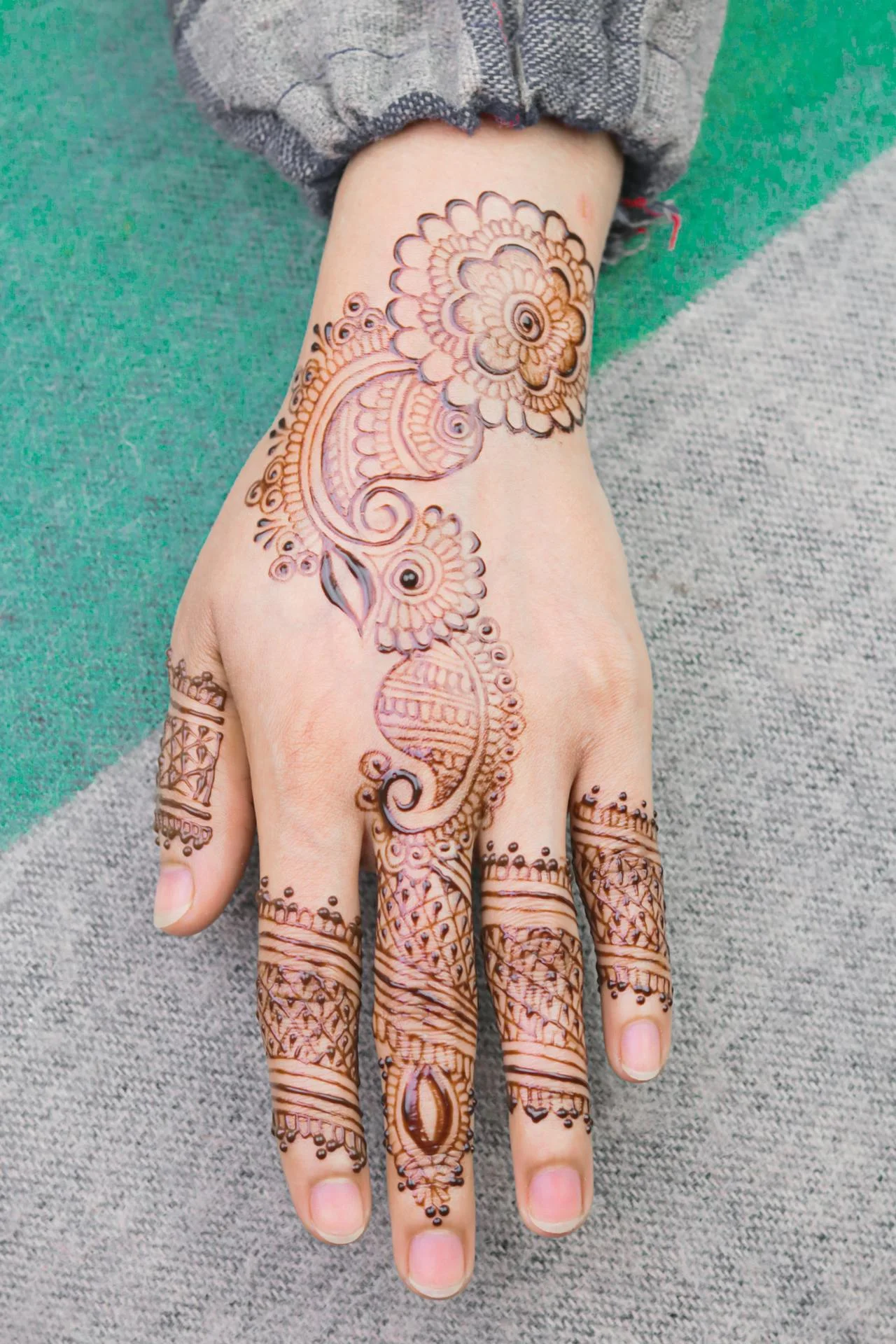
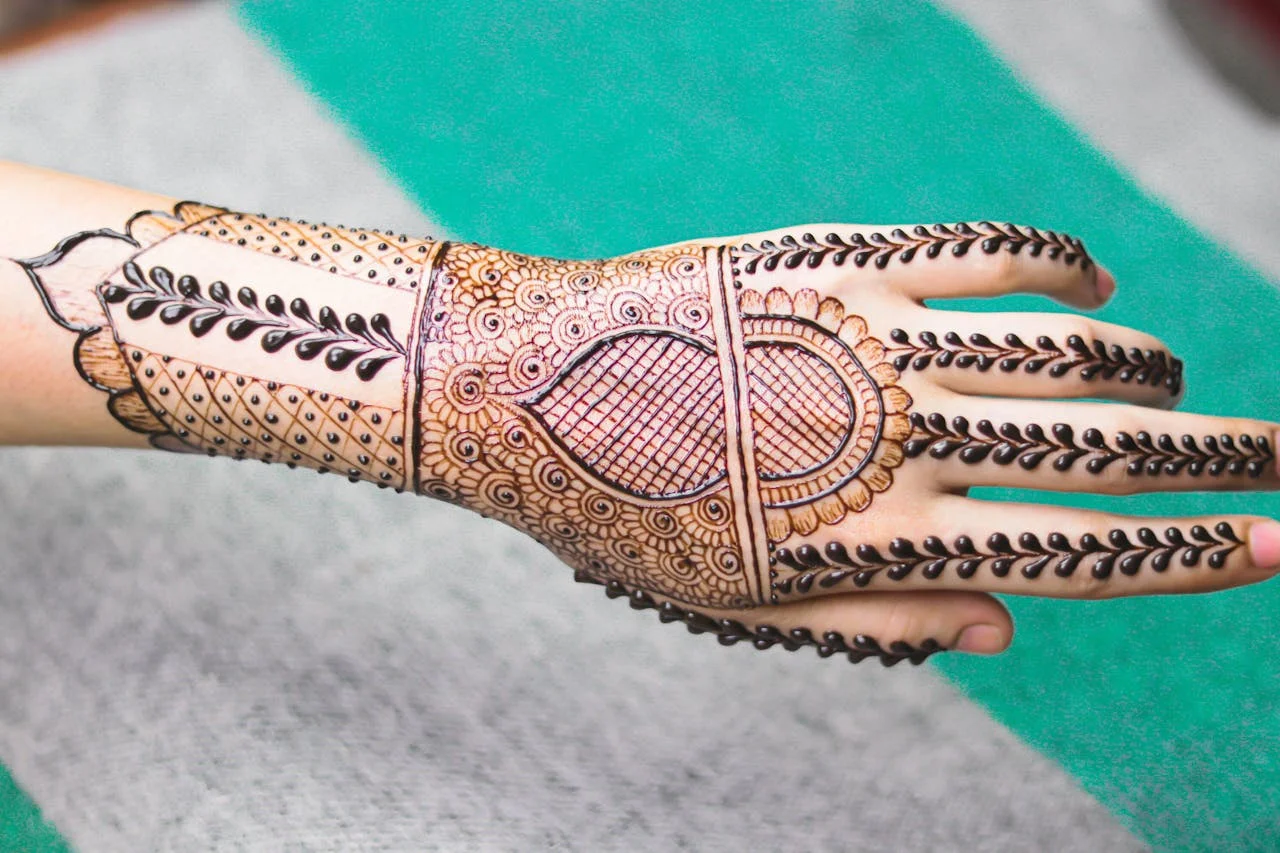
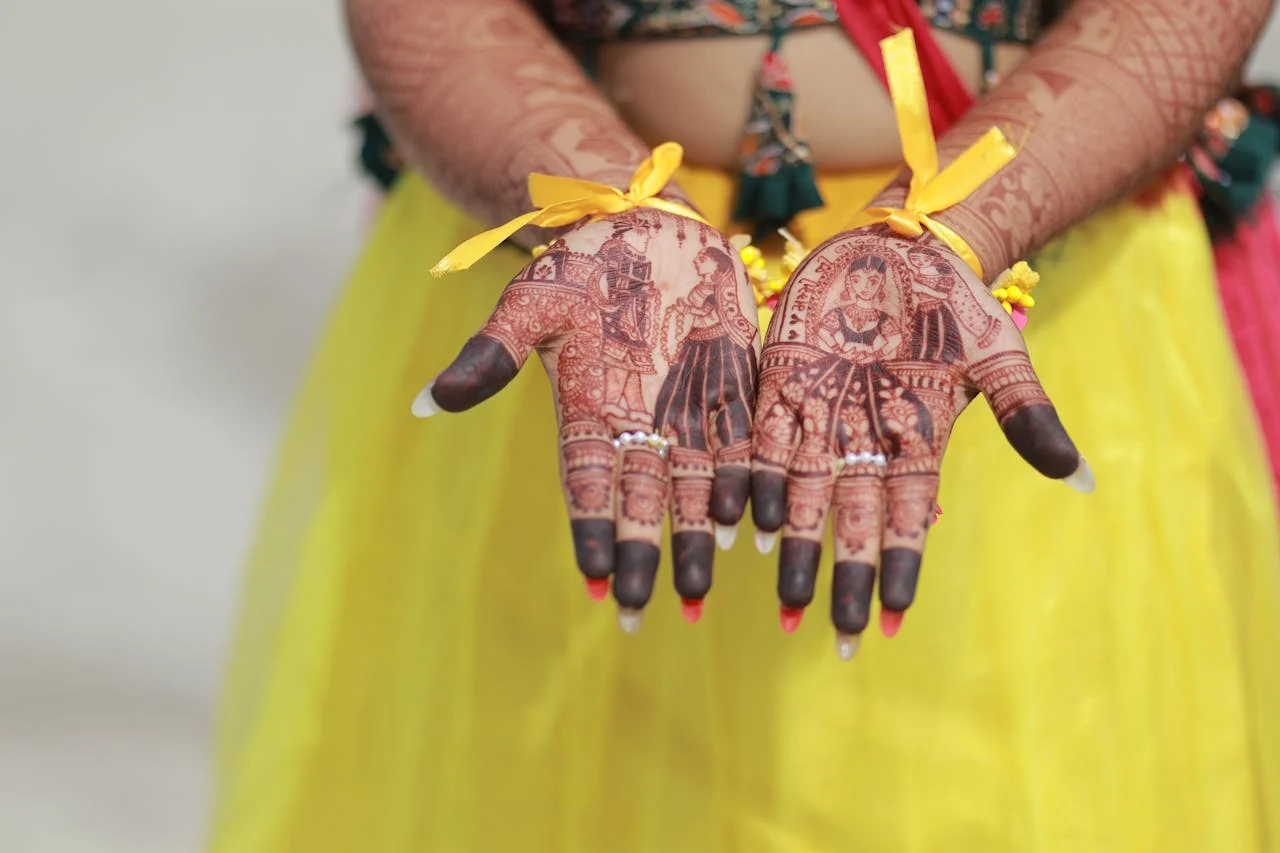
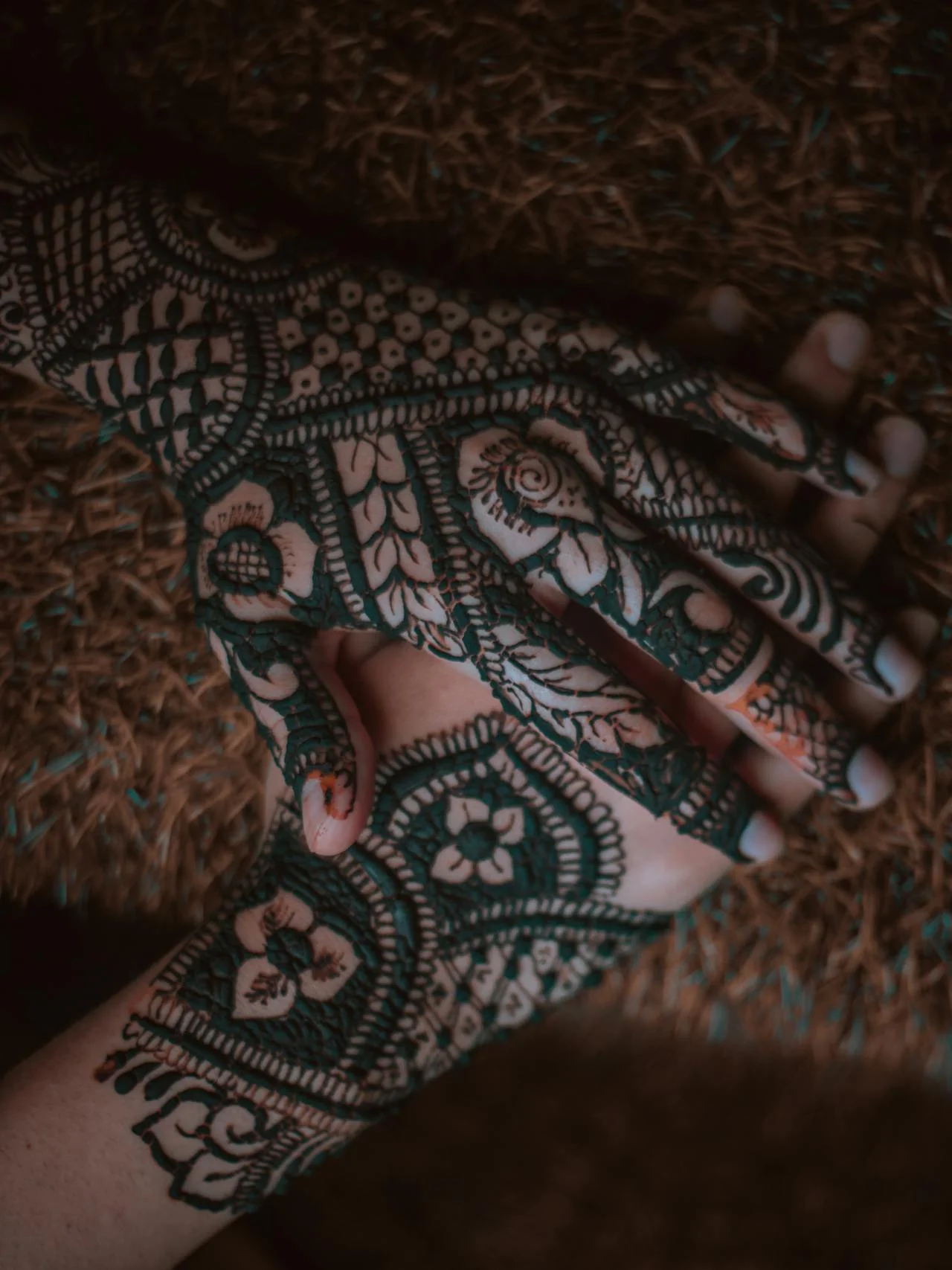
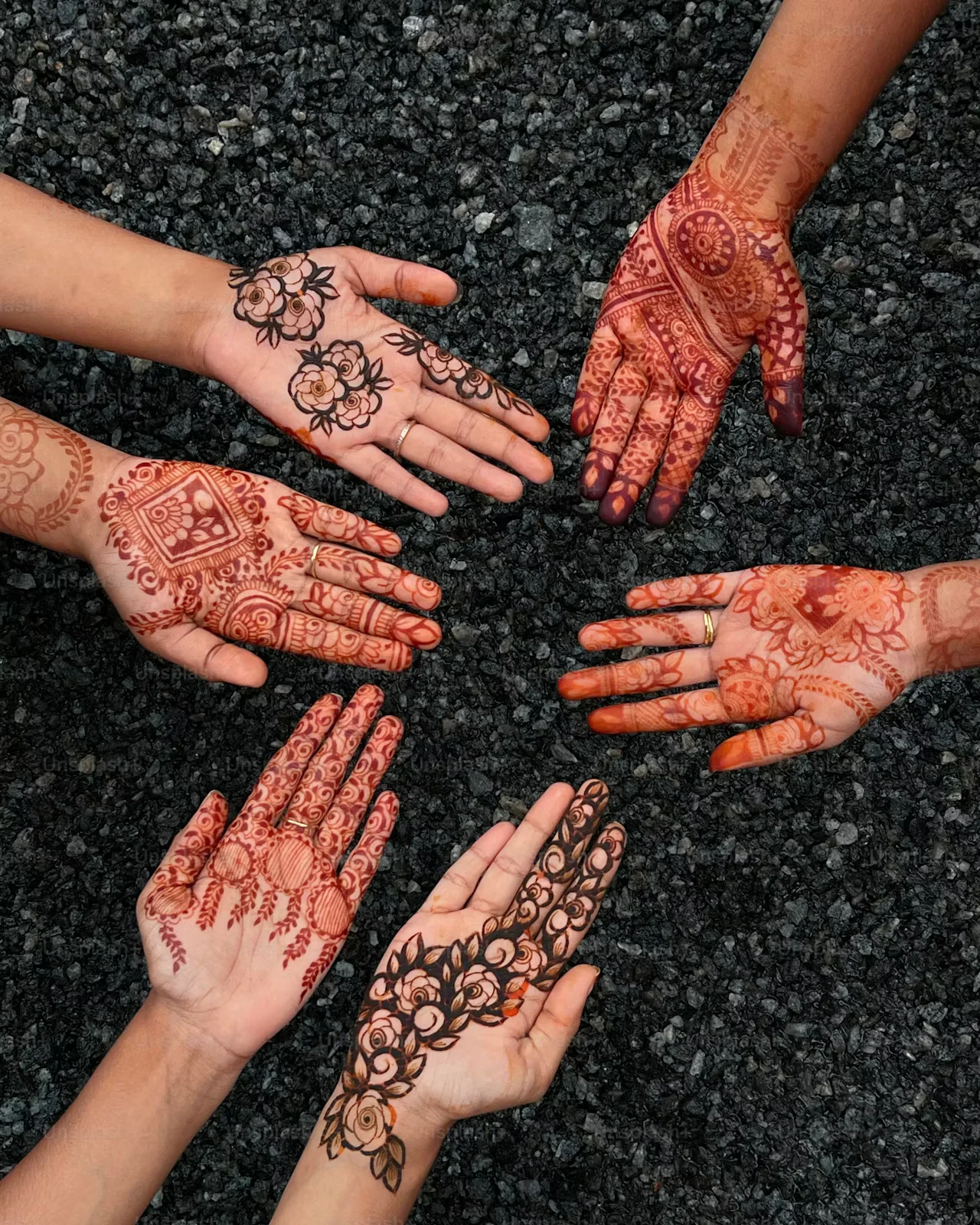
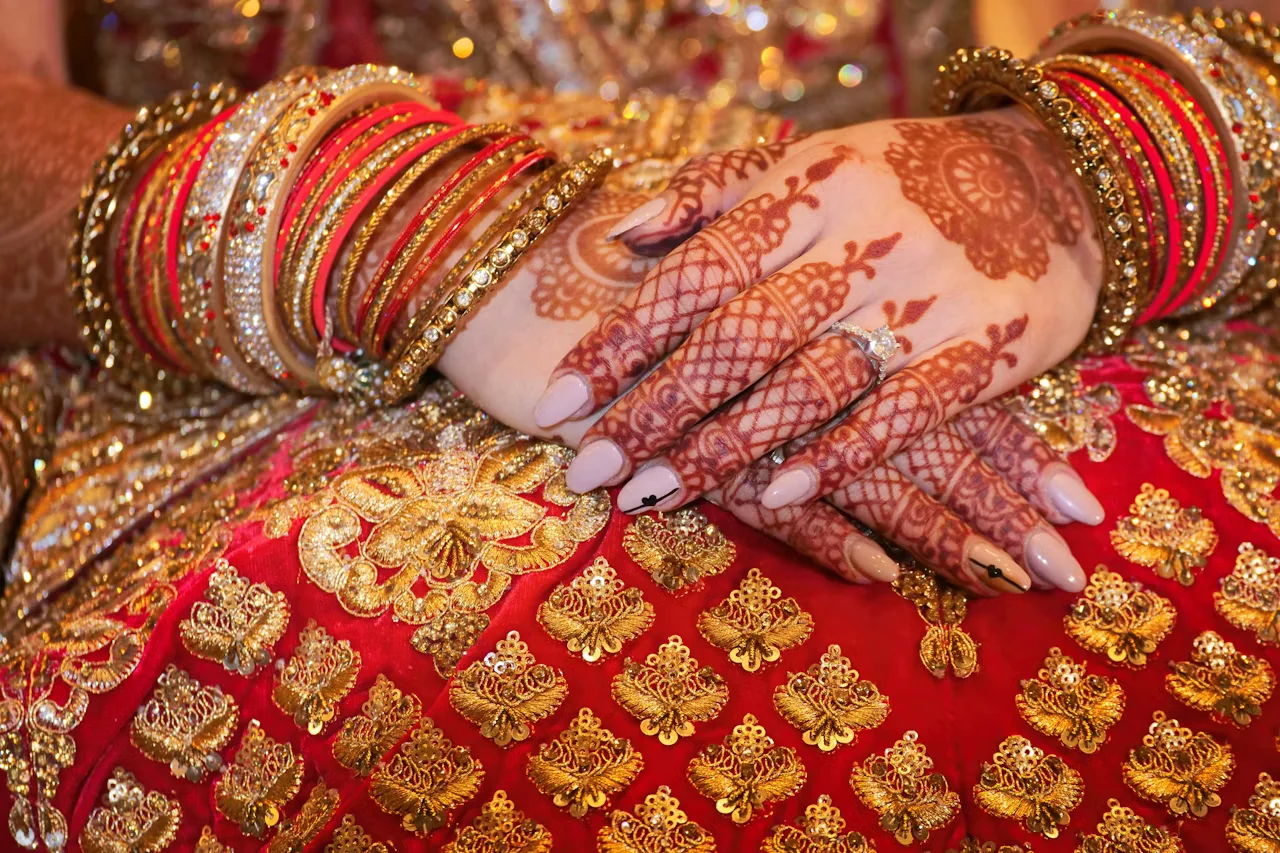
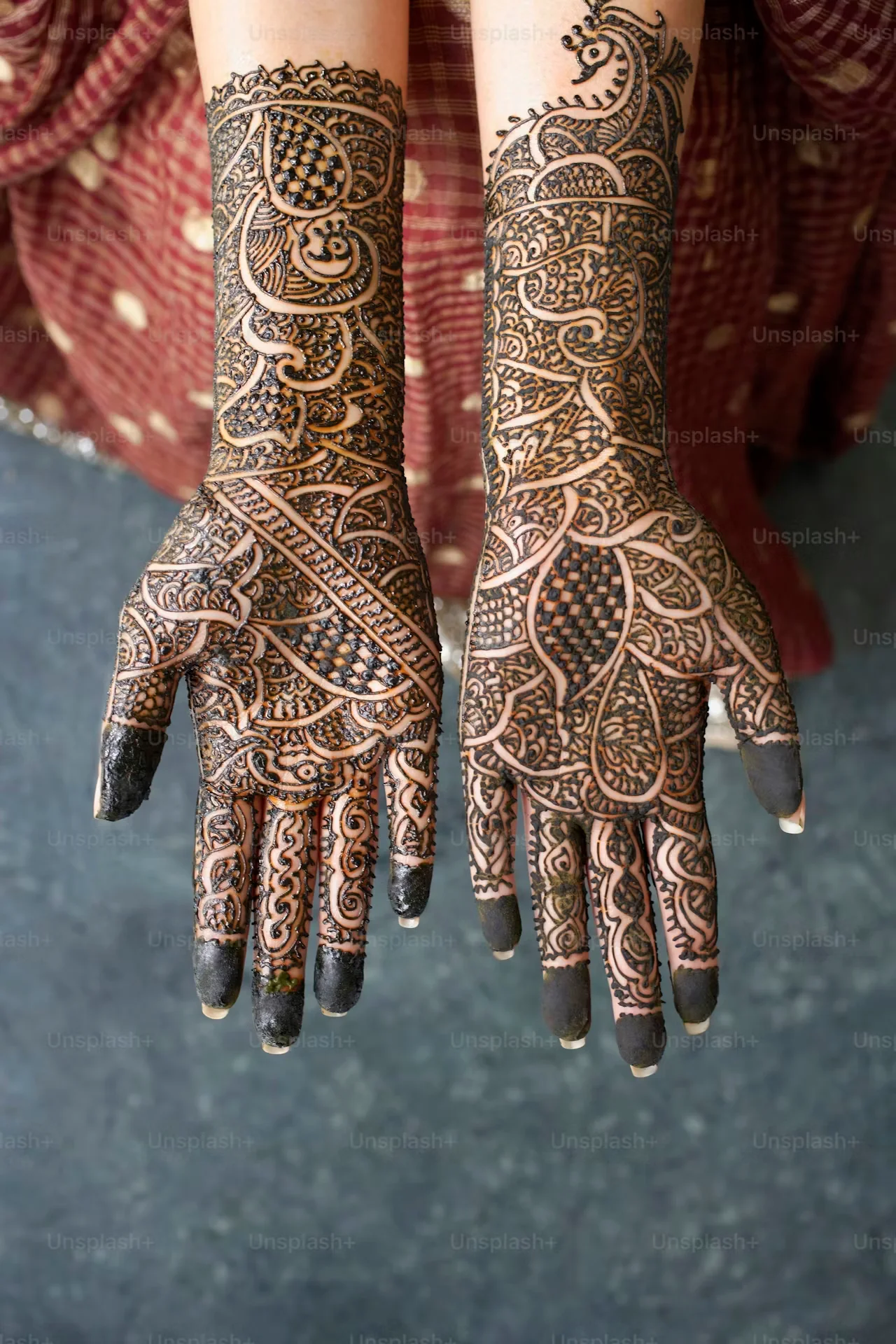
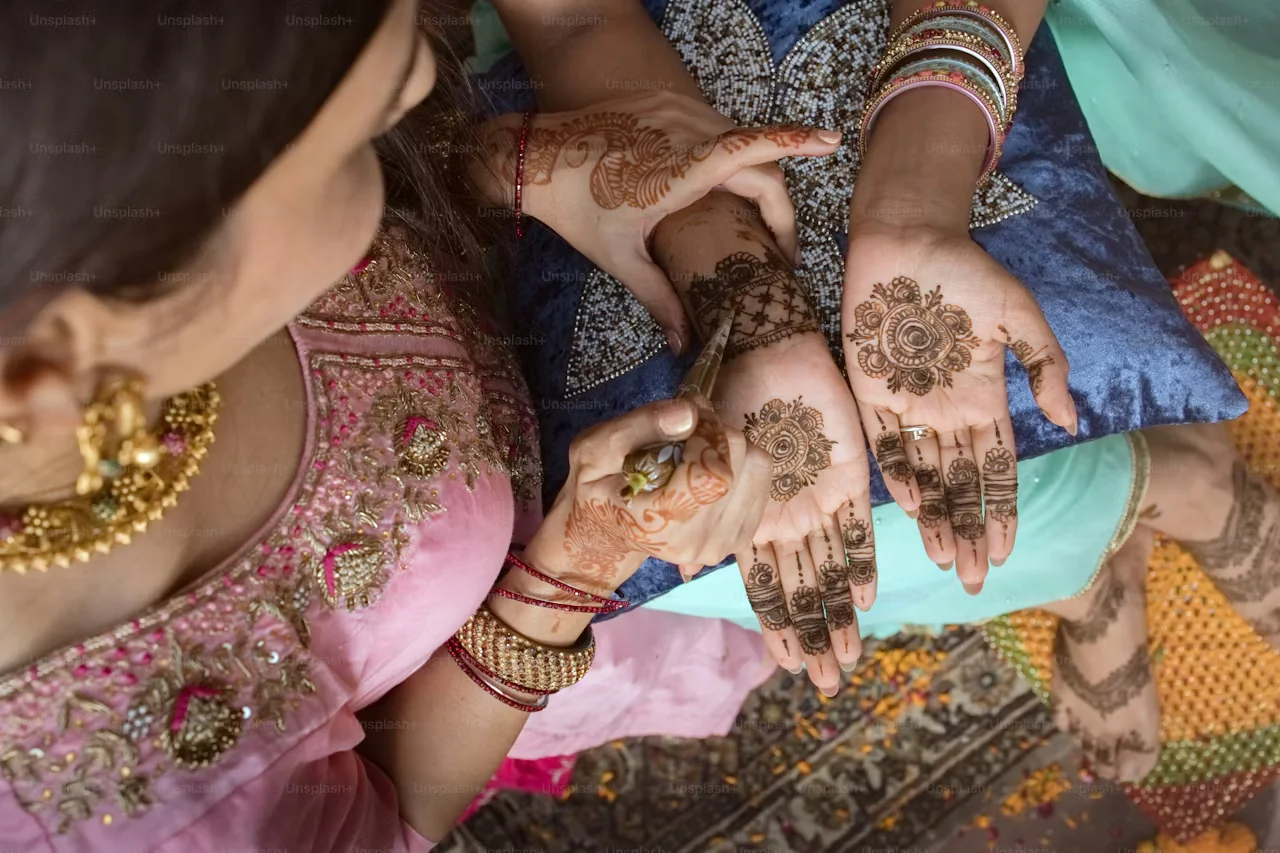
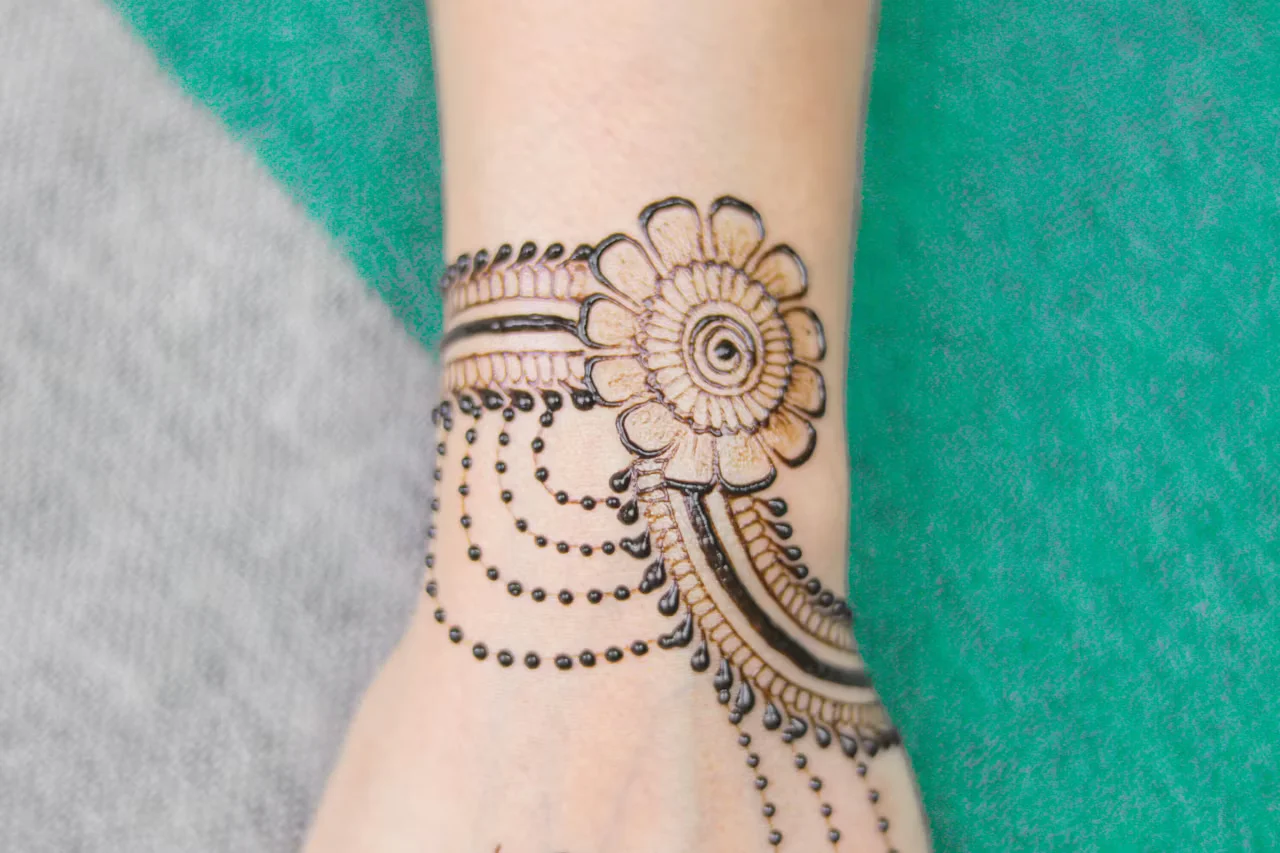
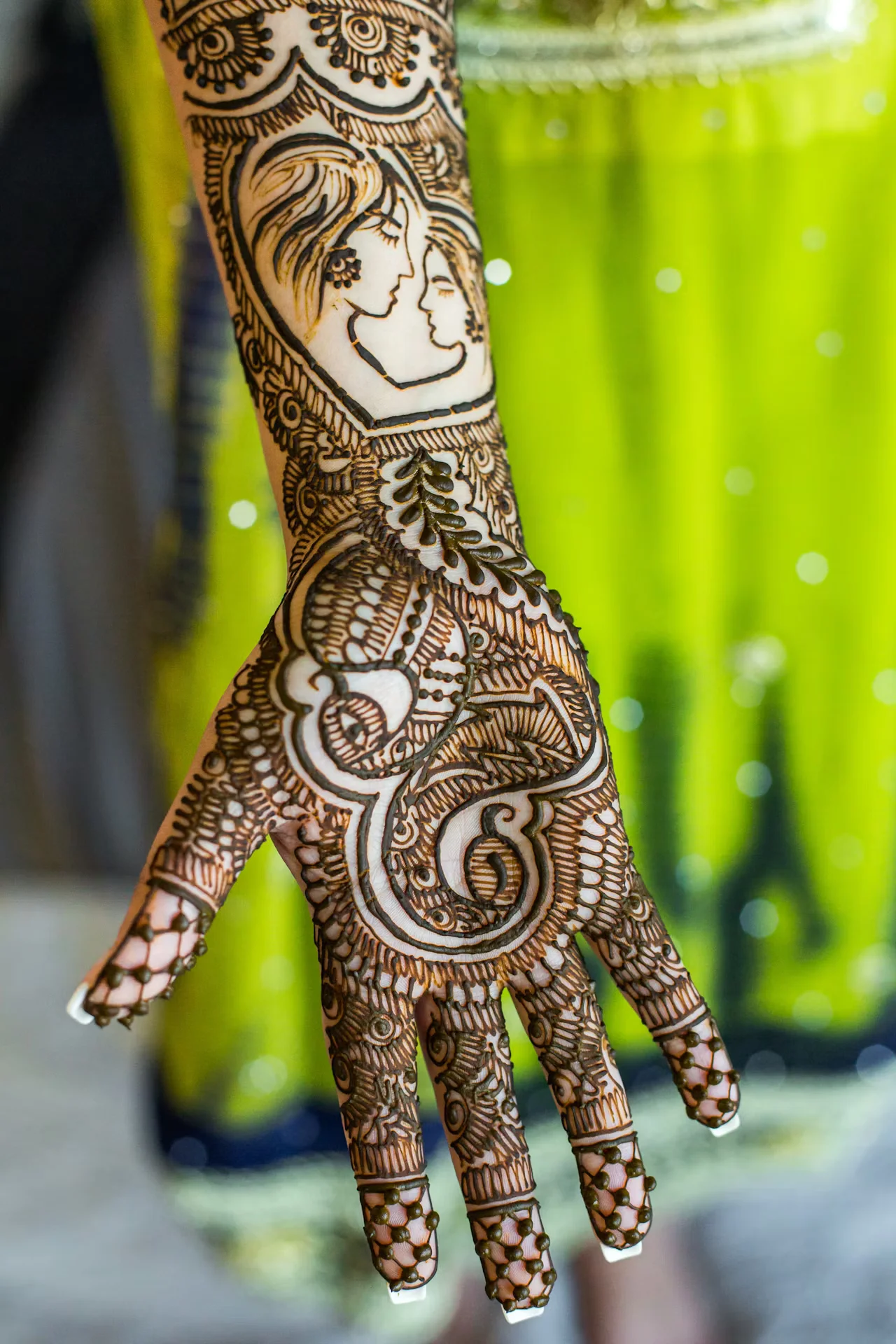
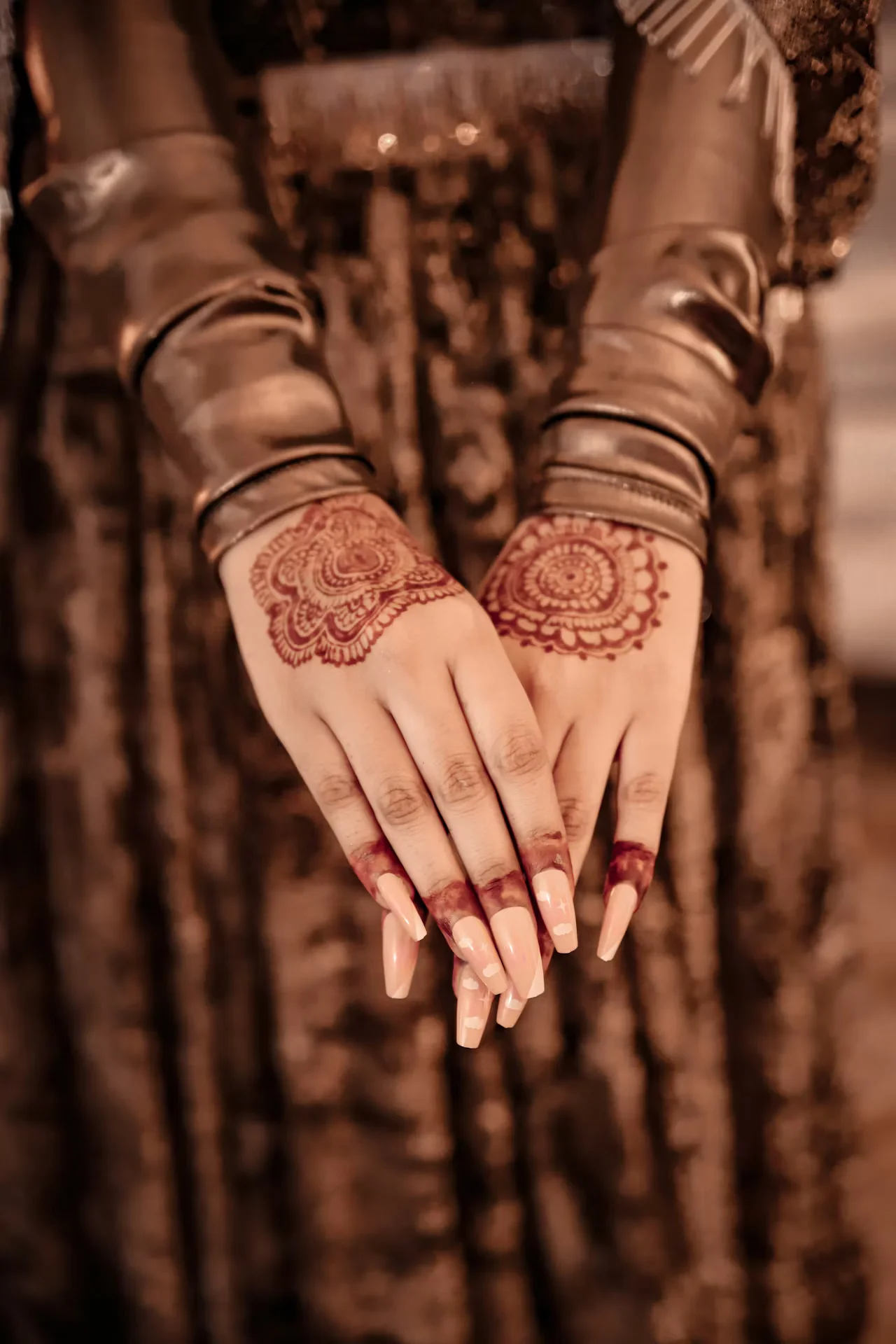
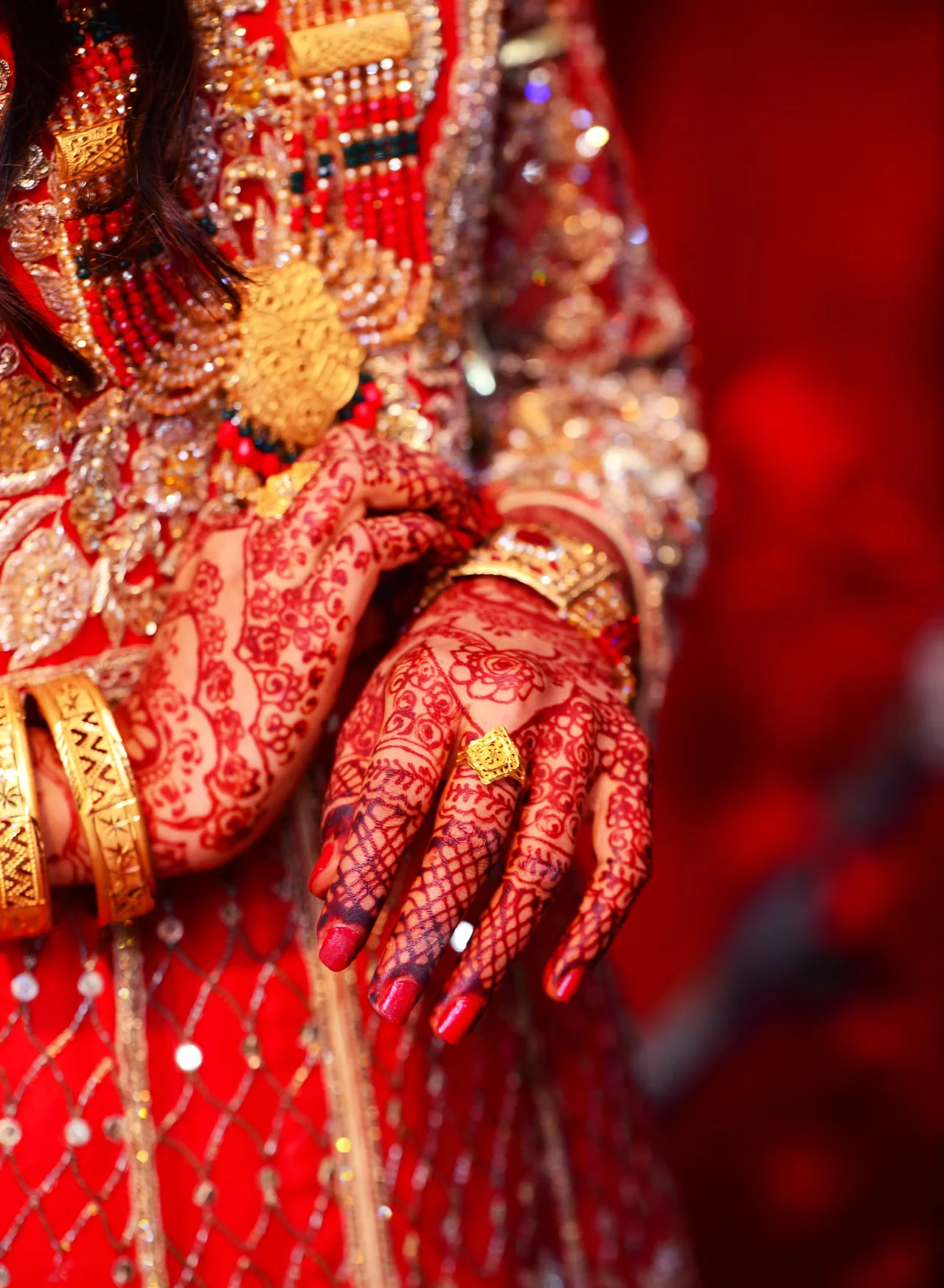
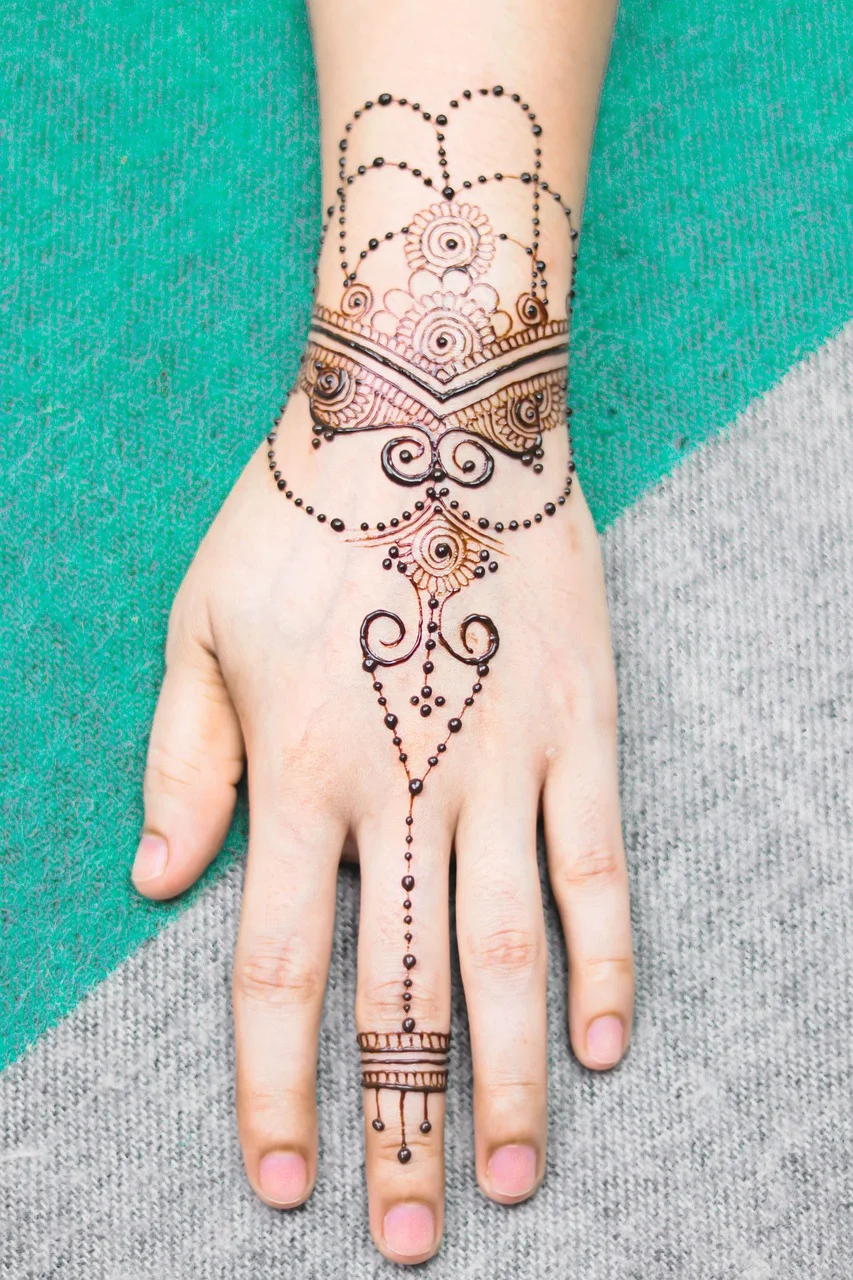
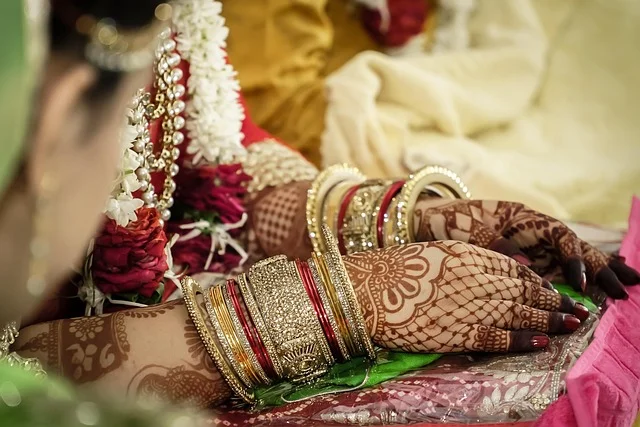

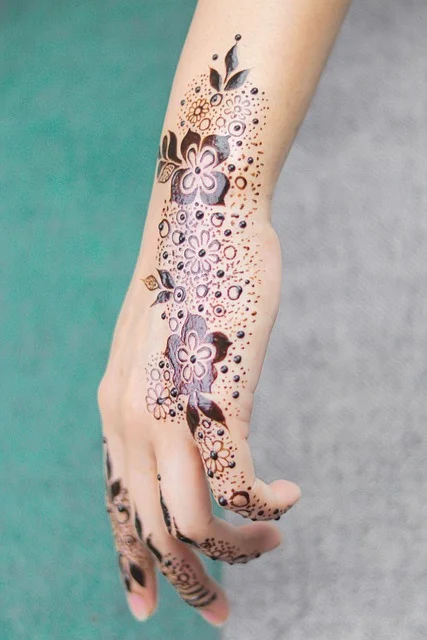
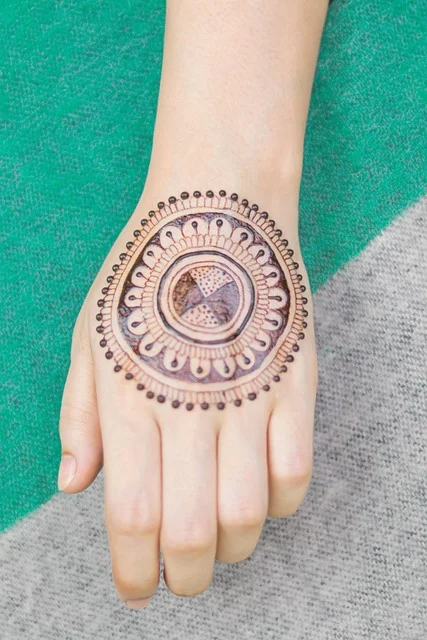
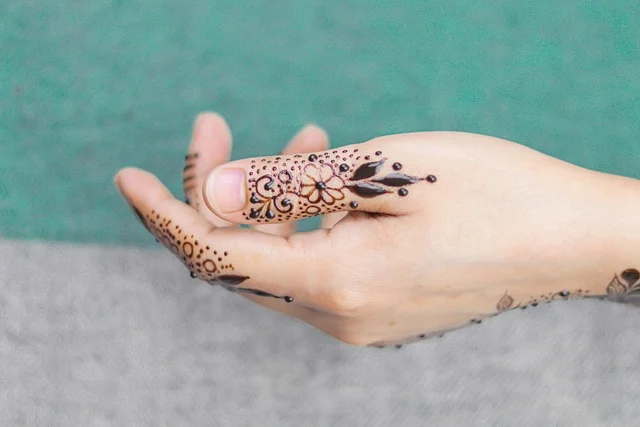
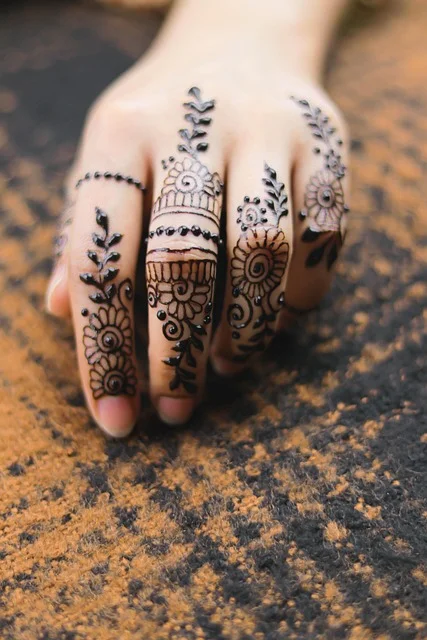
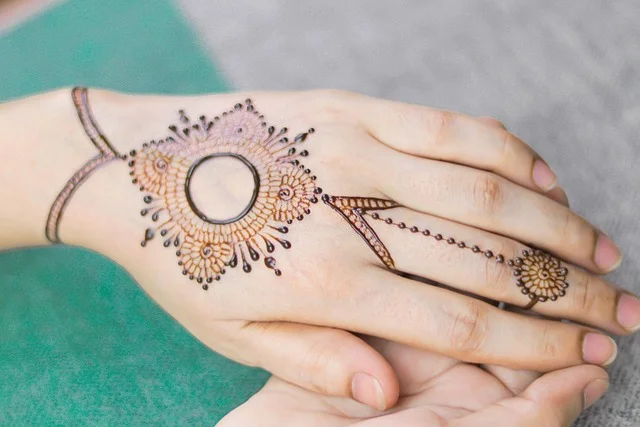
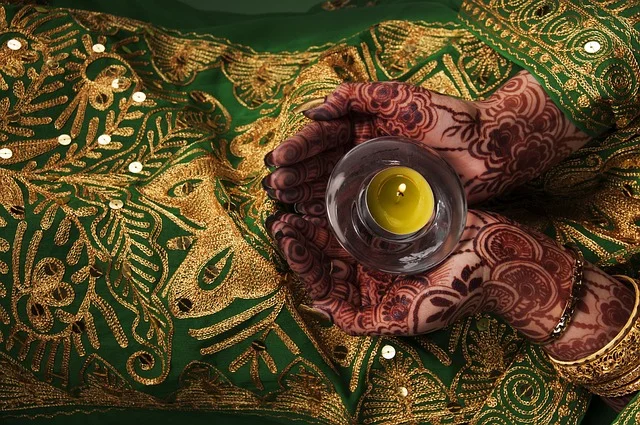
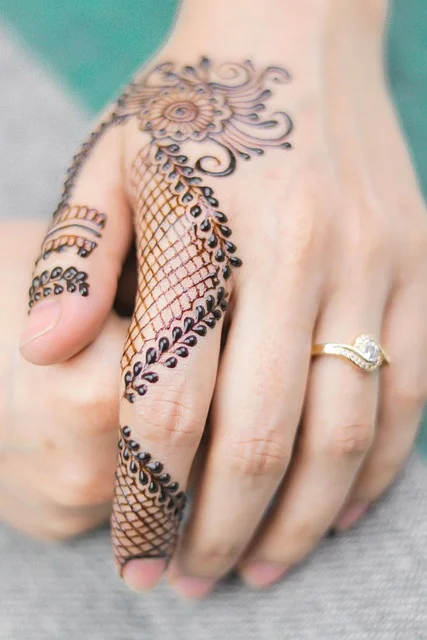
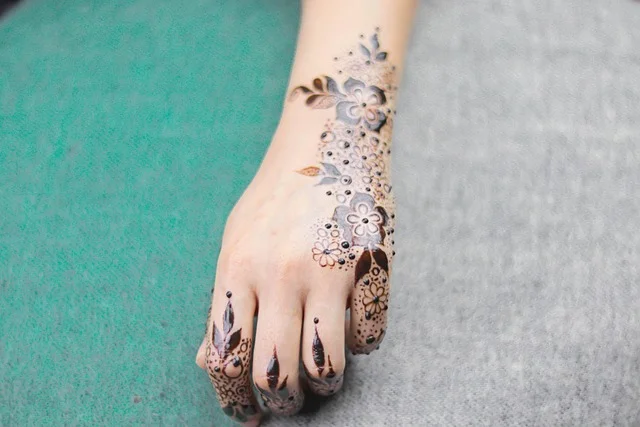
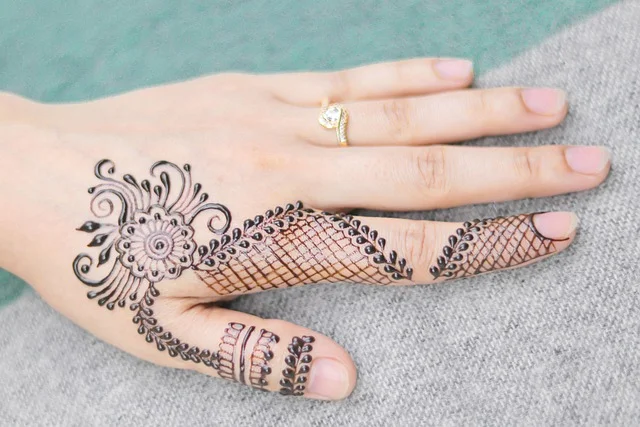
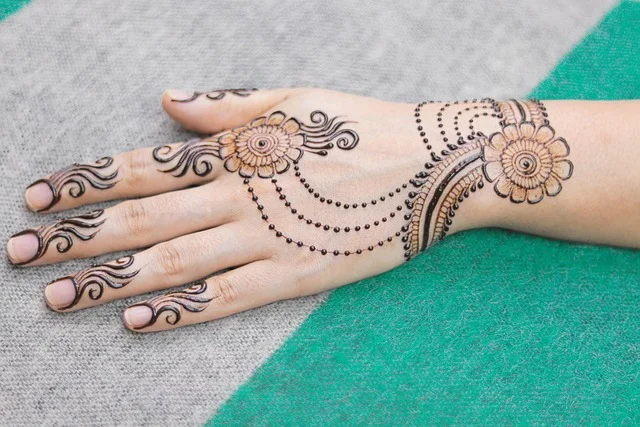

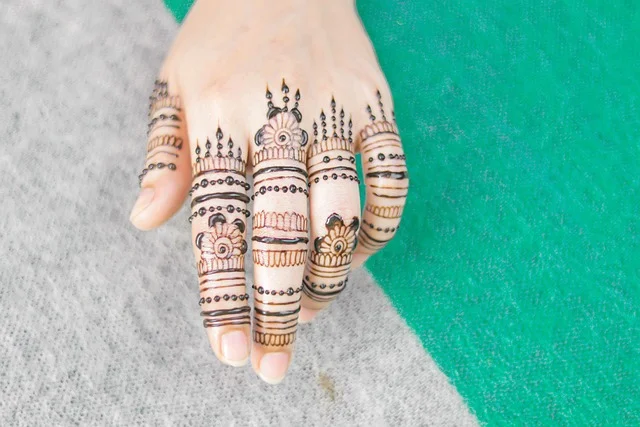
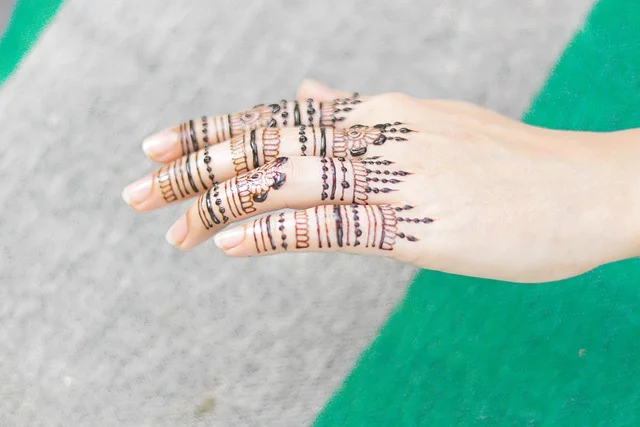
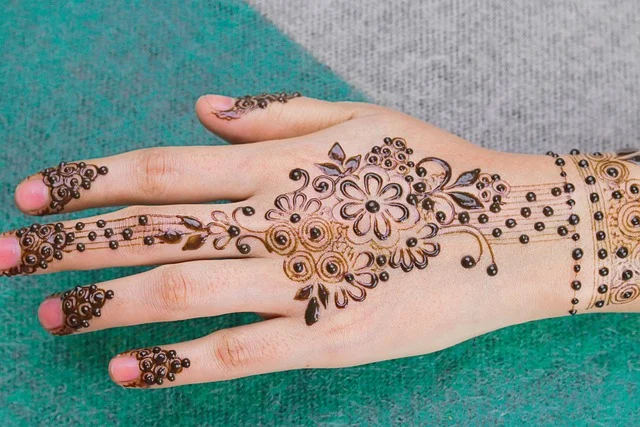
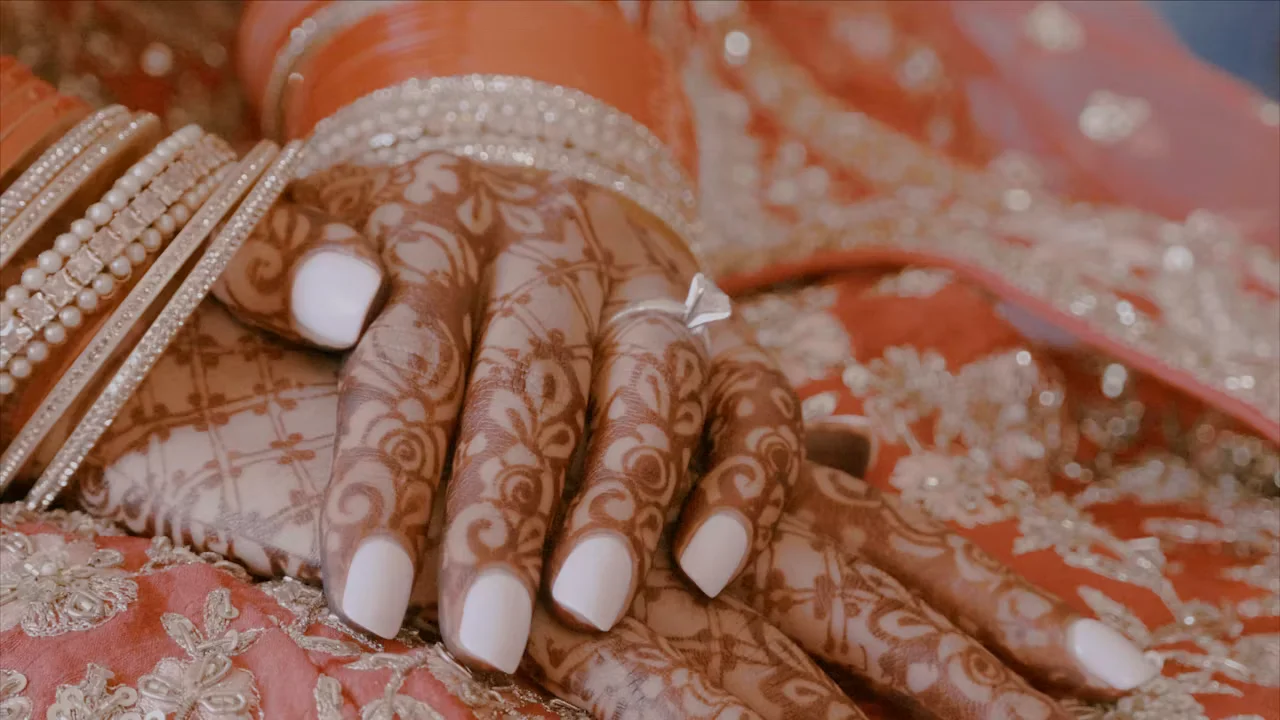
About this collection
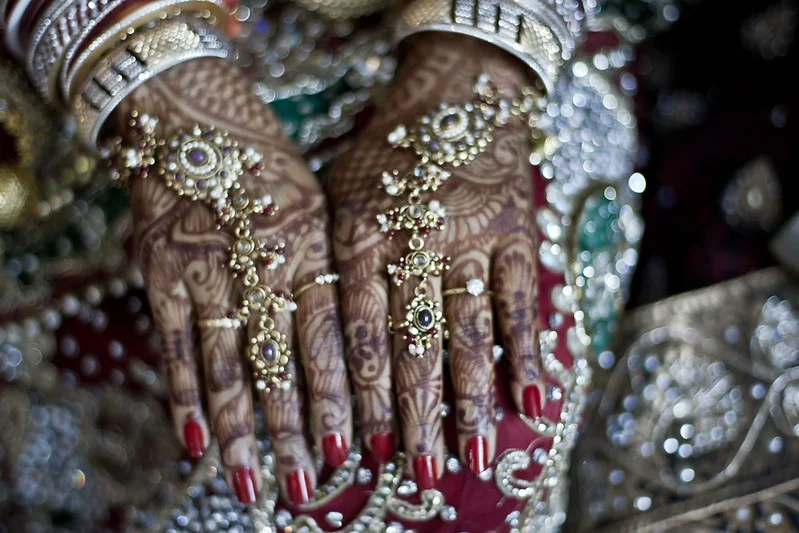
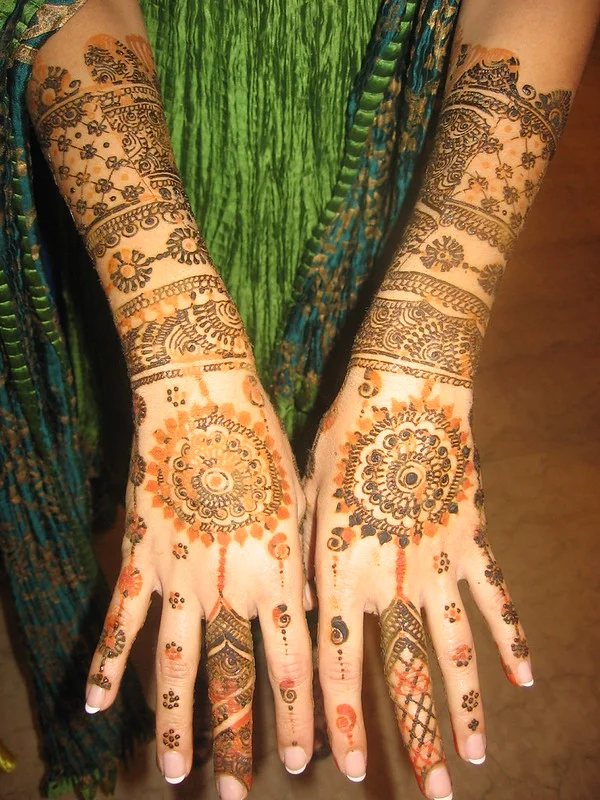
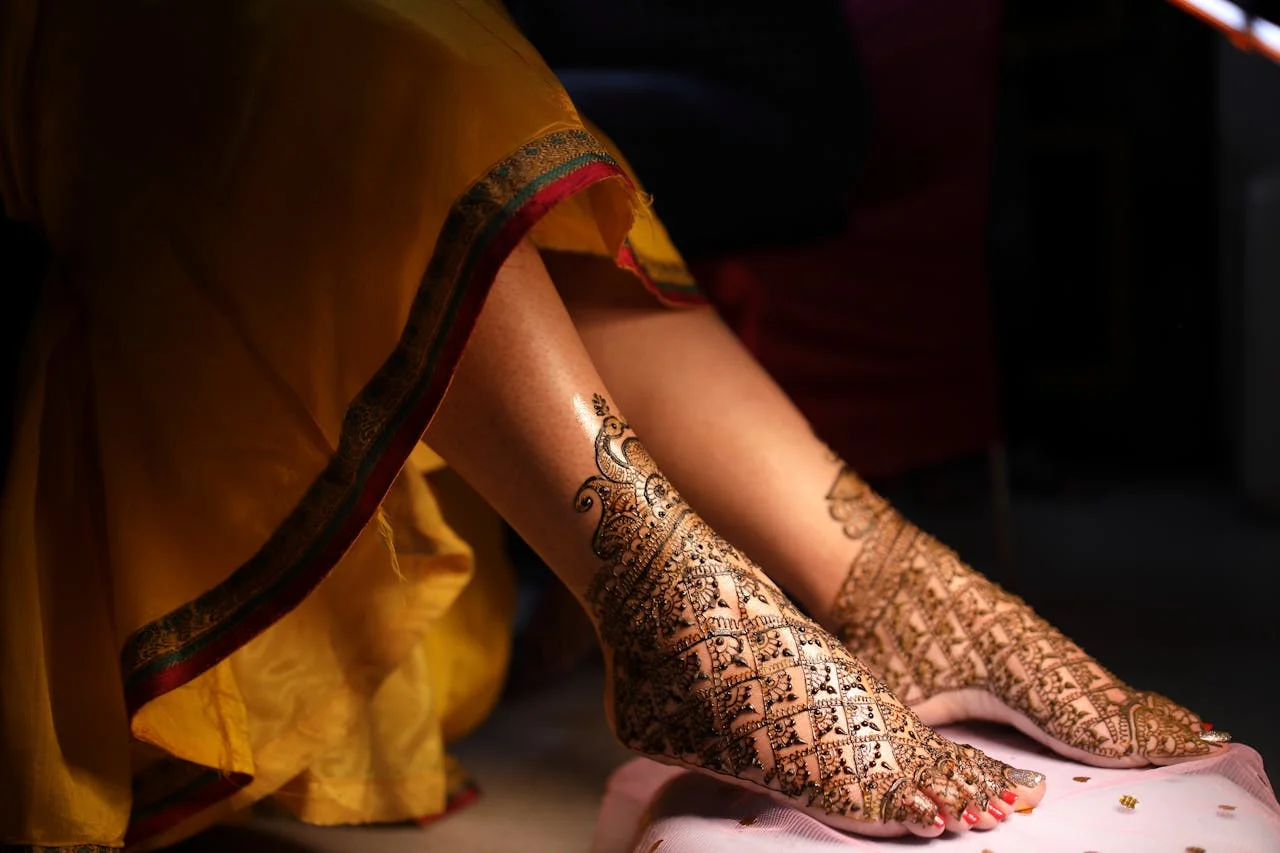
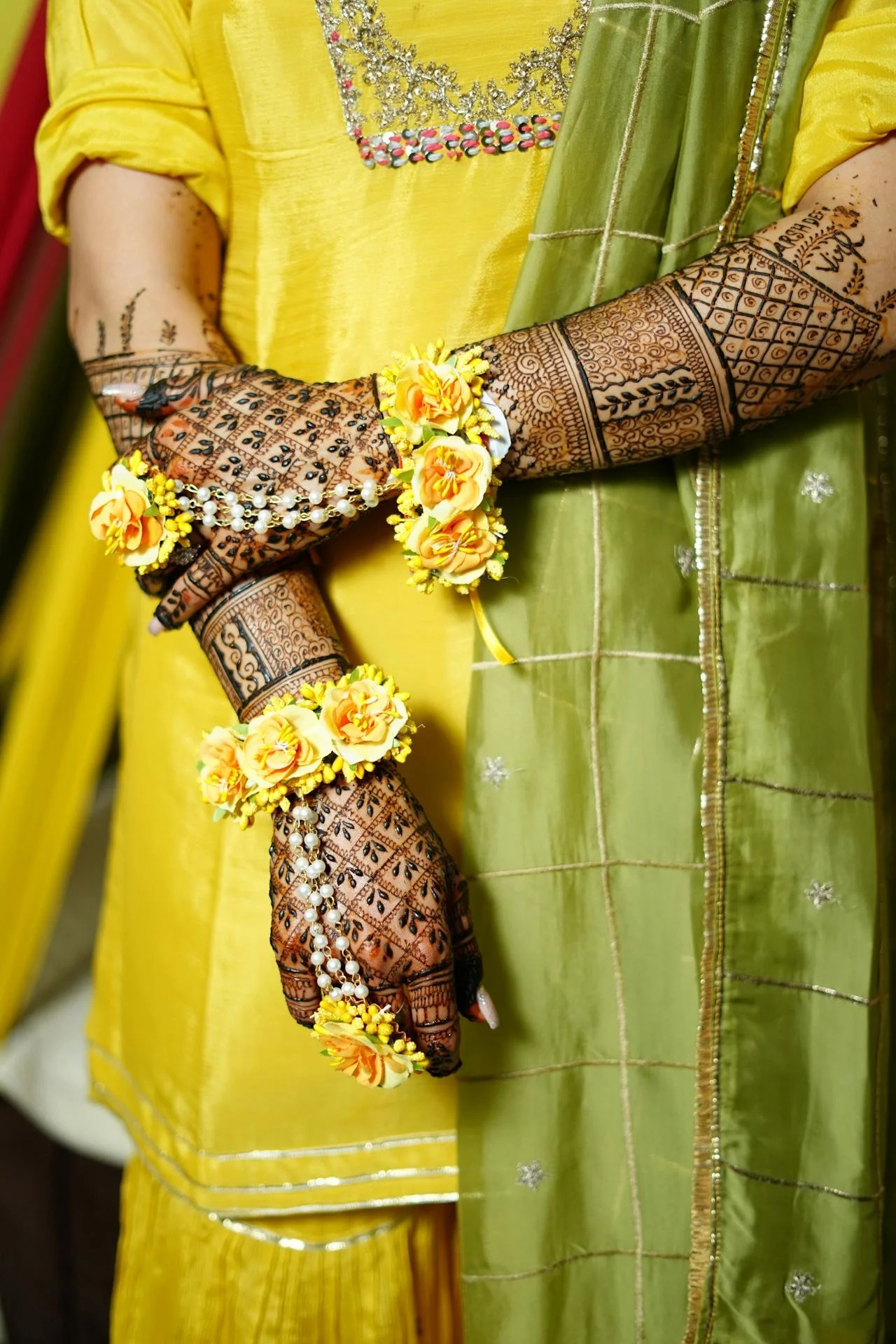
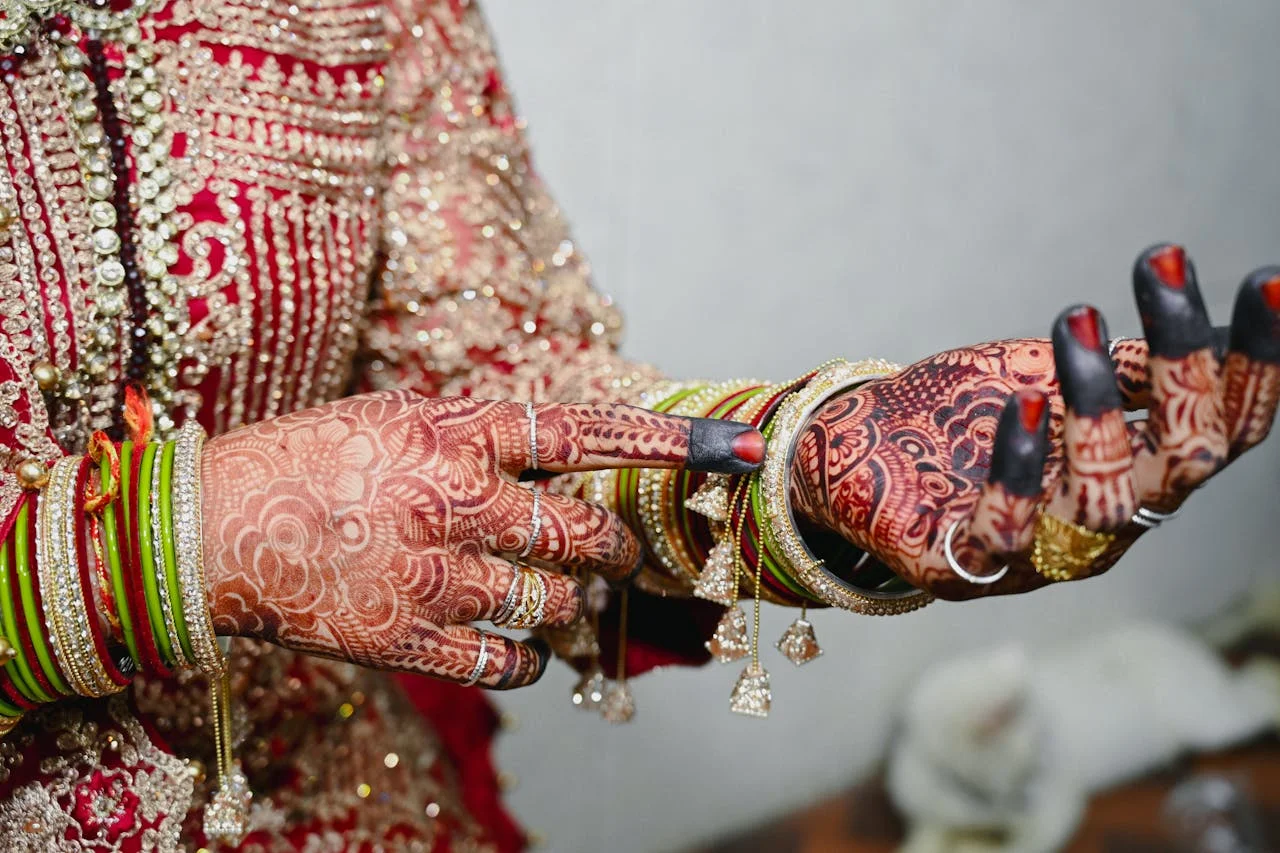
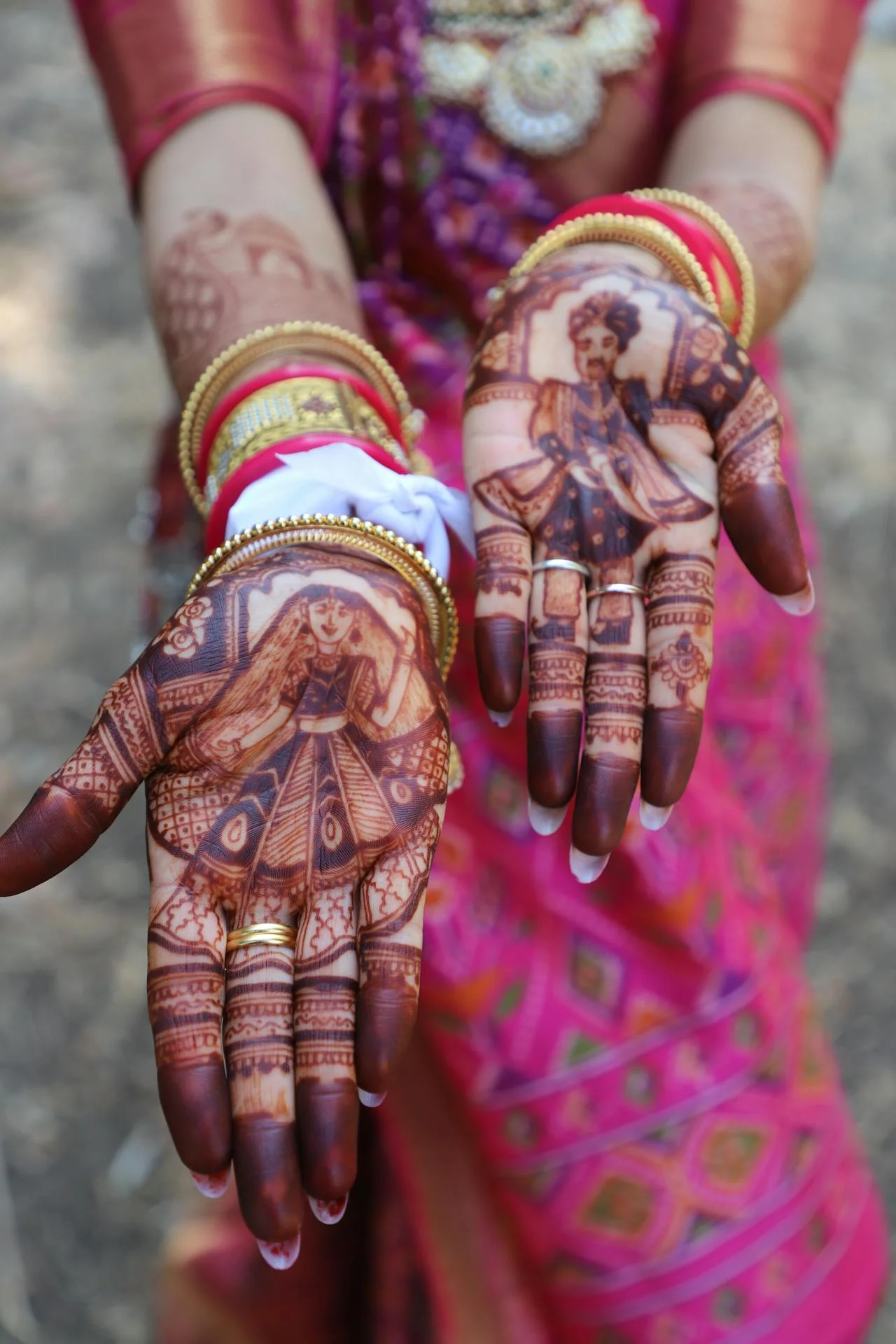
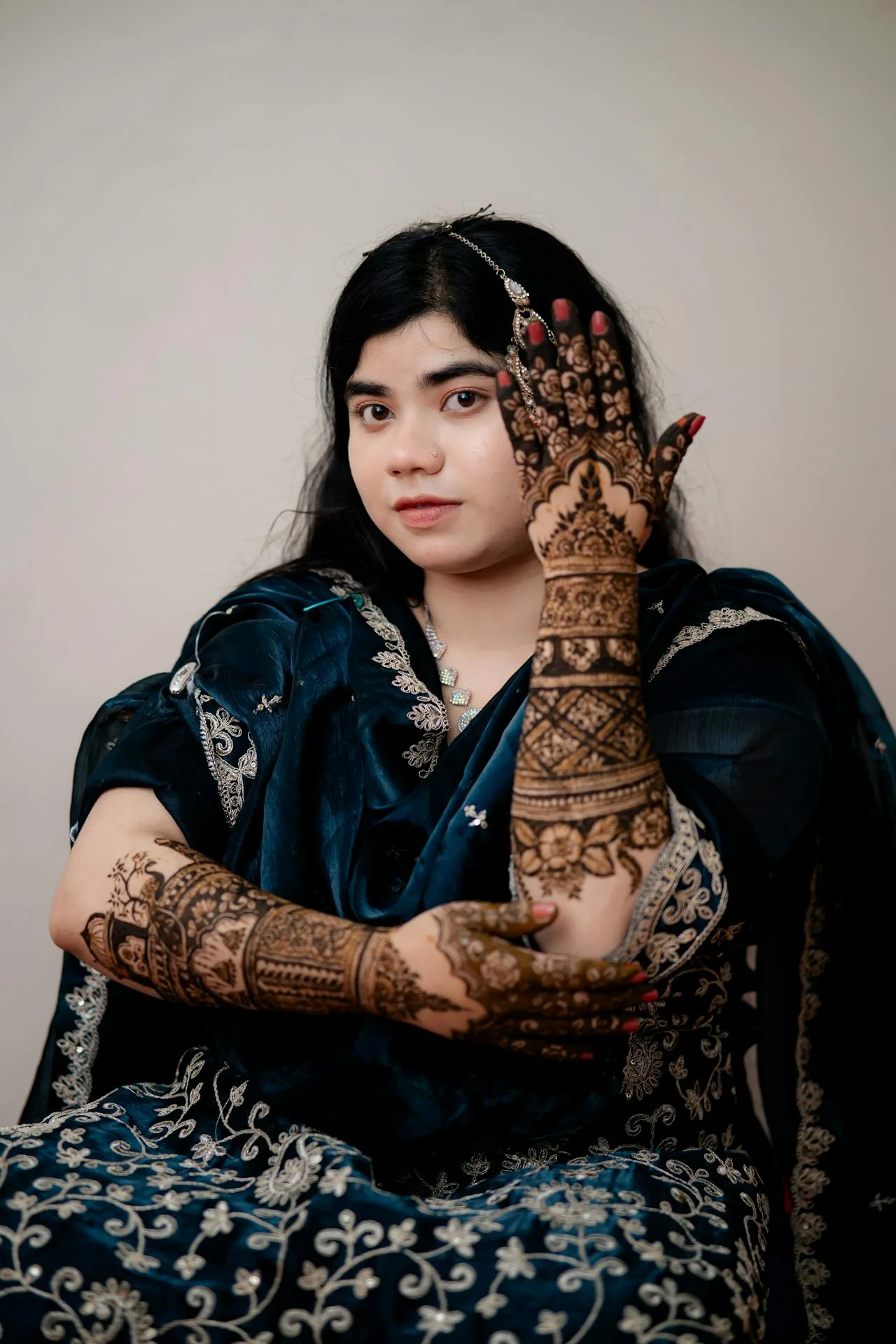
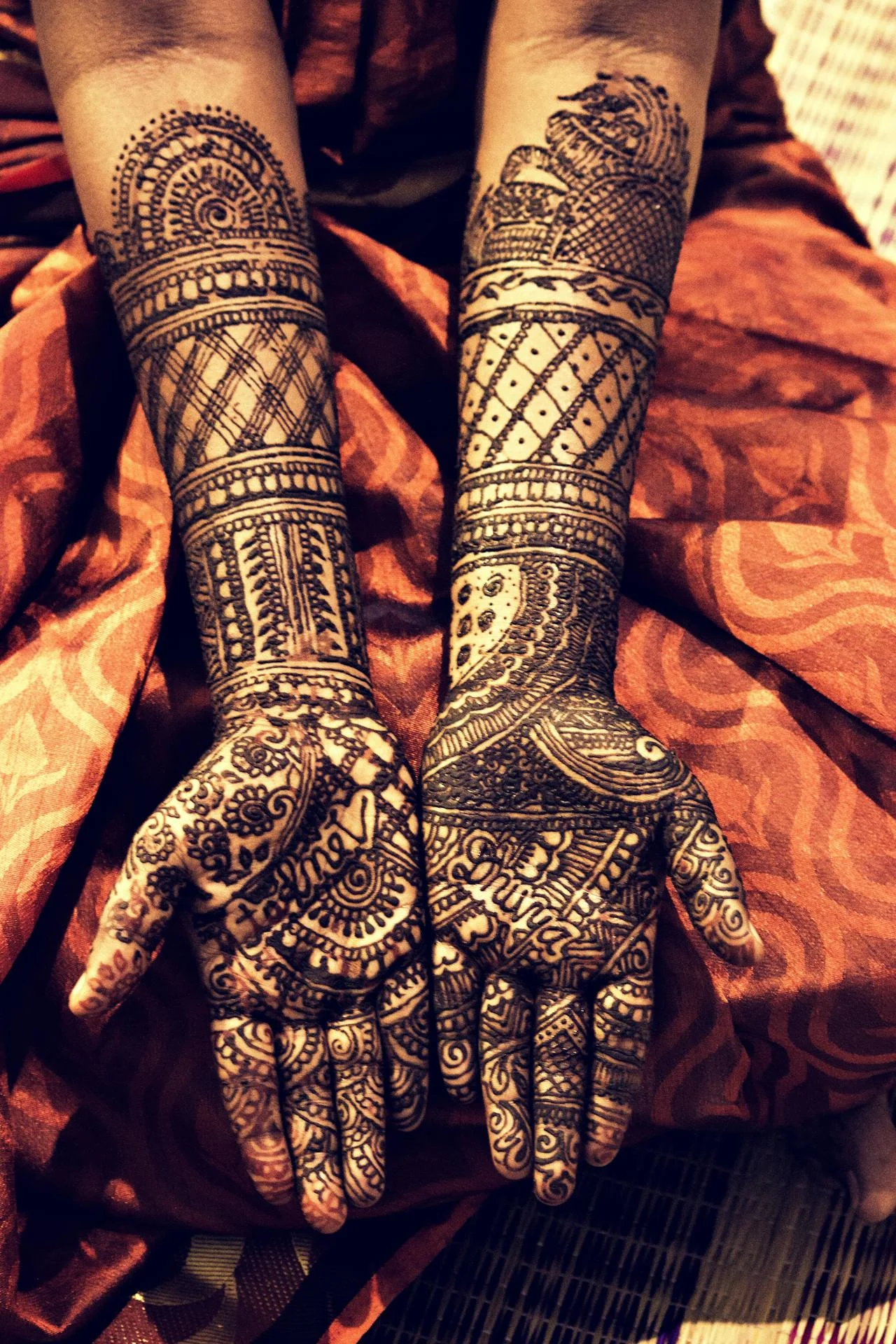
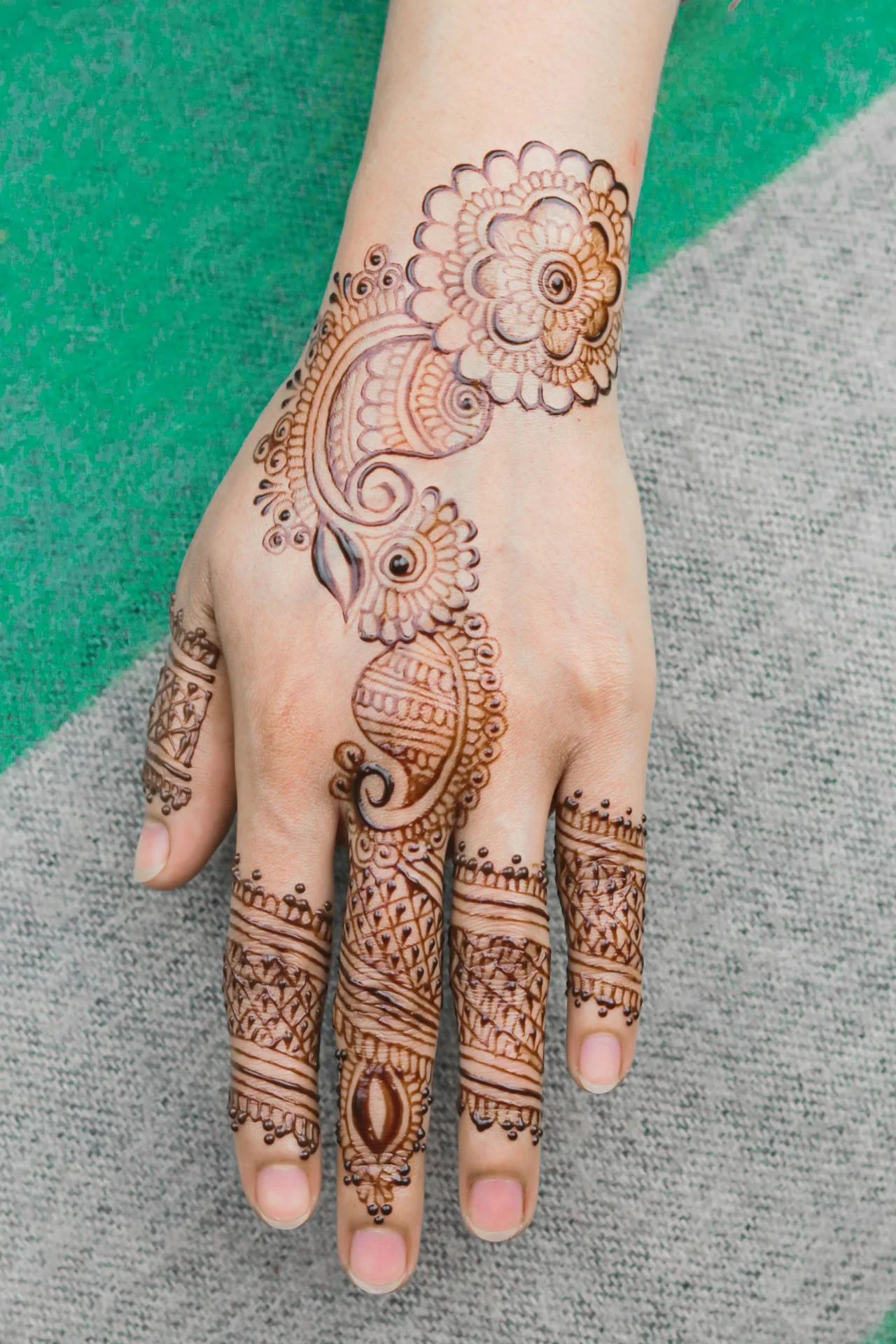
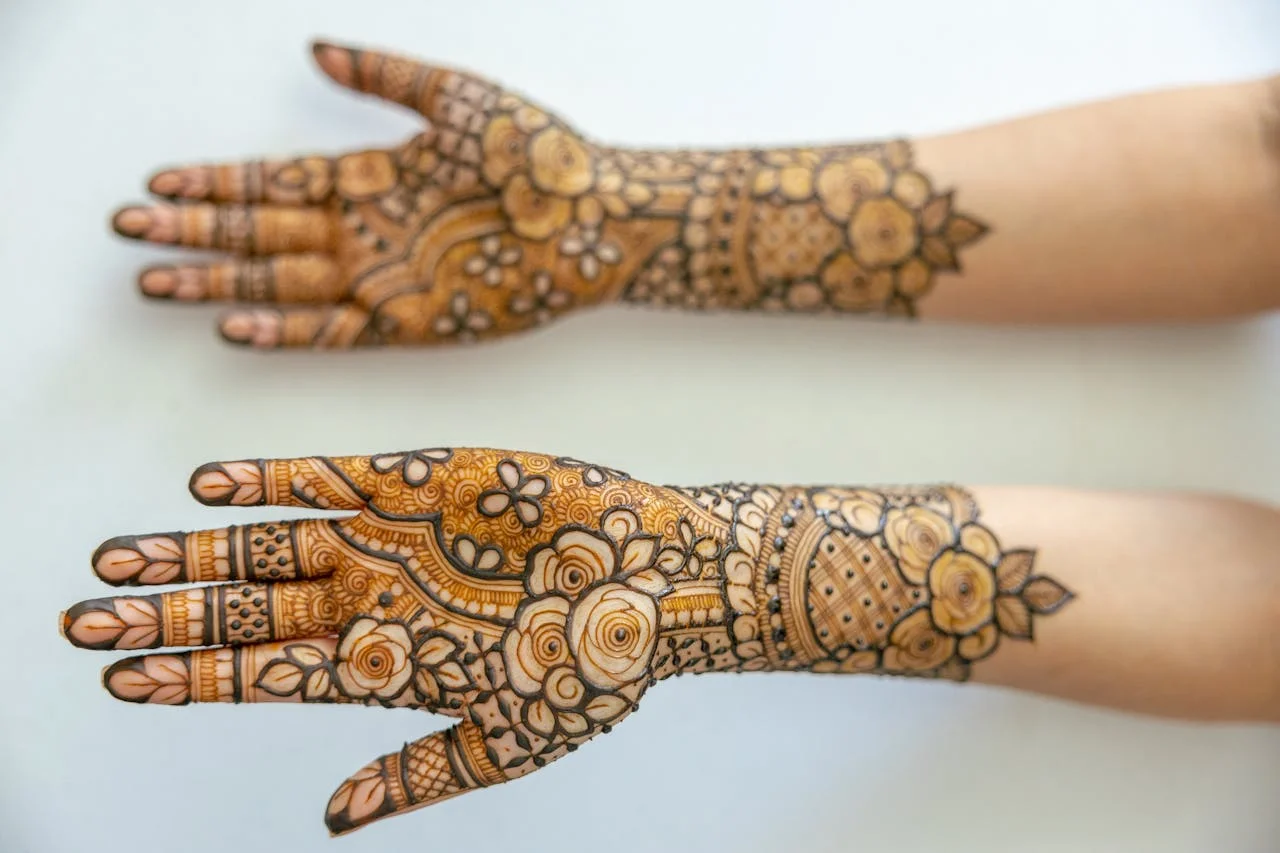
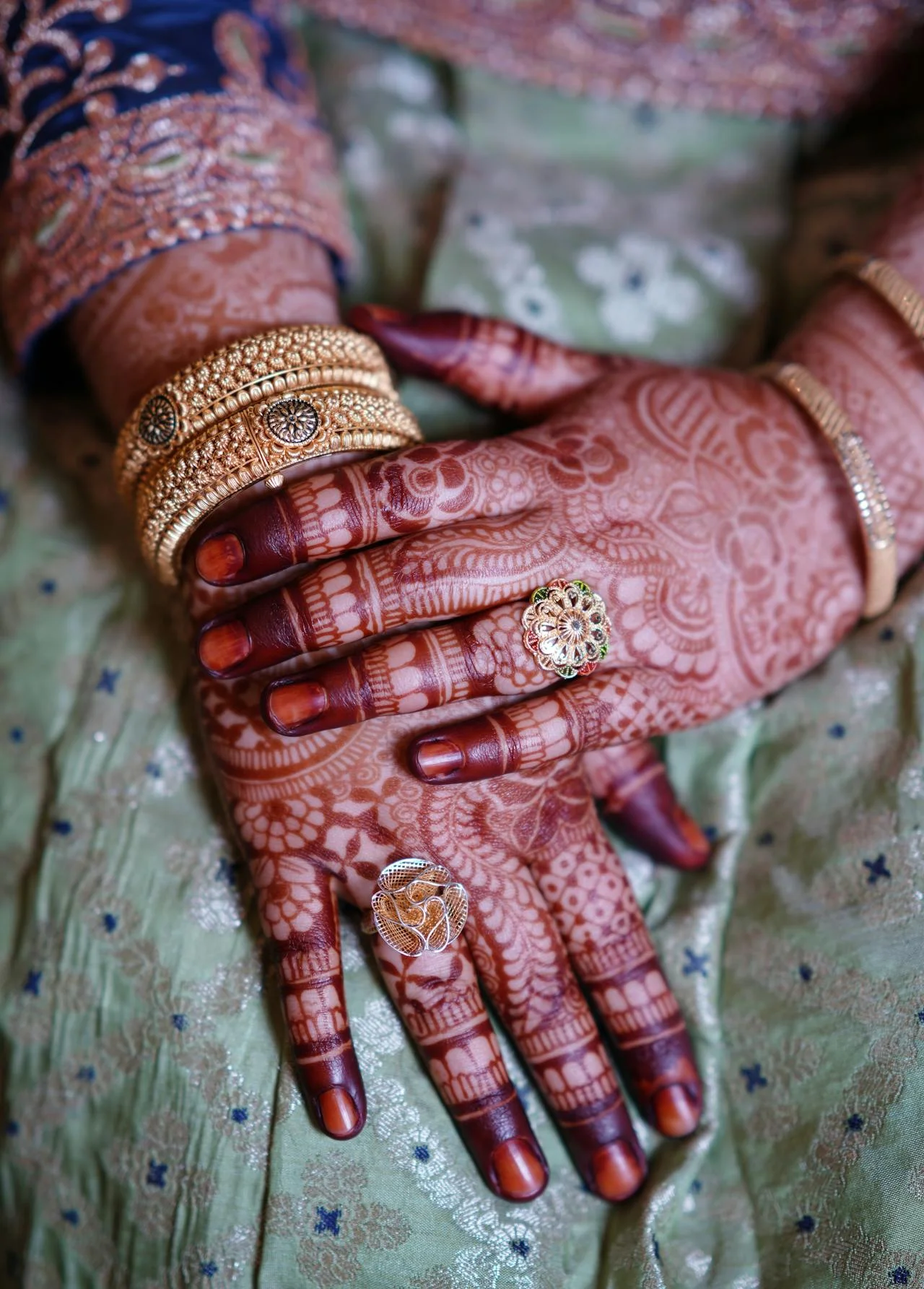
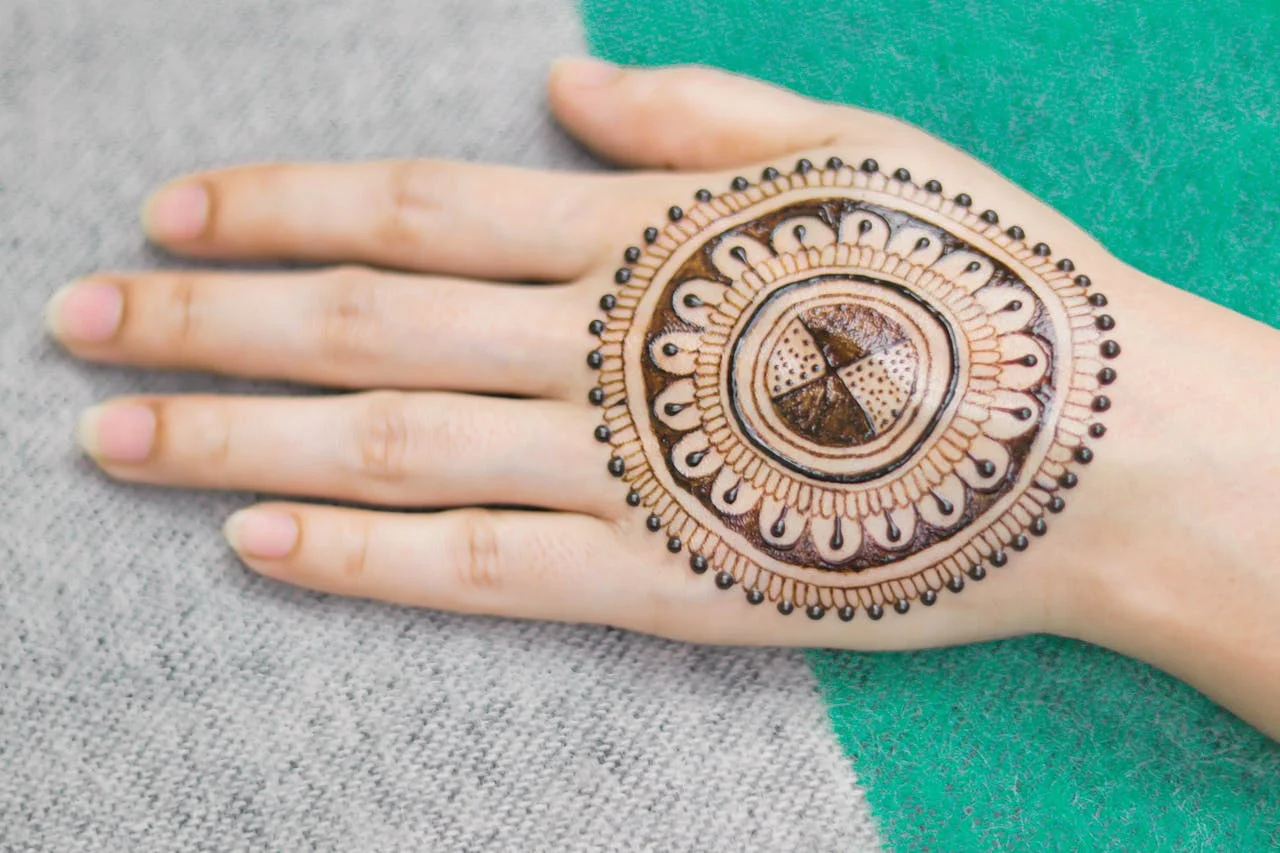
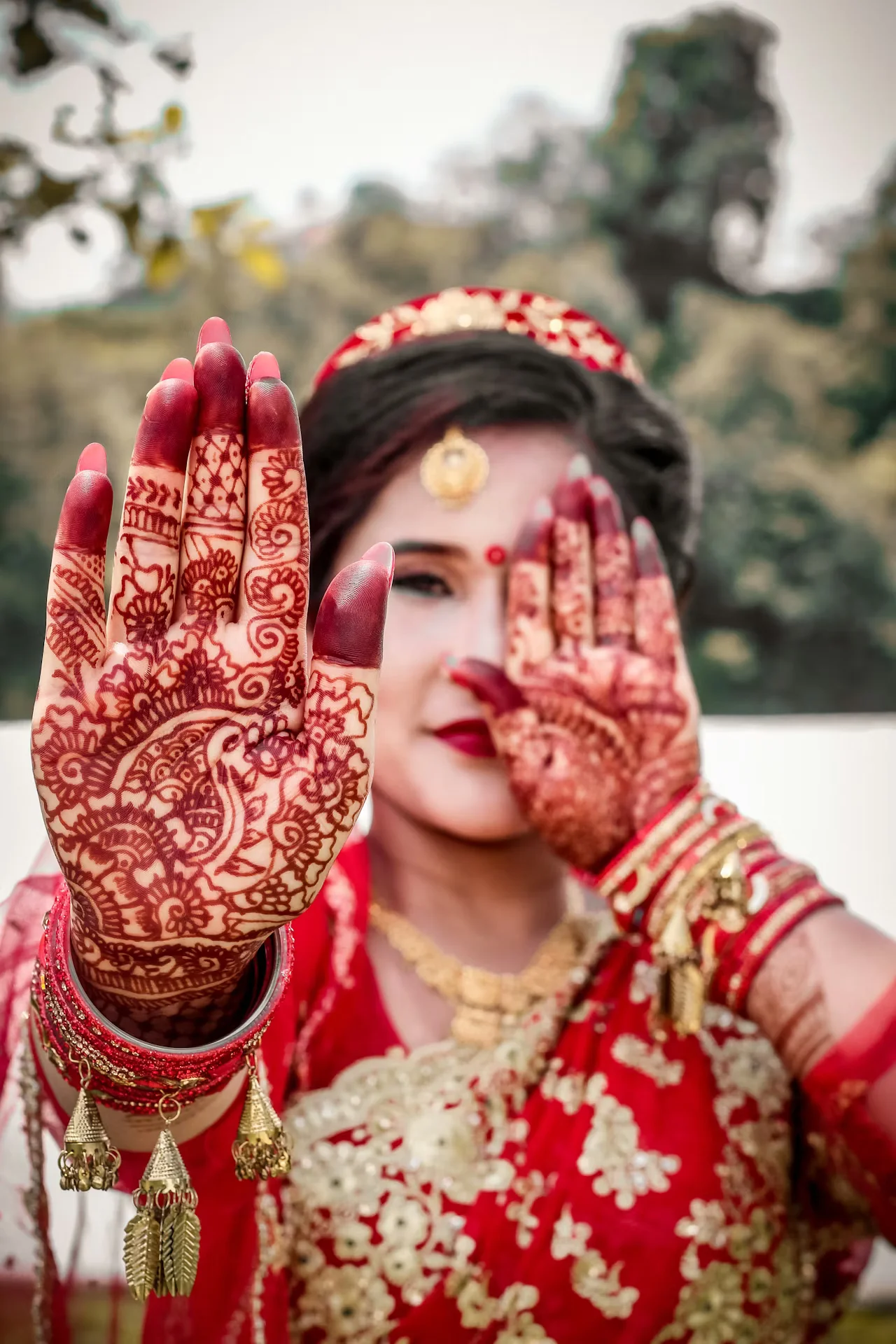
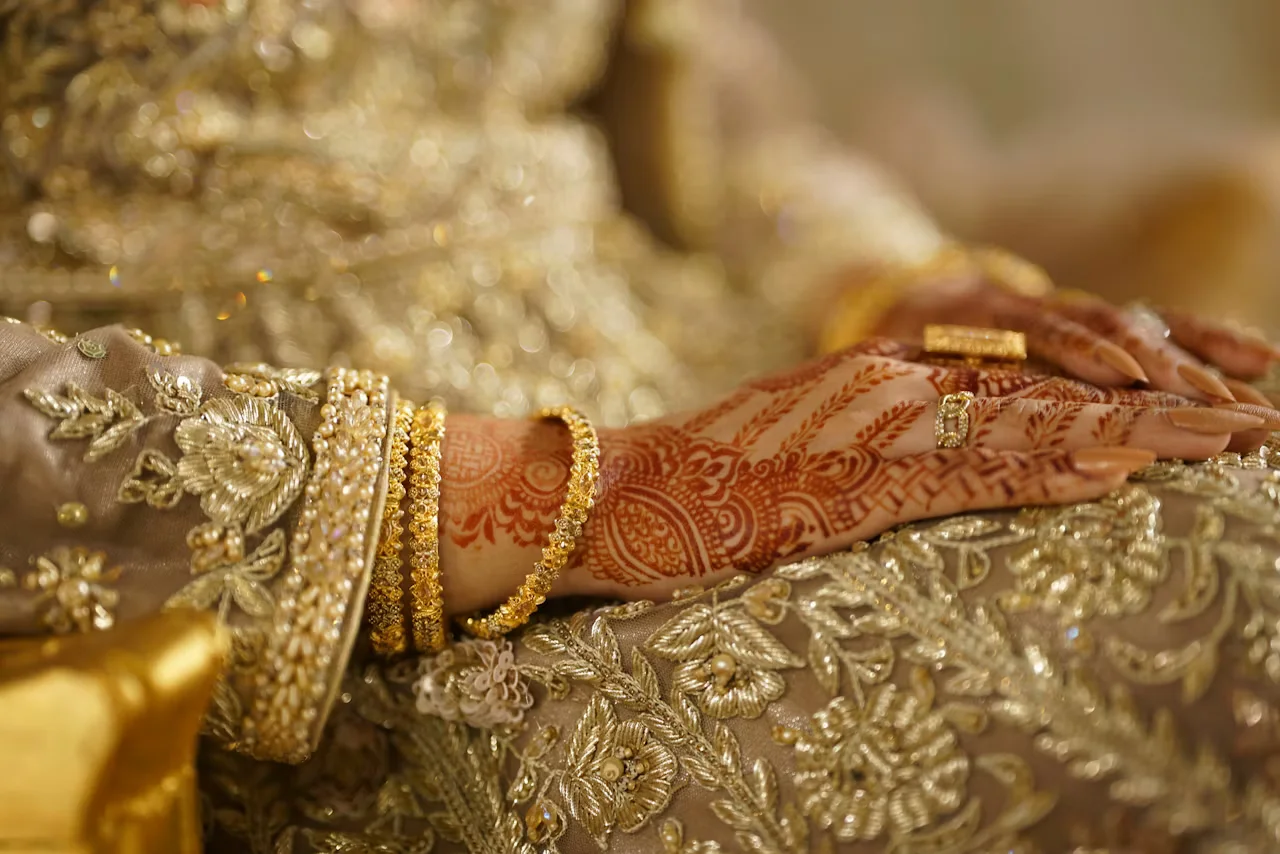
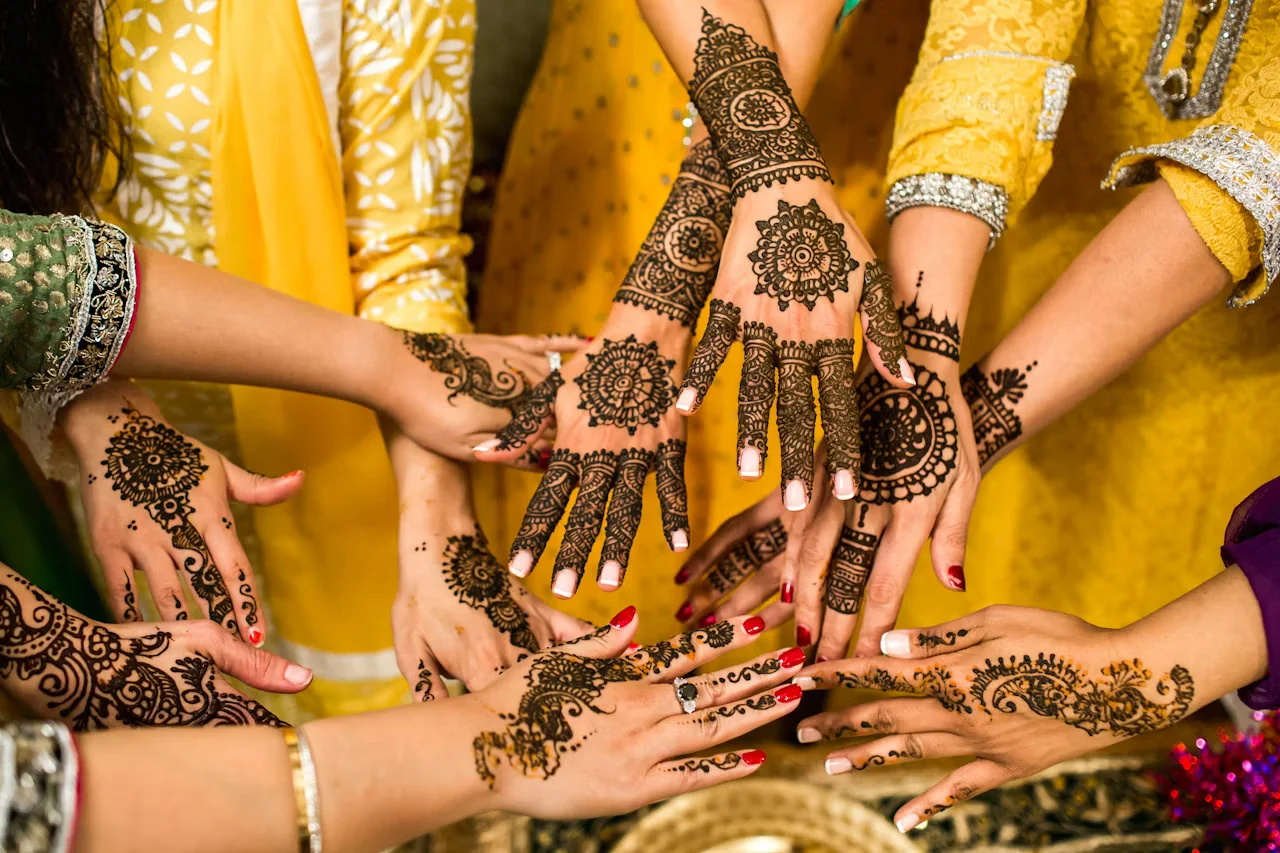
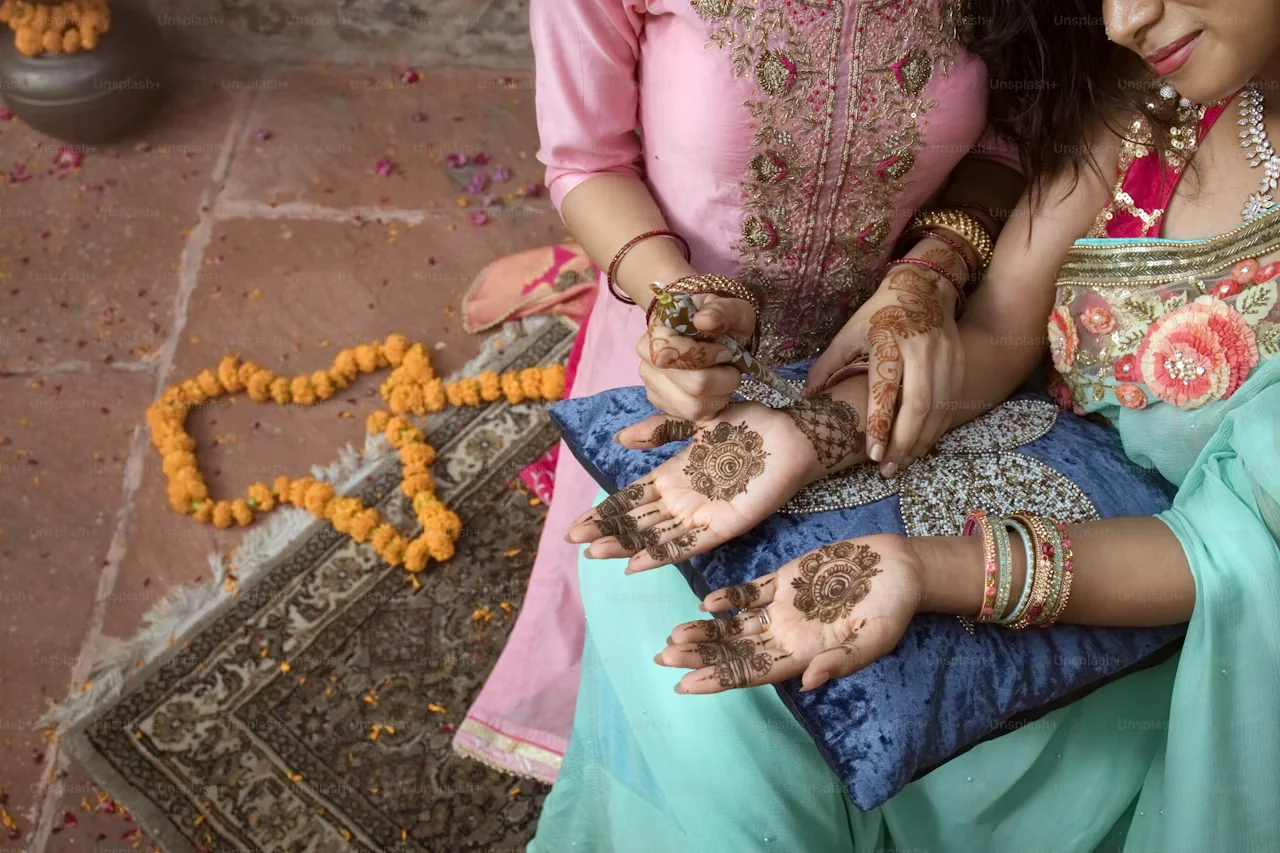
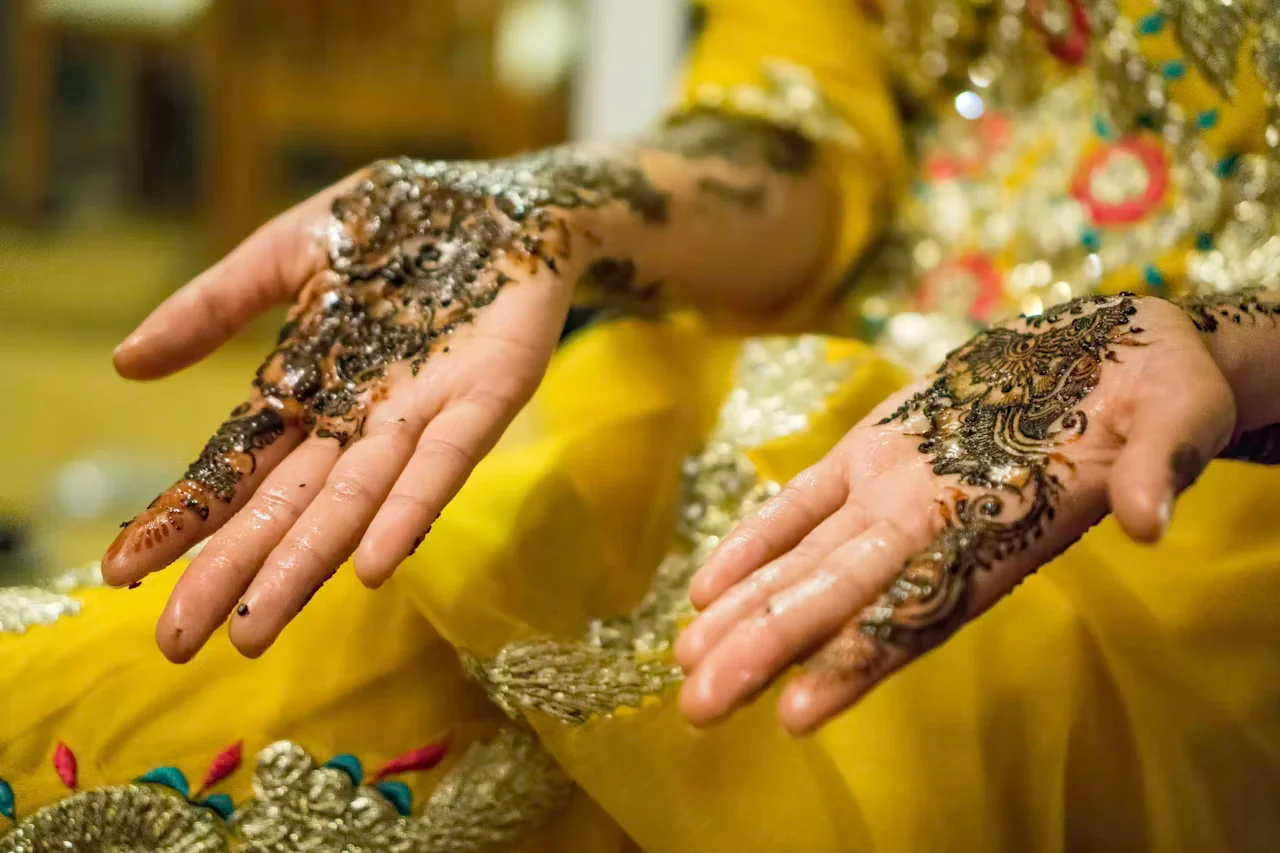
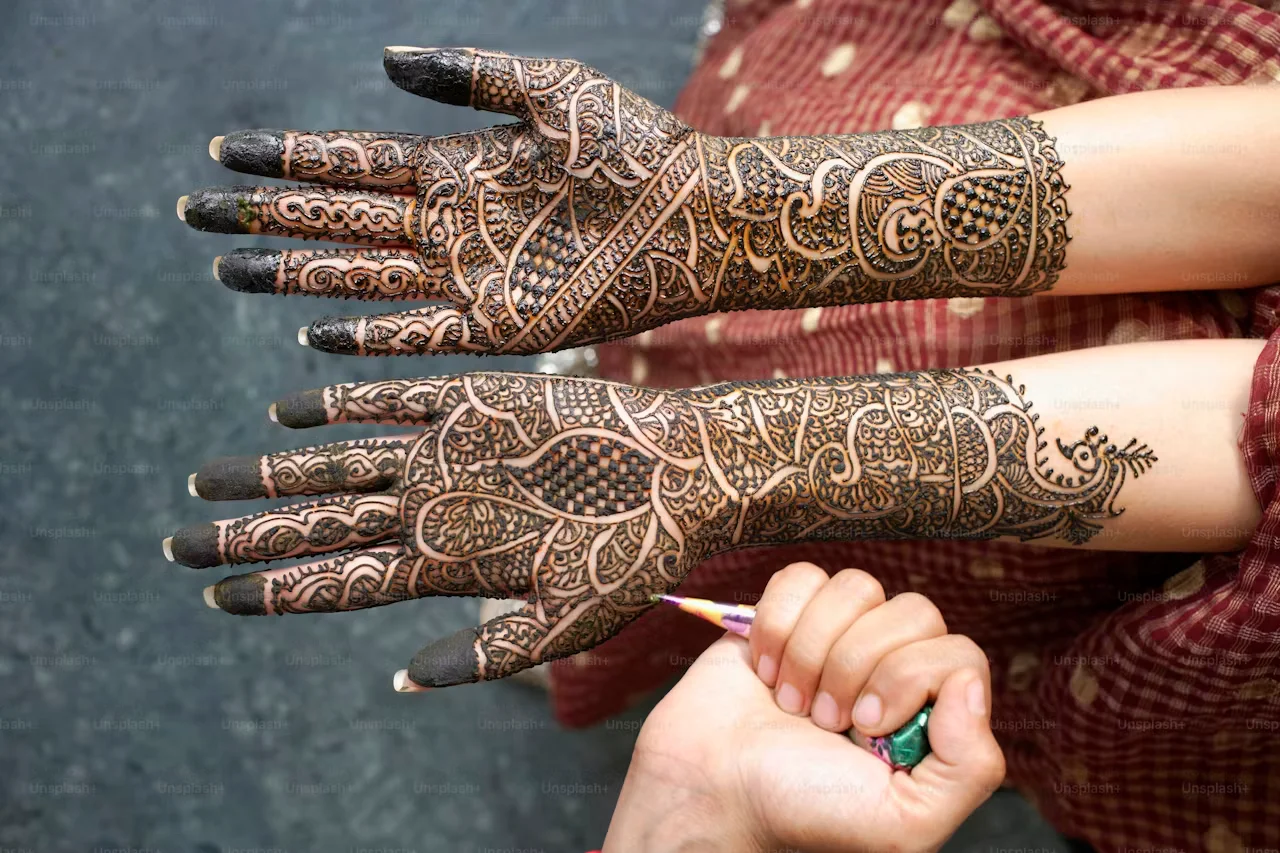
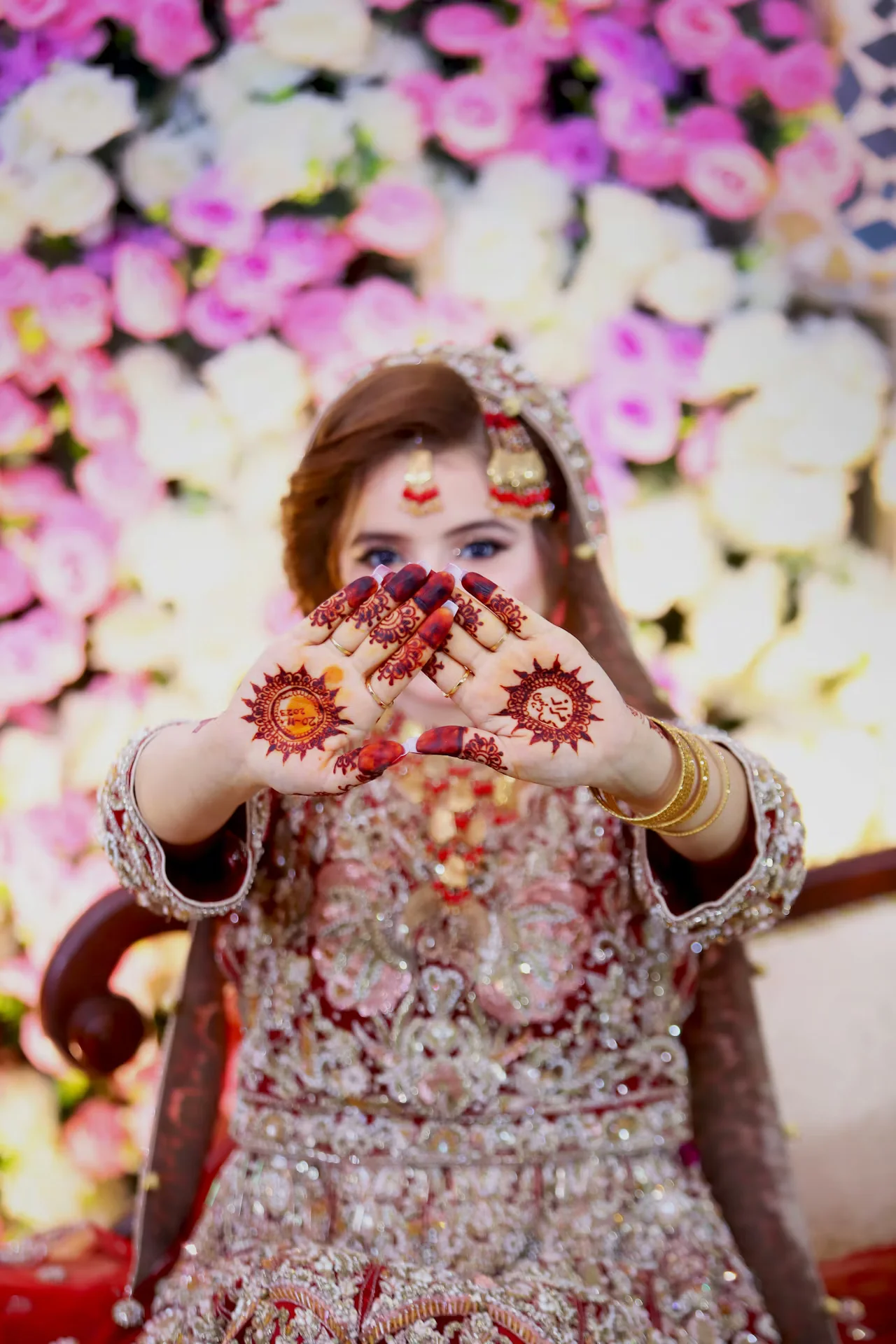
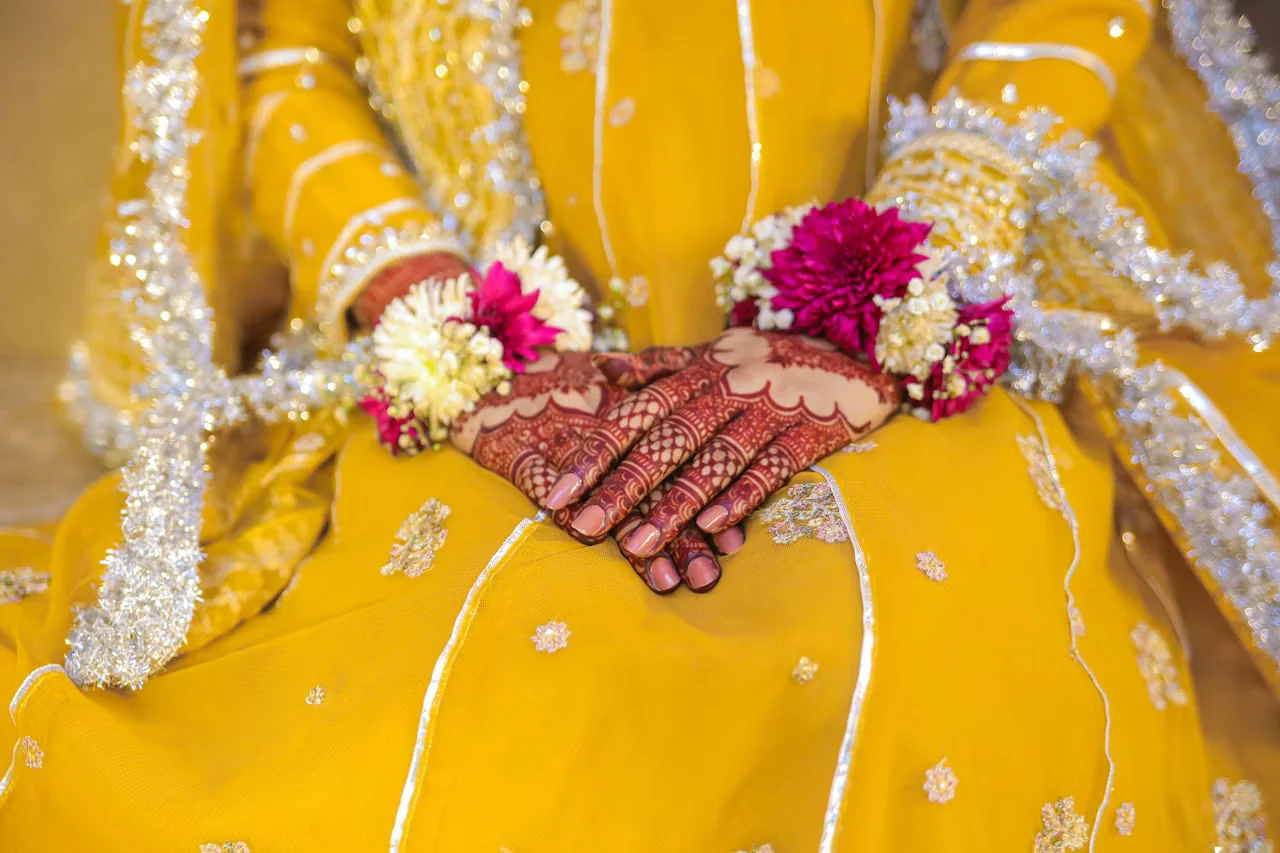
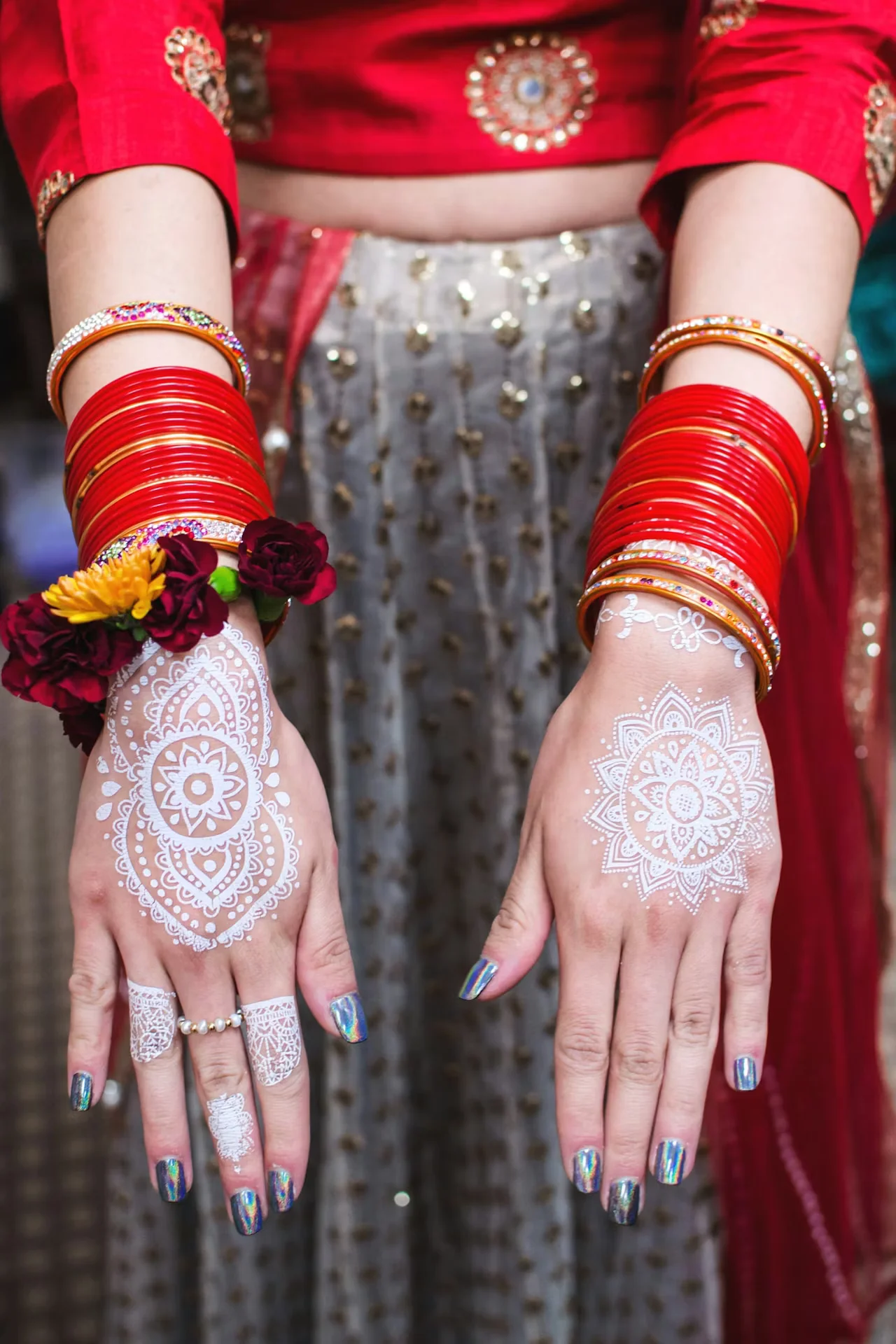
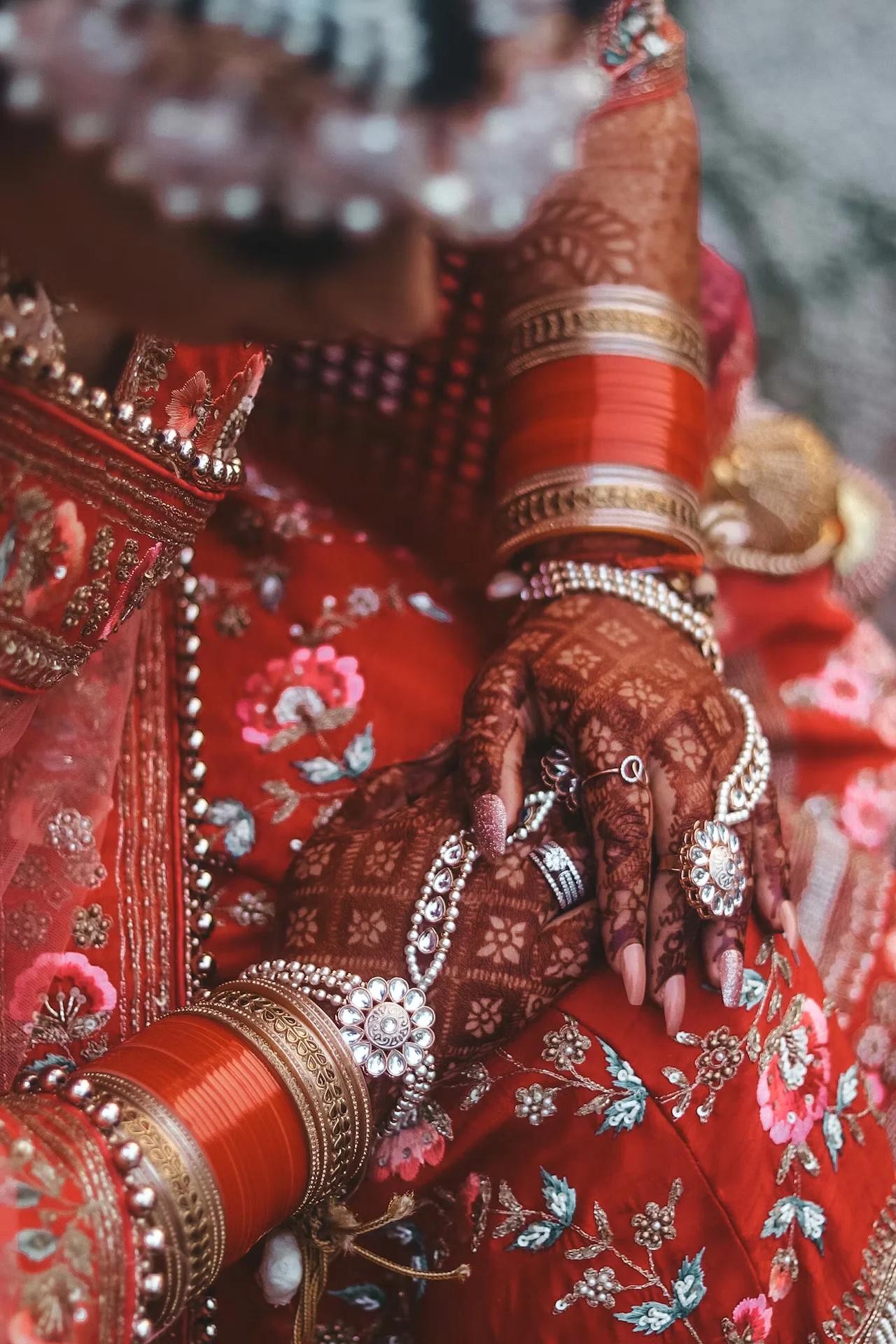
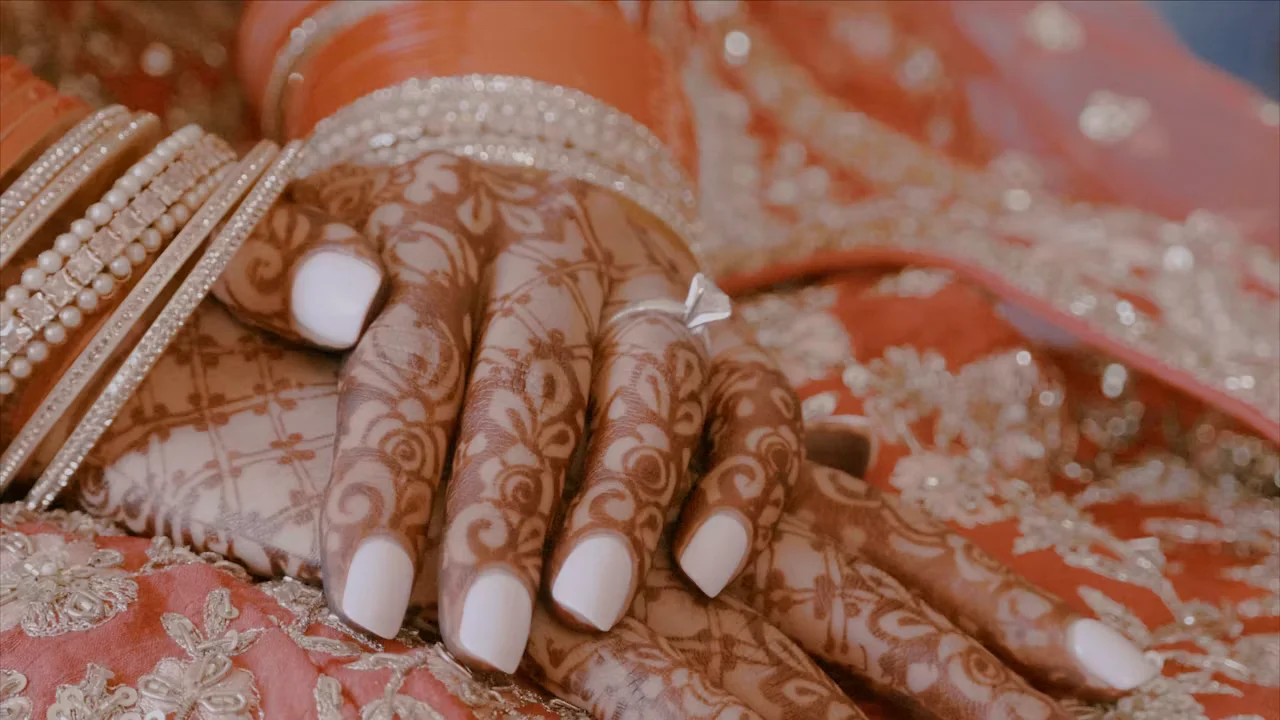
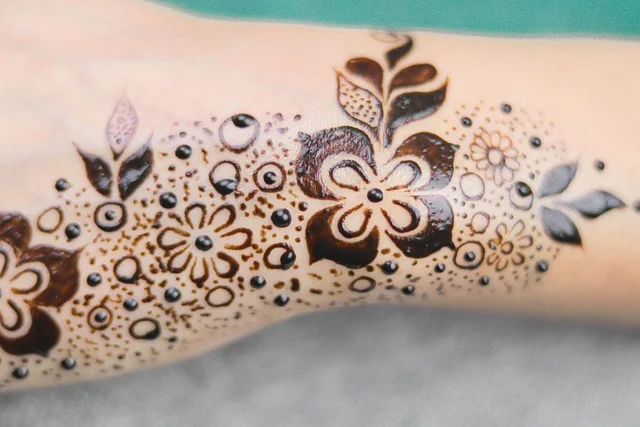
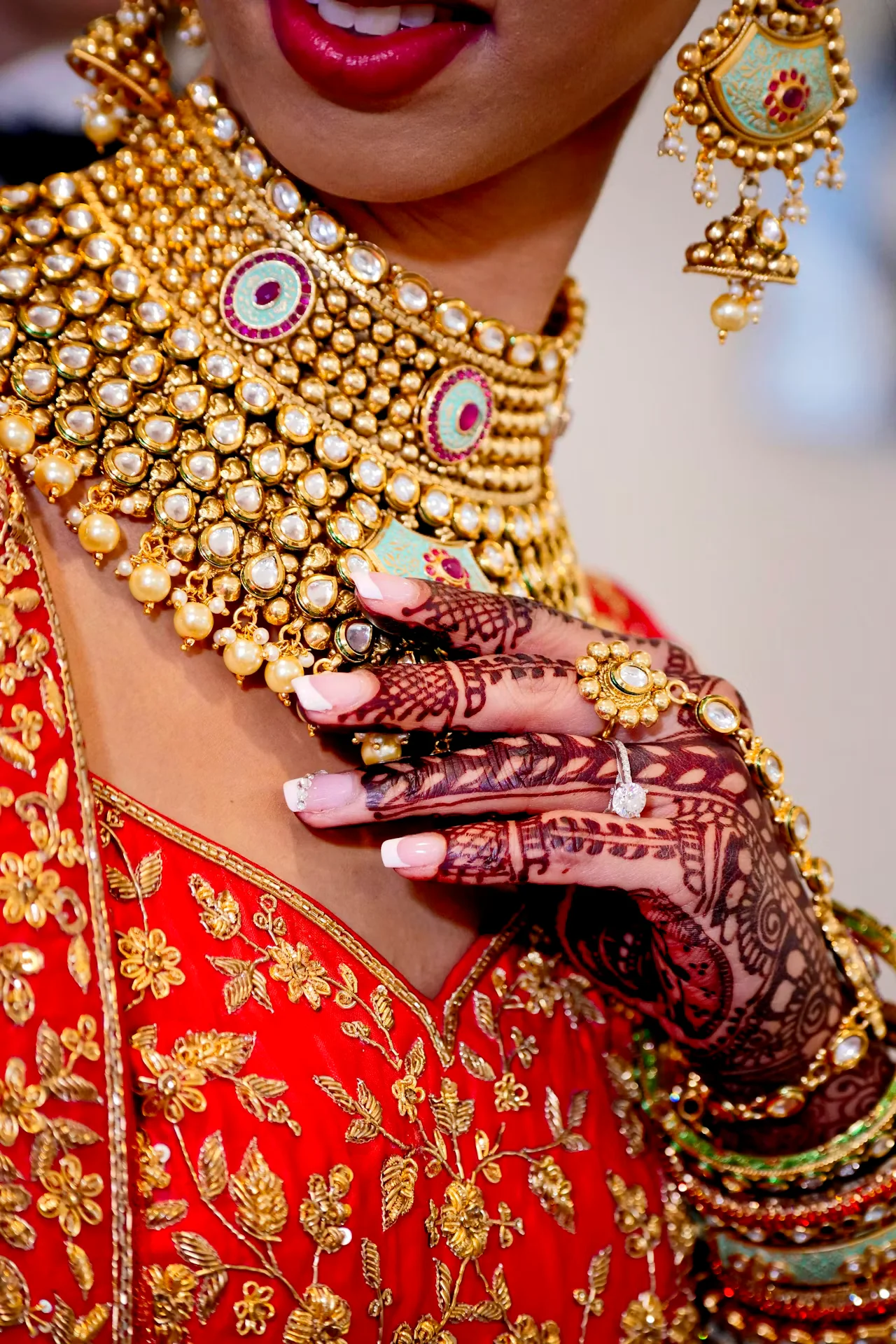
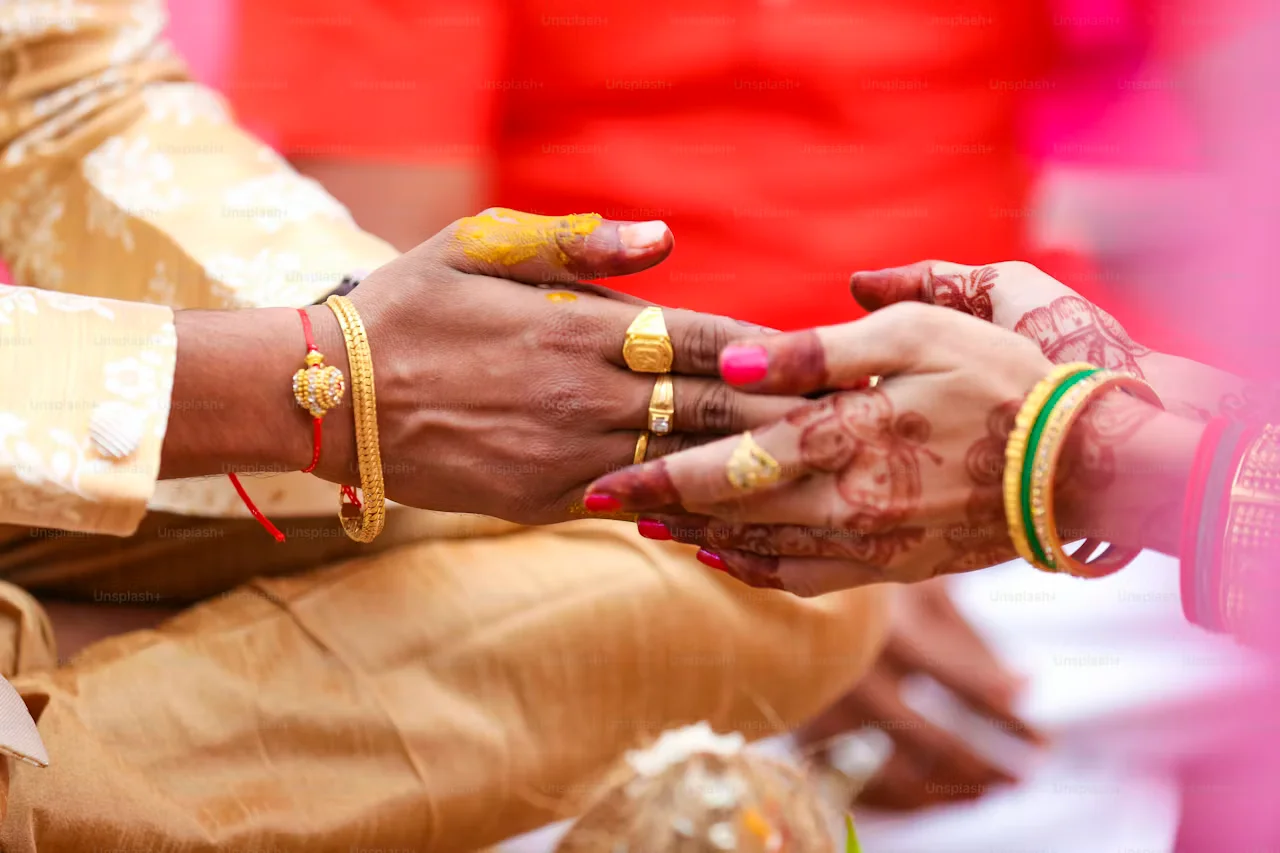
Bridal mehndi — also called dulhan mehndi, shaadi mehndi, or wedding mehndi design — is the full-coverage pattern worn for the wedding day itself. Typically wrist to fingertip on both hands and ankle to foot, with an application time of sixty to one-hundred-twenty minutes per hand. Tradition holds that the bride includes her partner’s name or initials hidden somewhere in the design — usually along a finger or tucked inside a central paisley — for the groom to find on the wedding night. Density, symmetry, and the inclusion of motifs that telegraph the bride’s home region (Rajasthani figures, Mughlai jaal, Pakistani khafif, Arabic roses) distinguish one bridal mehndi tradition from another.
The bride’s timeline
Six steps. Two days before, eight hours of setting, forty-eight hours of darkening — that’s when peak colour lands.
The artist arrives mid-morning. Both hands and both feet are applied — usually four to six hours total. The bride sits with paste through the rest of the day, fed and entertained by family.
Once the paste has dried fully (about thirty minutes after application), it’s sealed with a lemon-sugar dab to keep it pliable. The bride sleeps with the paste on, hands wrapped loosely in cotton or tissue.
The dried paste flakes off with a butter knife or rubbed off with oil — never water. Stain at this point is bright orange. It will deepen for the next forty-eight hours.
Hold the hands above a pan of warming cloves for two to three minutes. The heat draws colour into the upper layers of skin. Repeat with the feet. This is the single biggest darkening intervention.
Stain is now deep maroon to near-black on palm-side skin, terracotta-brown on the back of the hands. The peak window is roughly four days; the bride’s photographs land squarely inside it.
Skip soap with lemon, hot water, and exfoliants for the first week. Coconut oil applied every morning slows the fade. The stain remains visible for two to three weeks before the design begins to break up.
A full bridal pattern — wrist to fingertip on both hands plus ankle to foot — runs four to six hours start to finish. Hands alone are sixty to ninety minutes per side; feet add another forty-five to sixty minutes per side. Book the artist for the morning and let the paste set overnight.
Two days before the wedding. The colour deepens for forty-eight hours after the paste comes off, so applying on the mehndi-night ceremony (one to two days before the wedding) means peak stain on the wedding day itself.
A long-standing North Indian tradition — the groom is meant to find his initials or name woven into the pattern on the wedding night. It’s a playful first task and a quiet promise of attention. The artist usually tucks the letters into a paisley or along the fingers.
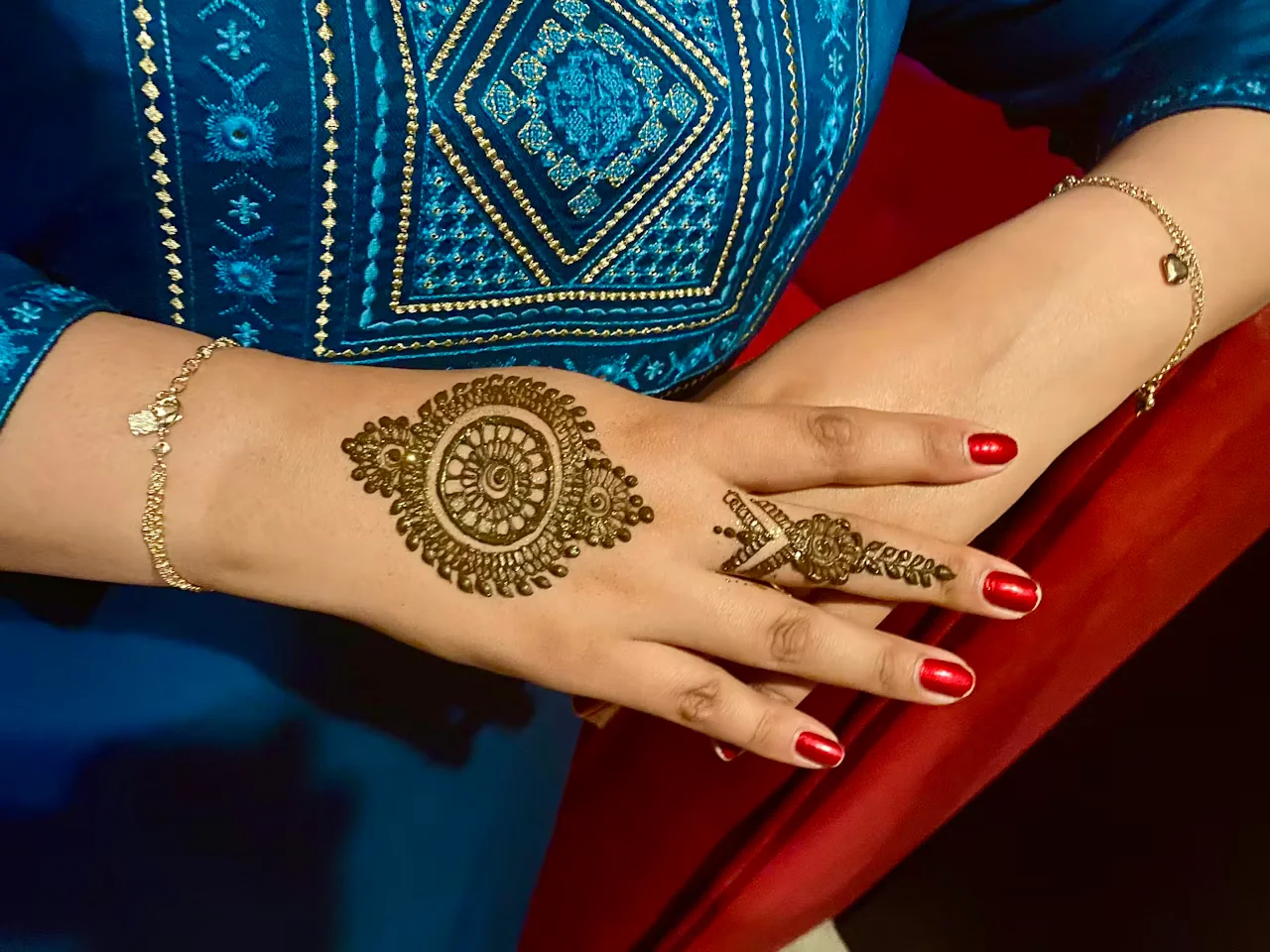
Sangeet mehndi is lighter — typically a half-hand or front-hand-only design that takes thirty to sixty minutes, designed to photograph well during the dance. Bridal mehndi is full-coverage and reserved for the wedding day itself.
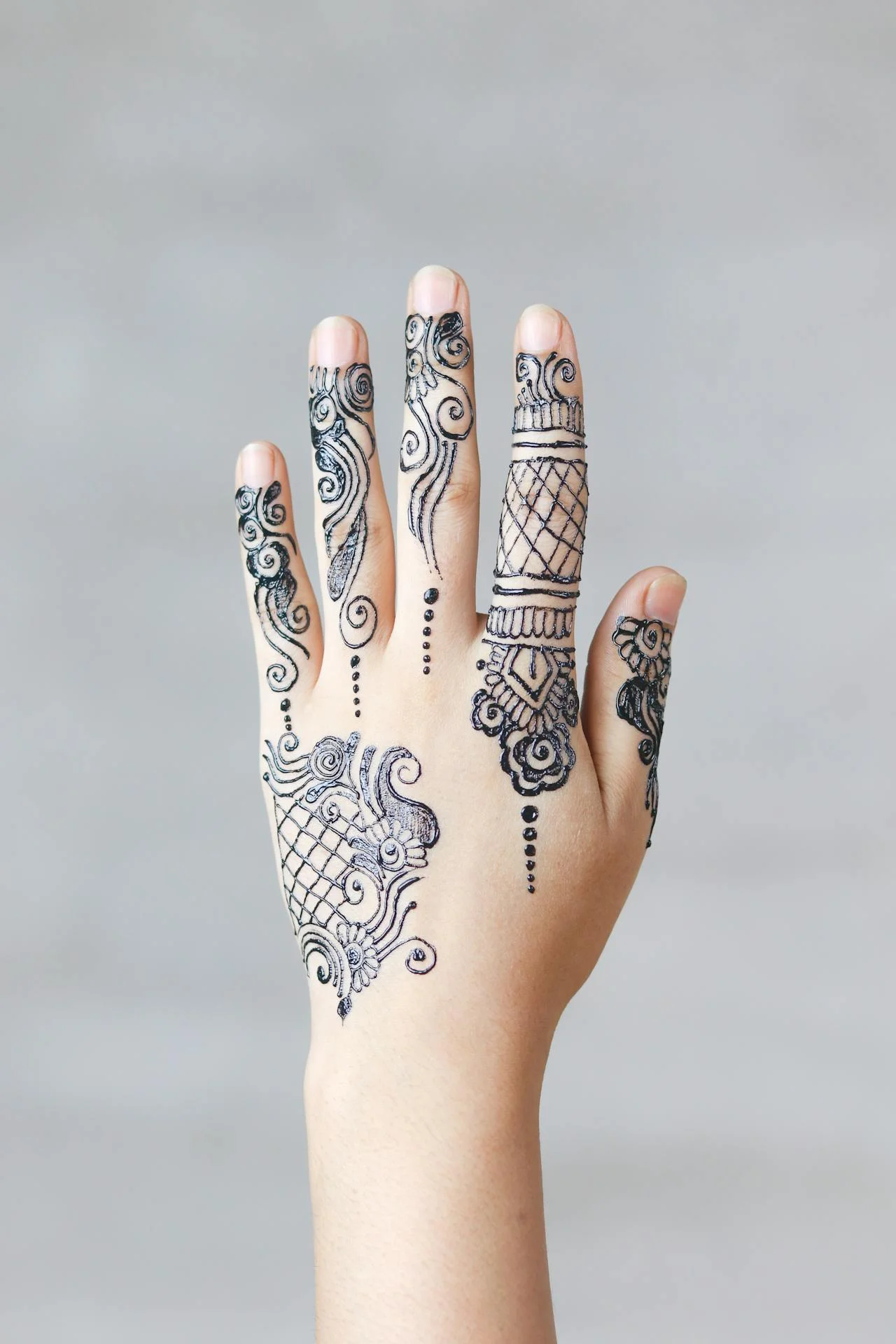
Indian bridal — dense paisley, mandala wrist anchor, jaal fingers, the most coverage. Mughlai — geometric symmetry, formal repetition. Rajasthani — figurative panels (bride, groom, baraat scenes). Arabic — bolder strokes, more negative space, faster to apply. The choice usually follows the bride’s home region.
Leave the paste on for at least eight hours, ideally overnight. Skip moisturiser and any soaps with lemon for forty-eight hours after scraping. Stay out of water for the first day. Sealed with a clove-steam (a few cloves on a hot pan, hold the hands above the rising heat) the morning of the wedding, the stain darkens noticeably.