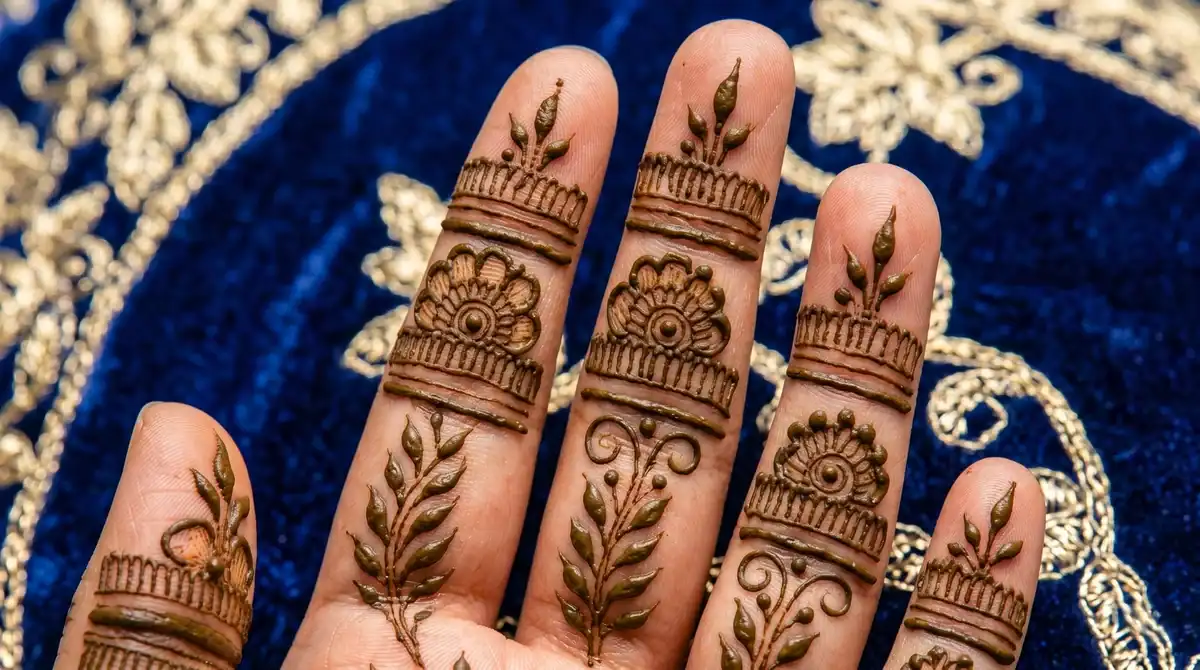
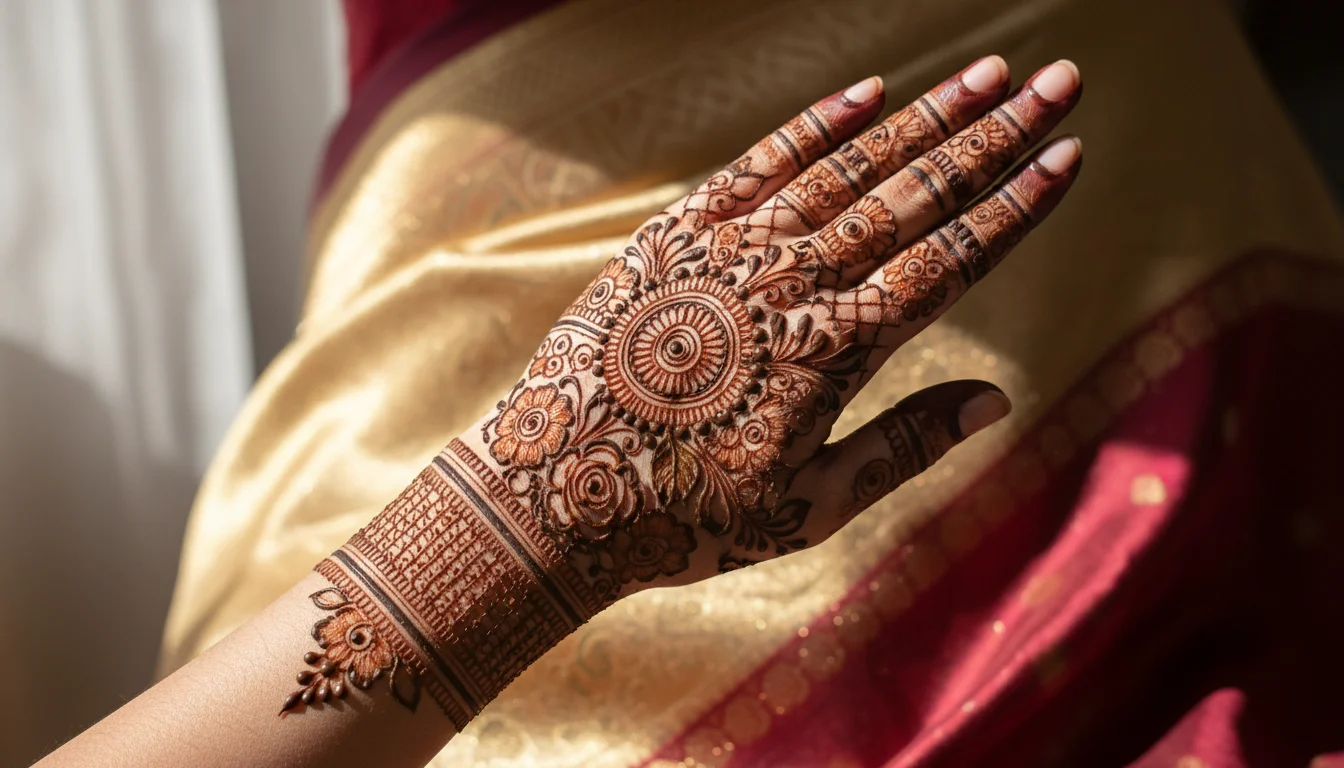
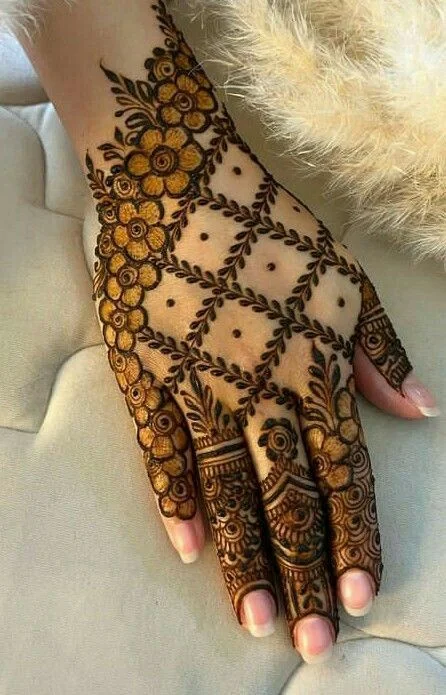
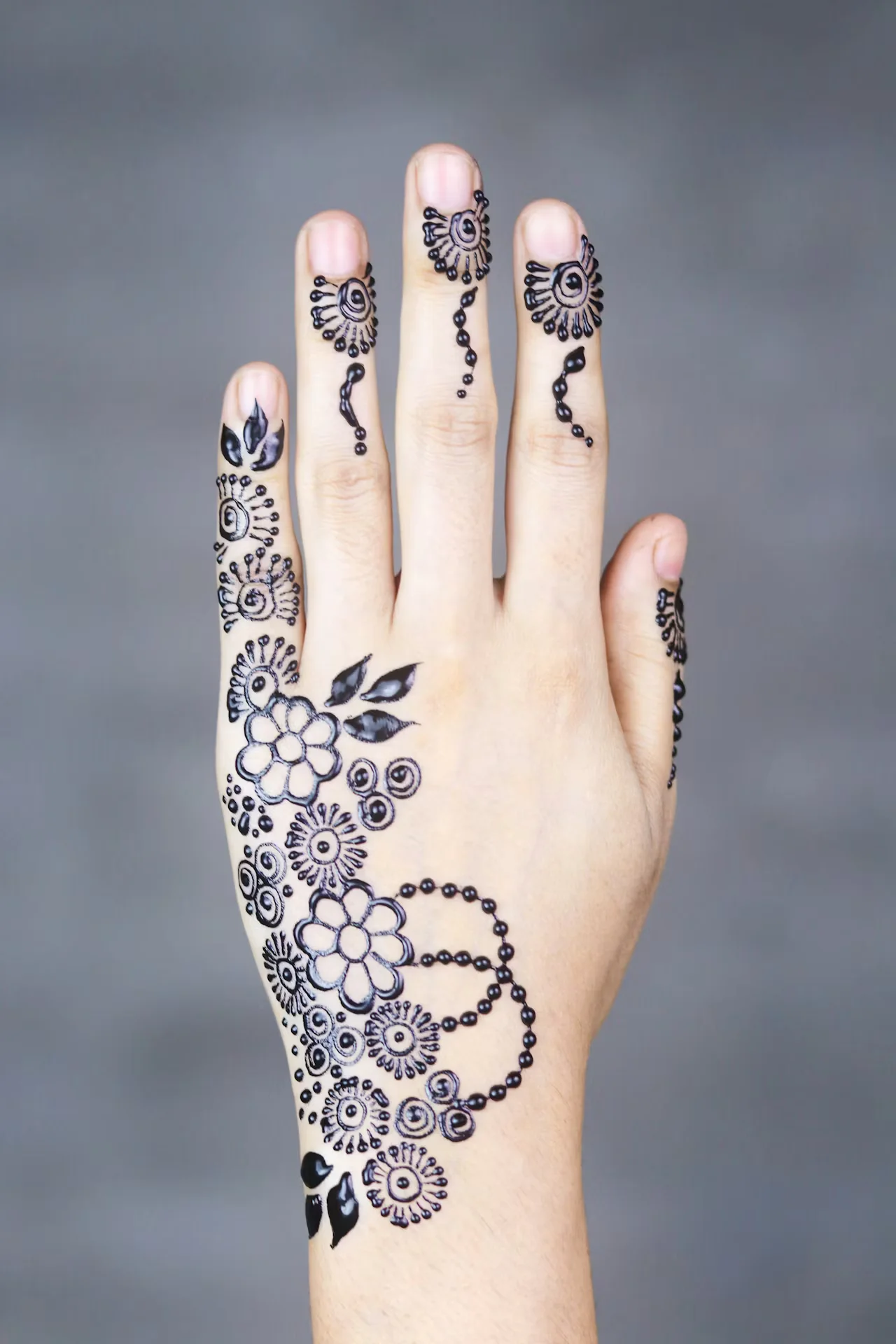
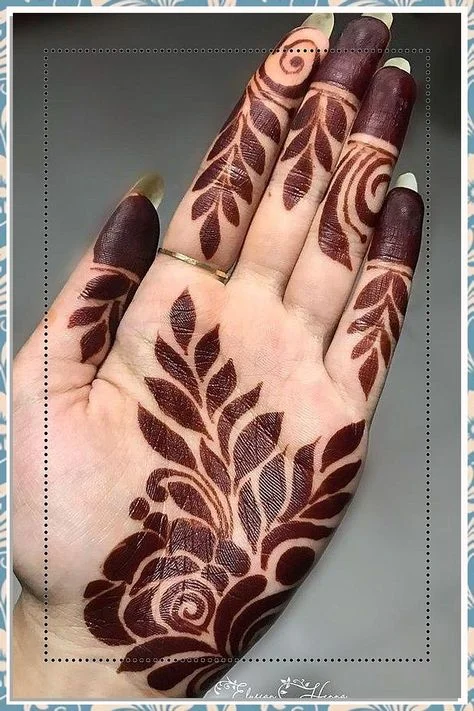
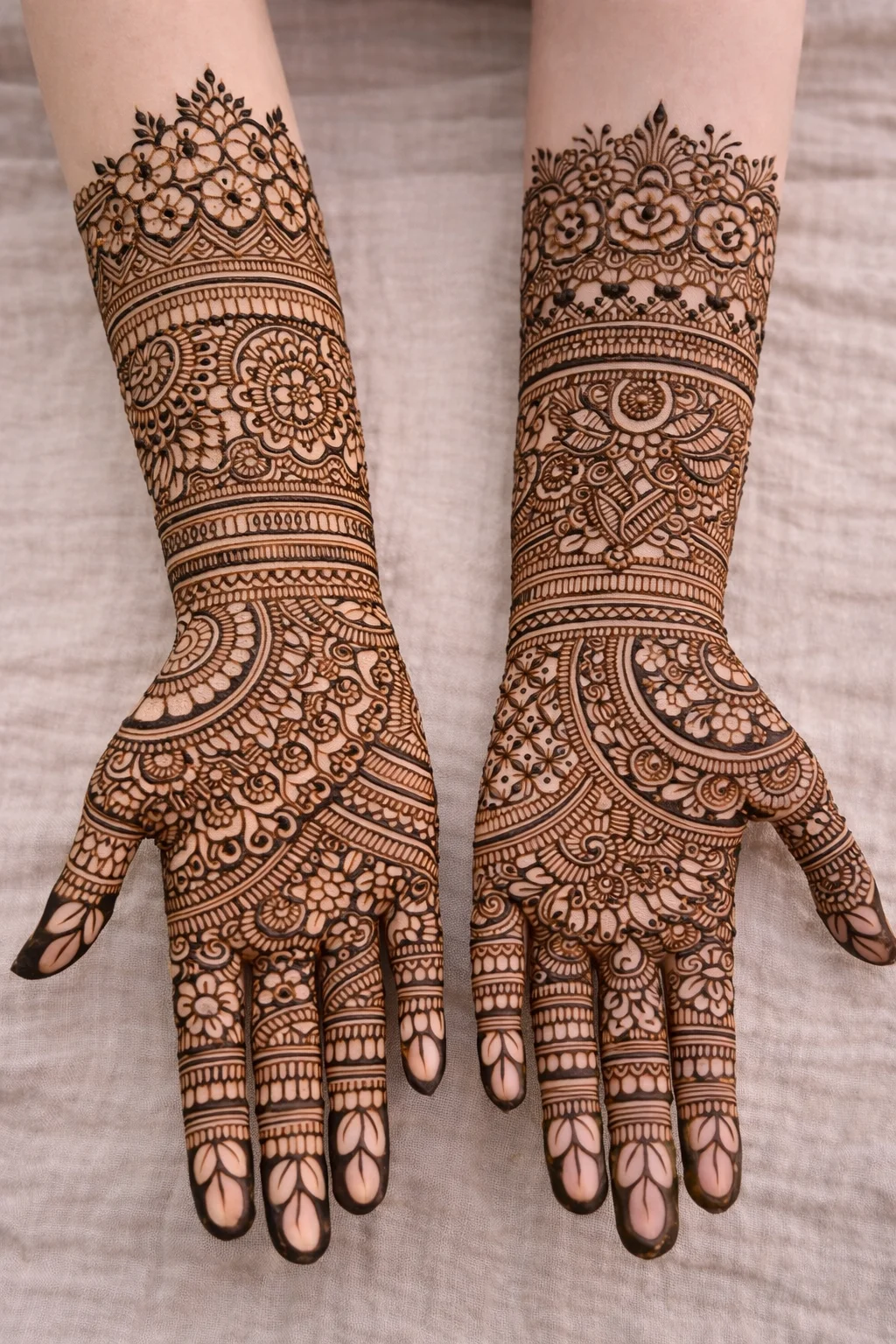
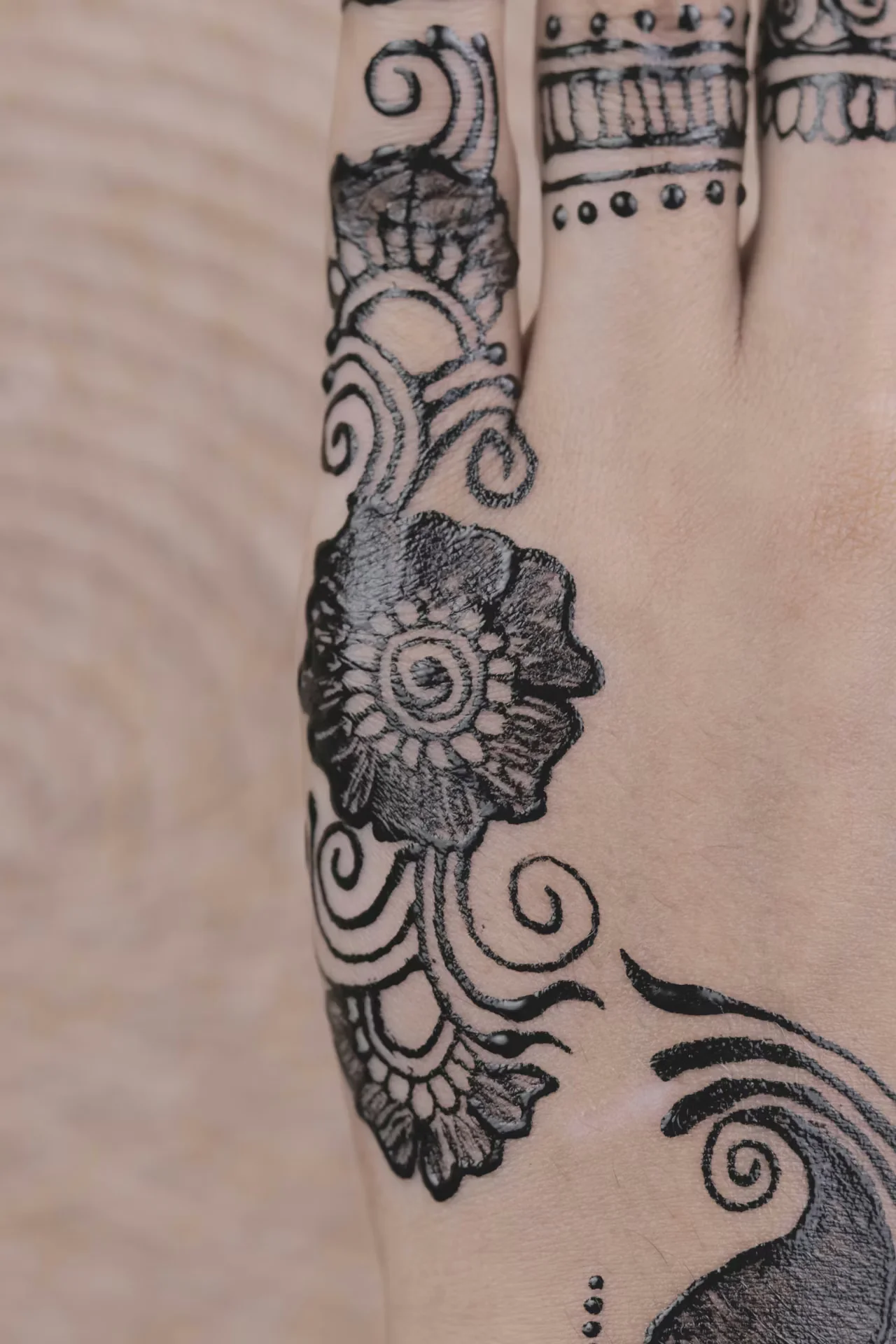
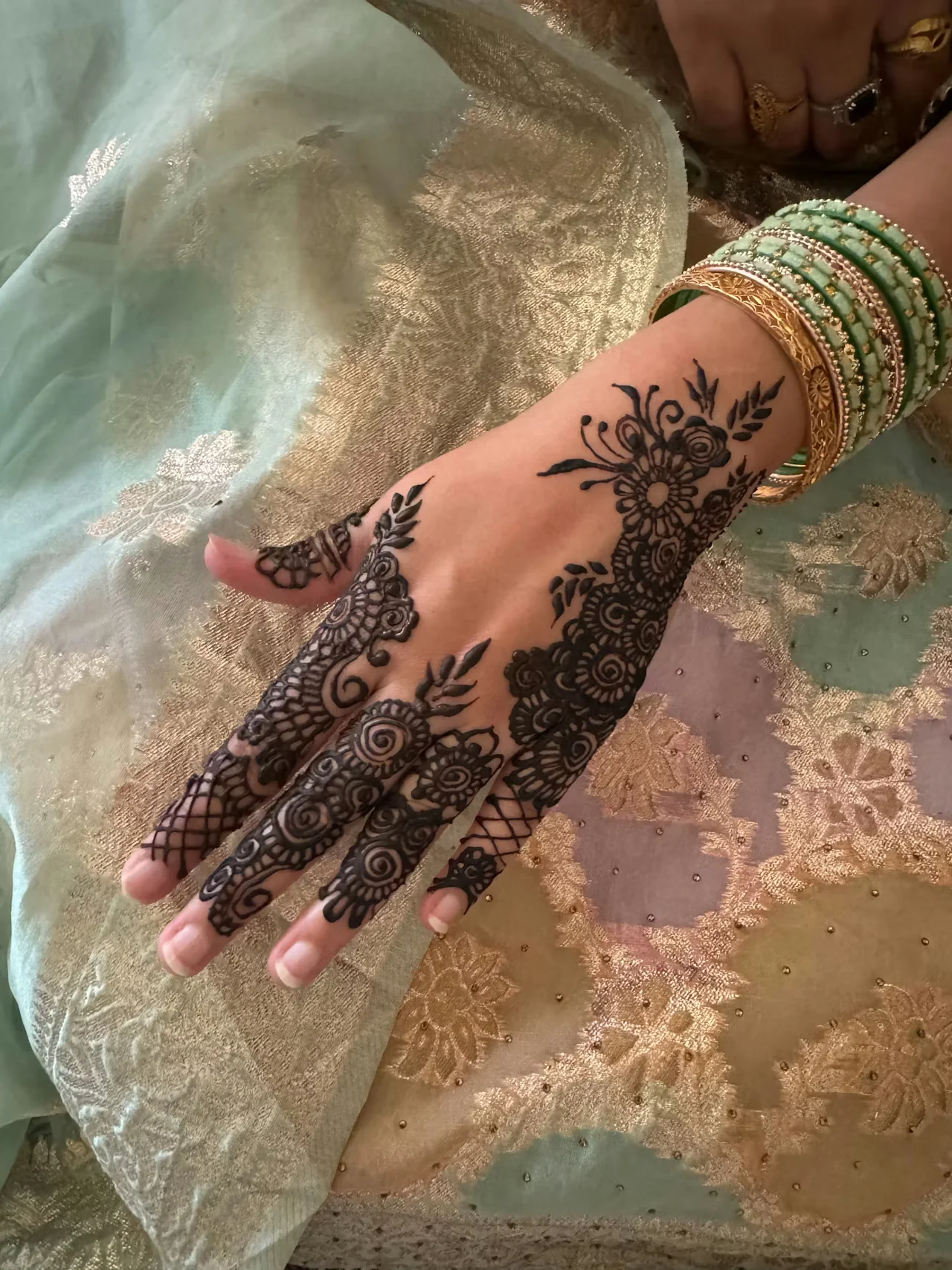
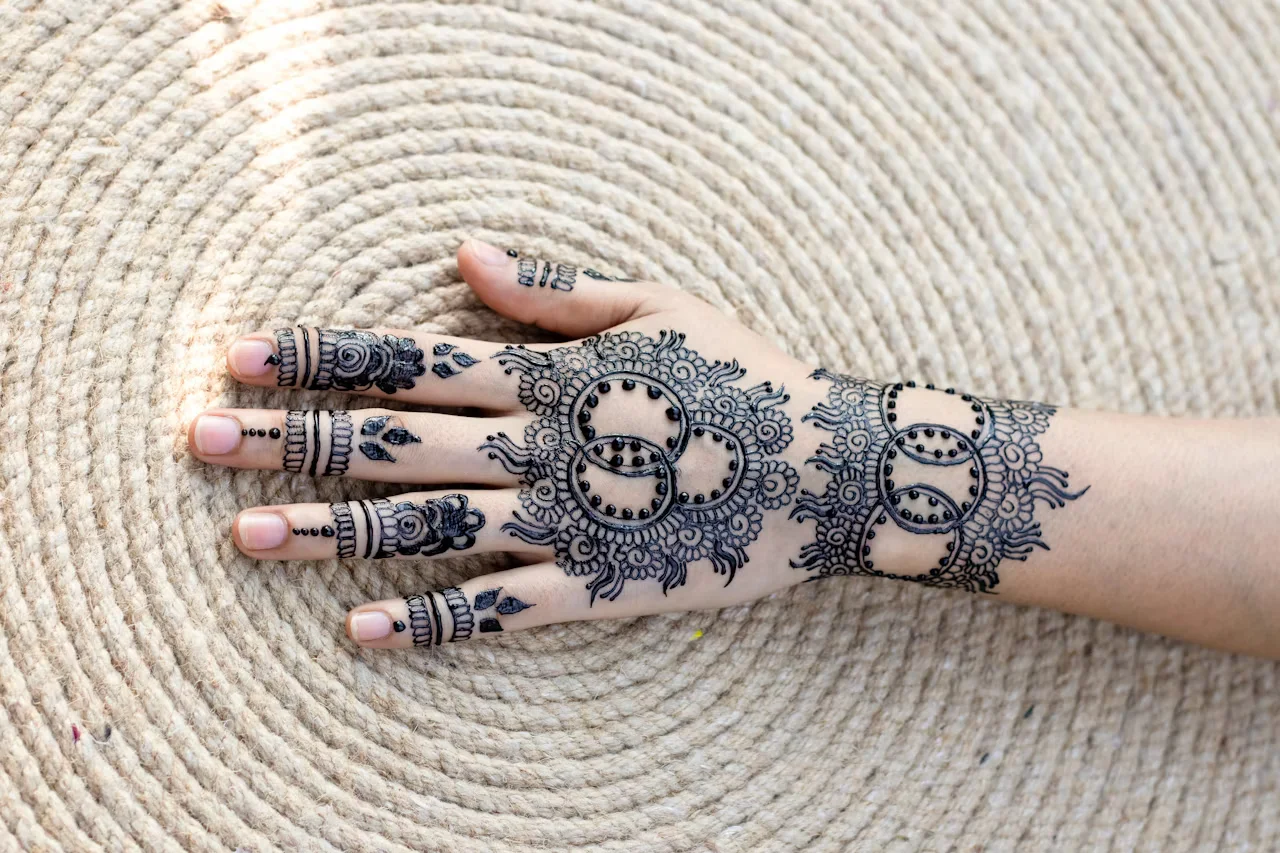
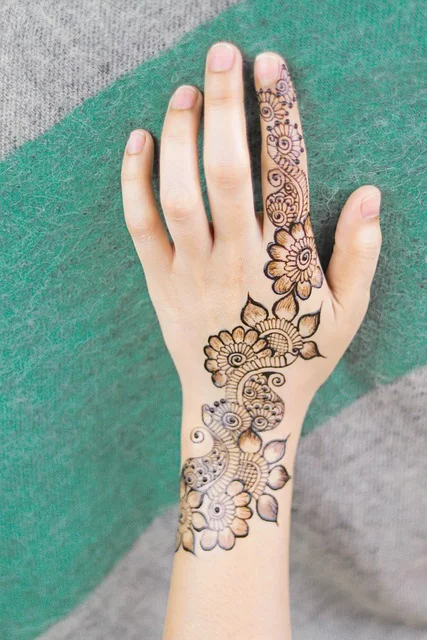
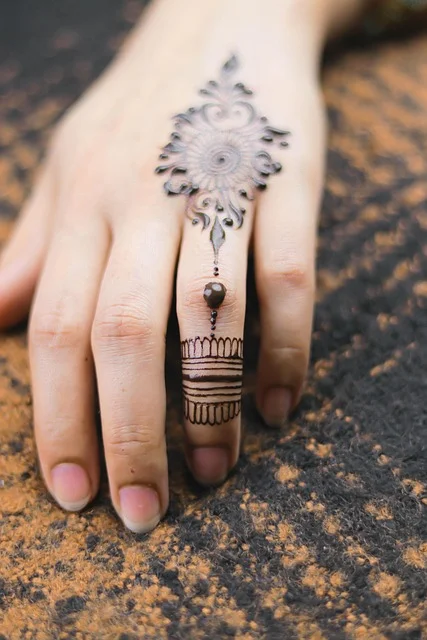
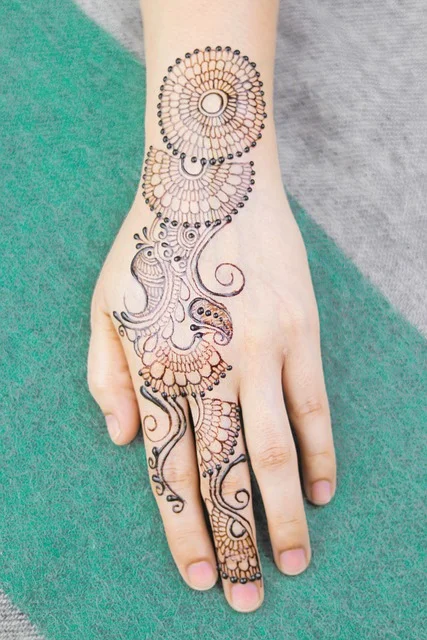
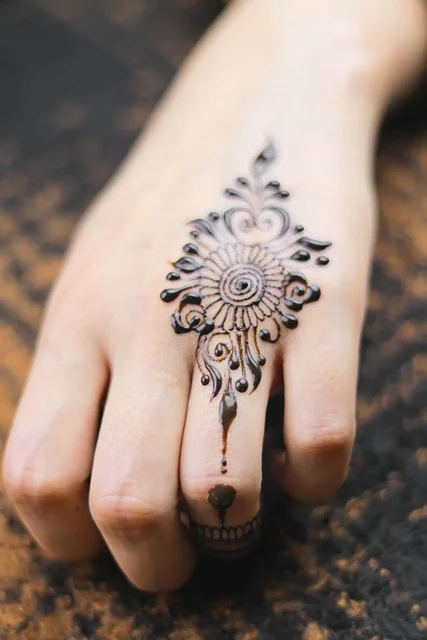
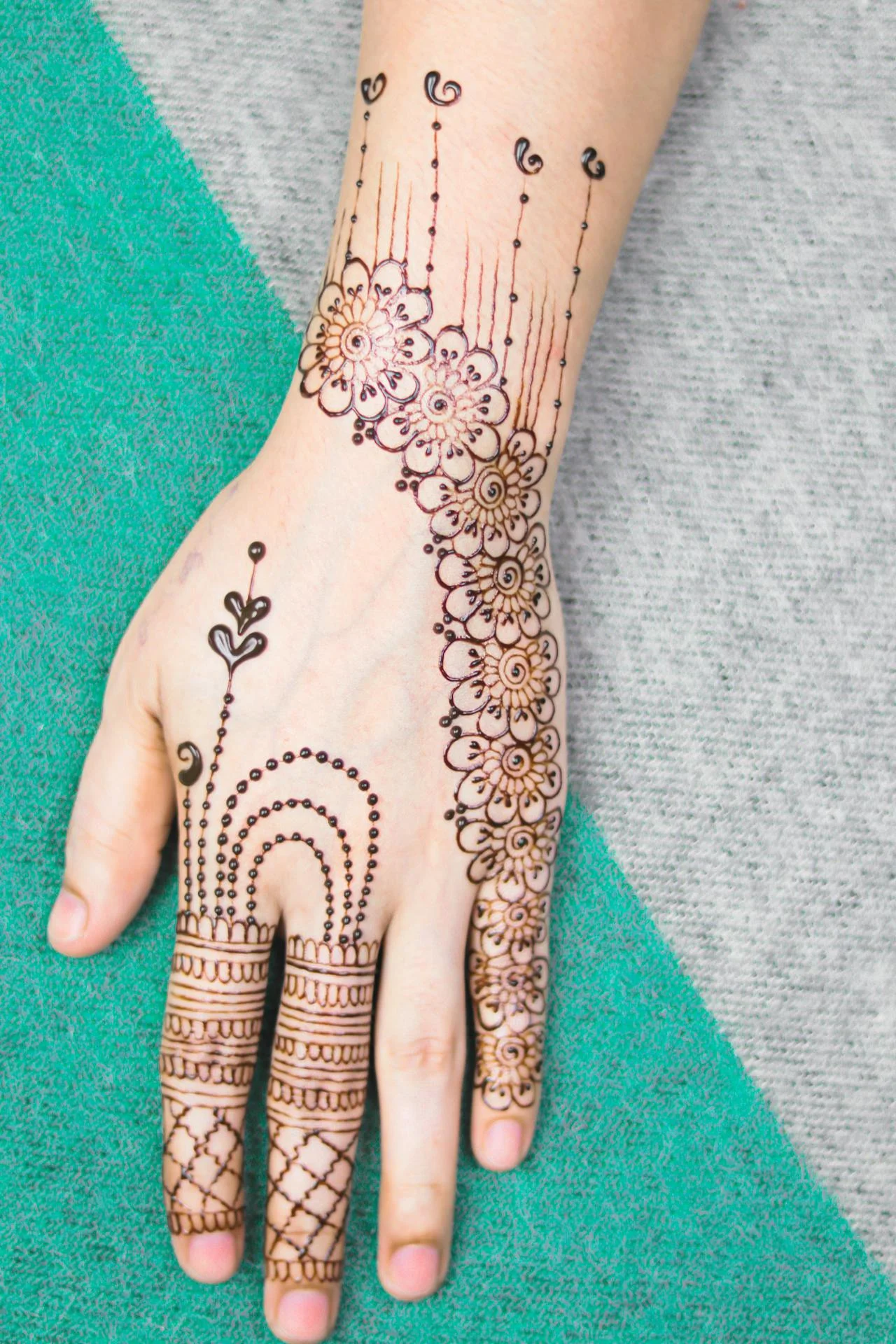
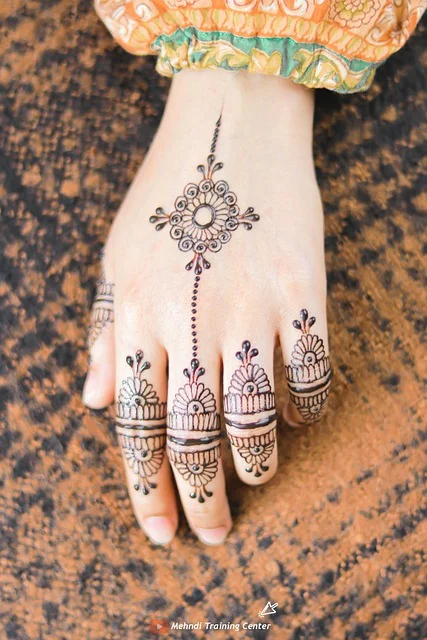
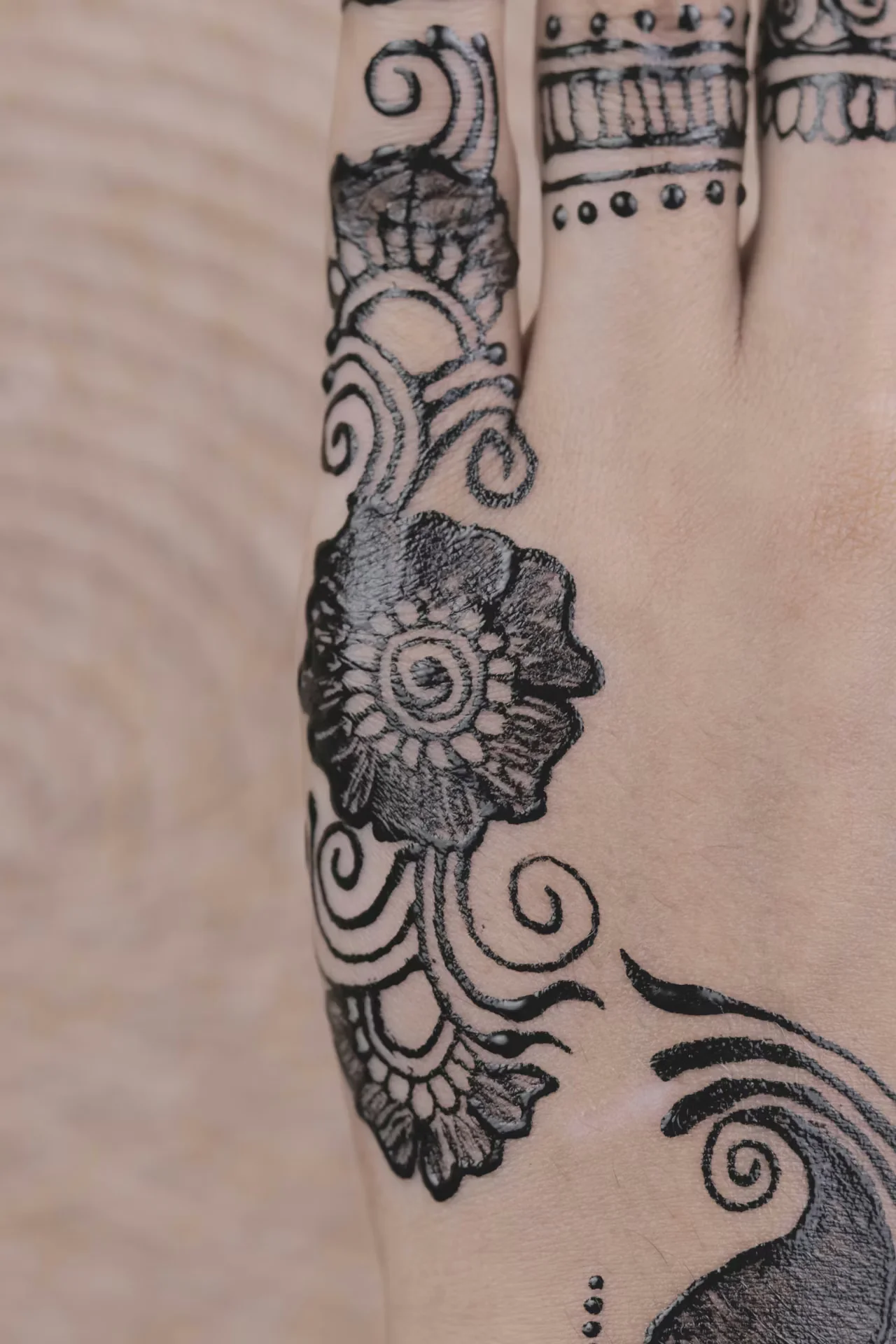
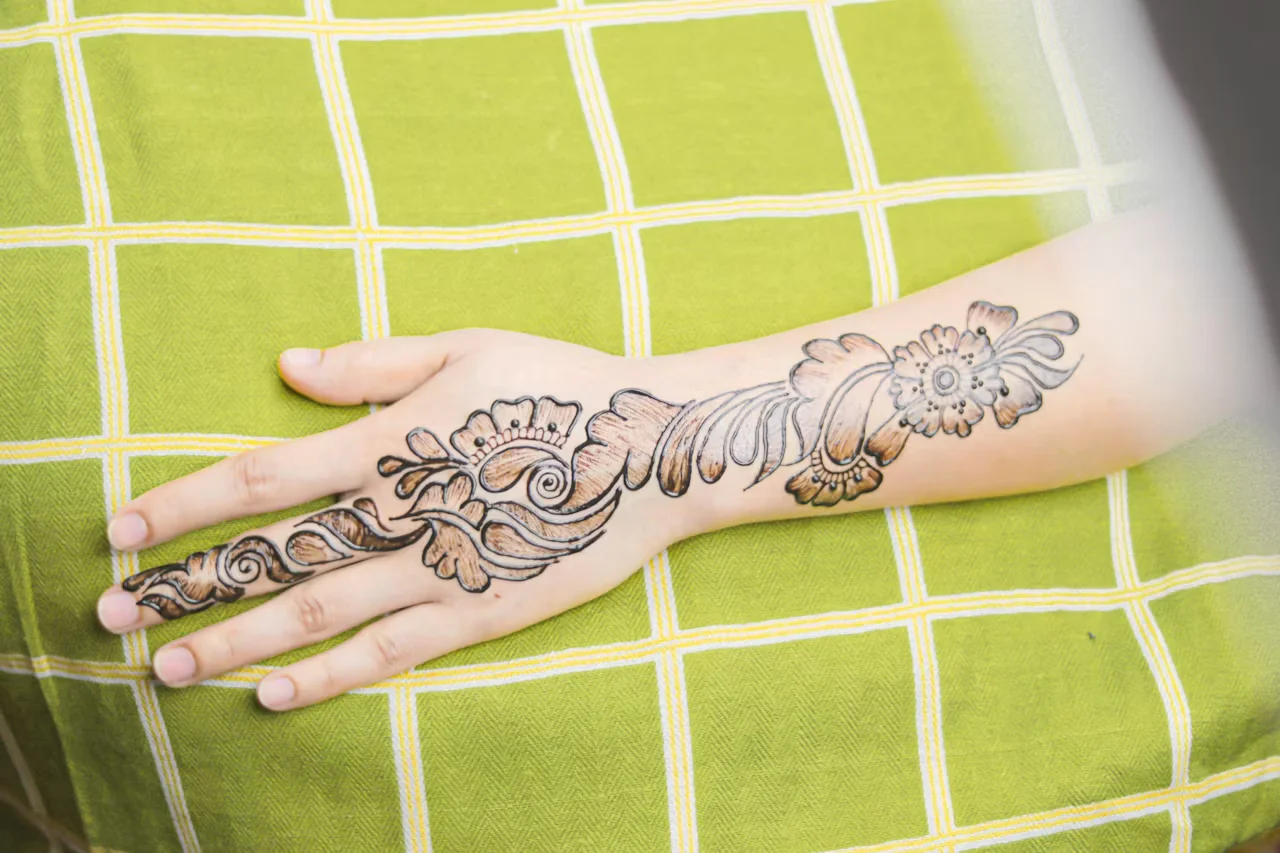
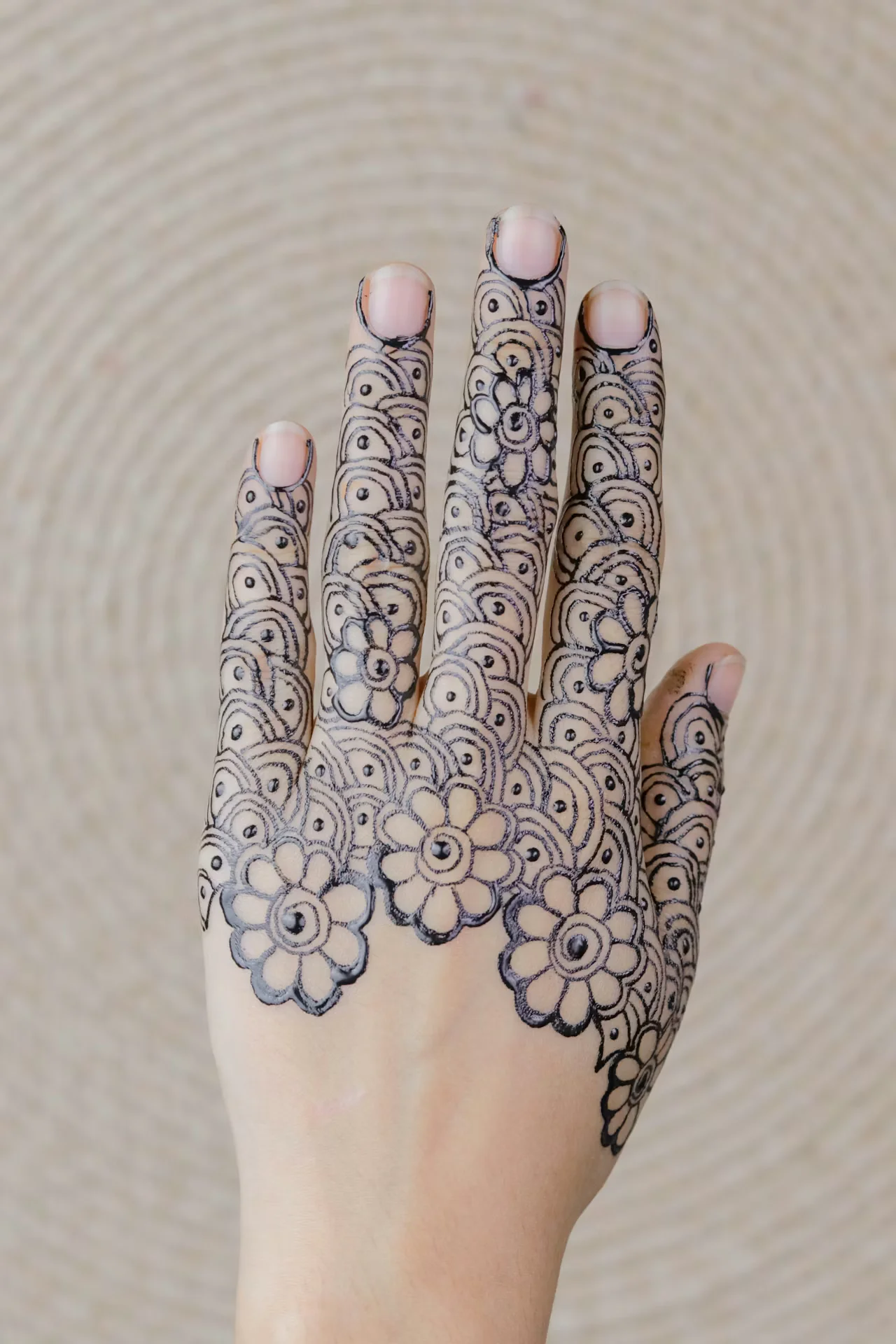
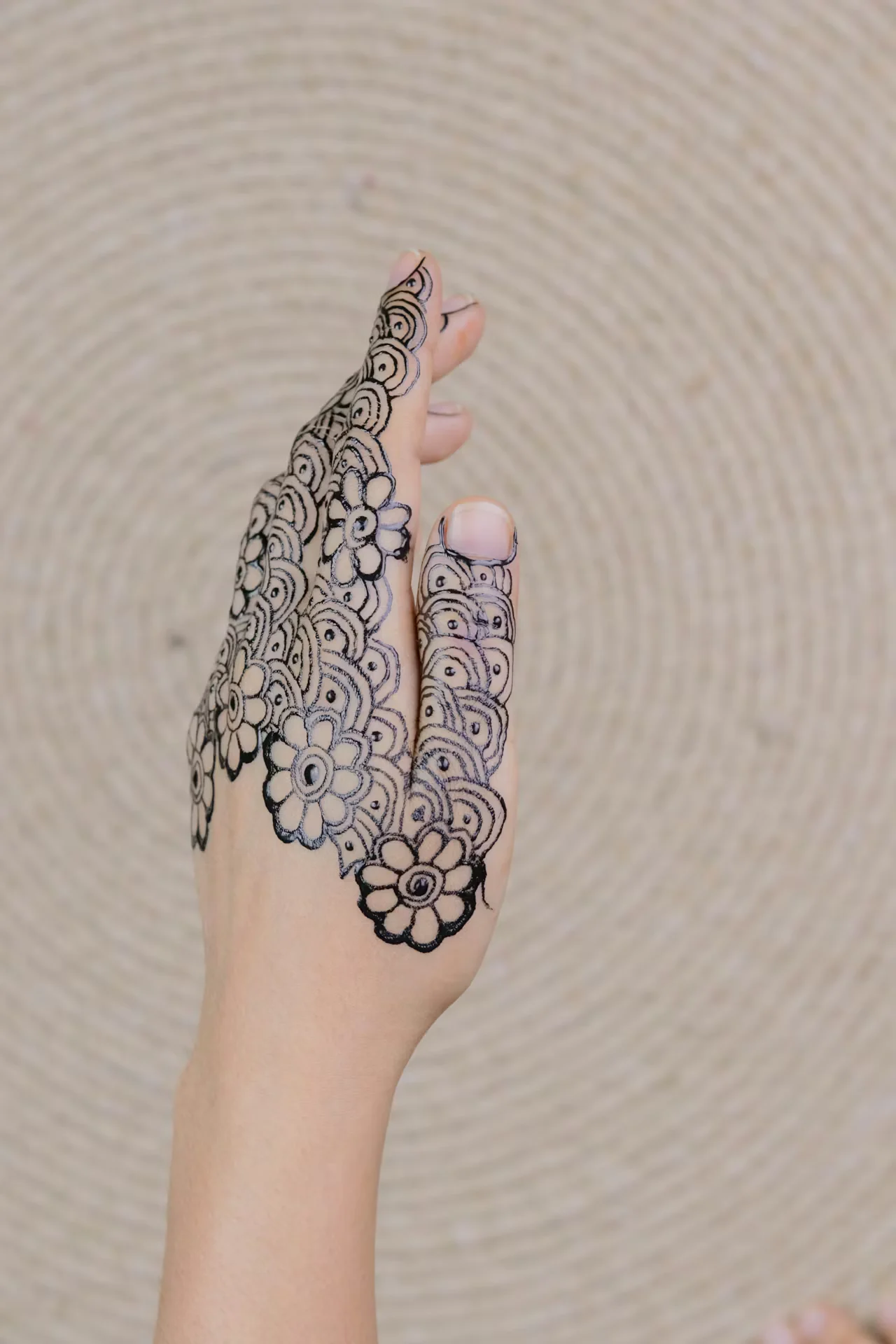
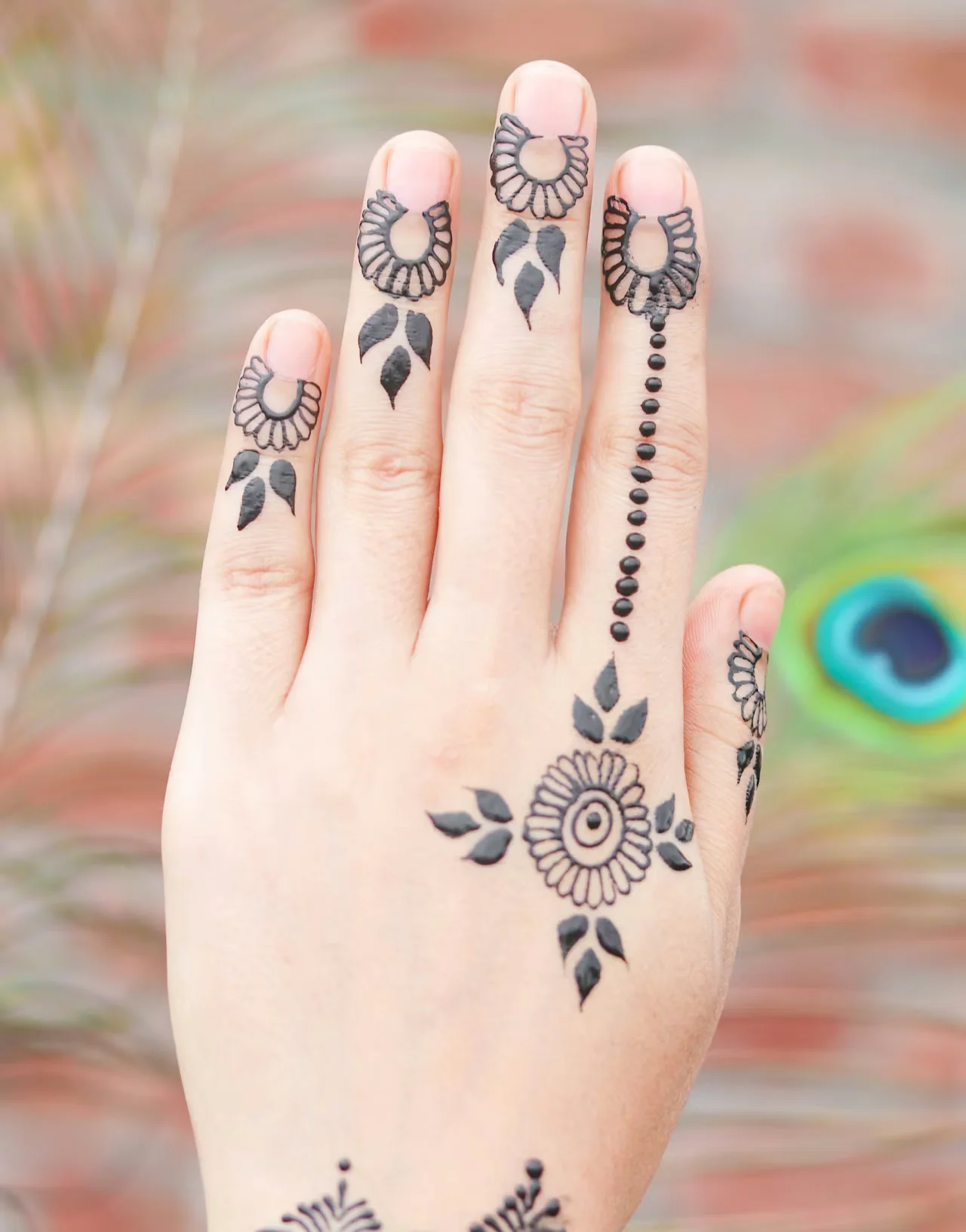
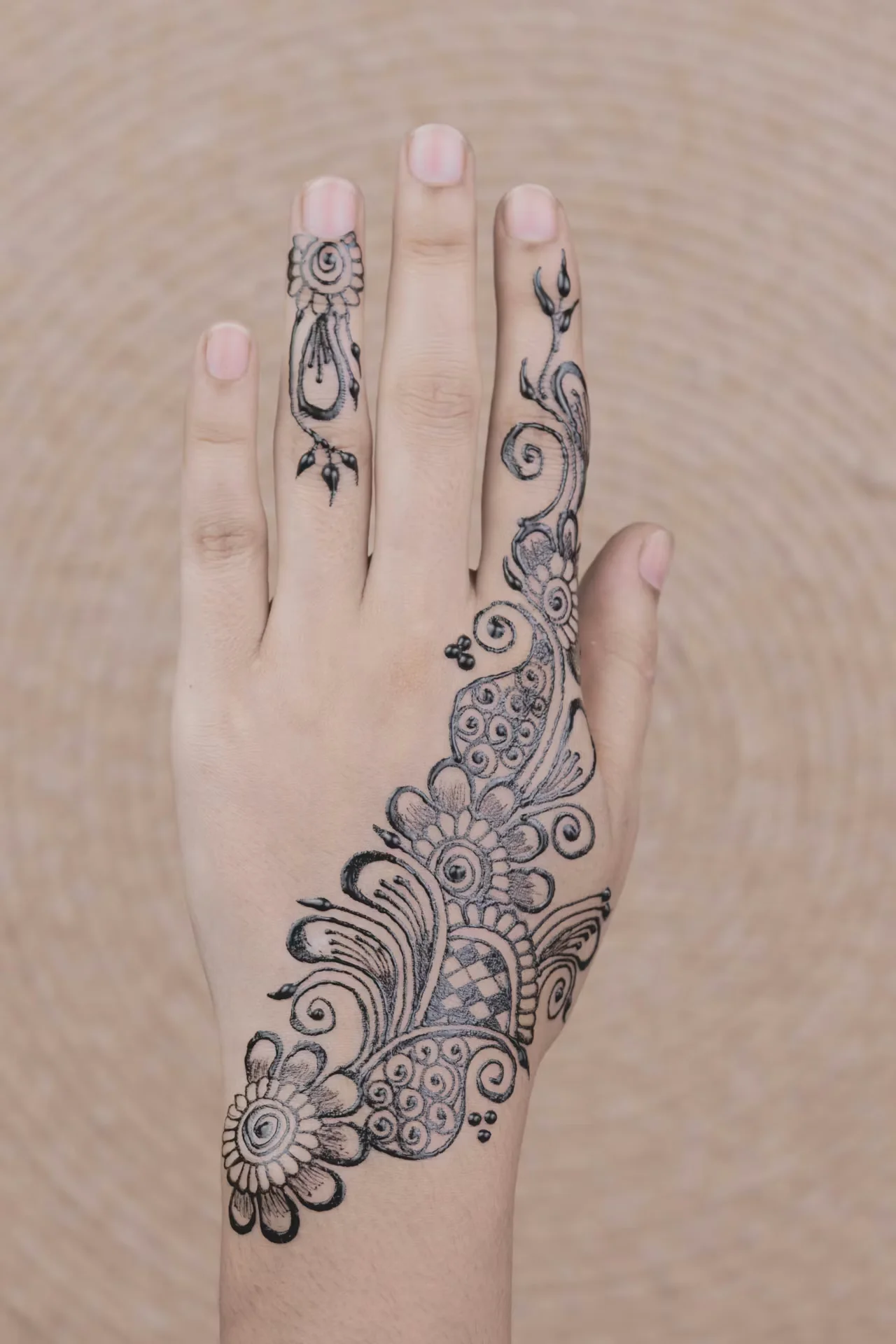
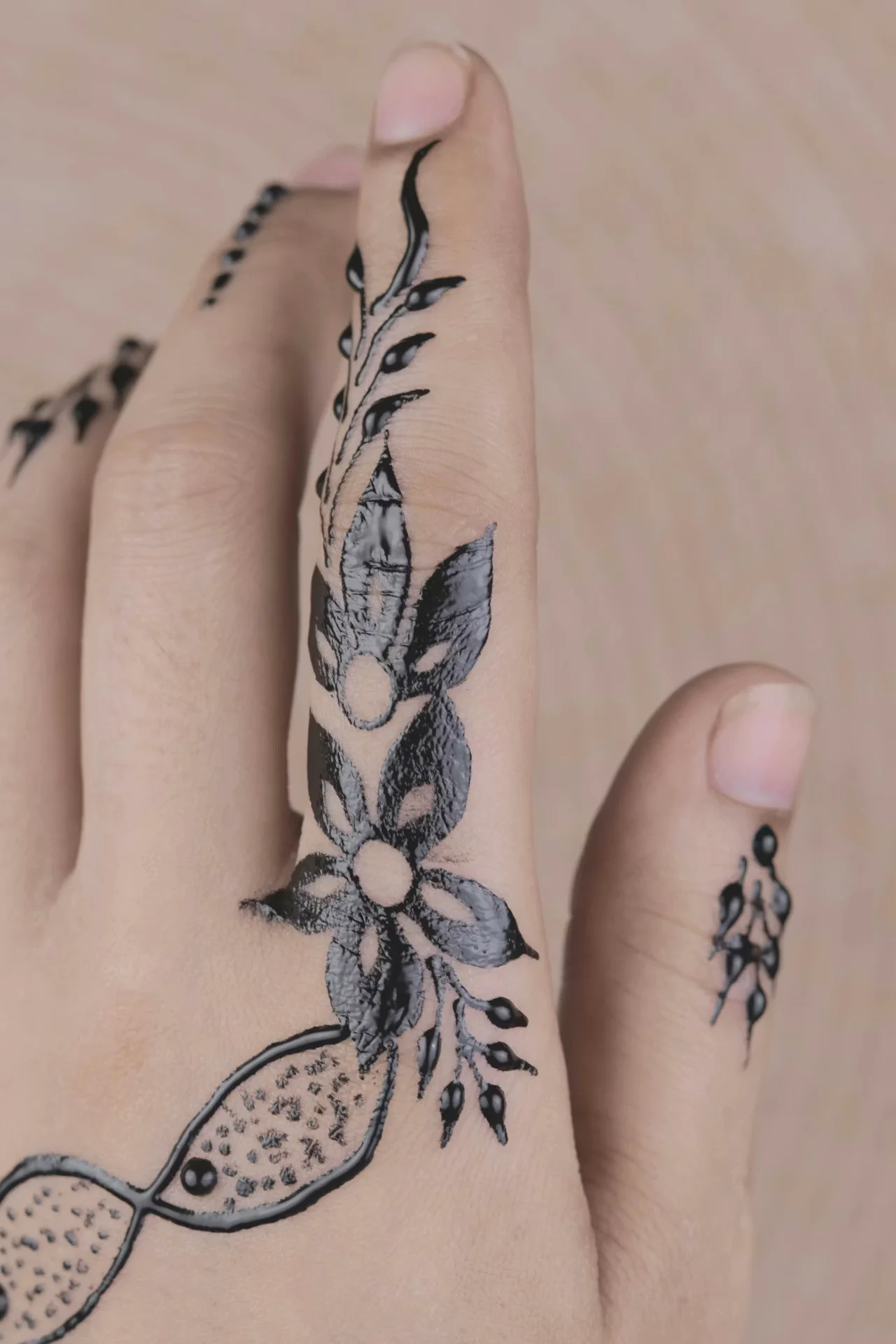
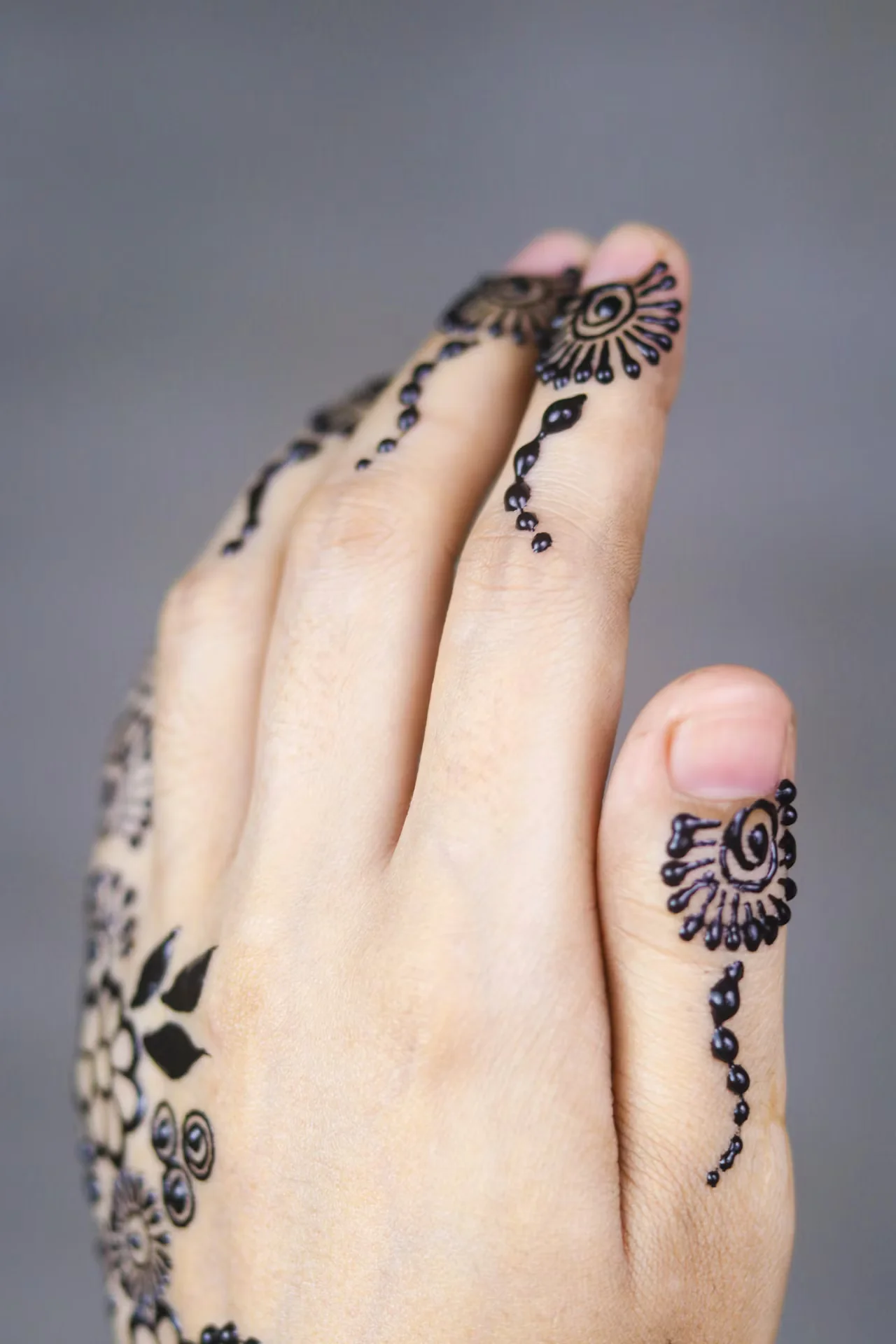
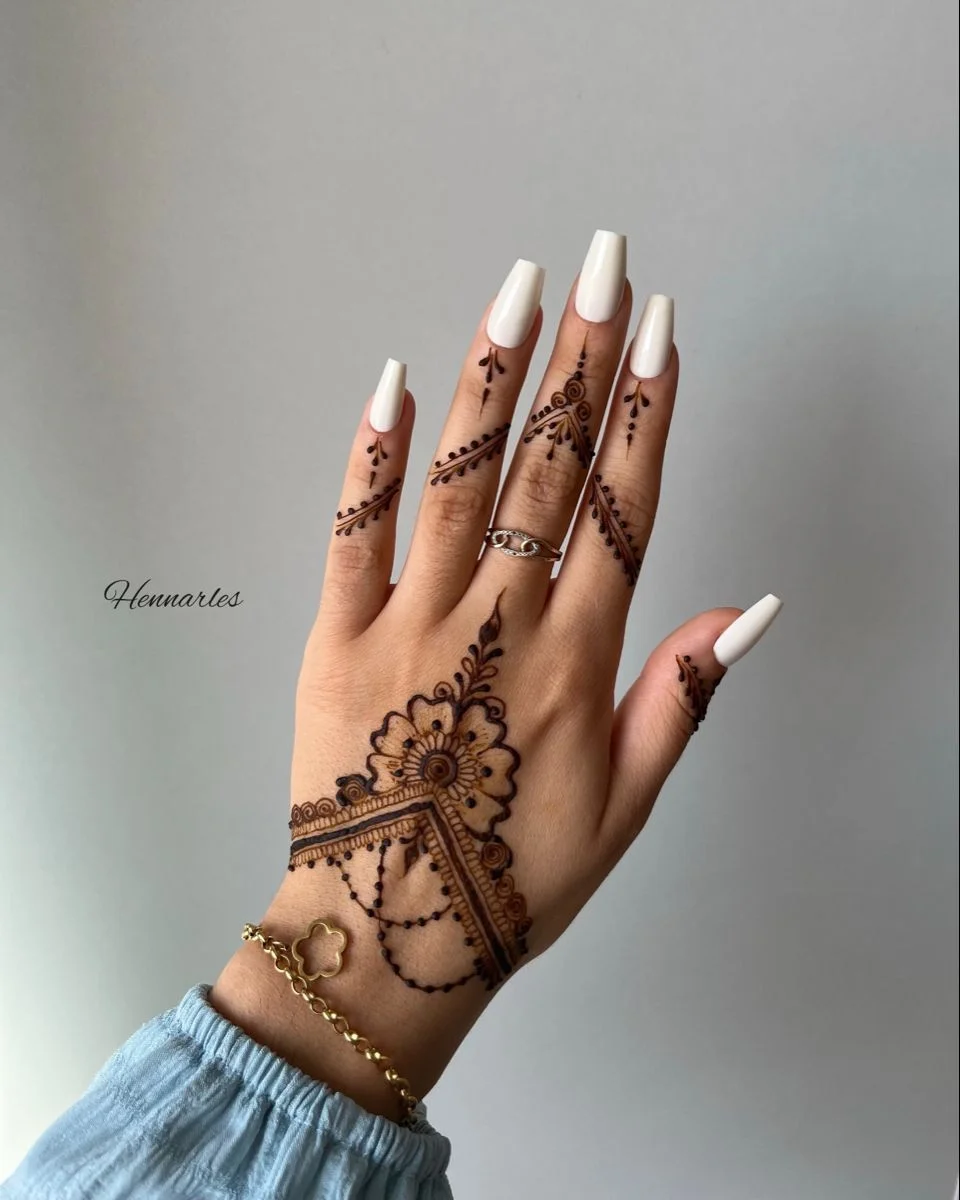
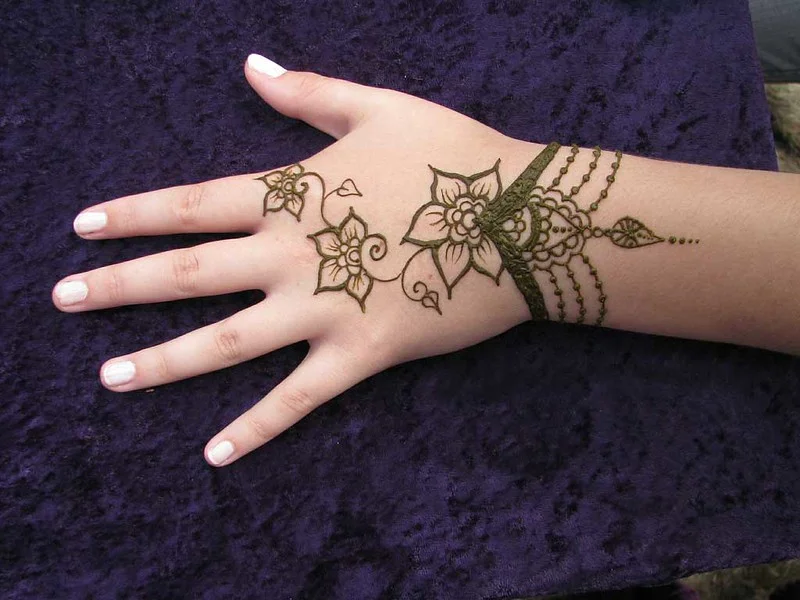
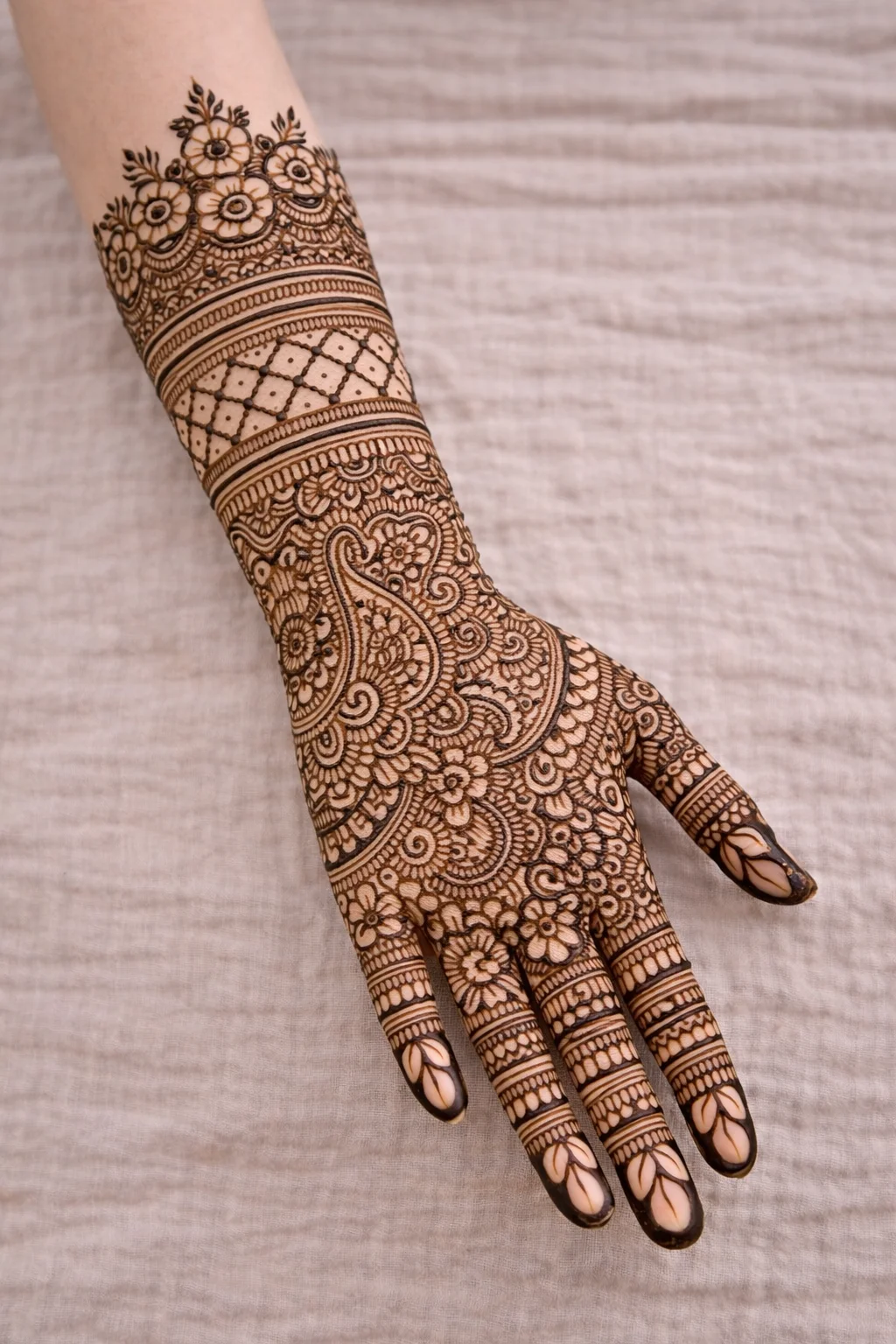
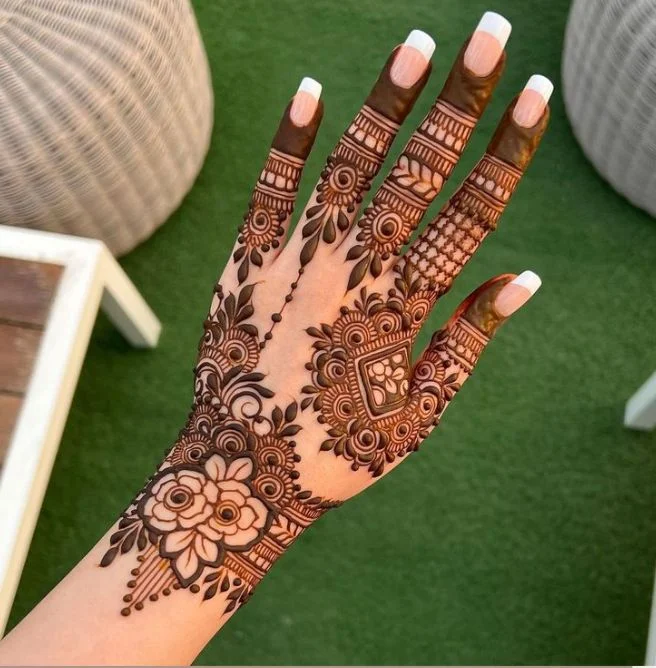
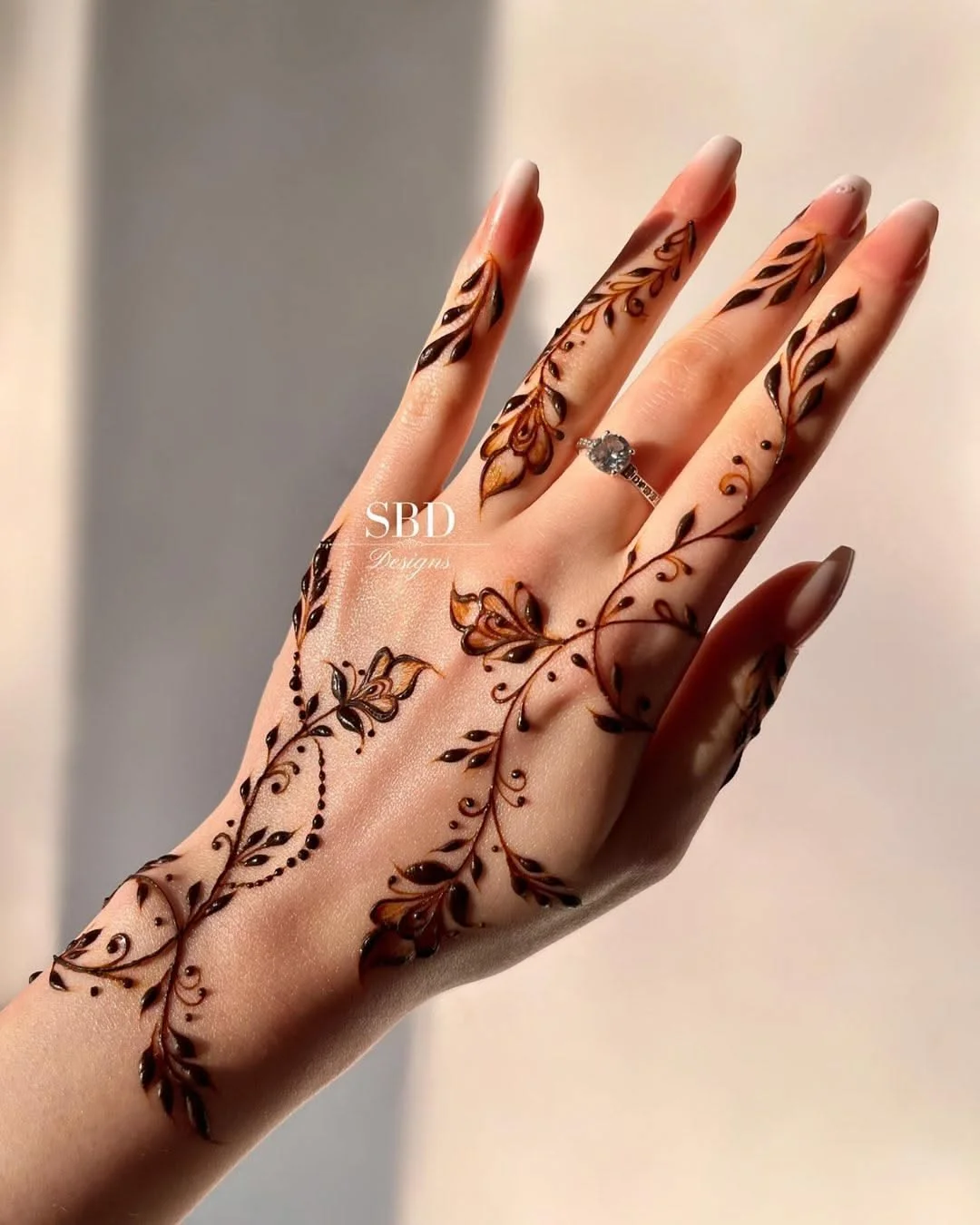
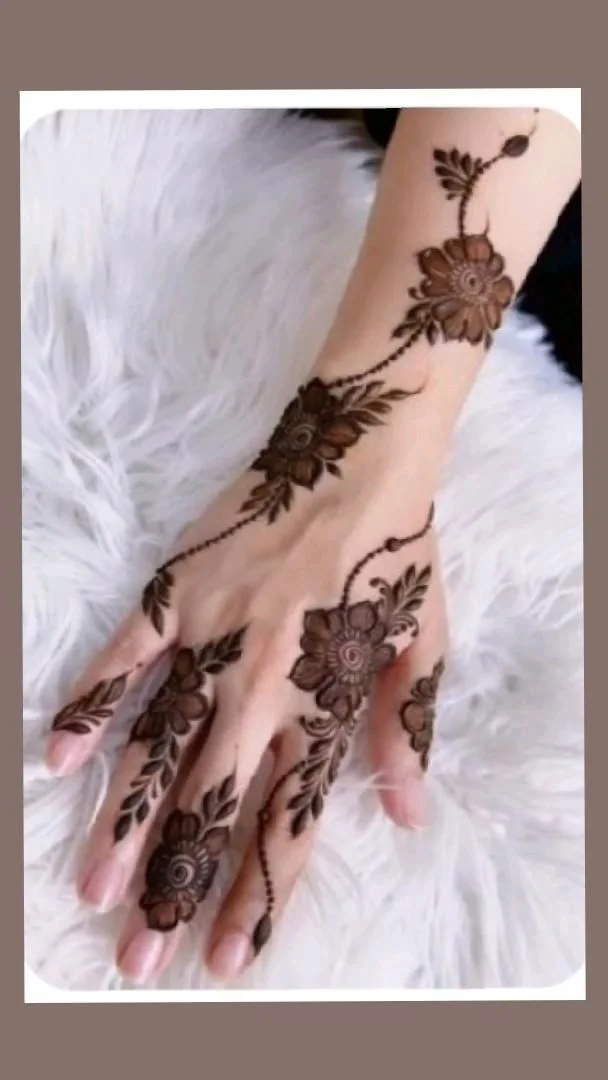
Bold Floral Crown Finger Mehndi Design With Stacked Ring Bands
30 min · Beginner


Browse — Arabic
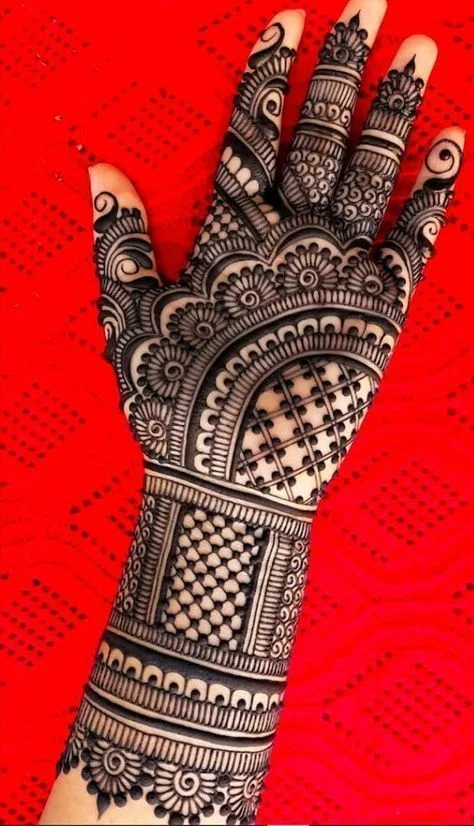
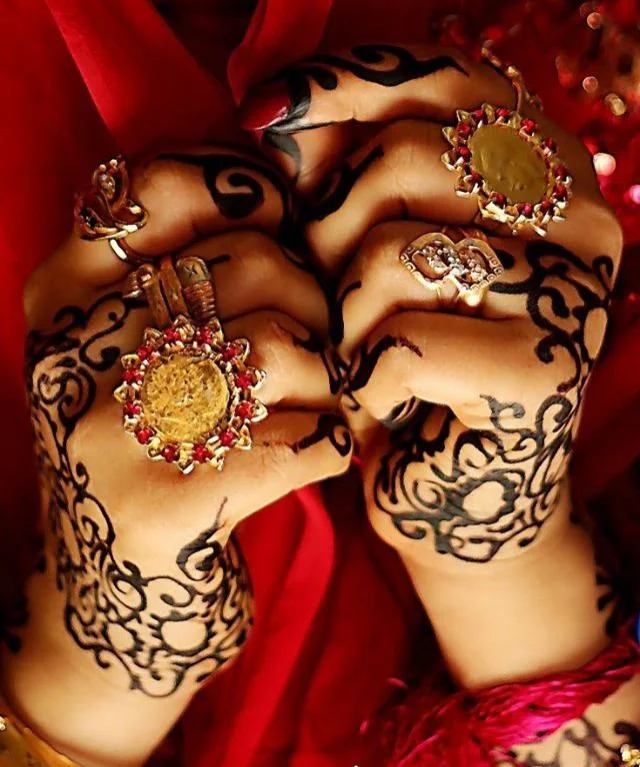
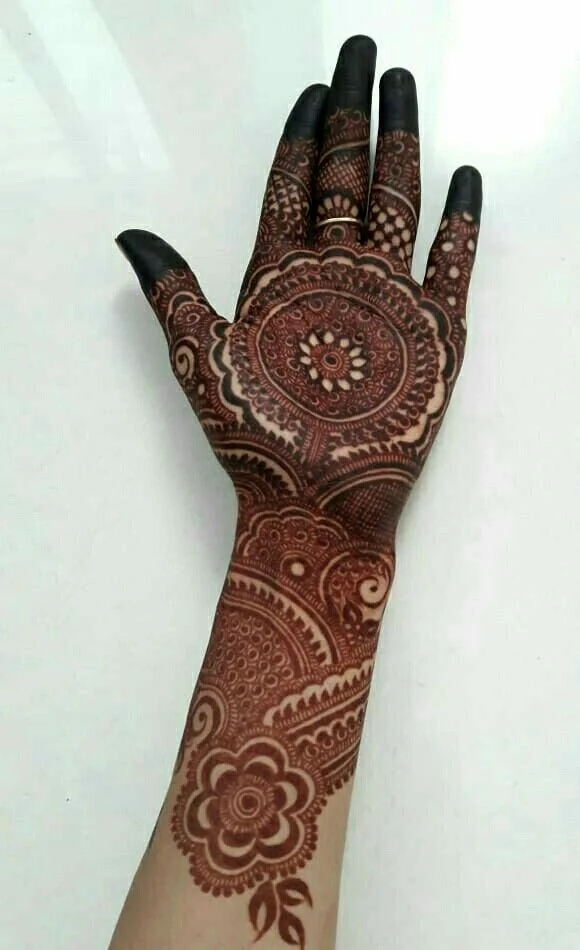
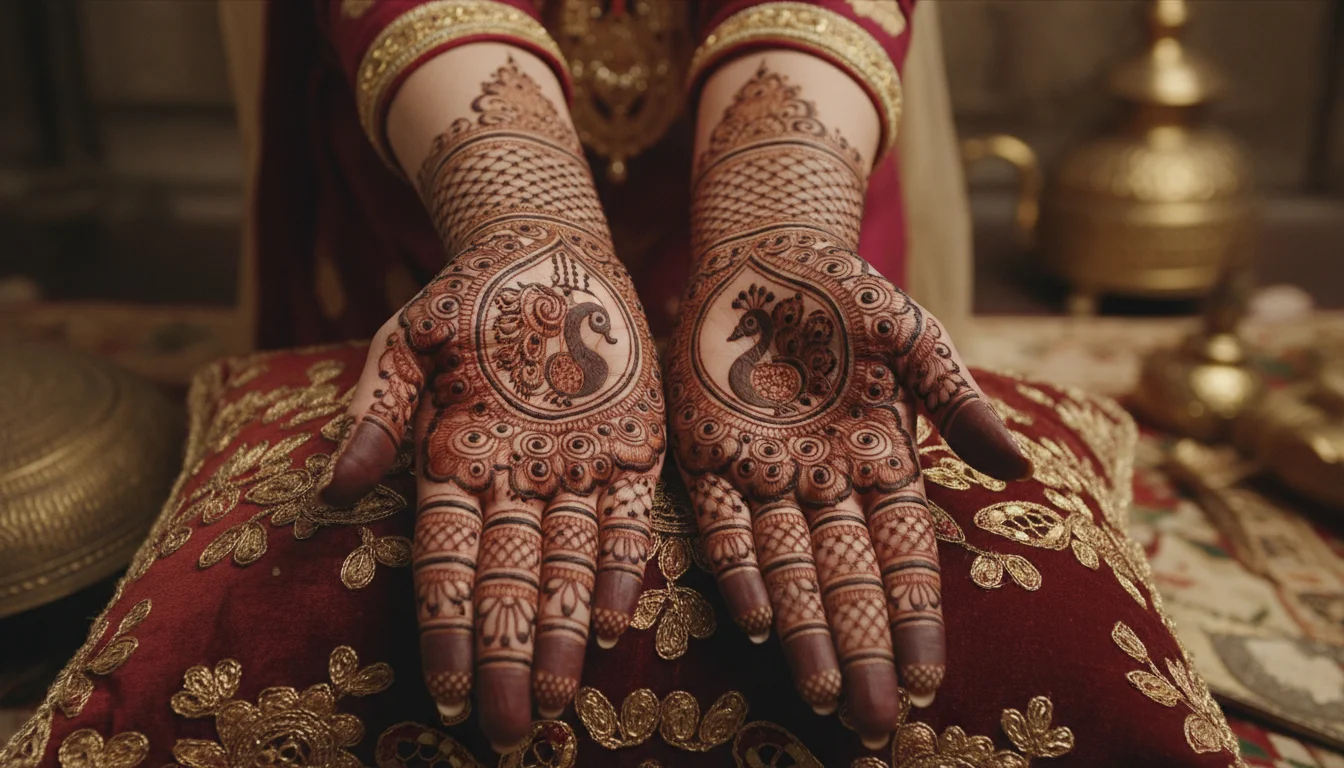
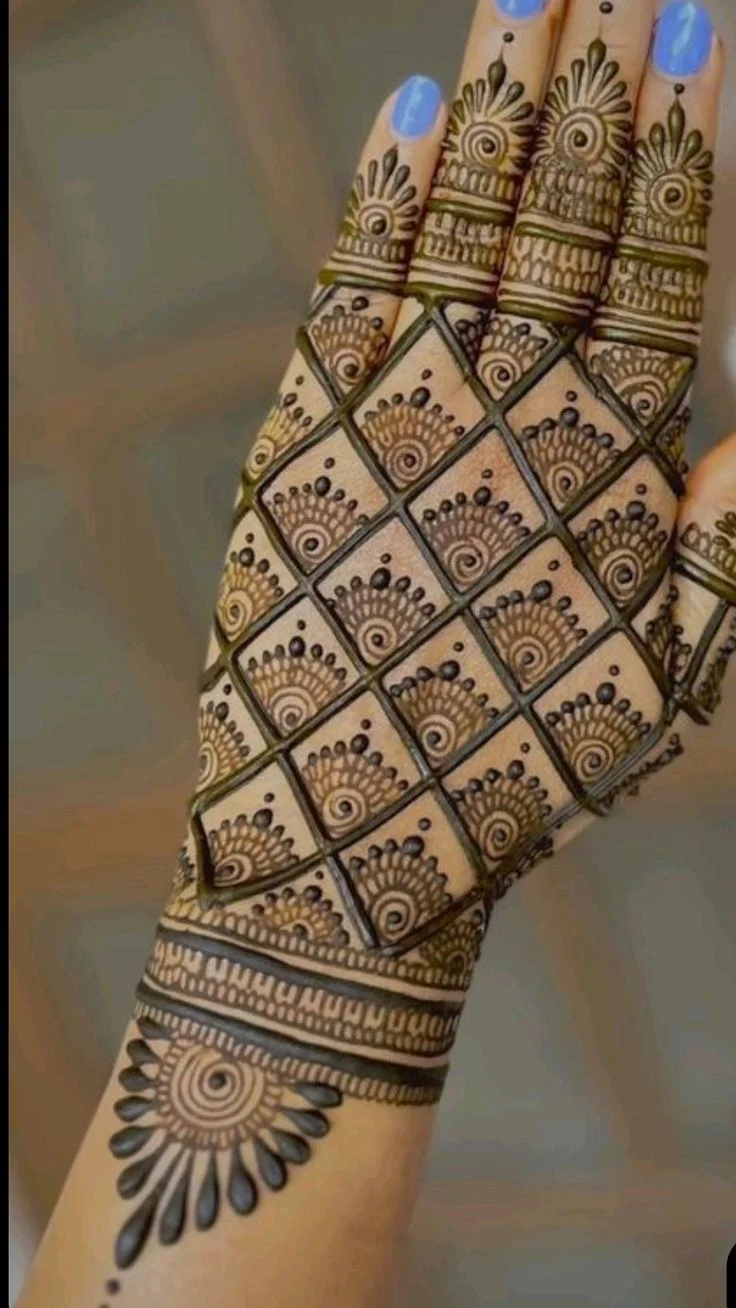
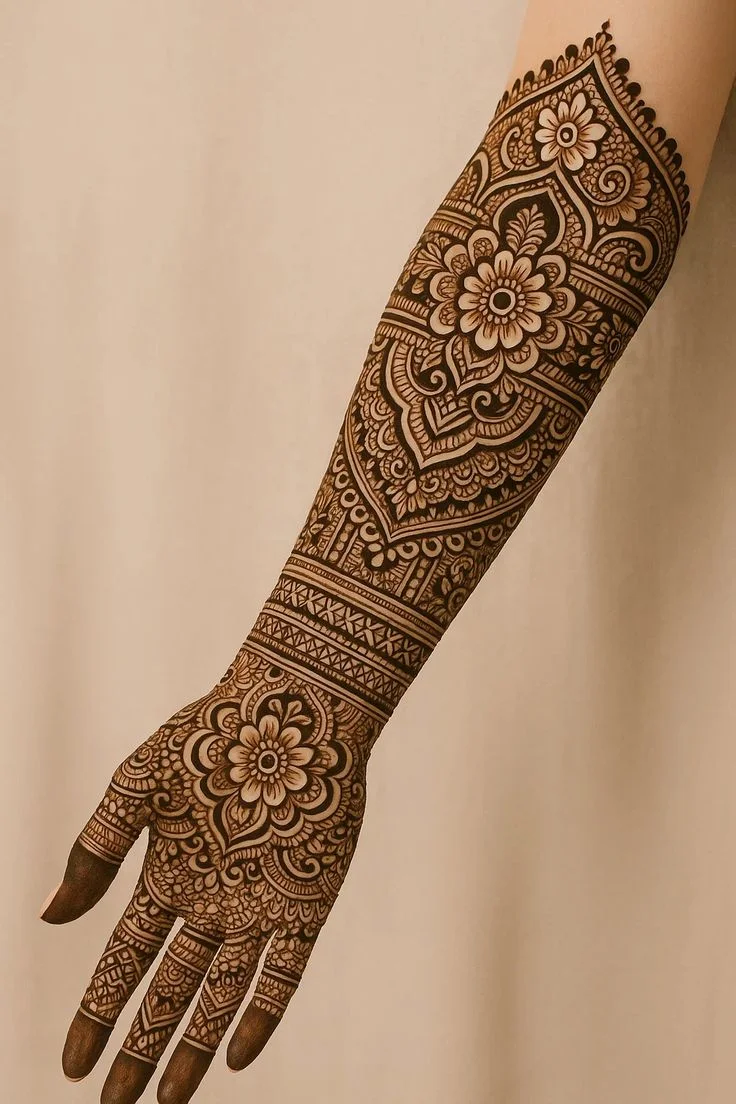
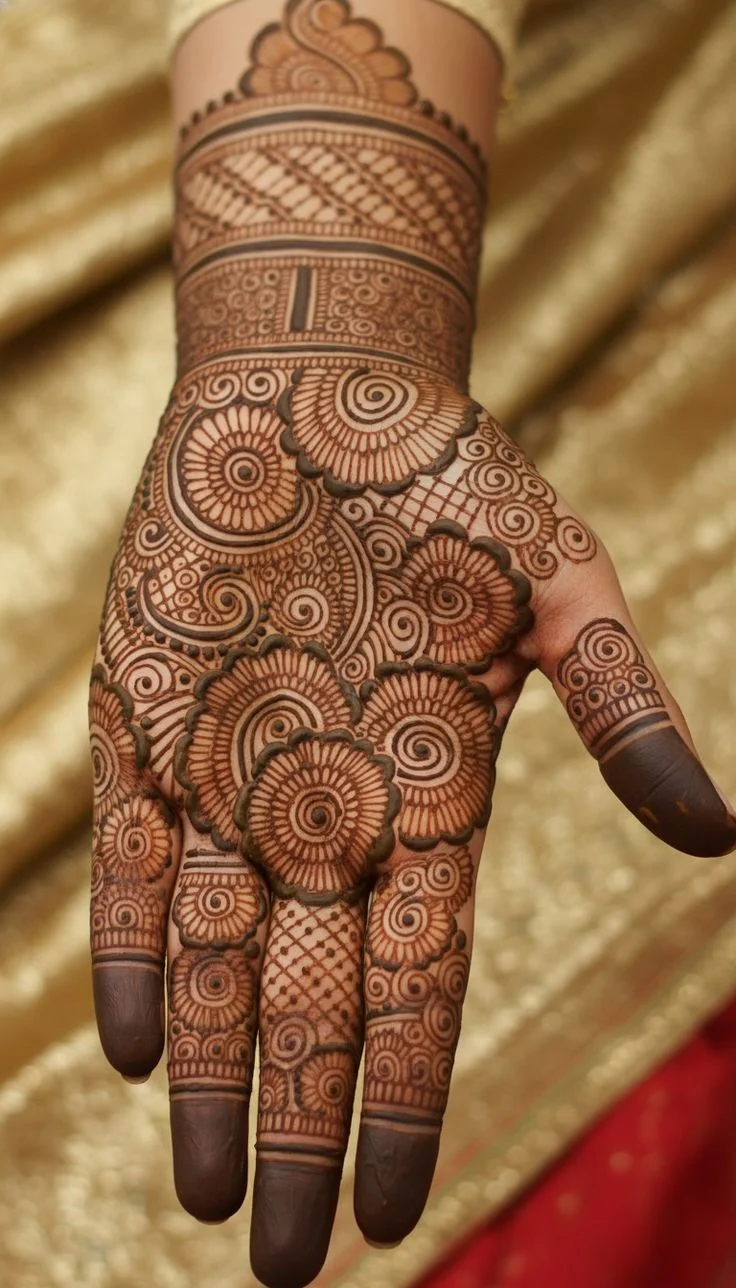
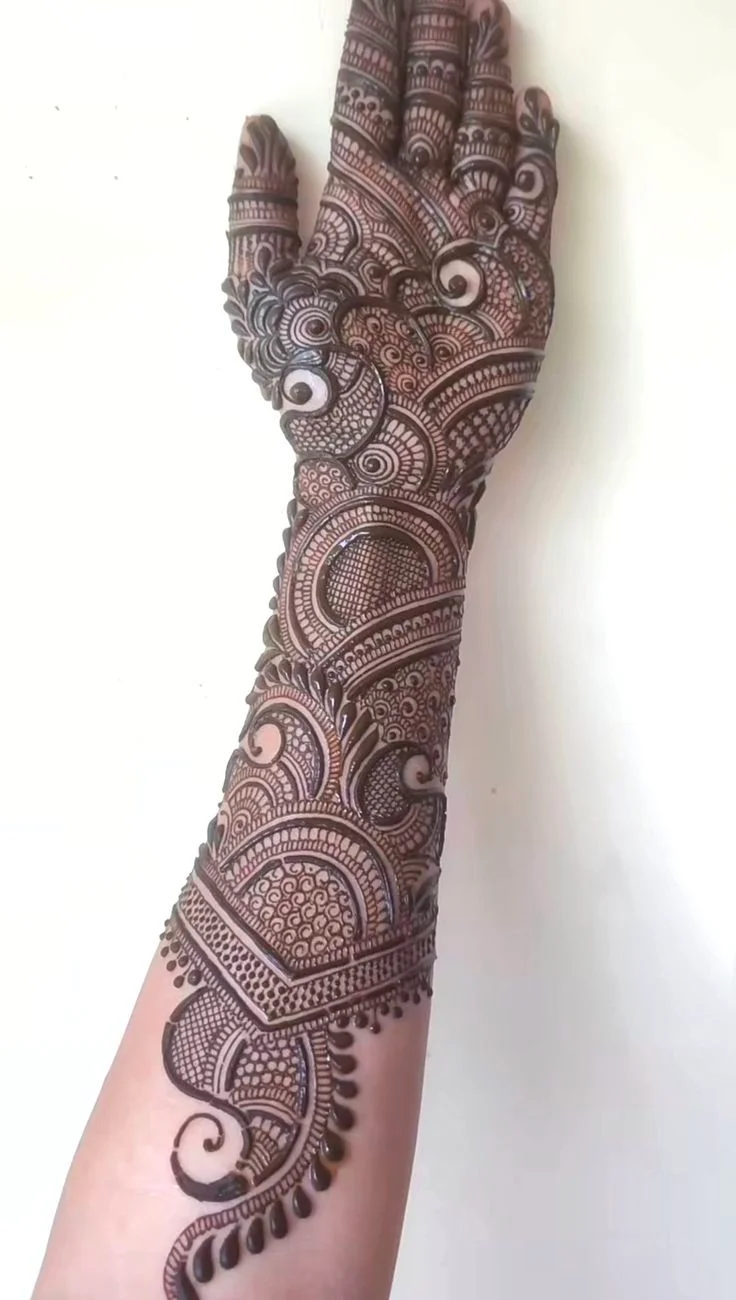
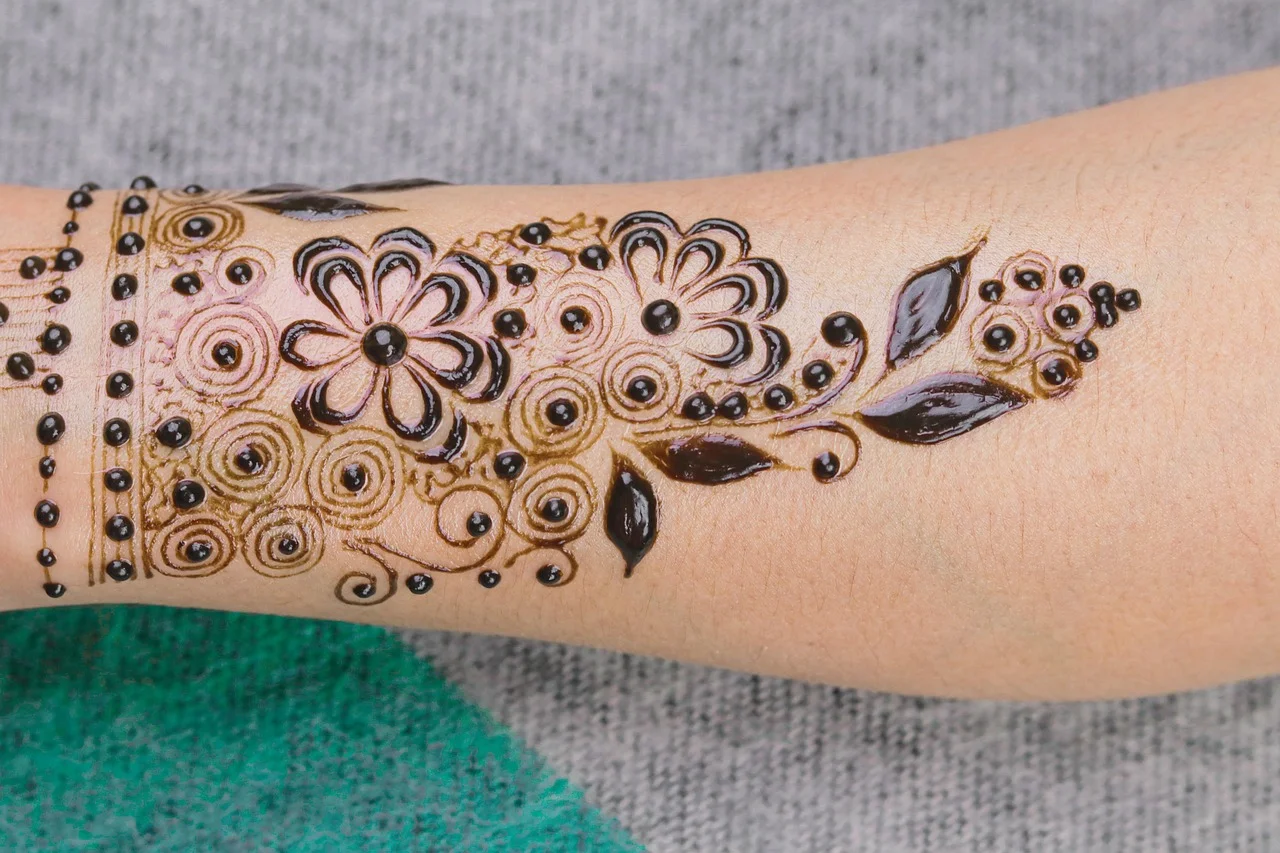
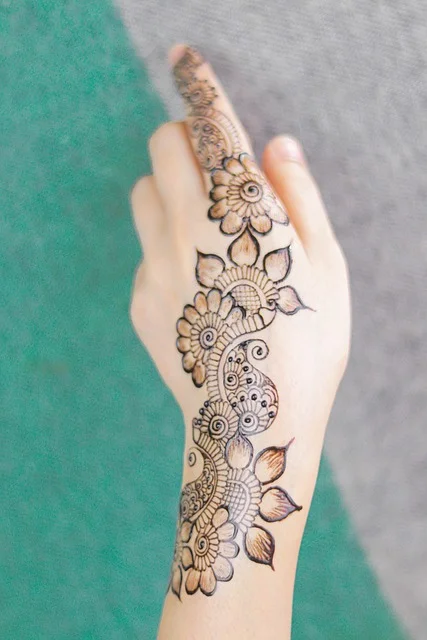
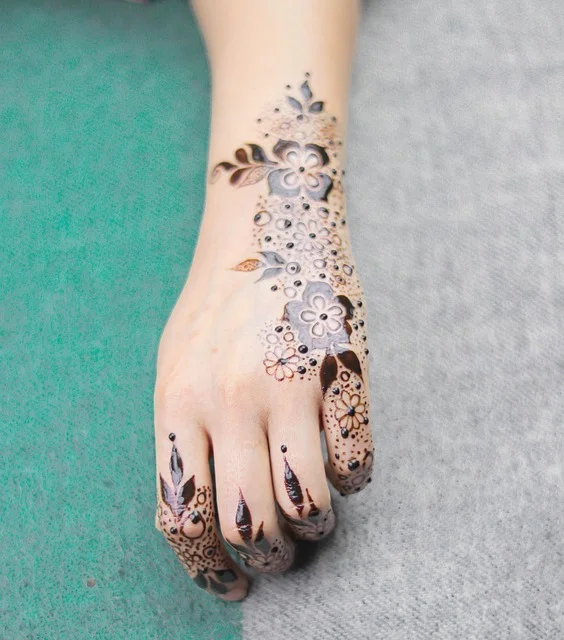
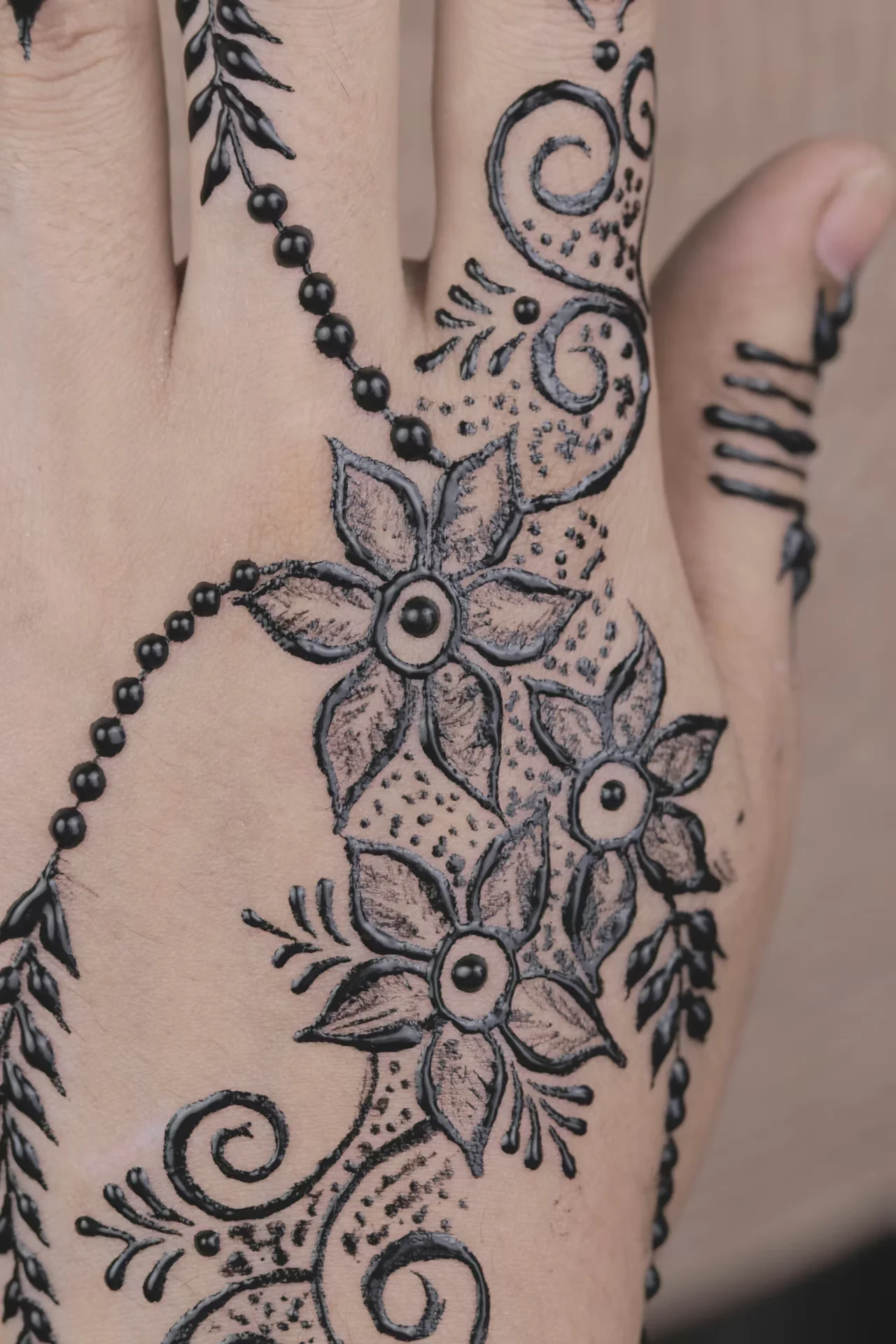
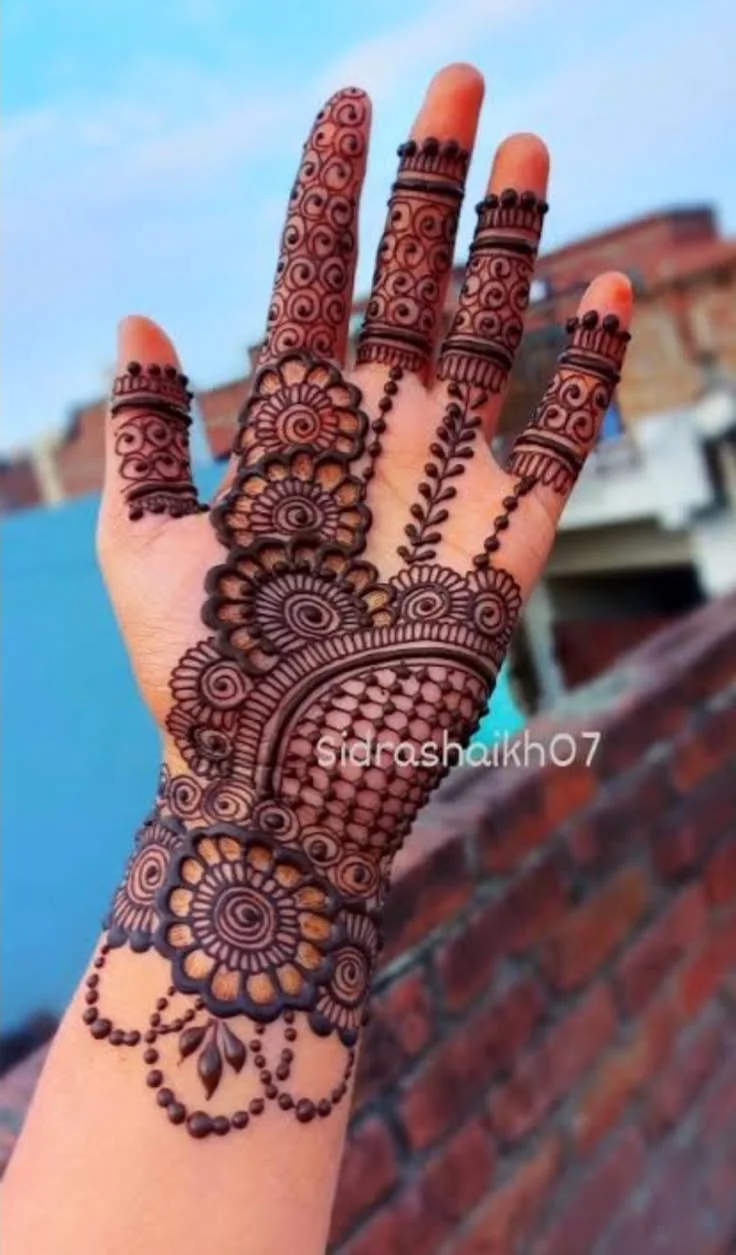
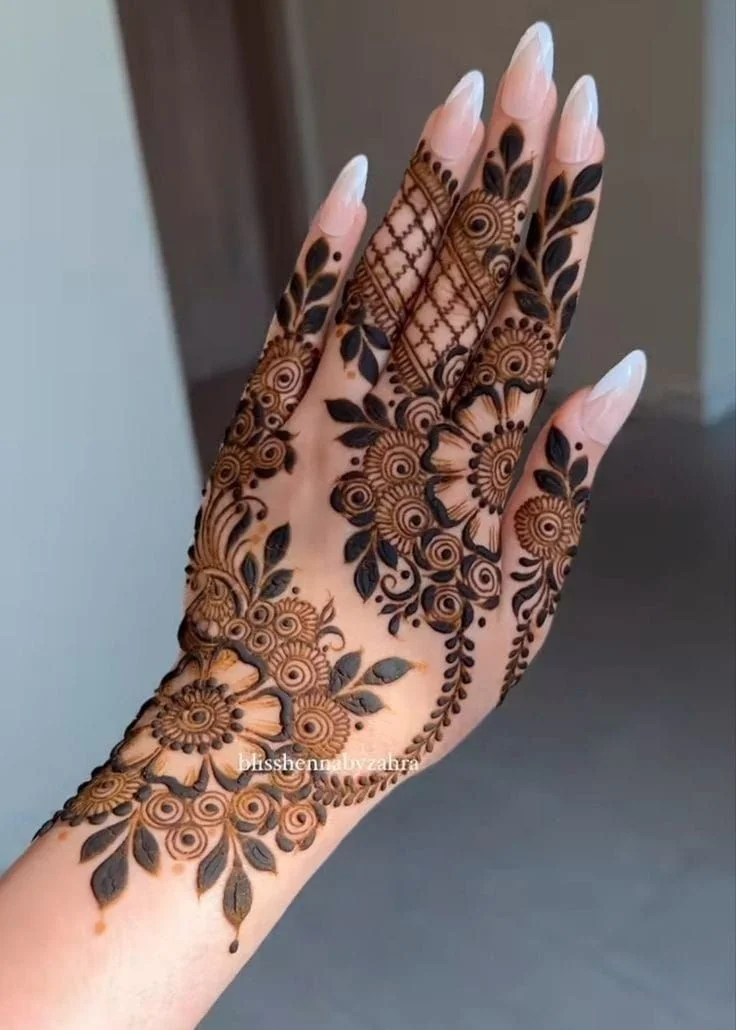
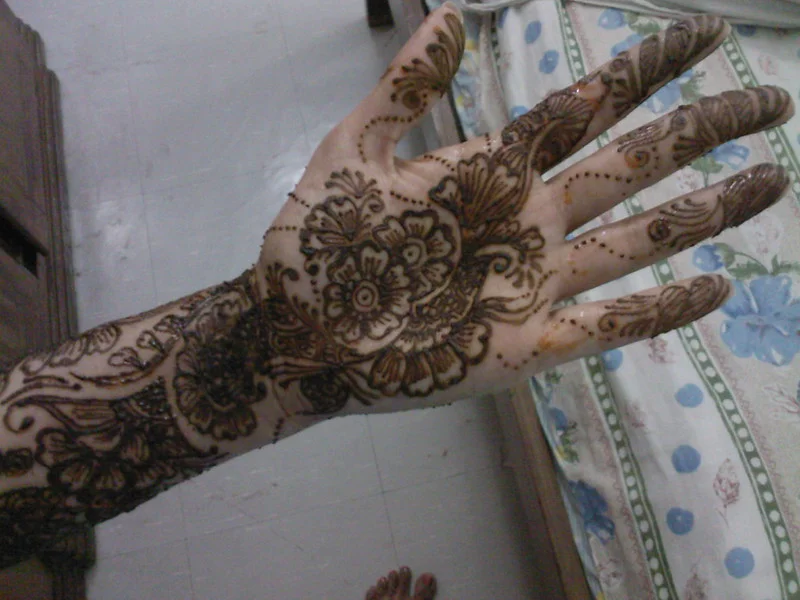
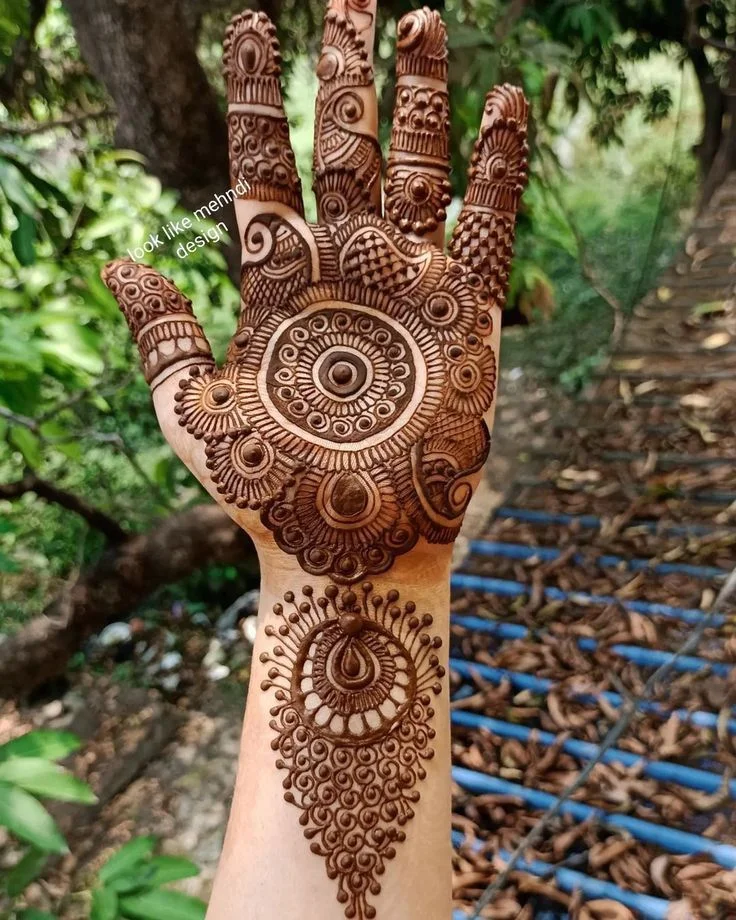
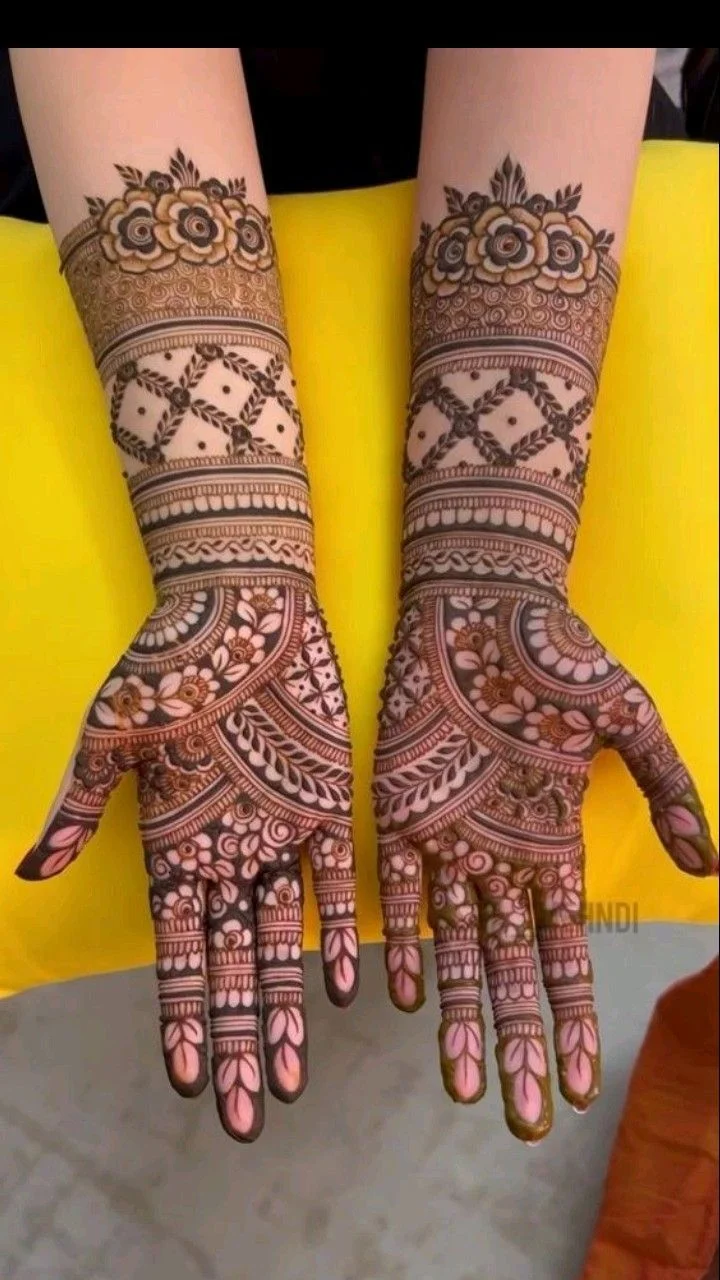
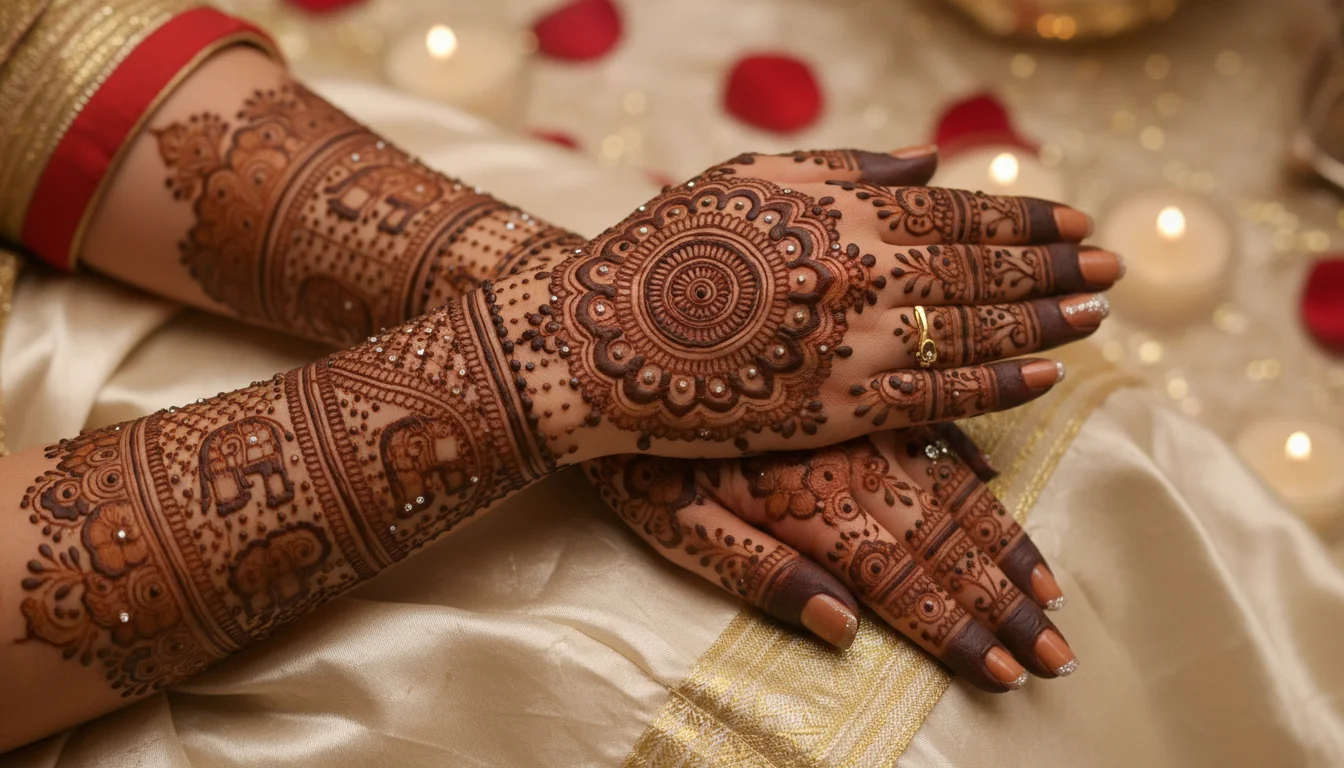
Bold outlines, large floral motifs, more skin left bare than covered. 2 curated designs from Gulf-region tradition — every one tagged for placement, occasion, and minutes-to-apply.
30 min · Beginner
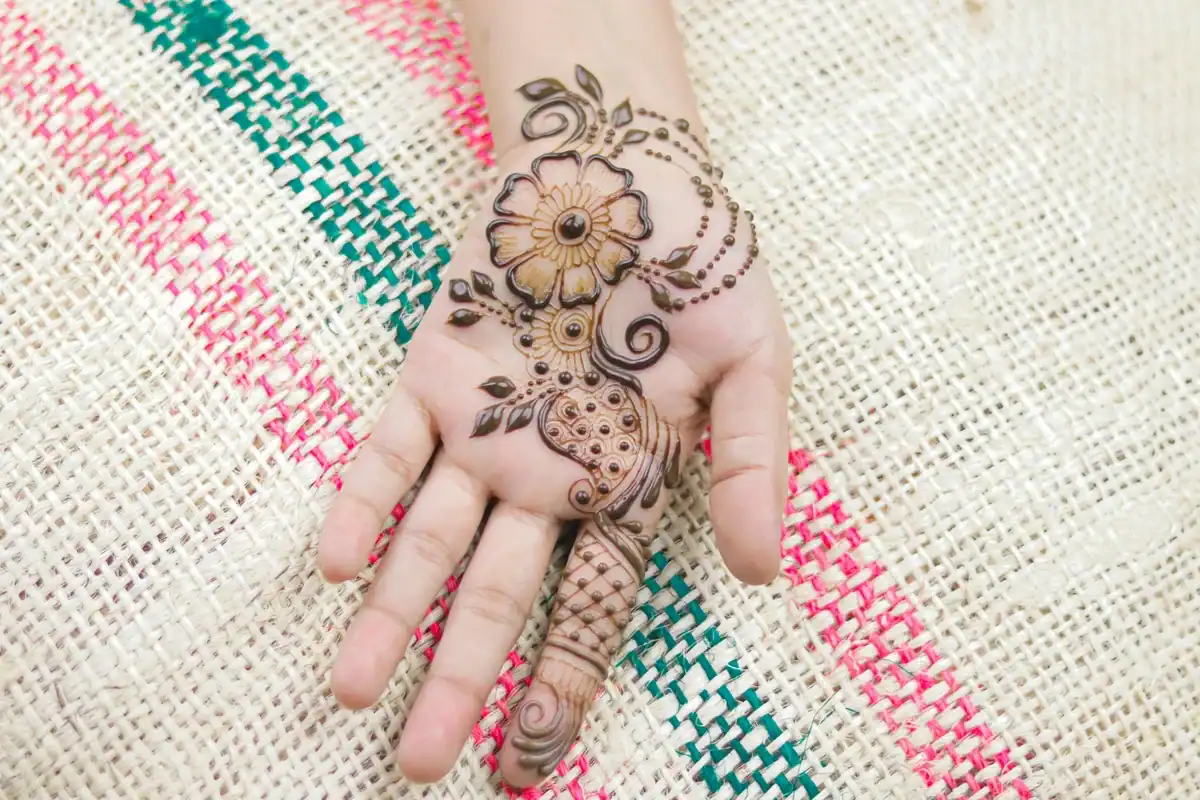
30 min · Beginner
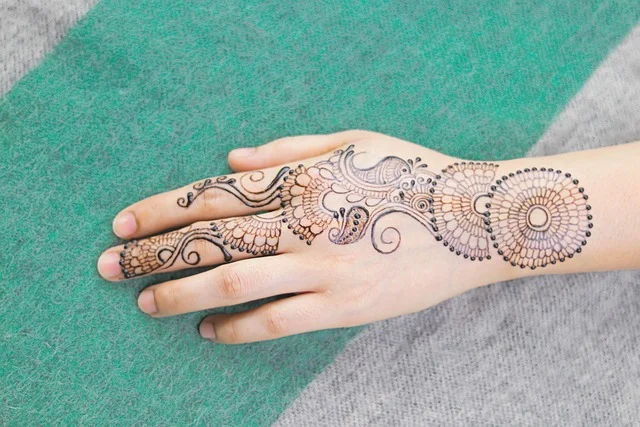
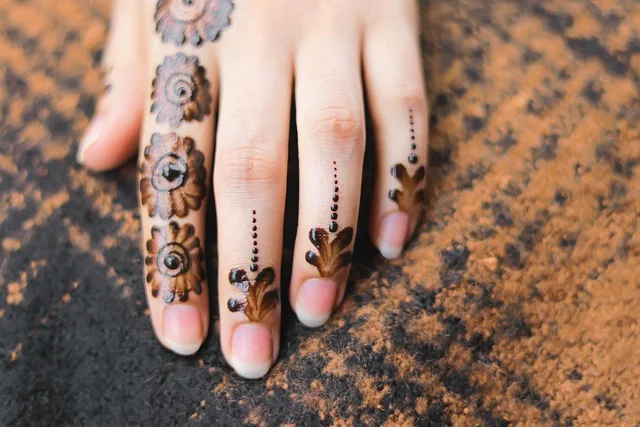
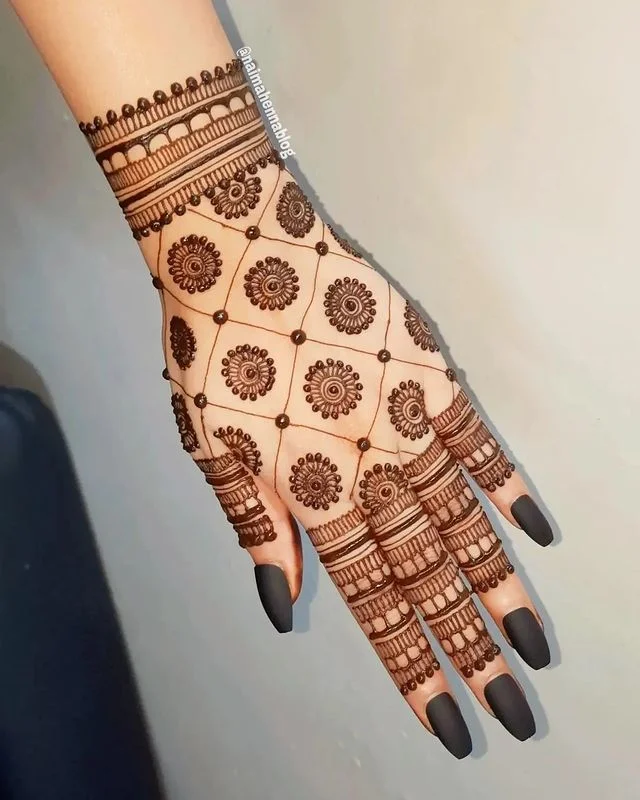
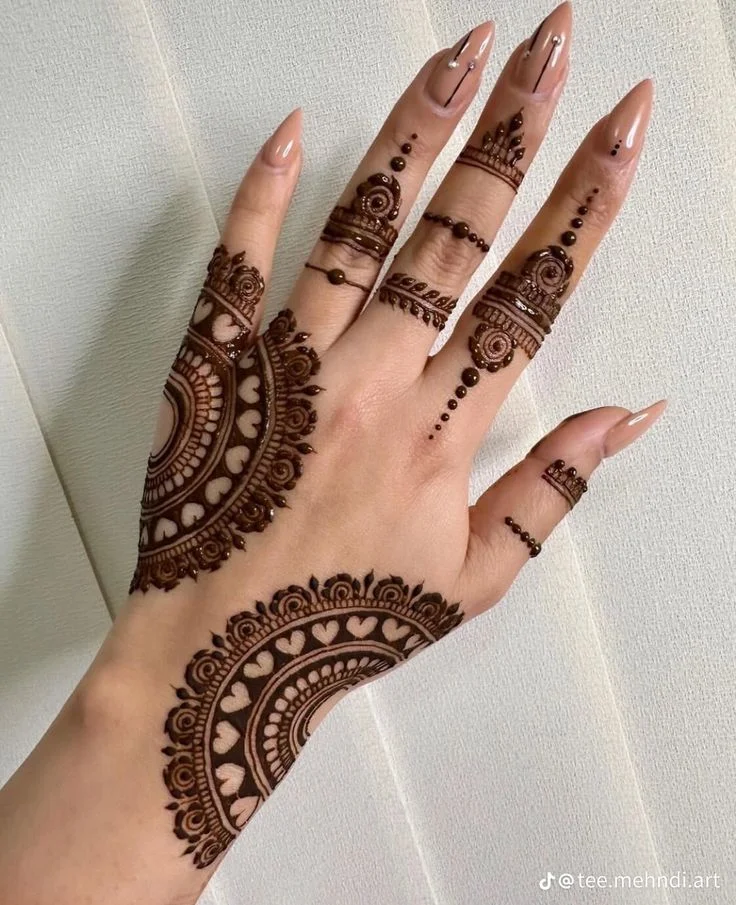
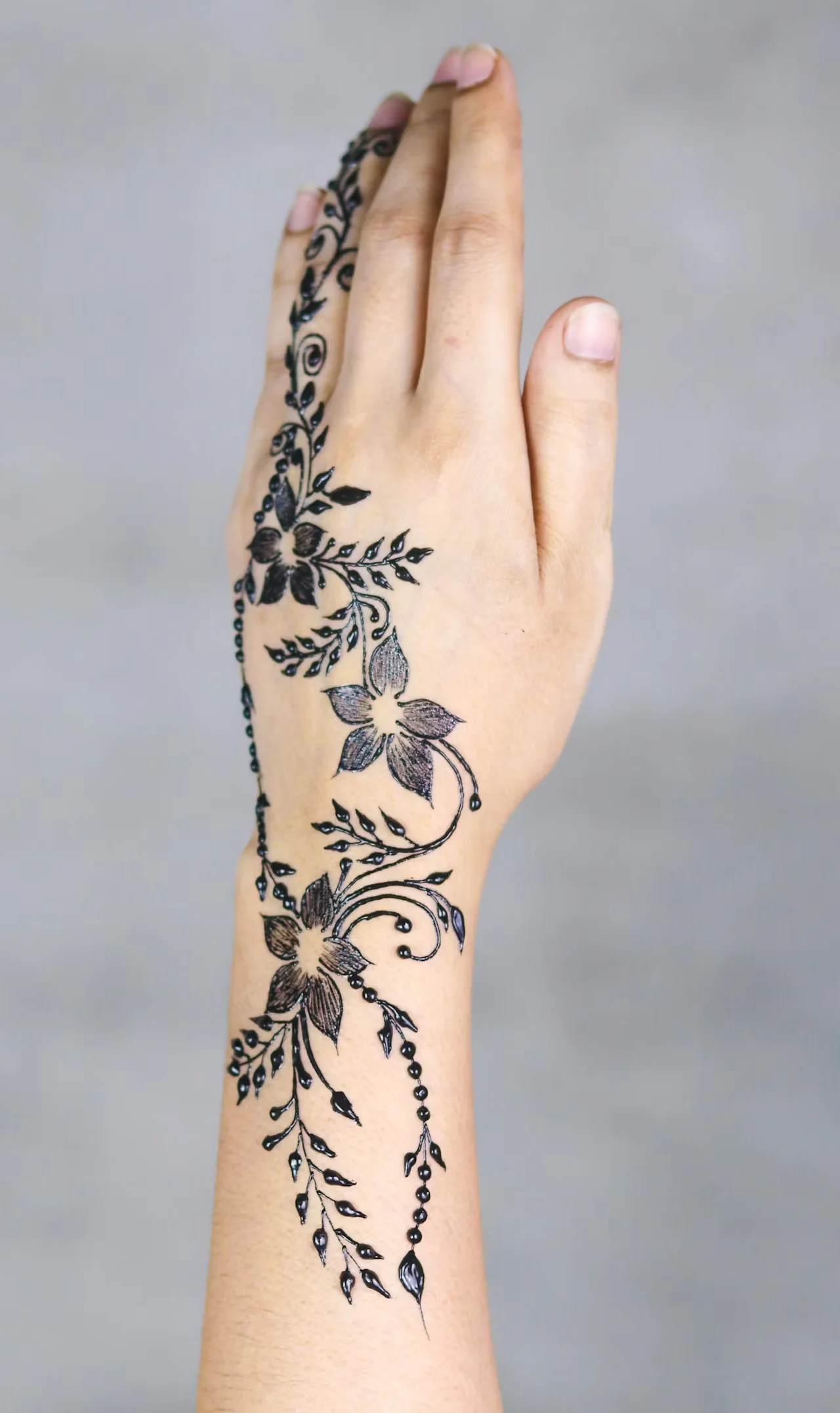
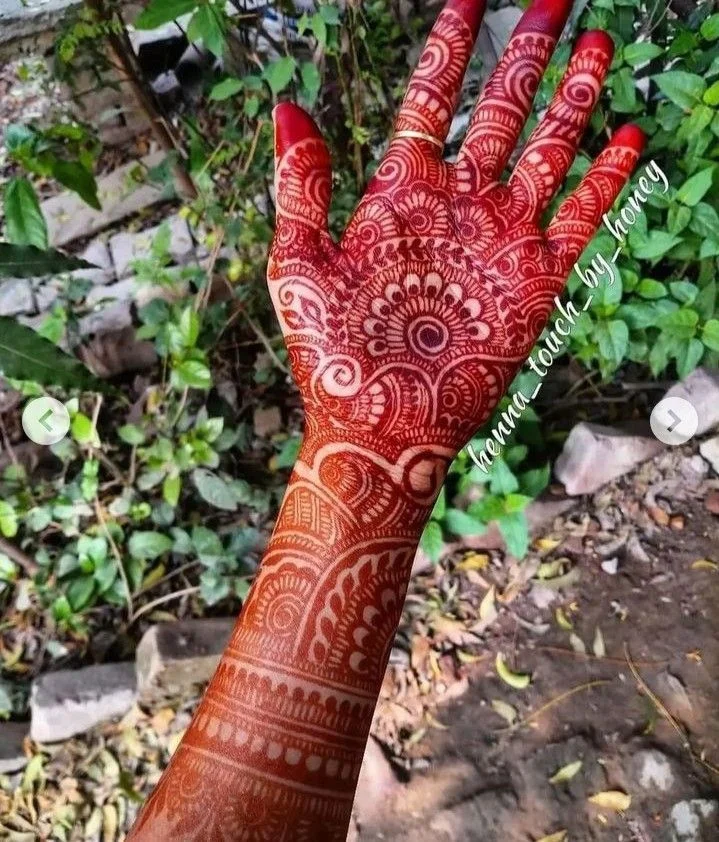
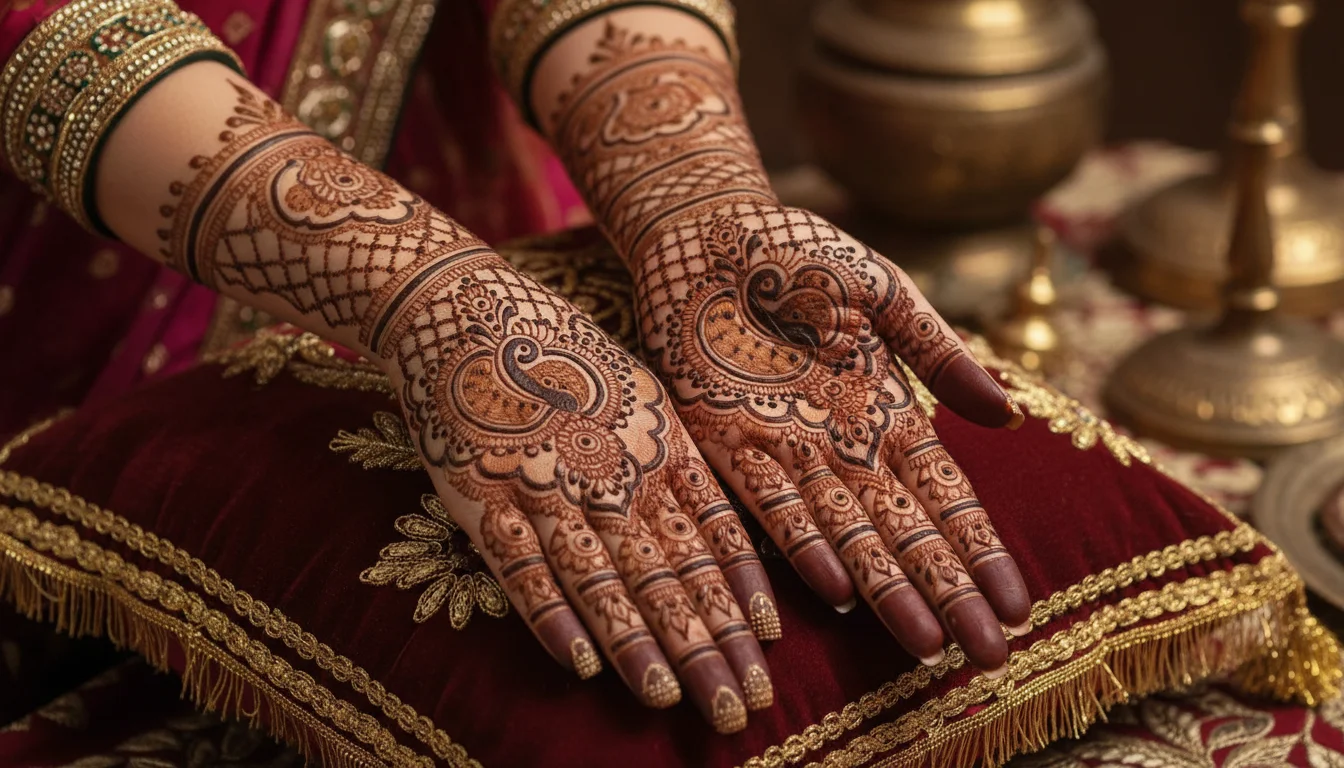
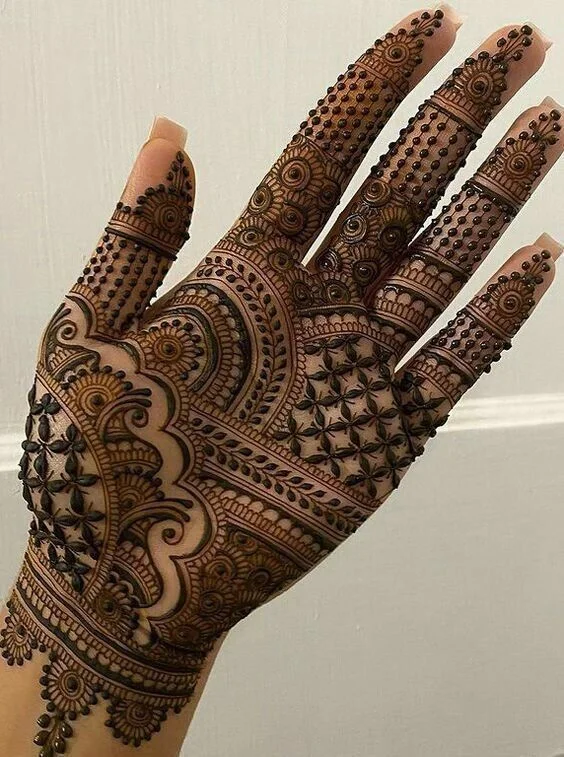
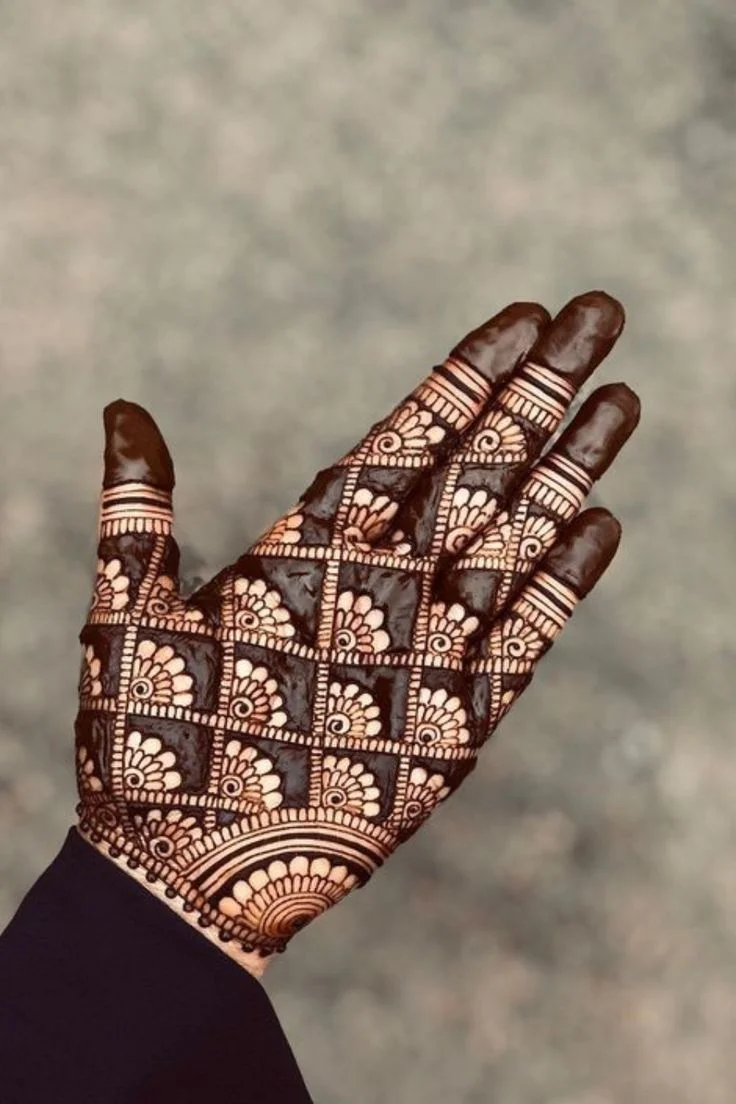
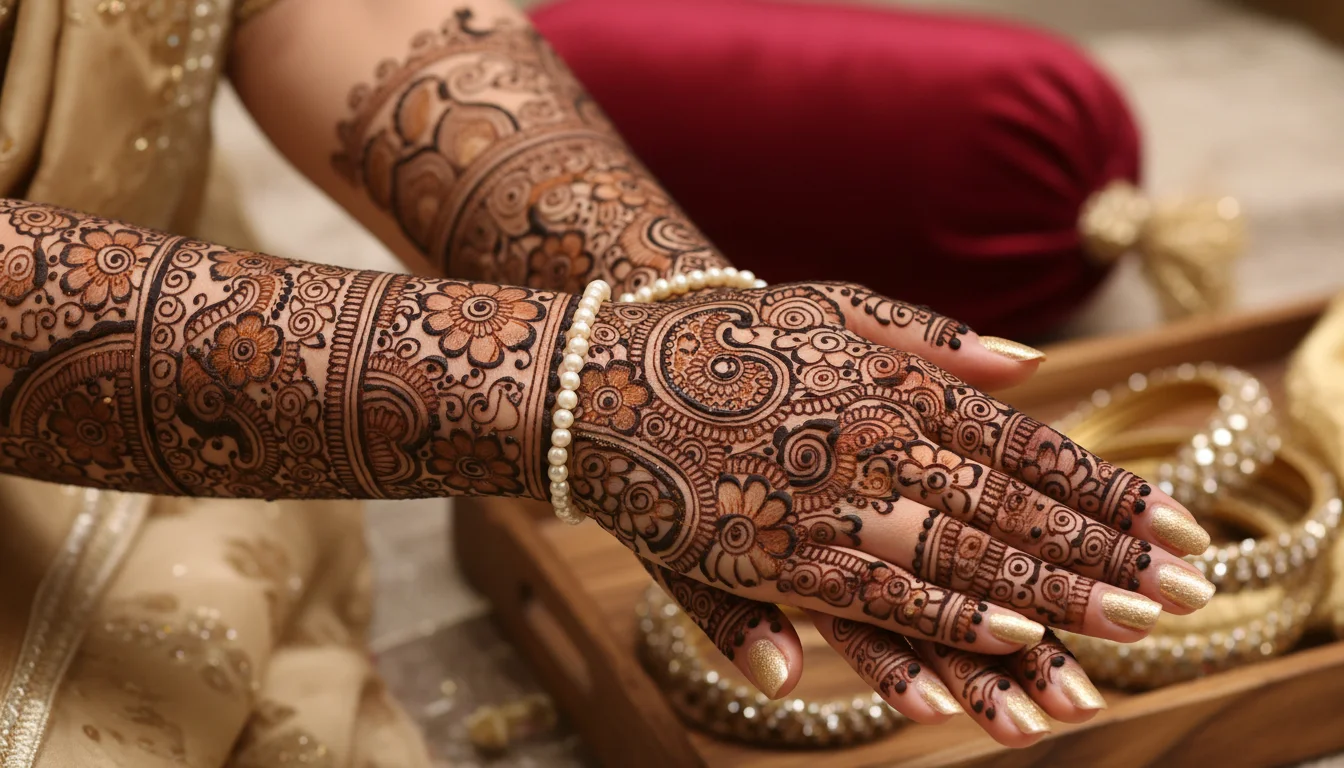
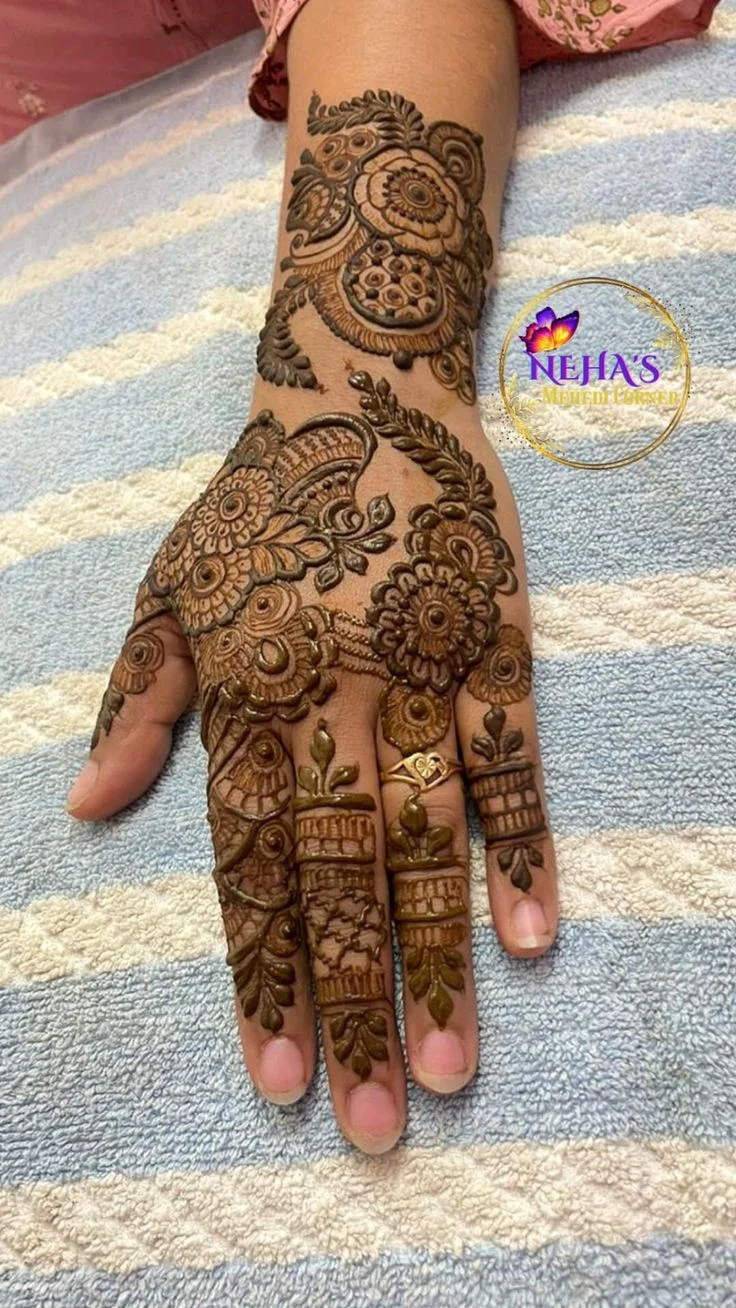
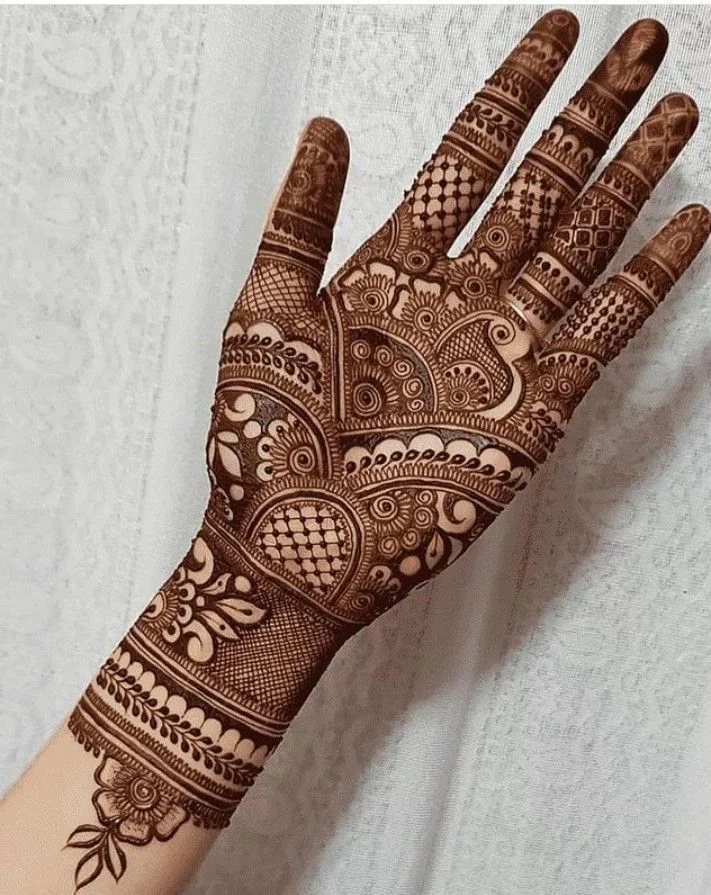
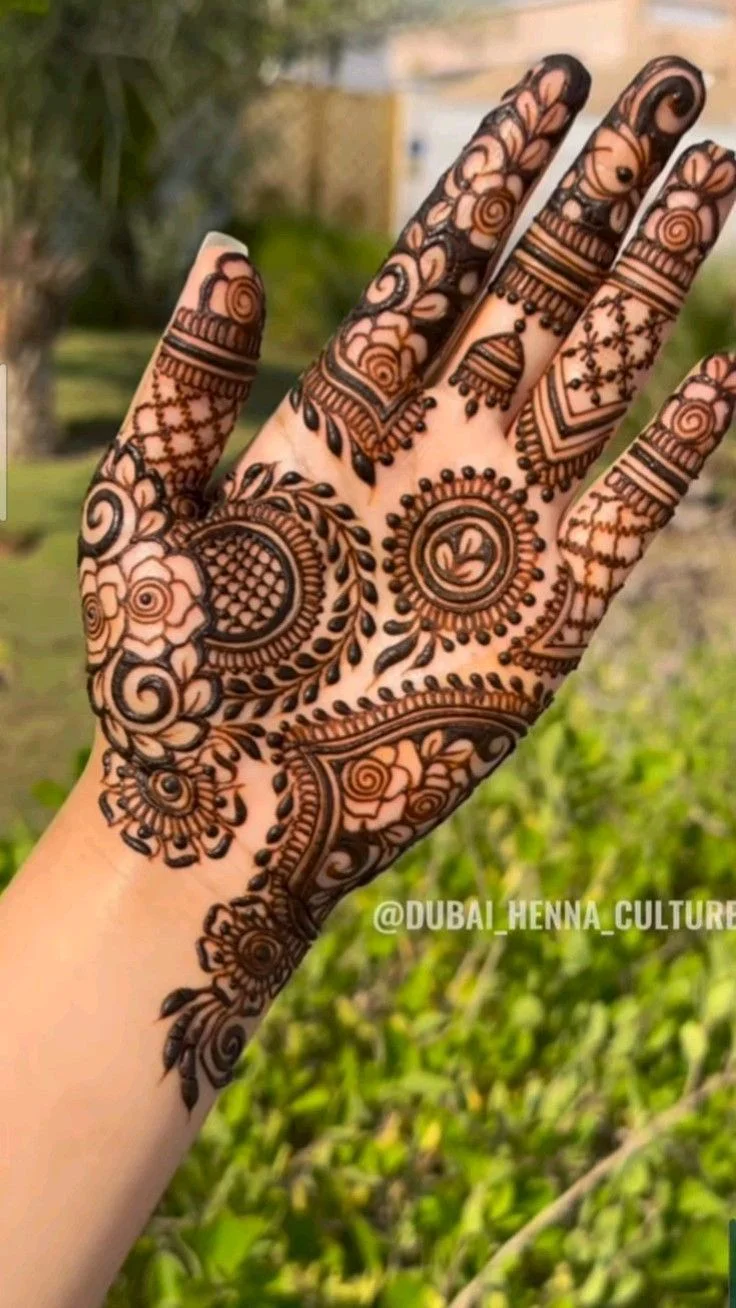
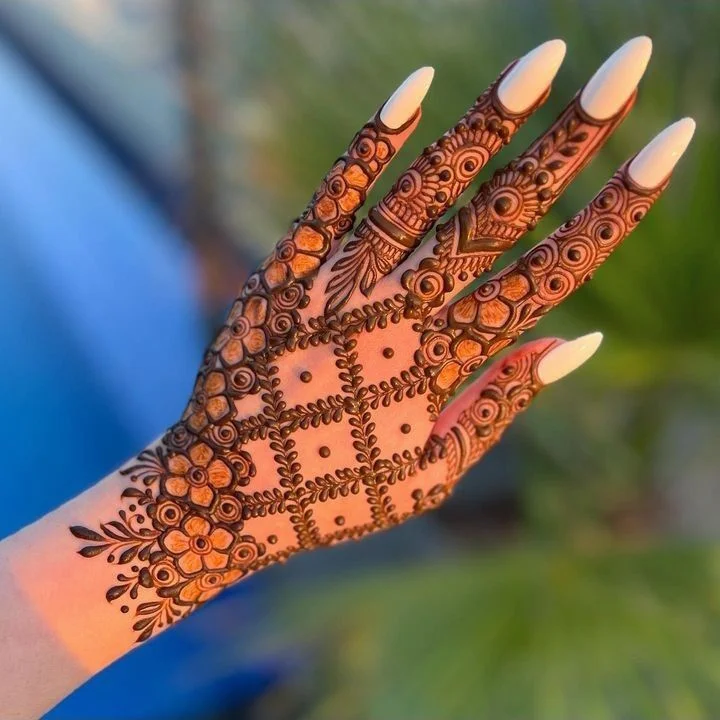
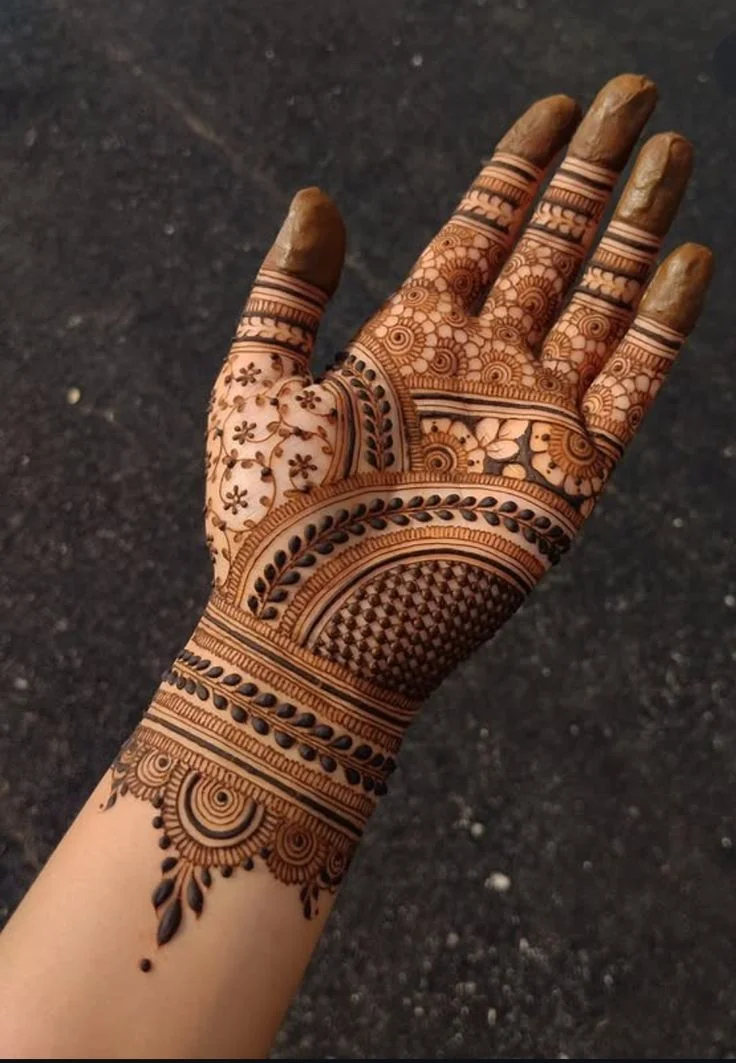
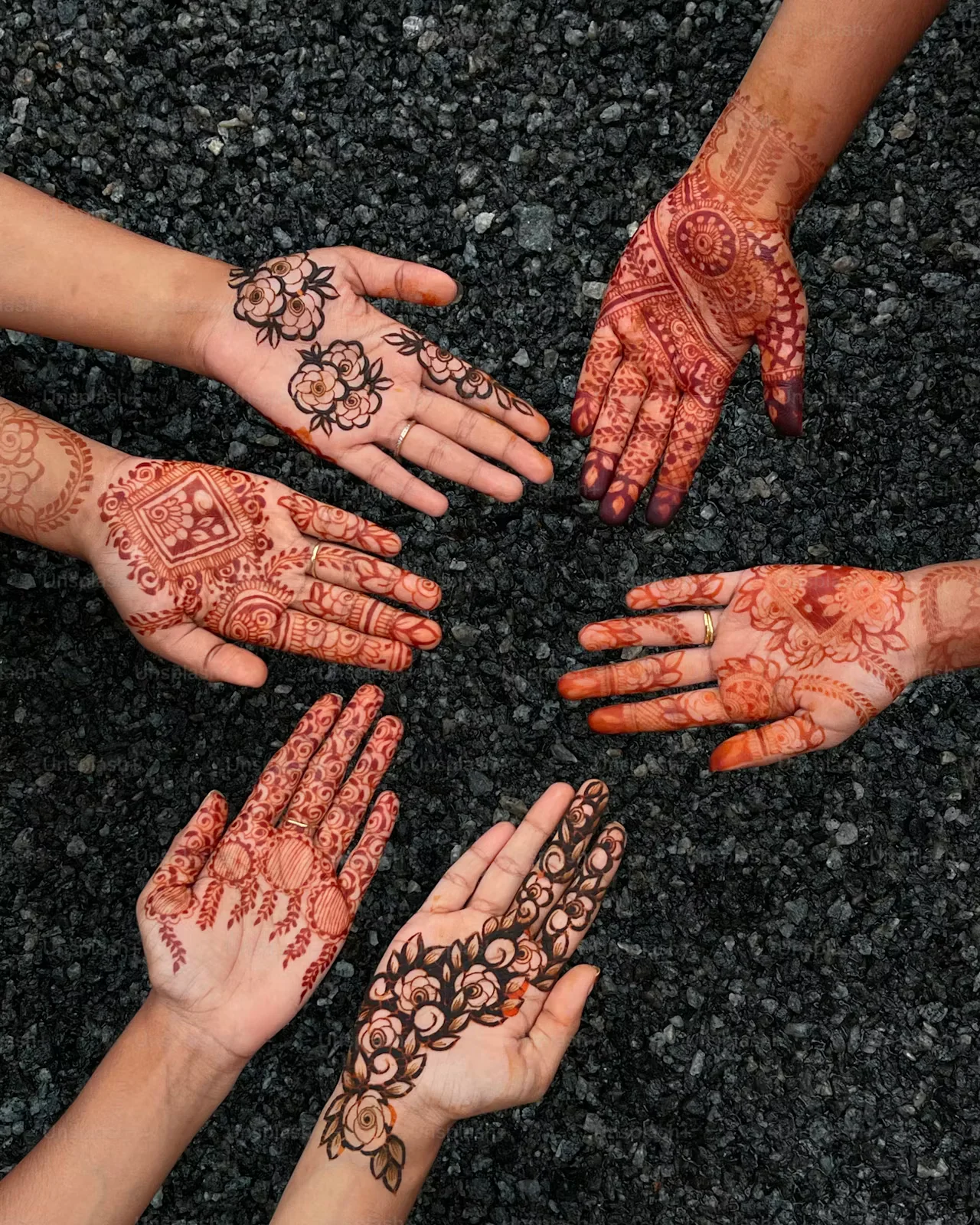
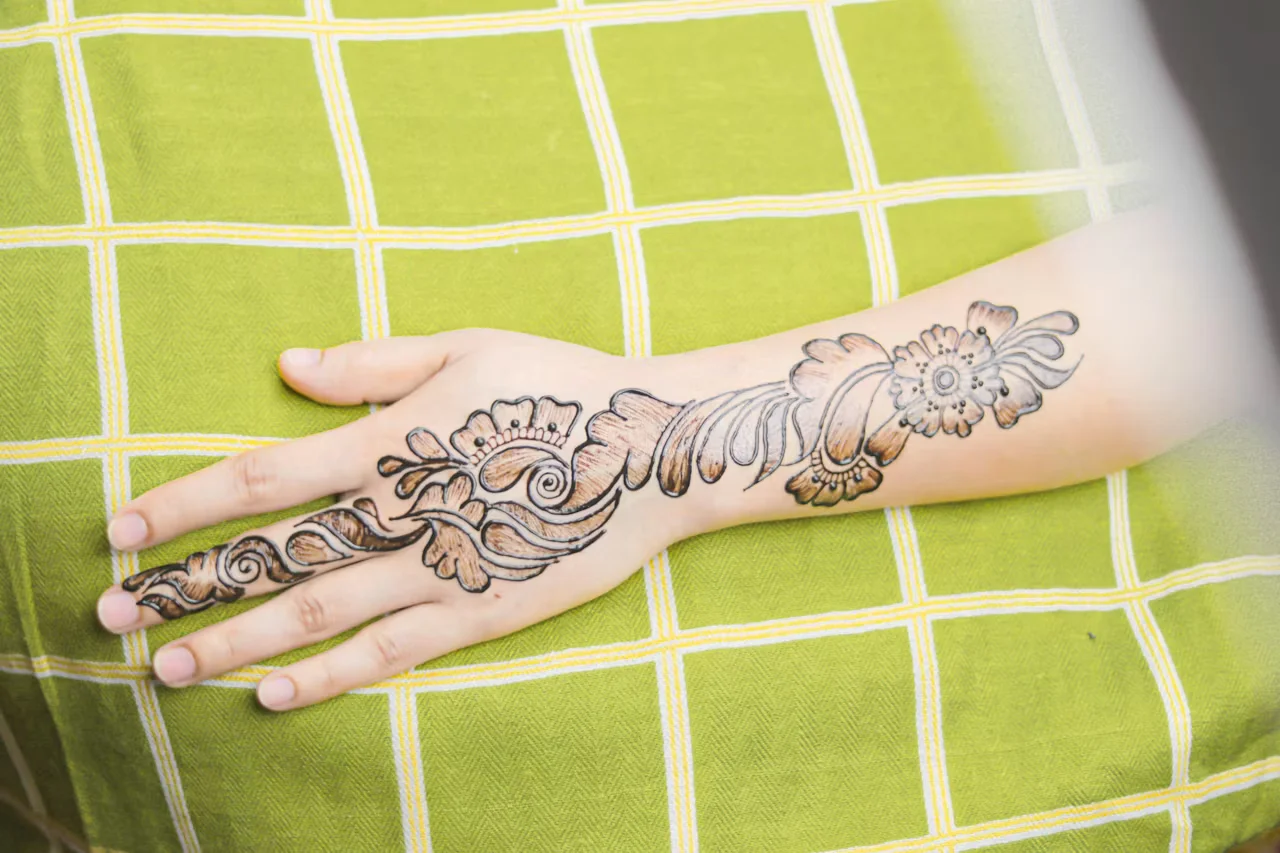
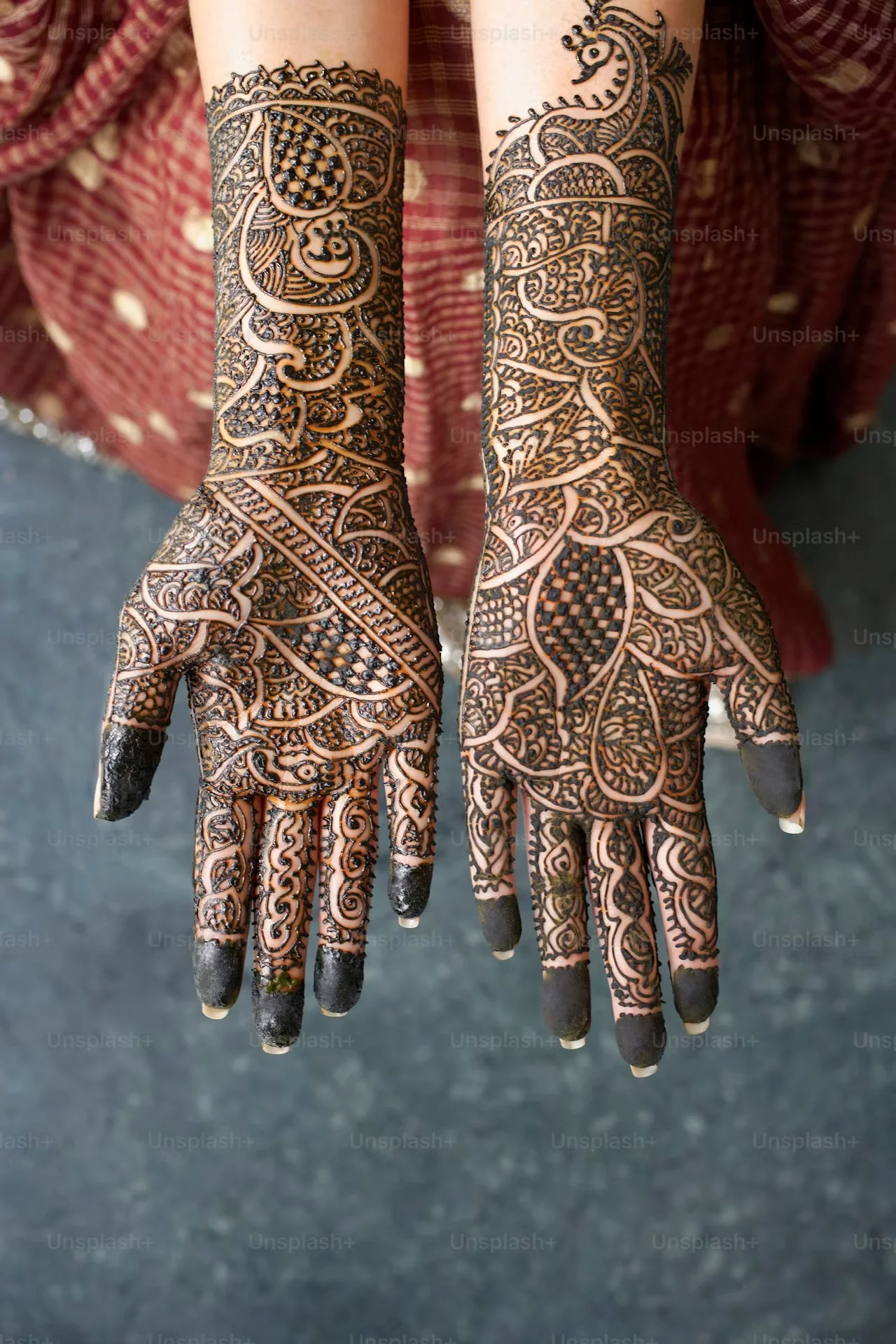
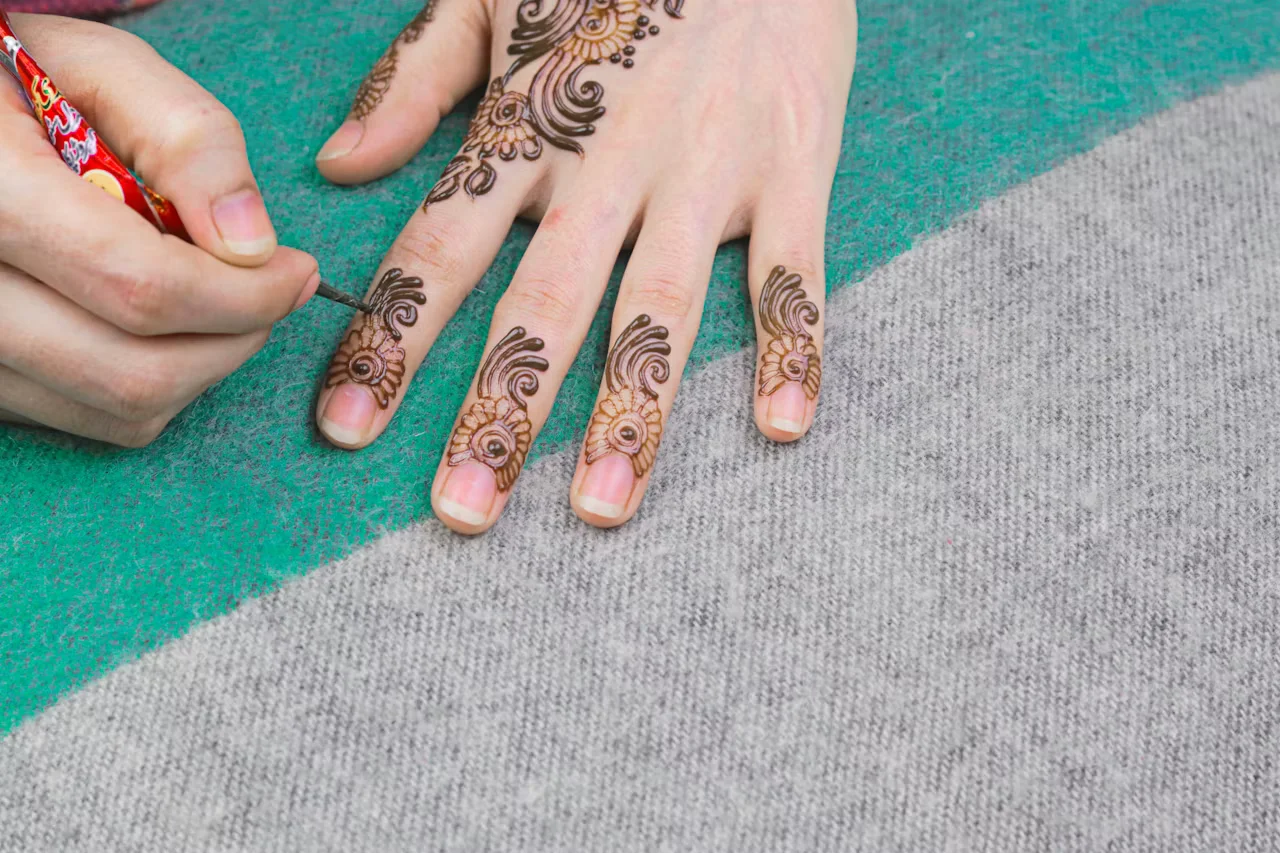
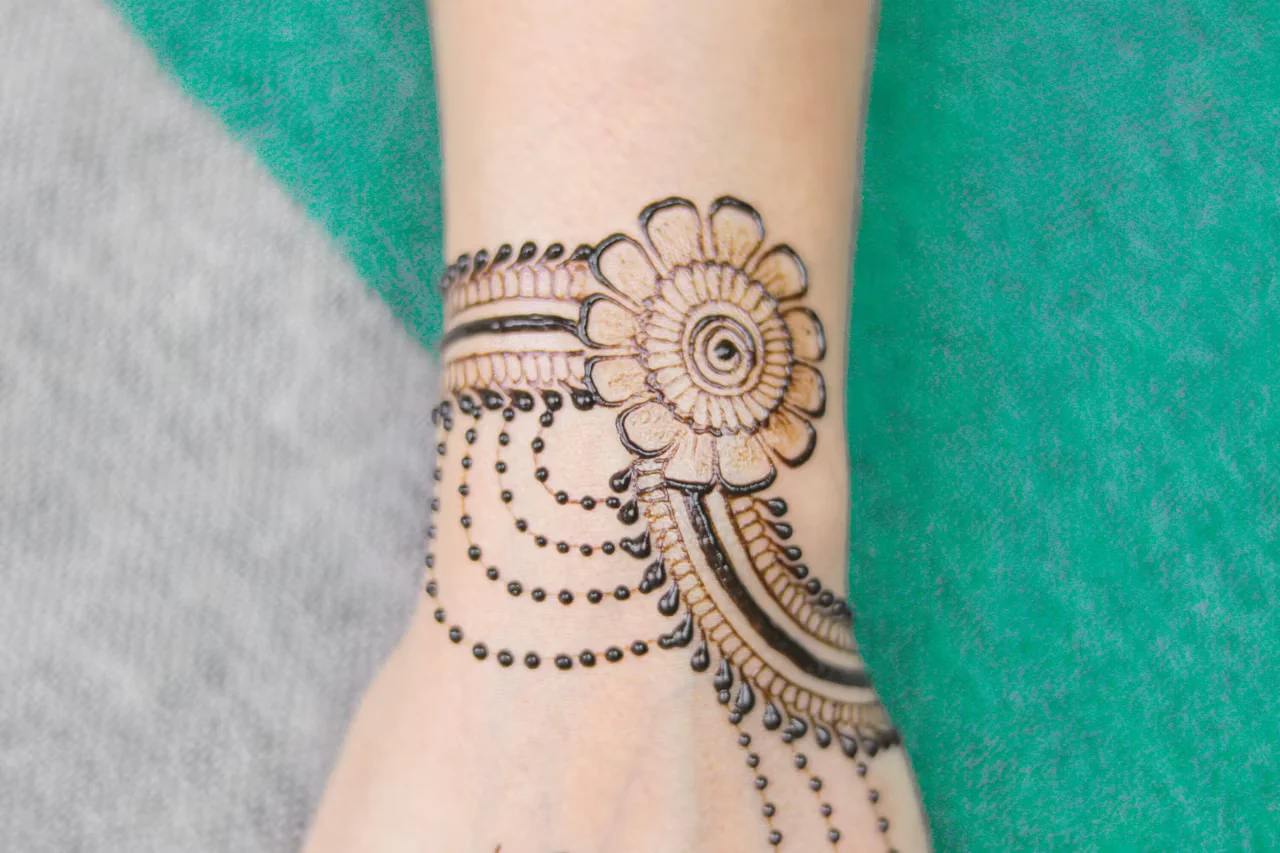
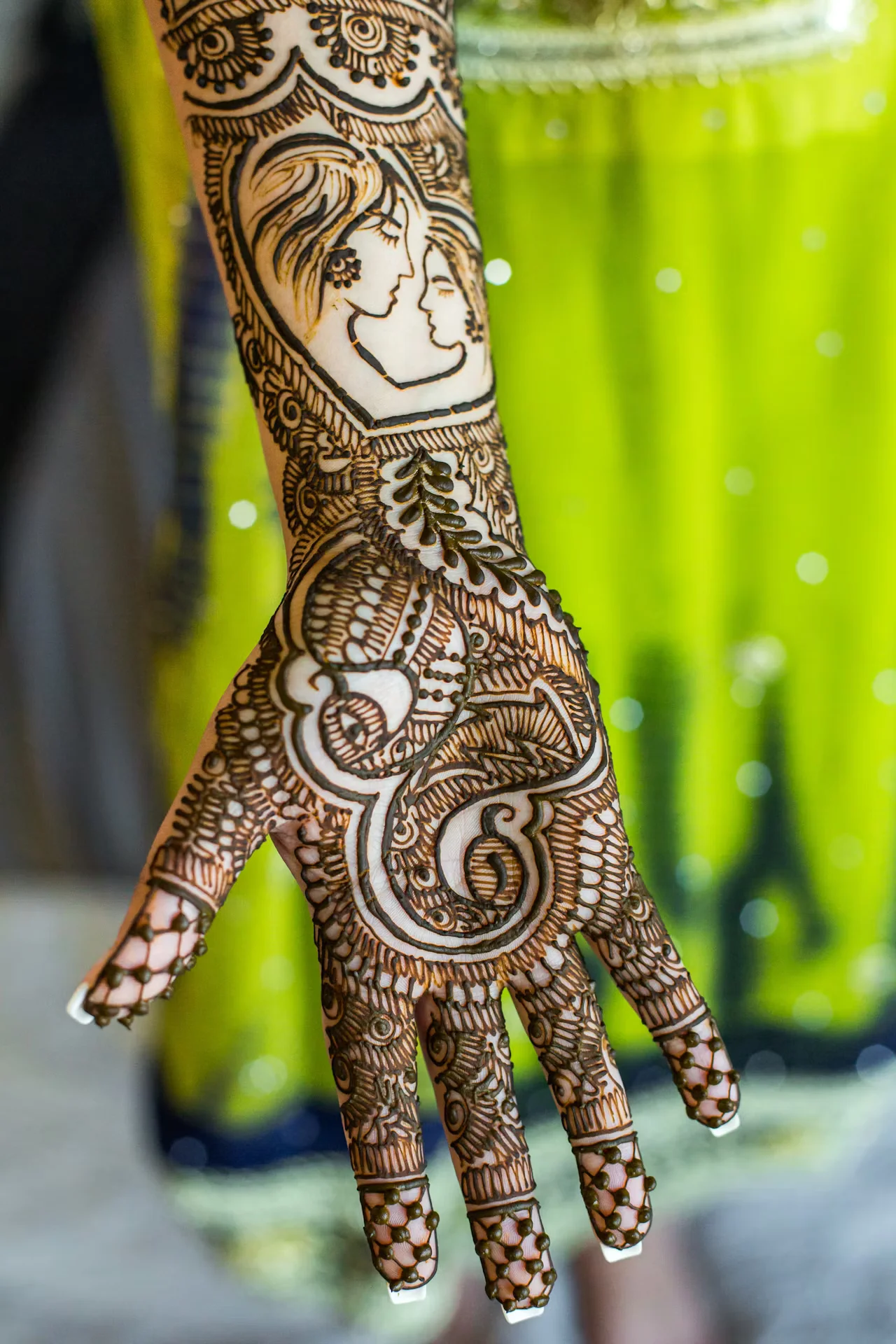
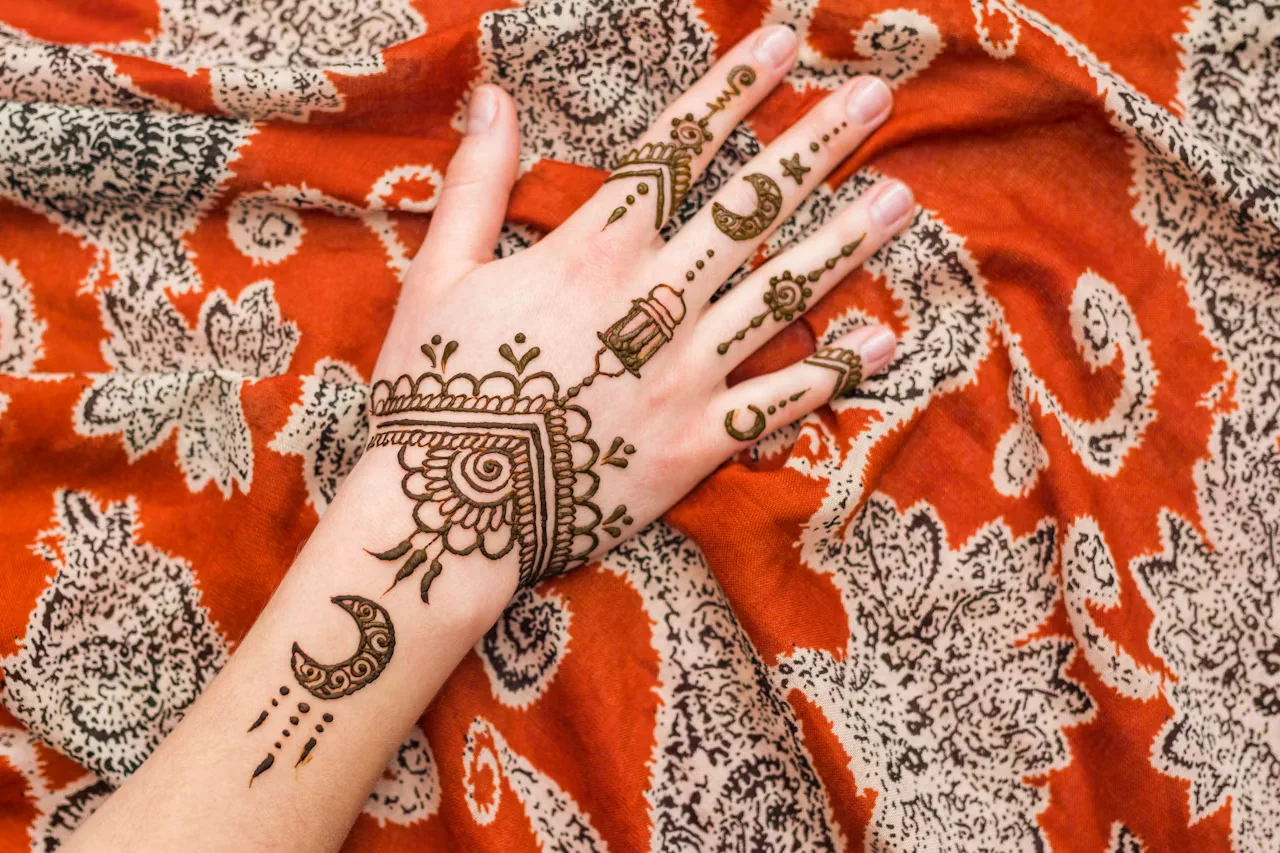
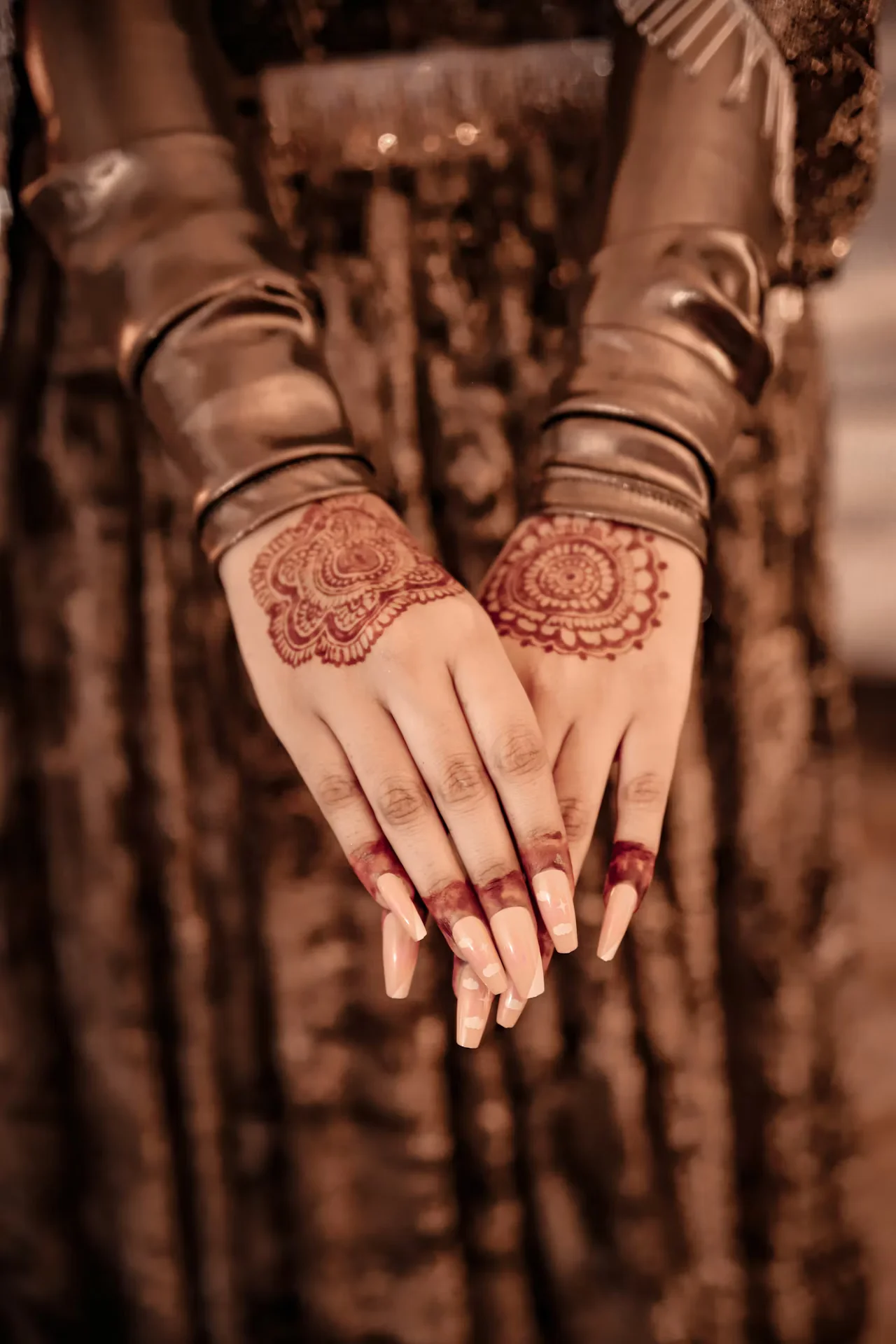
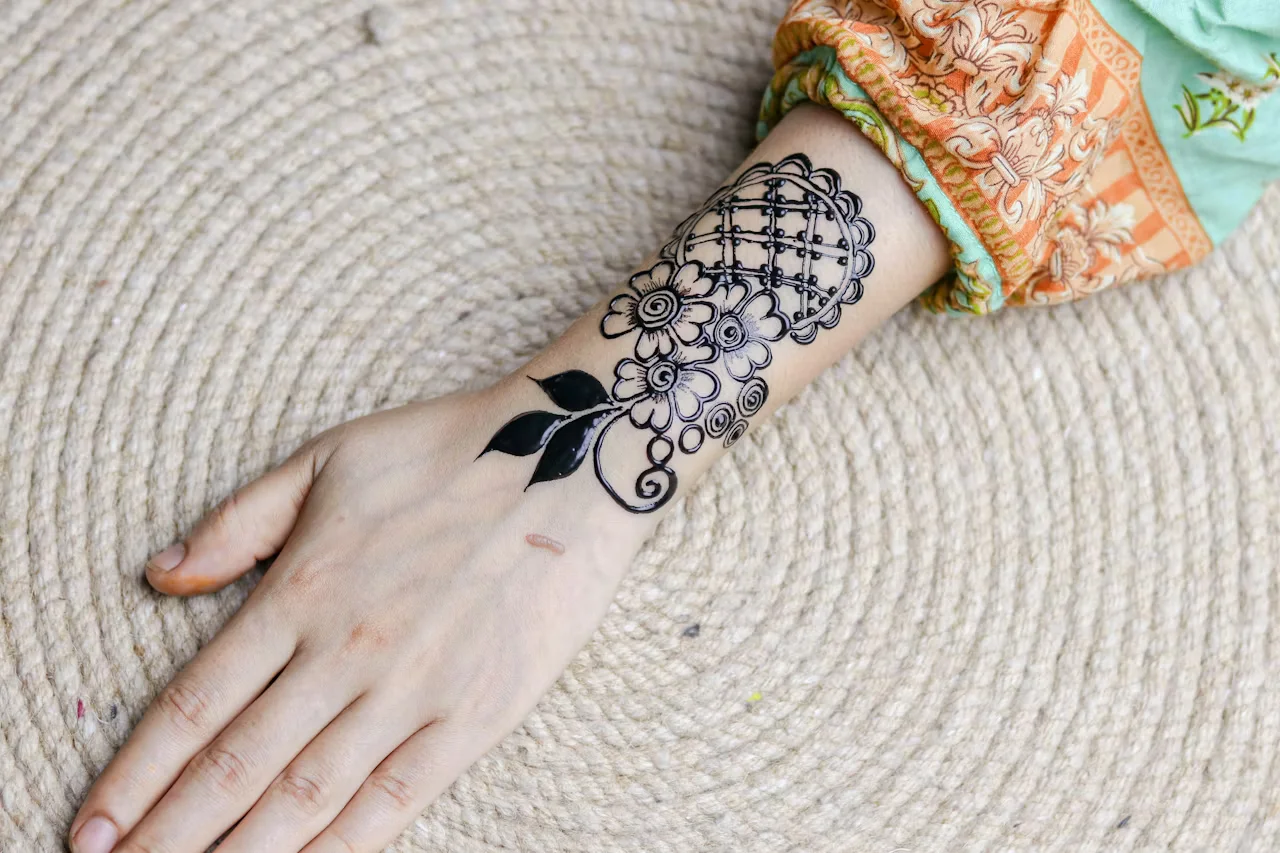
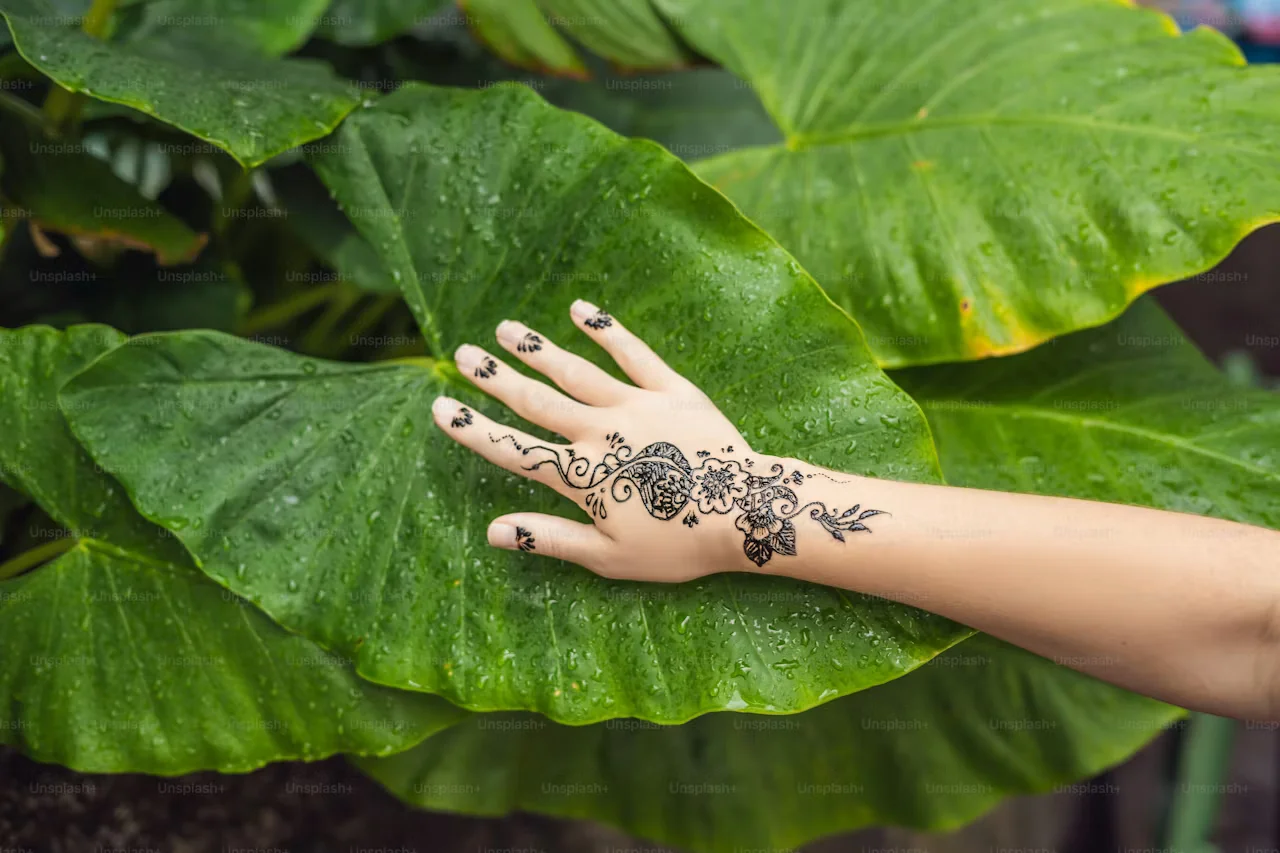
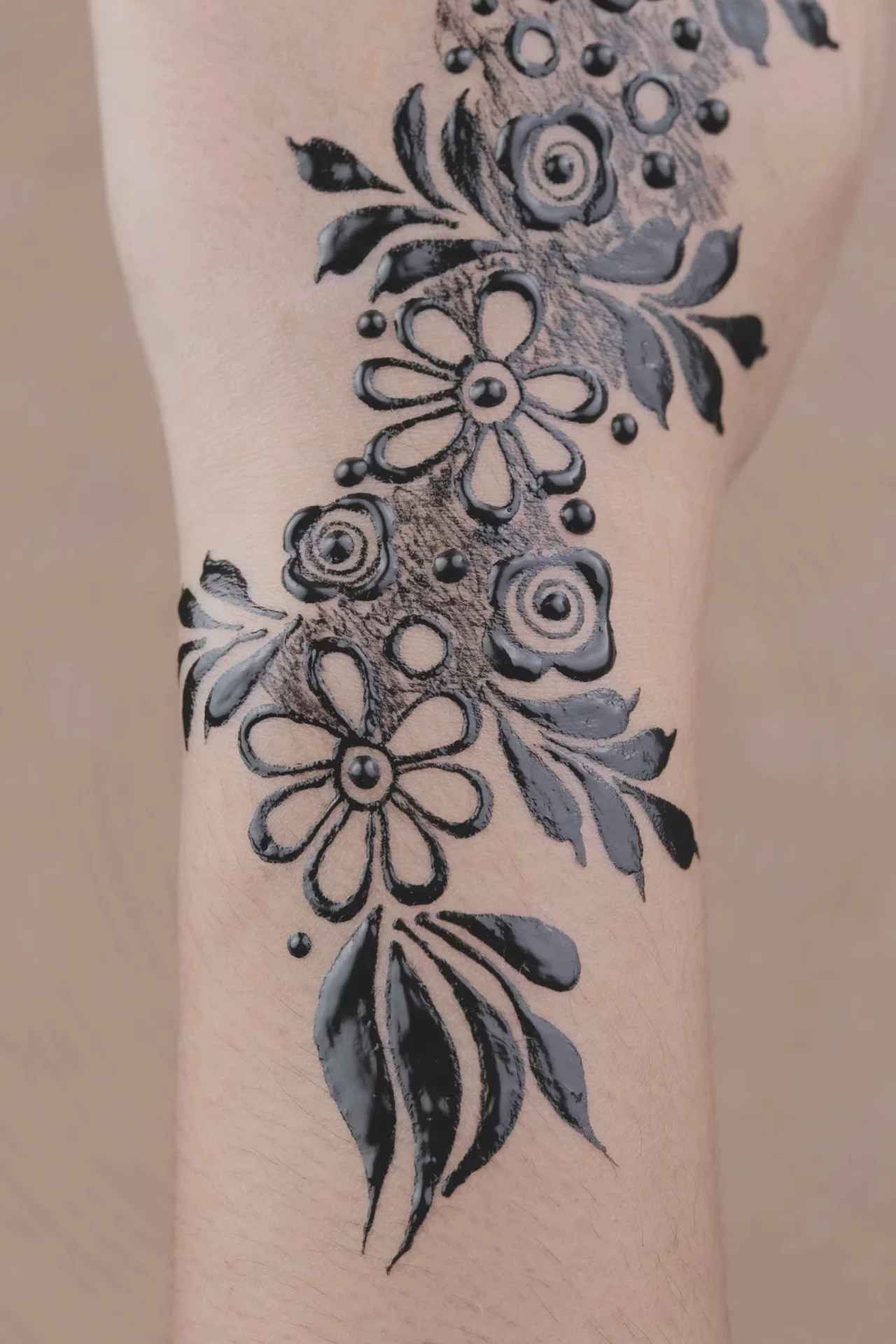
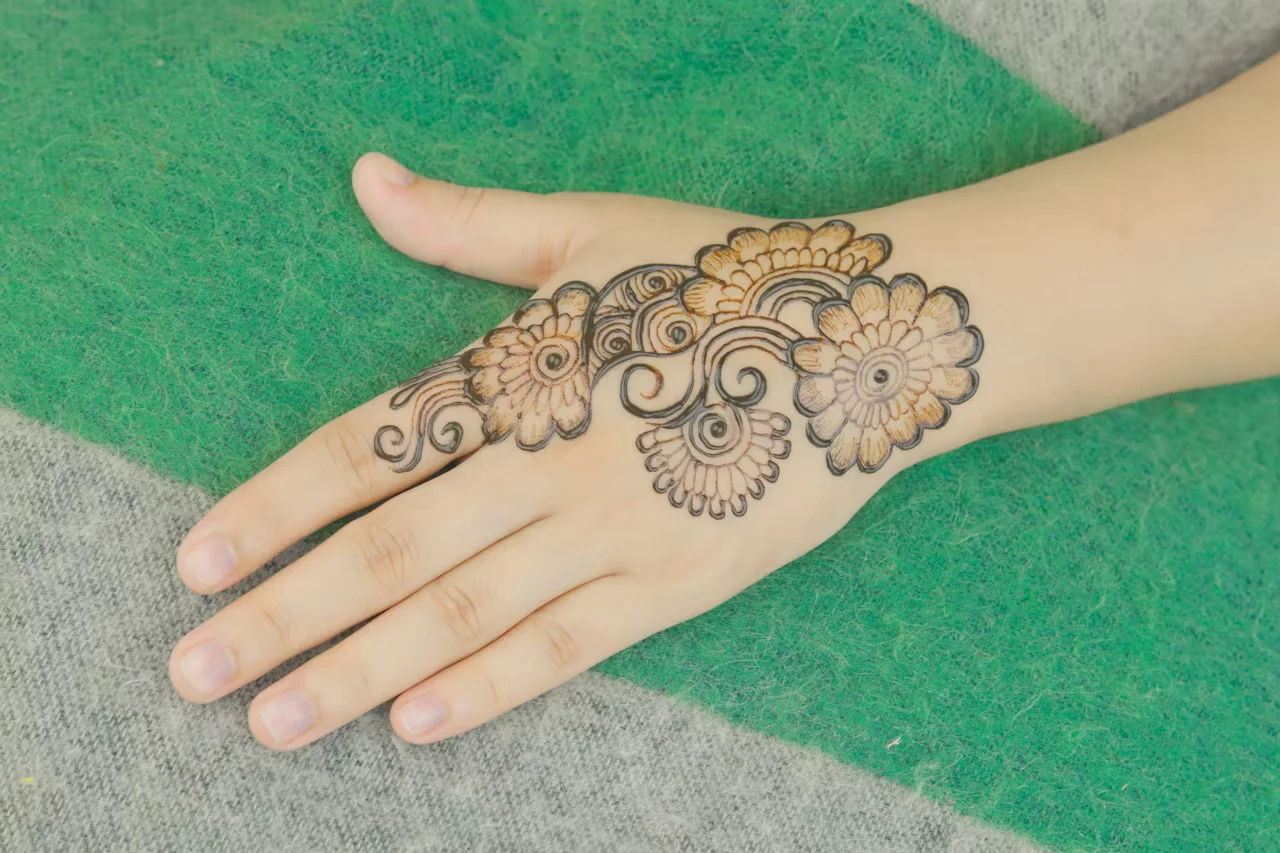
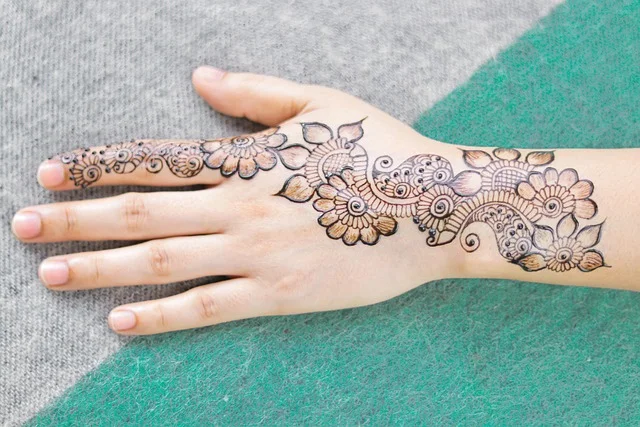
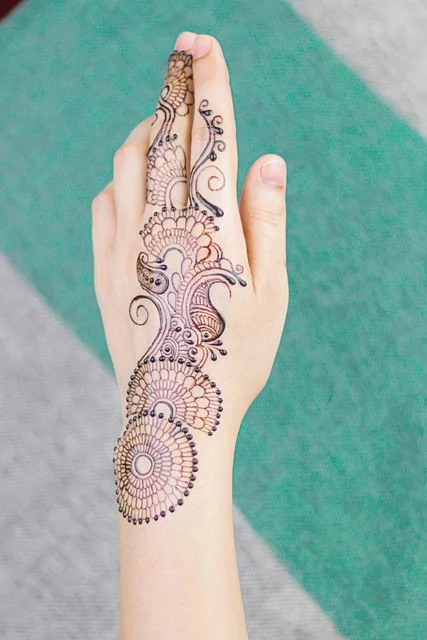

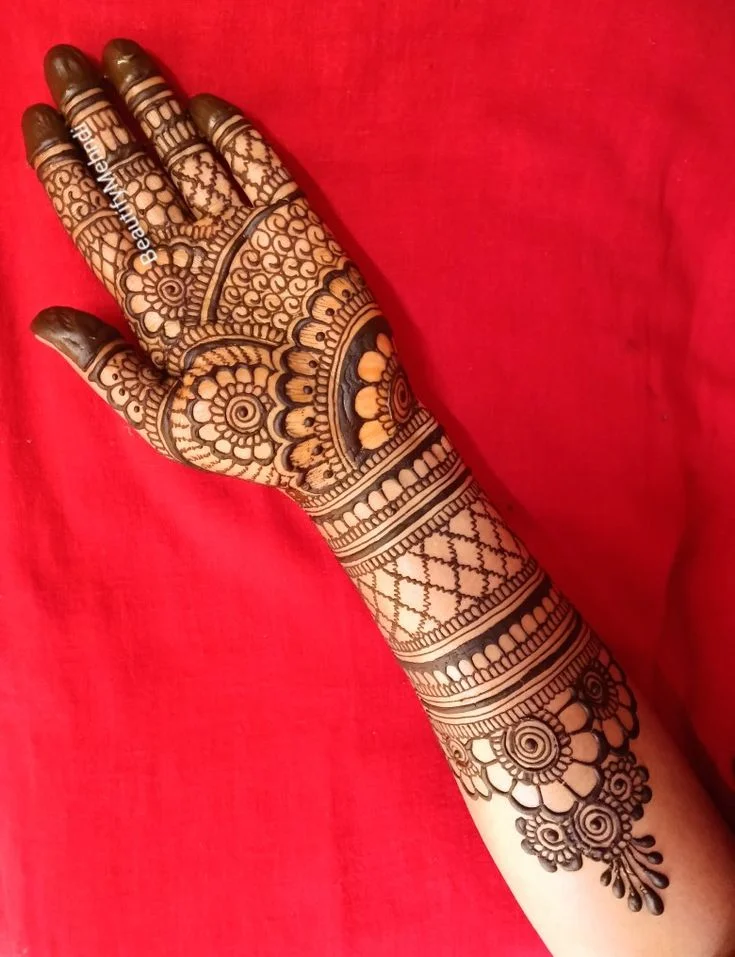
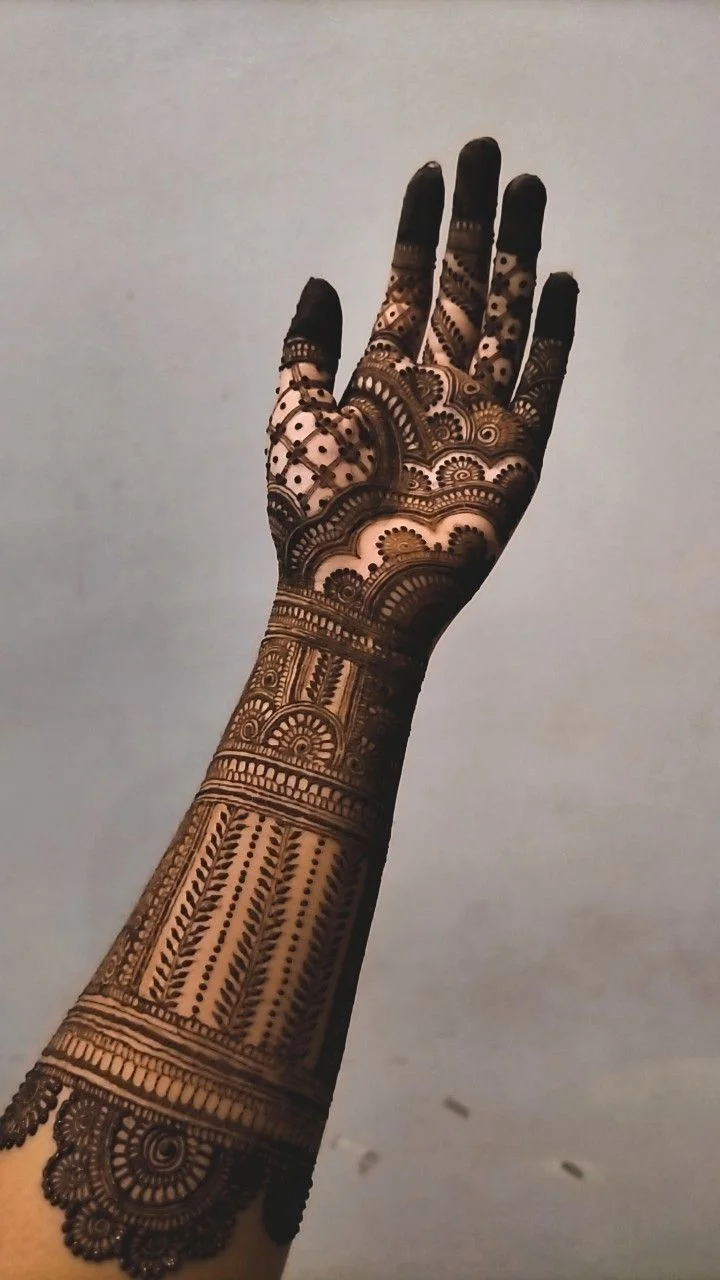
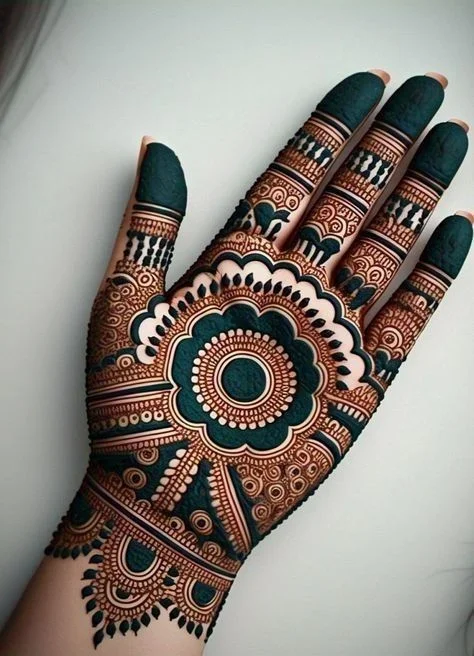
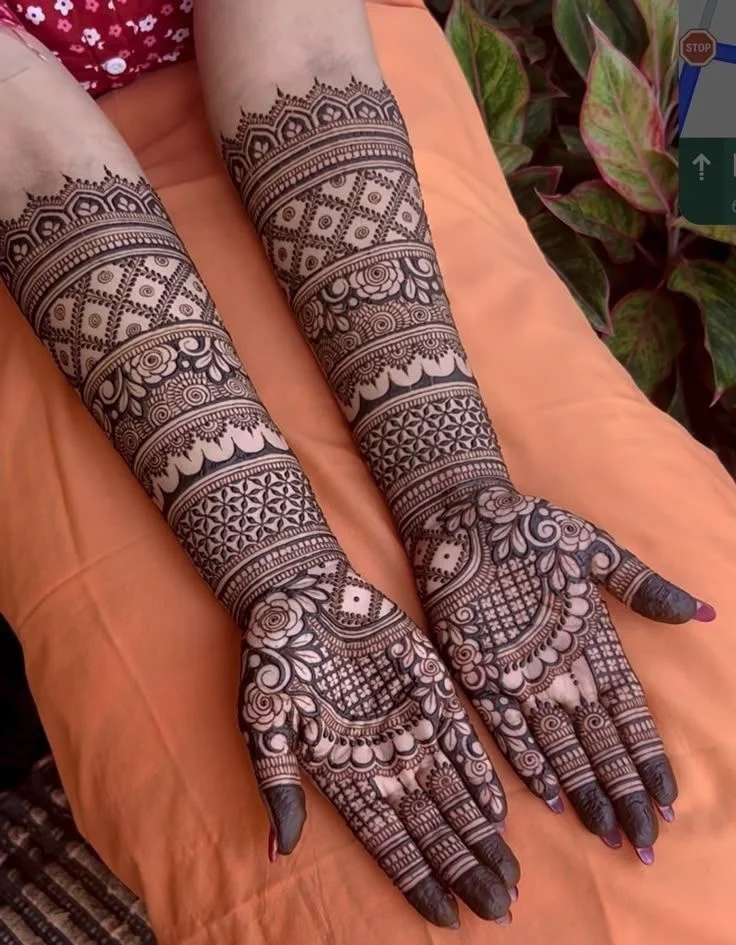
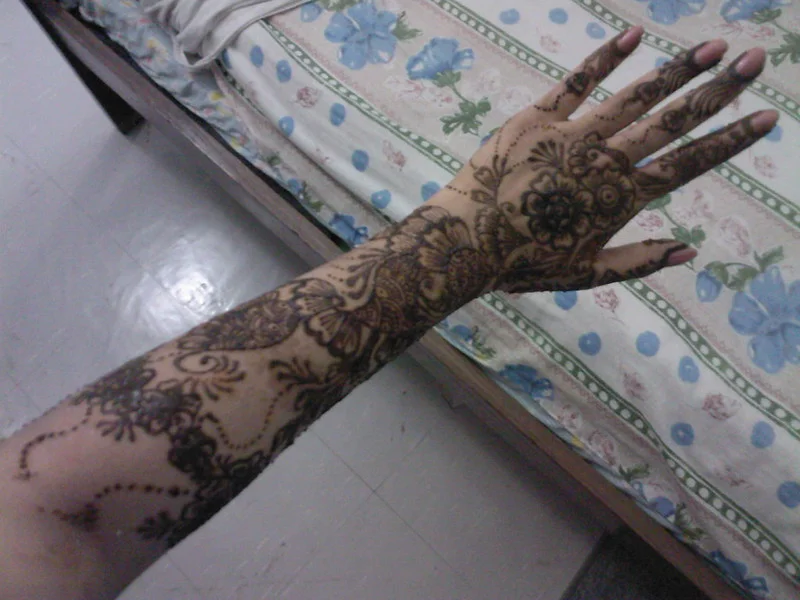
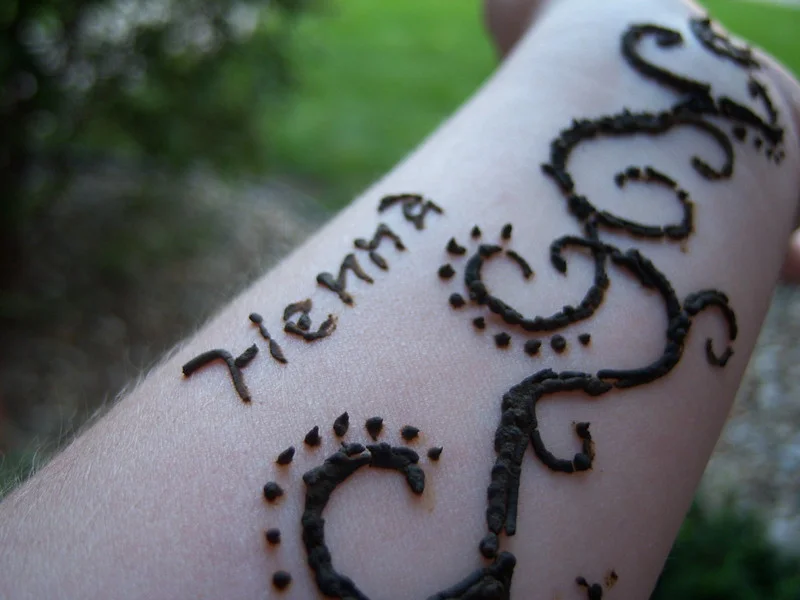
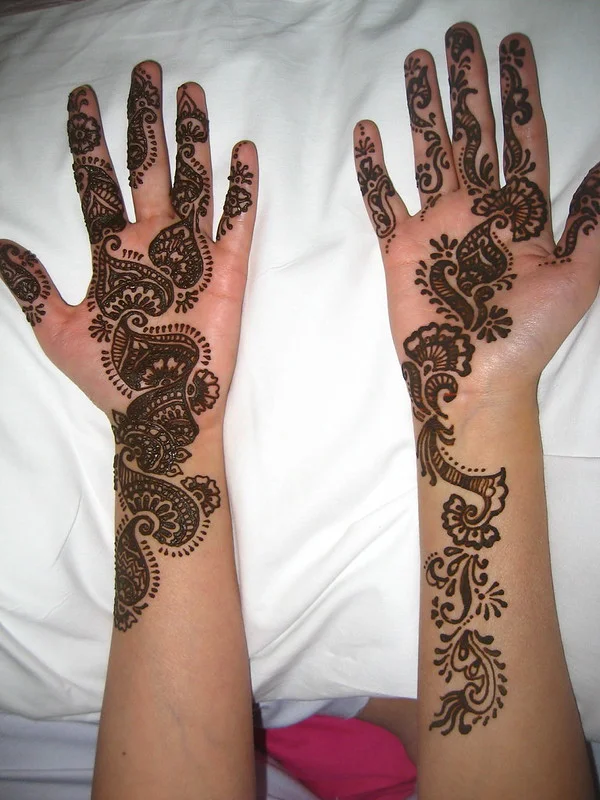
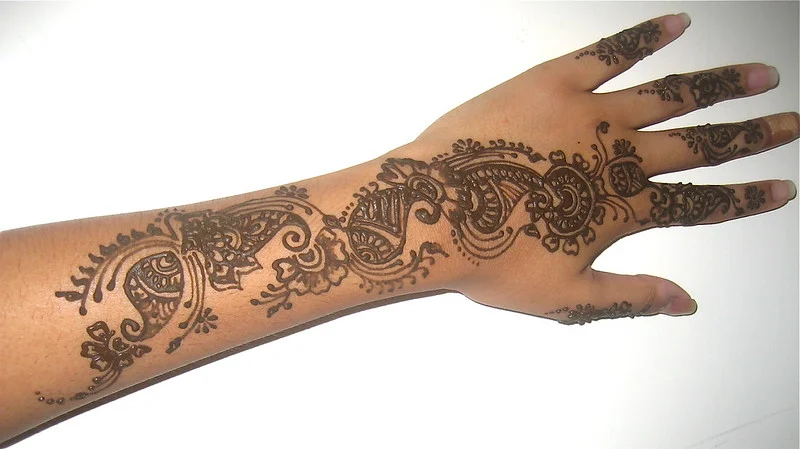
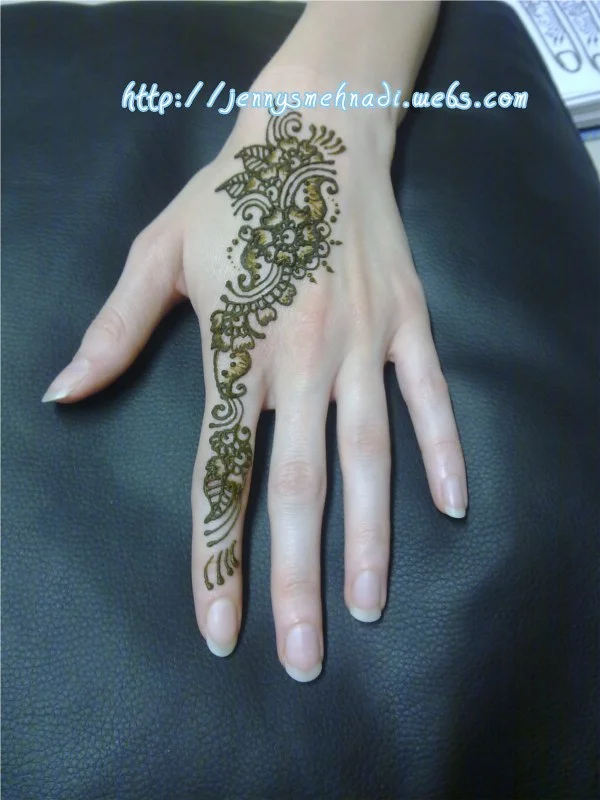
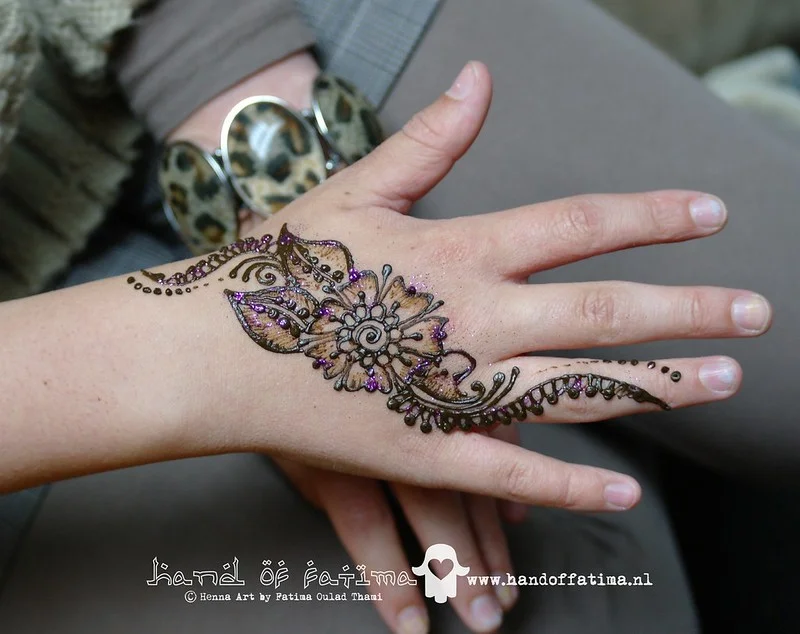
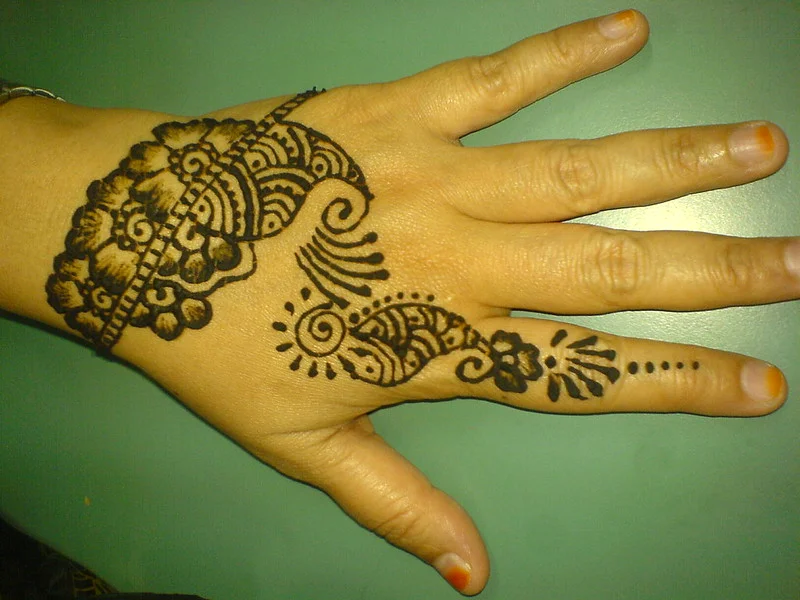
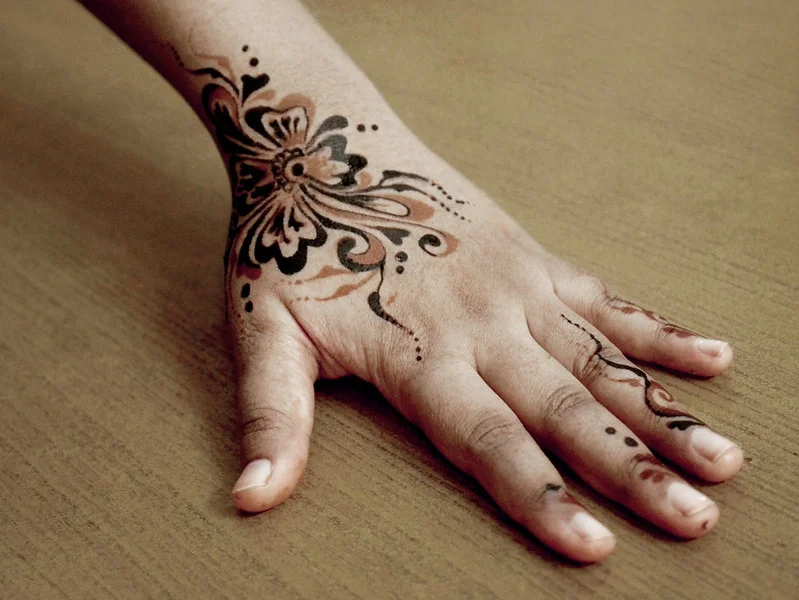
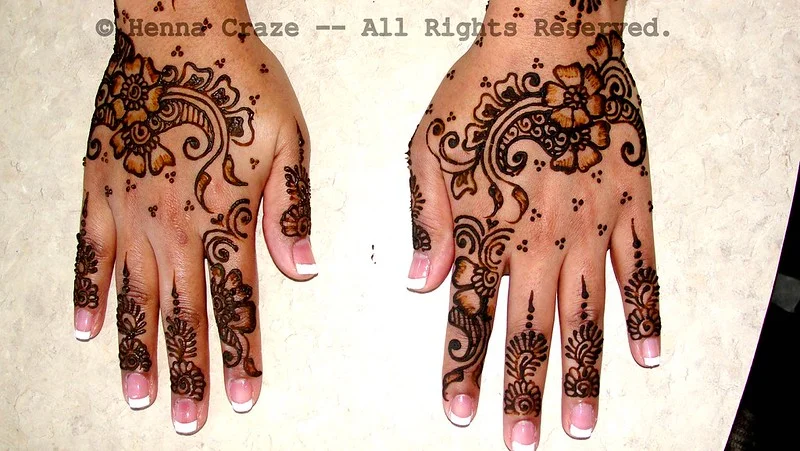
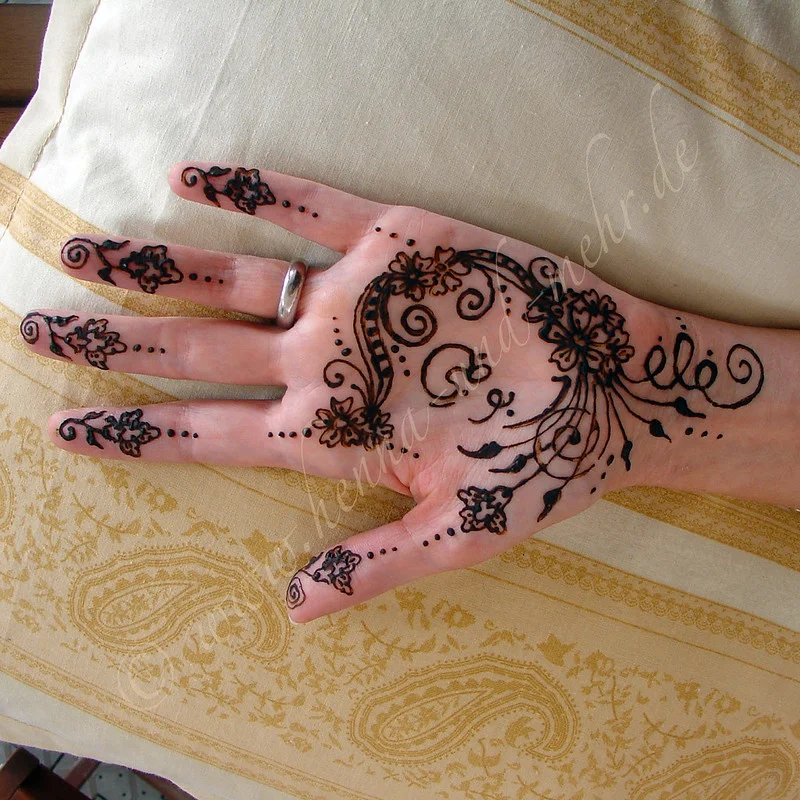
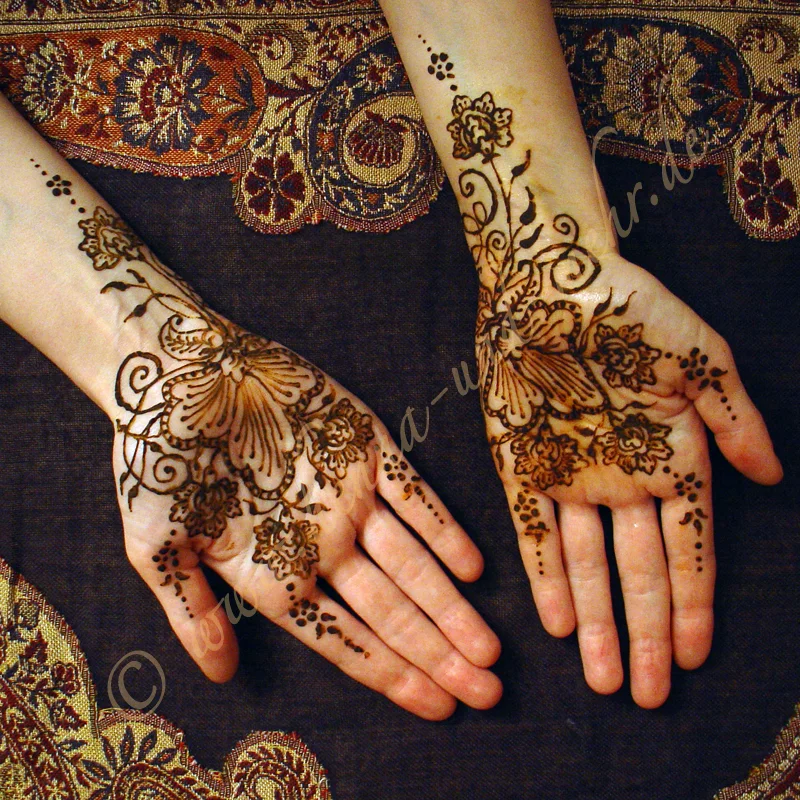
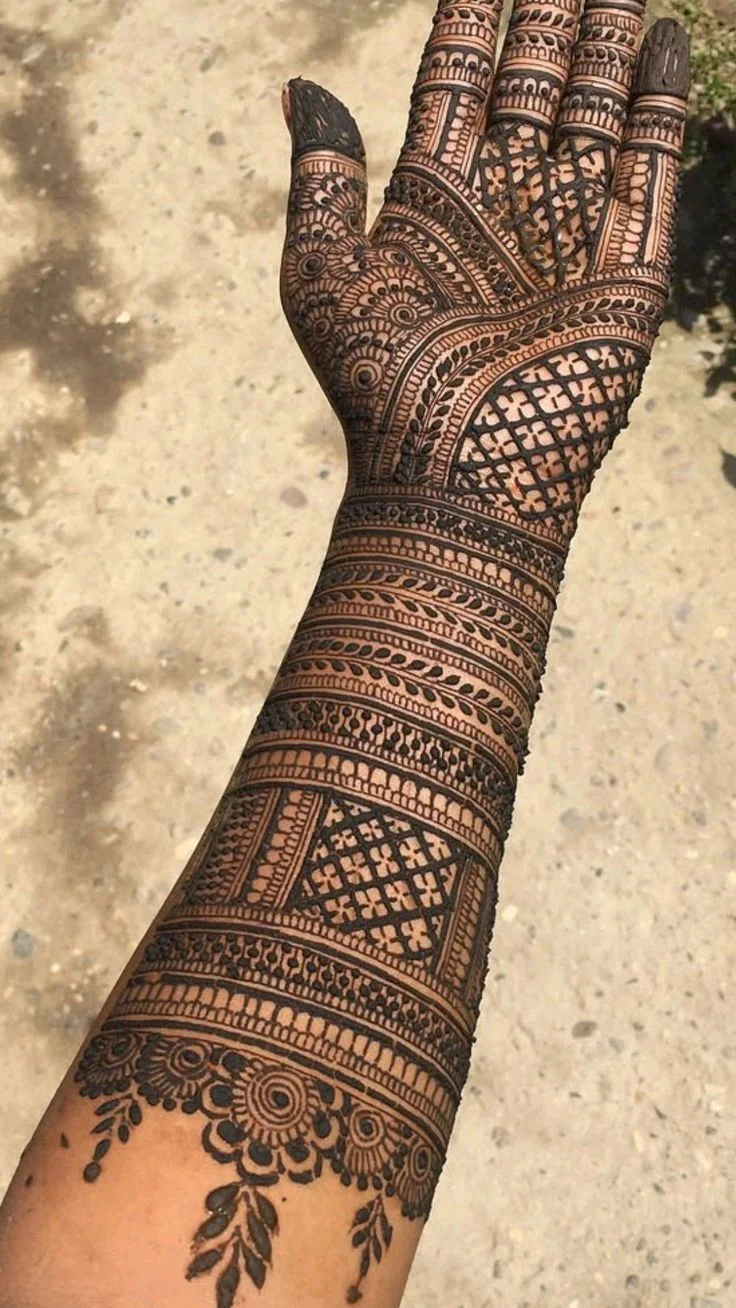
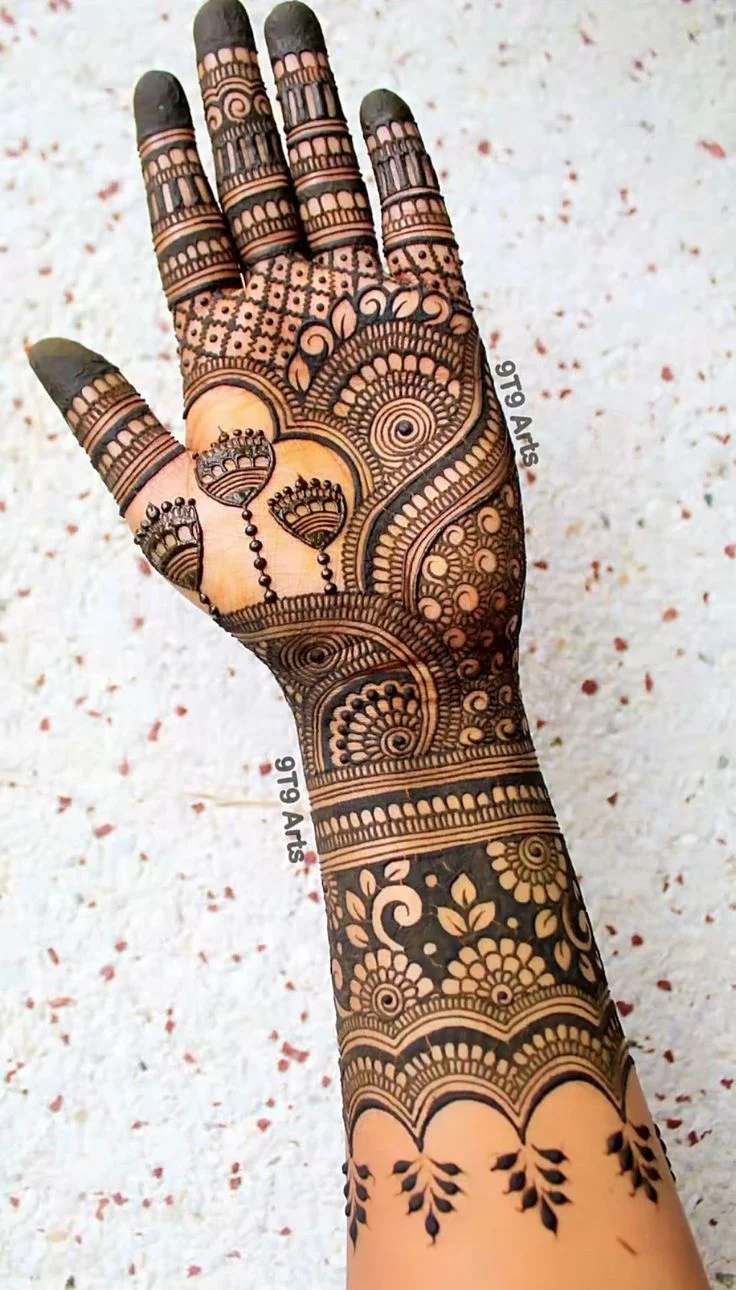
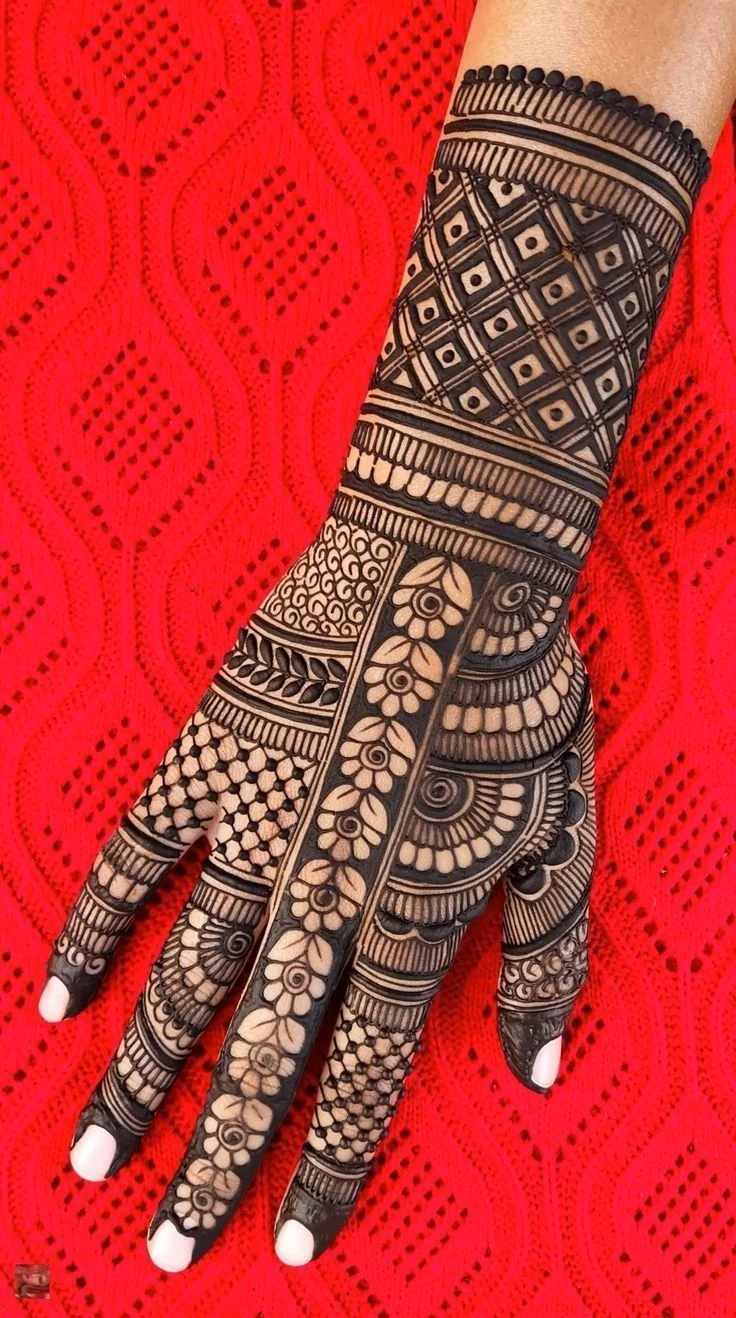
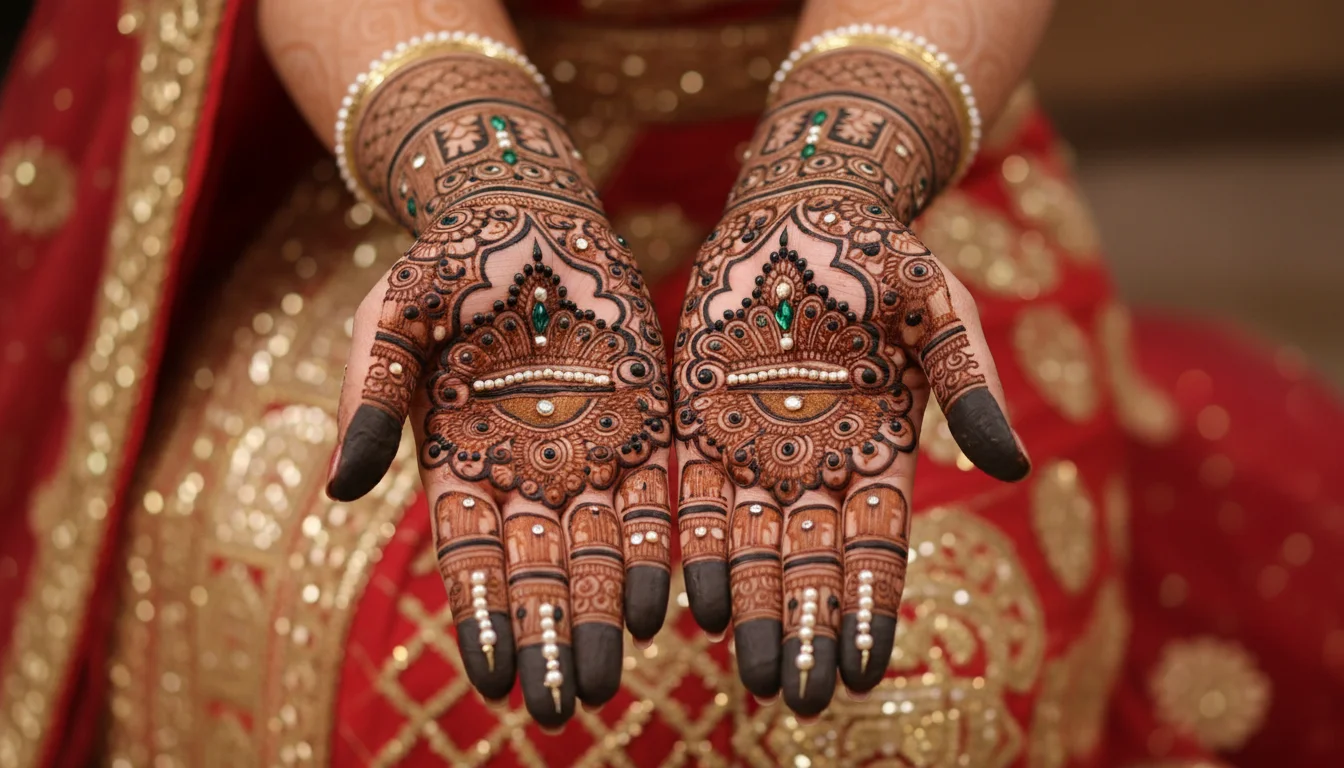
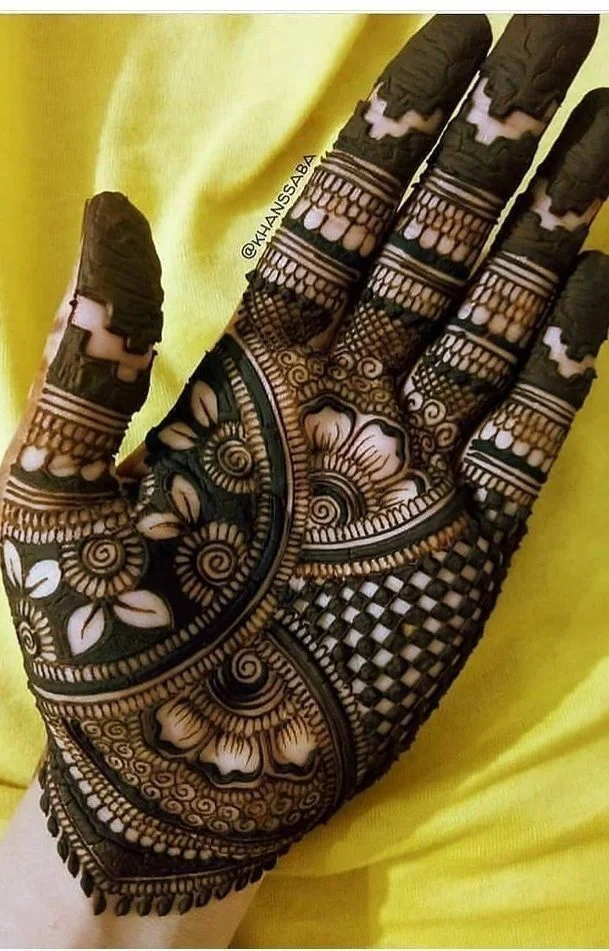
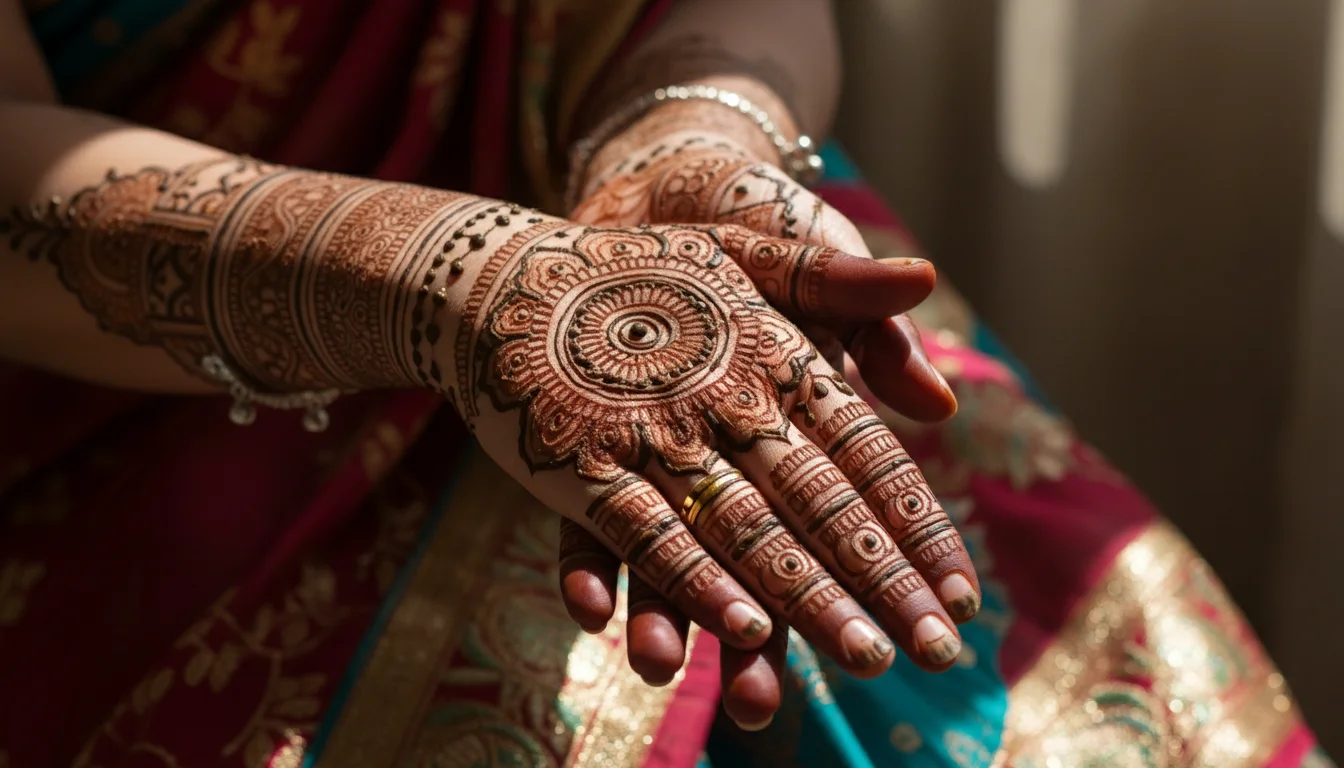
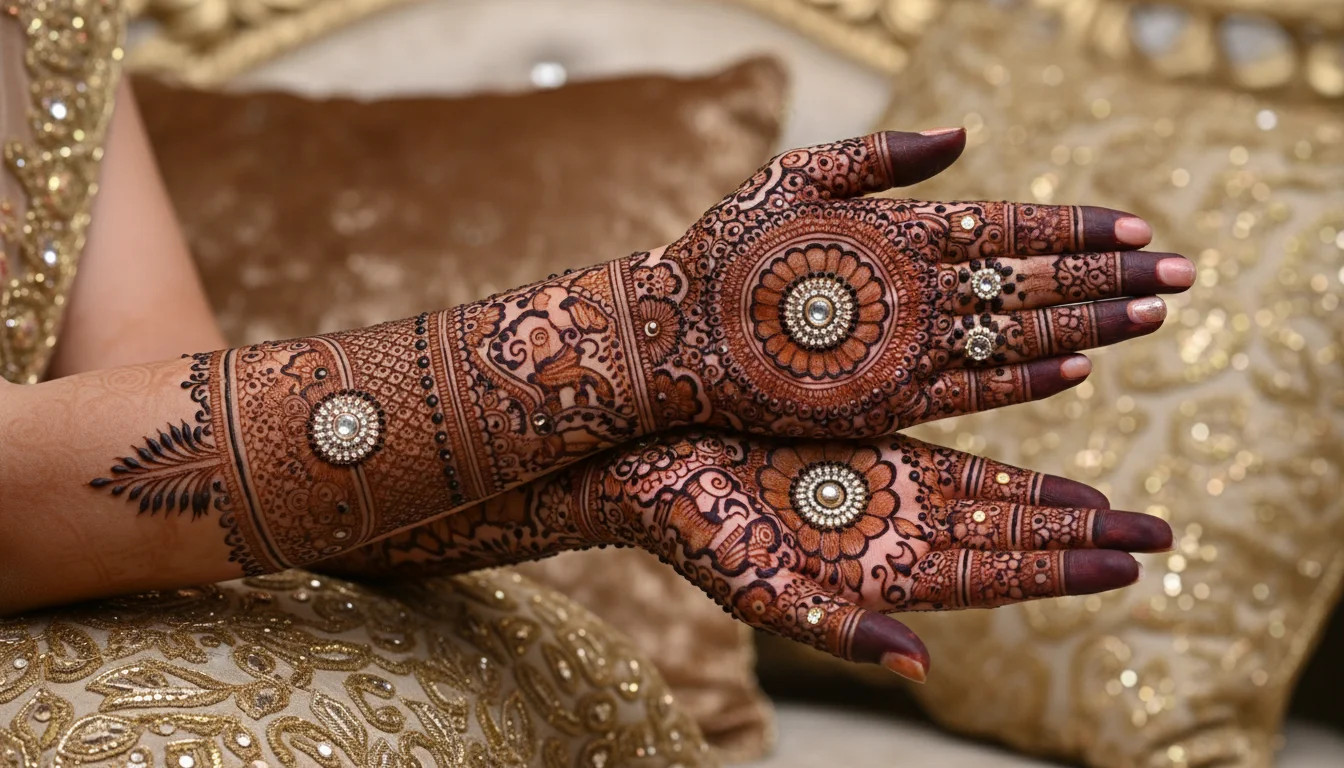
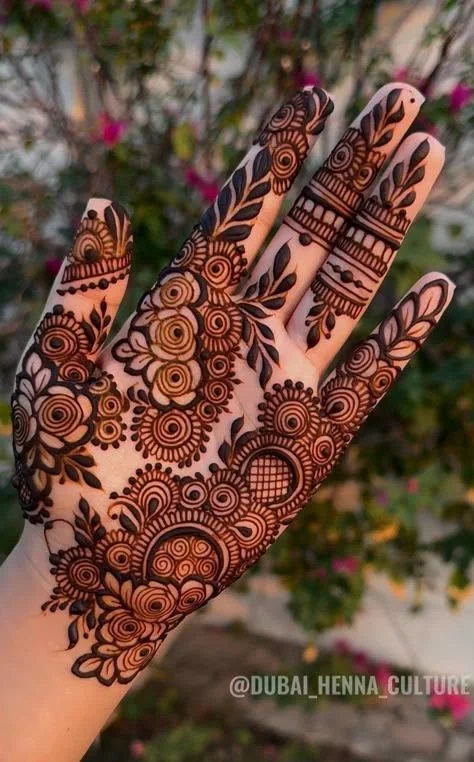
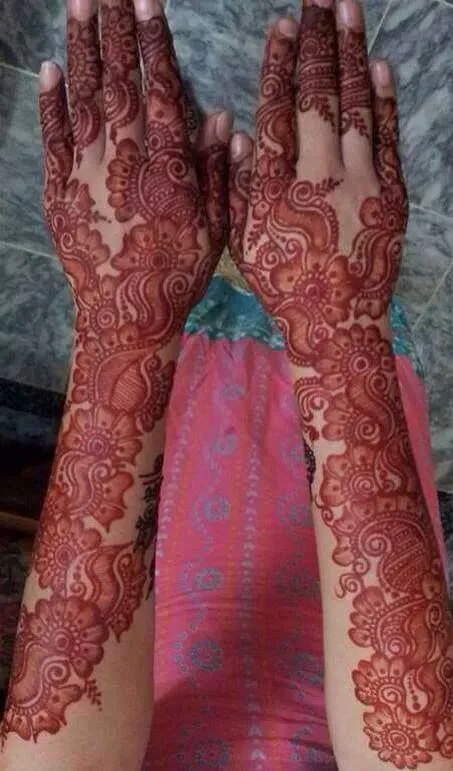
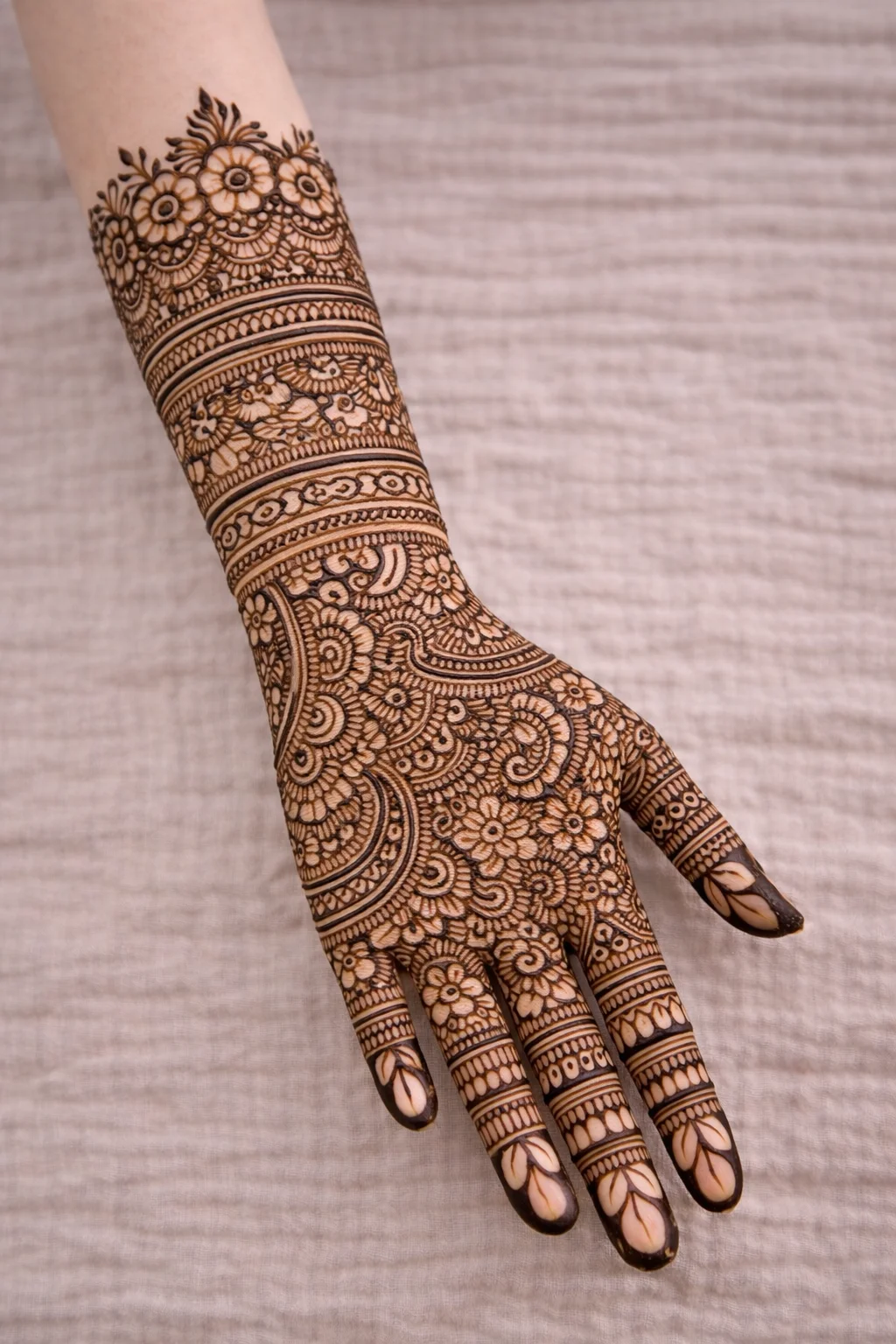
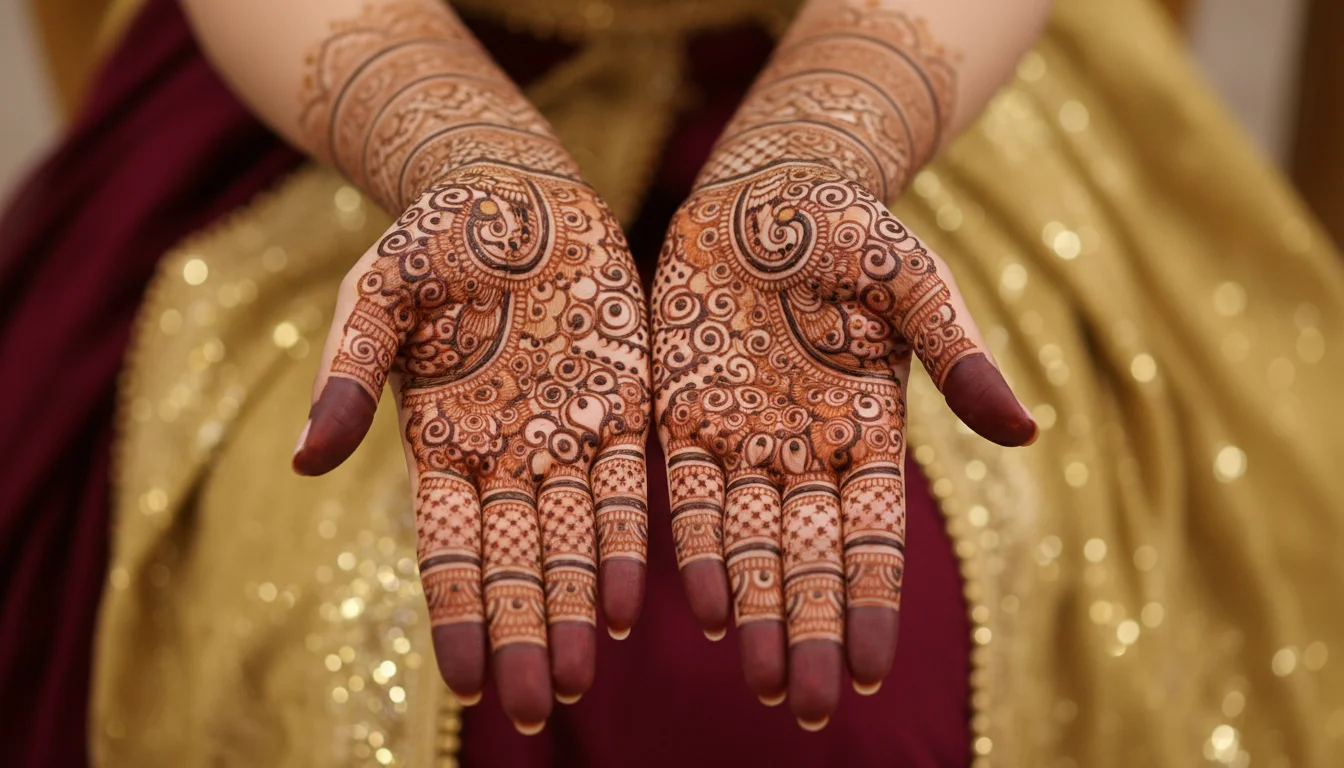
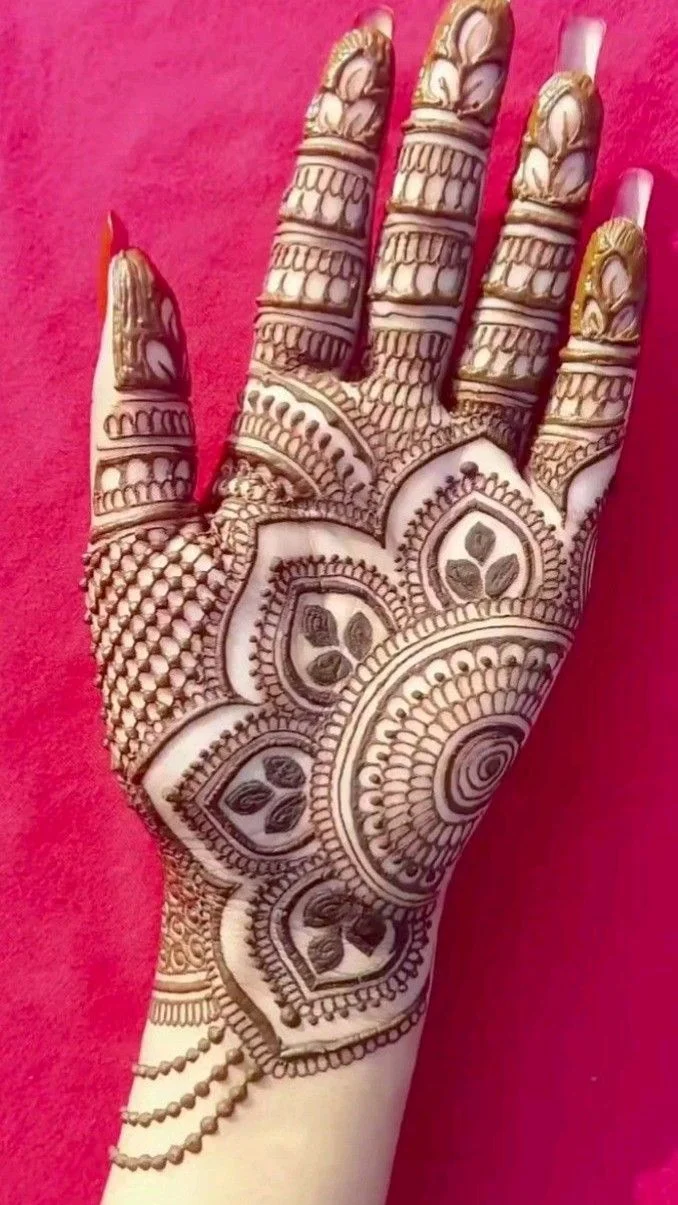
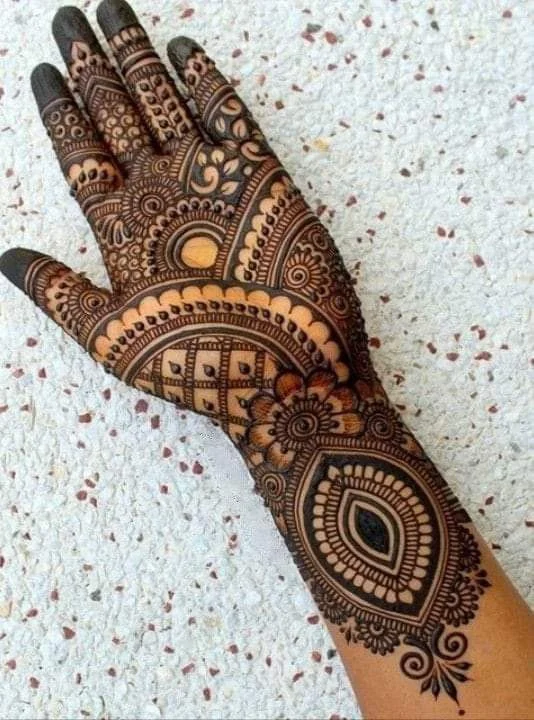
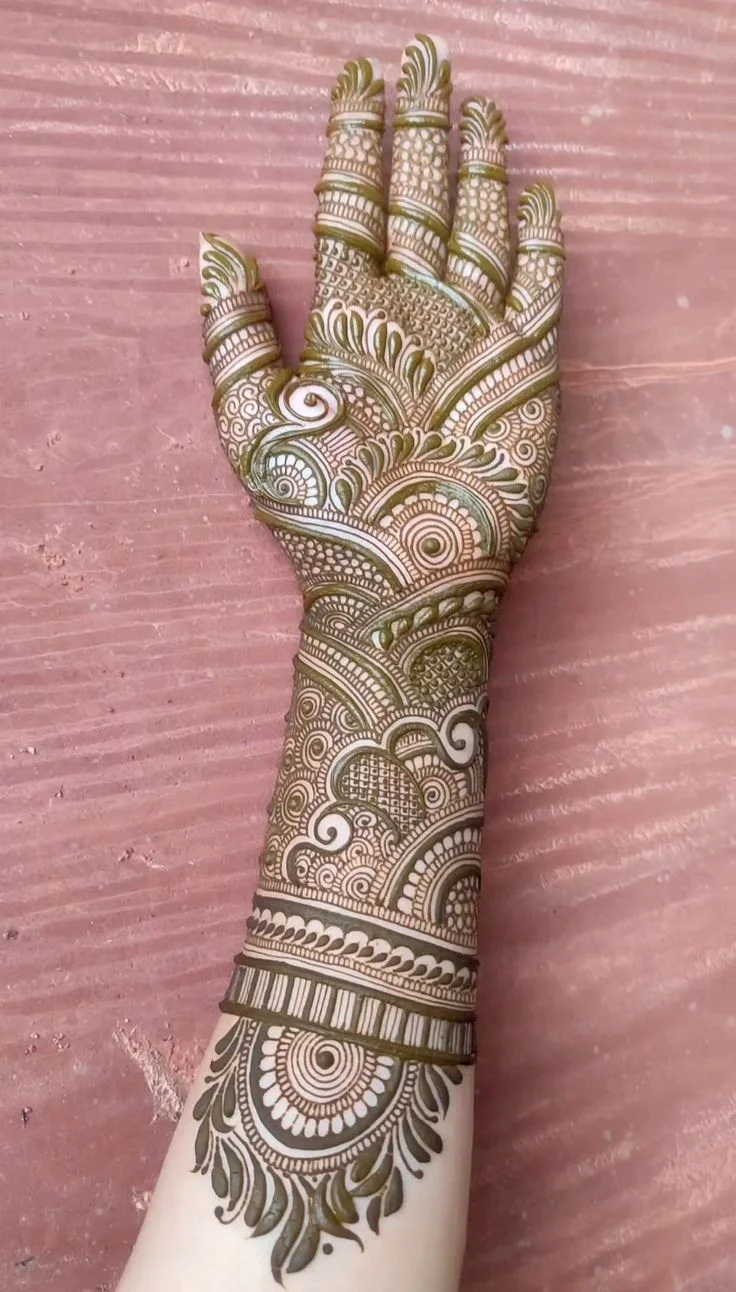
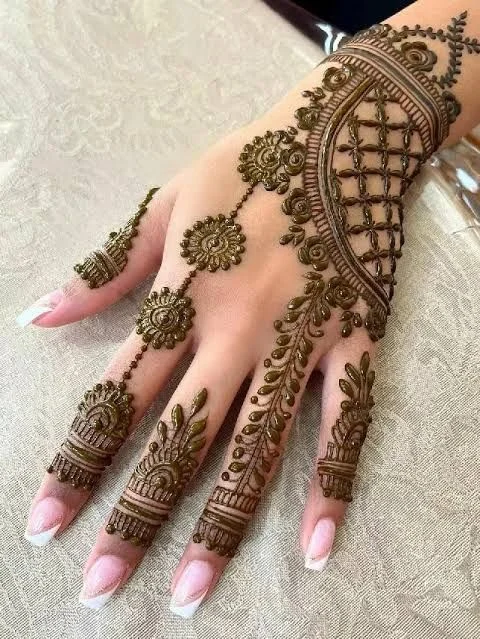
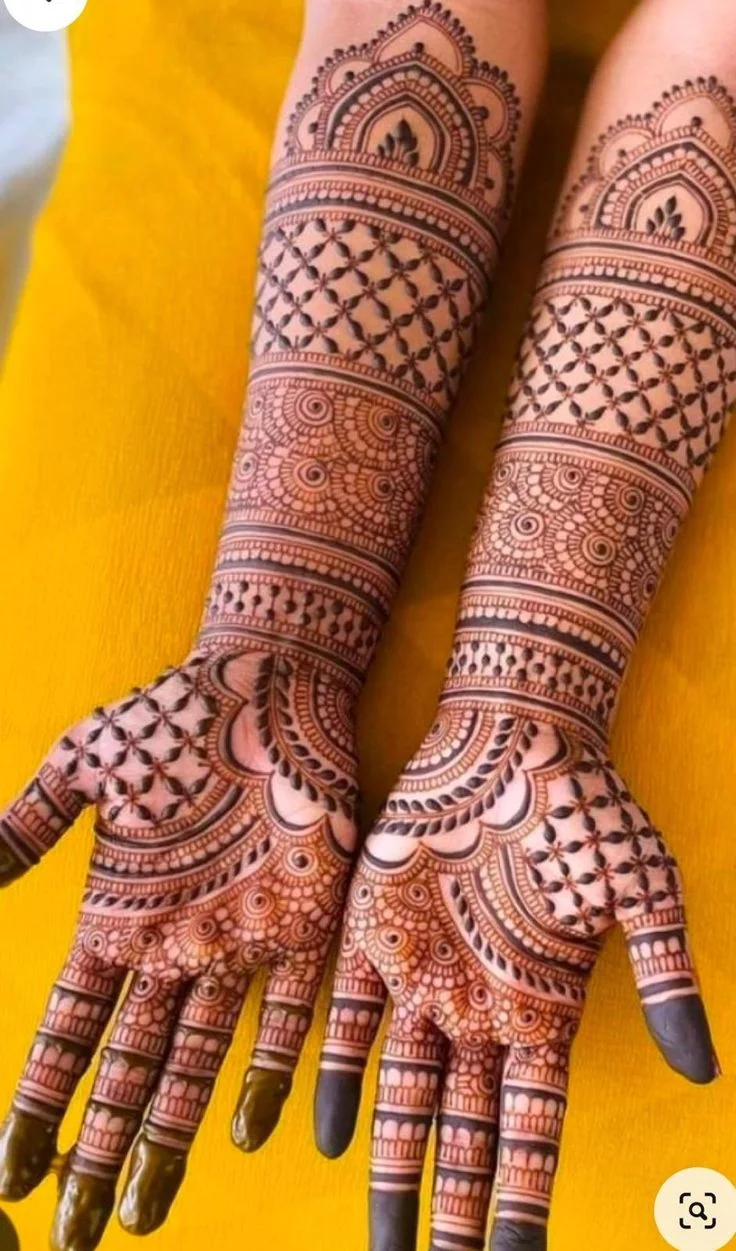
About this collection
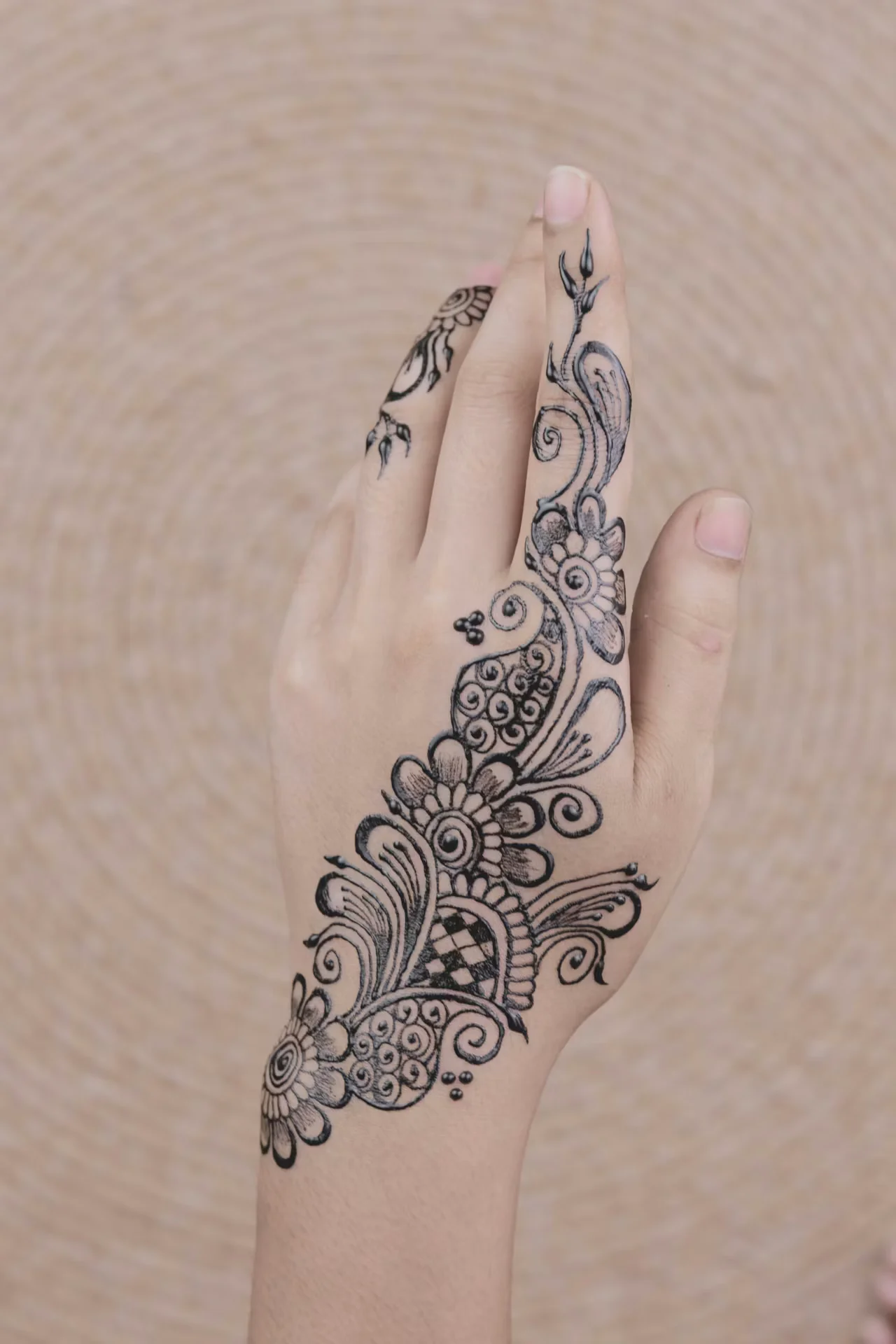
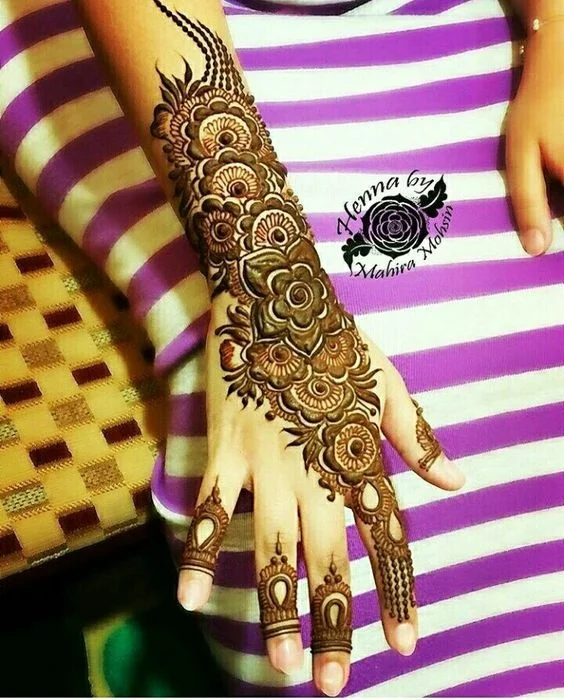
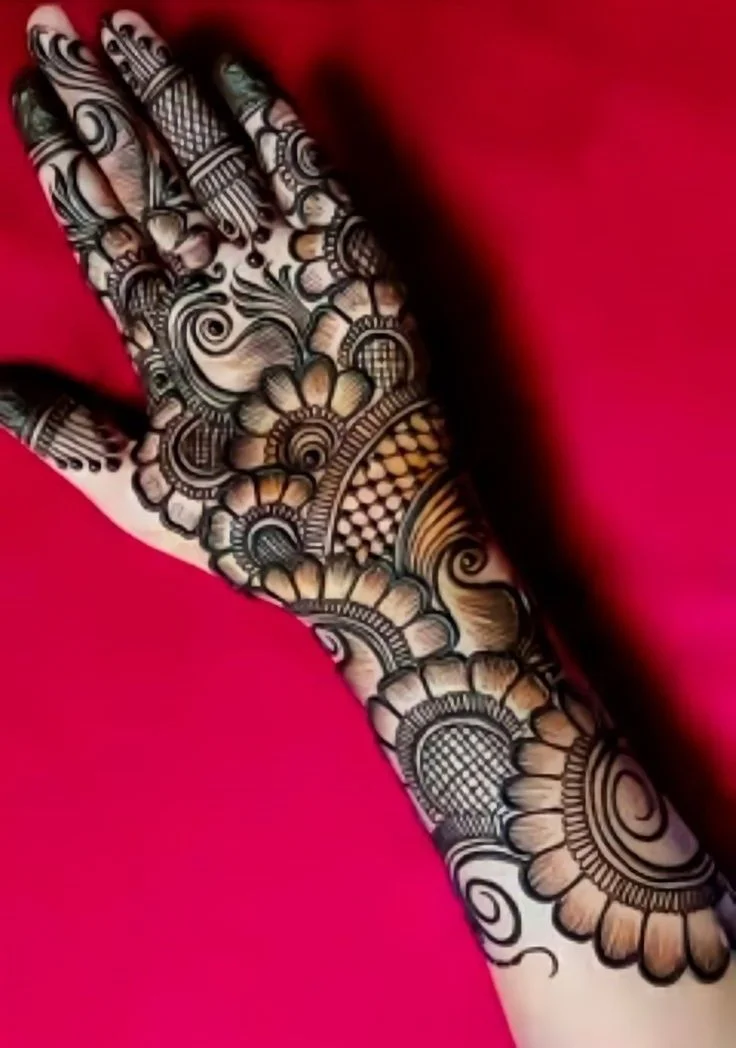
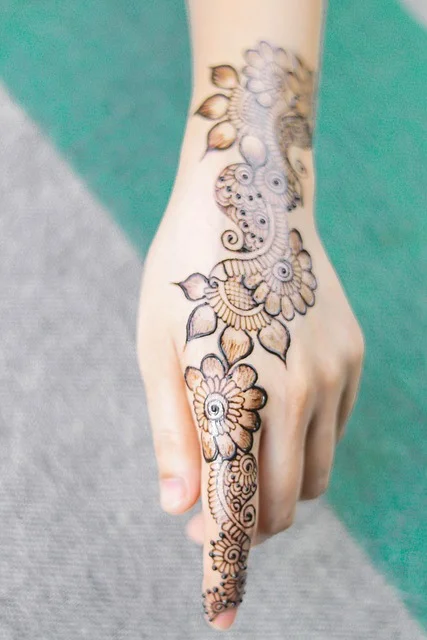
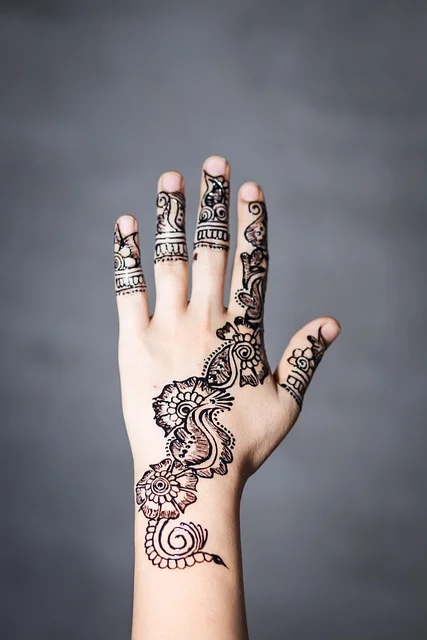
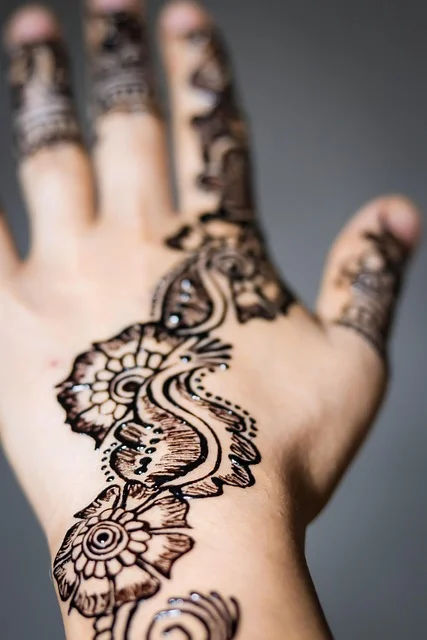
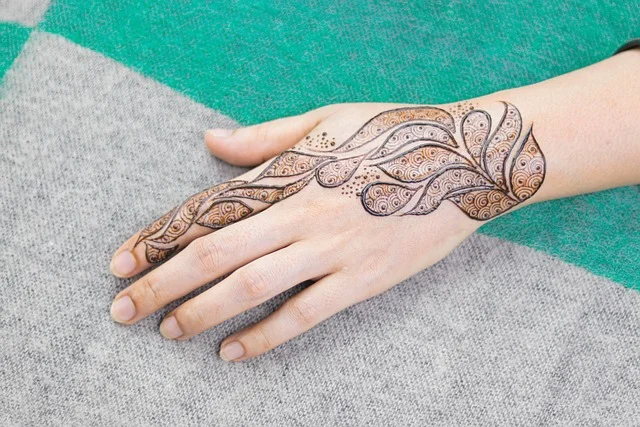
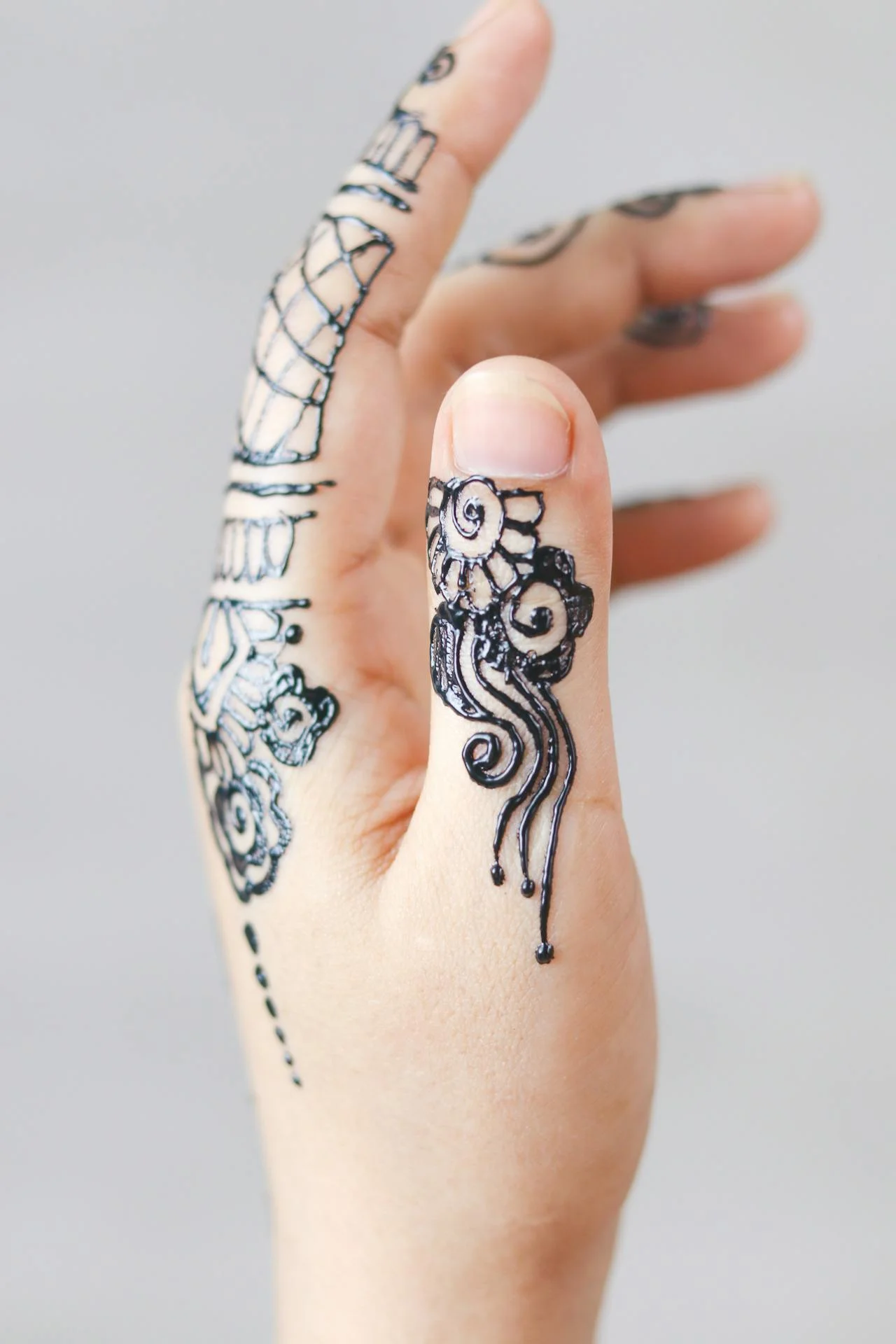
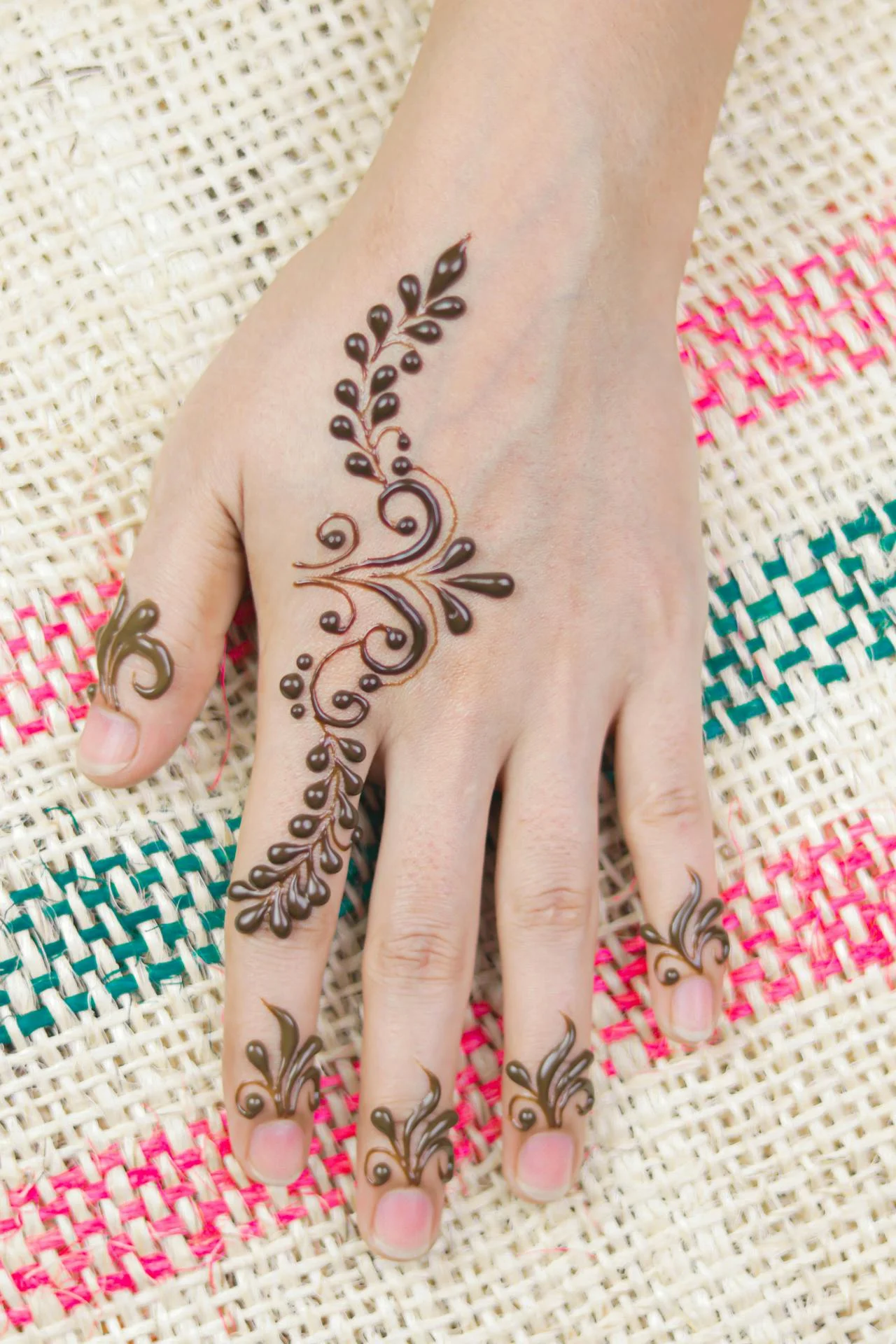
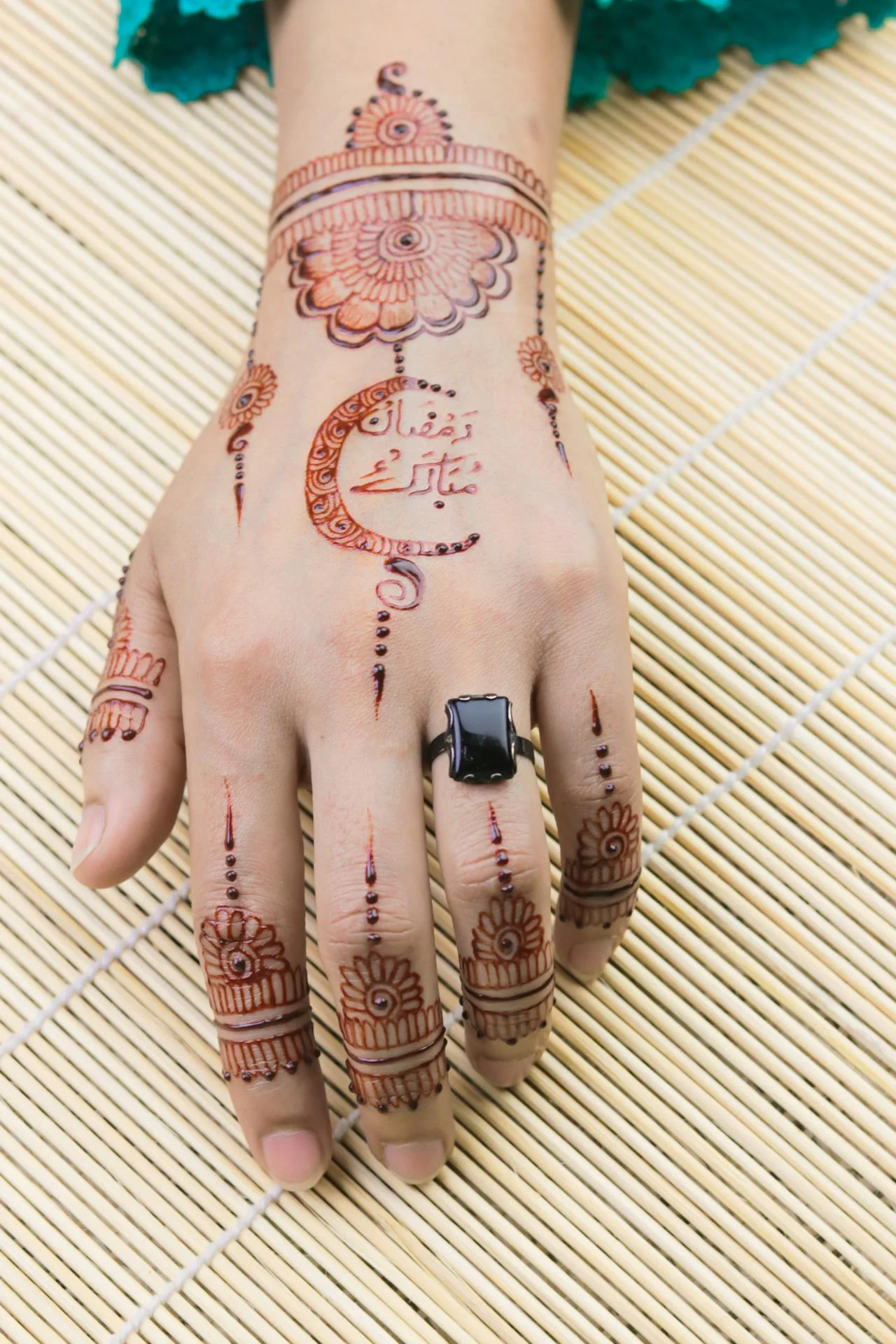
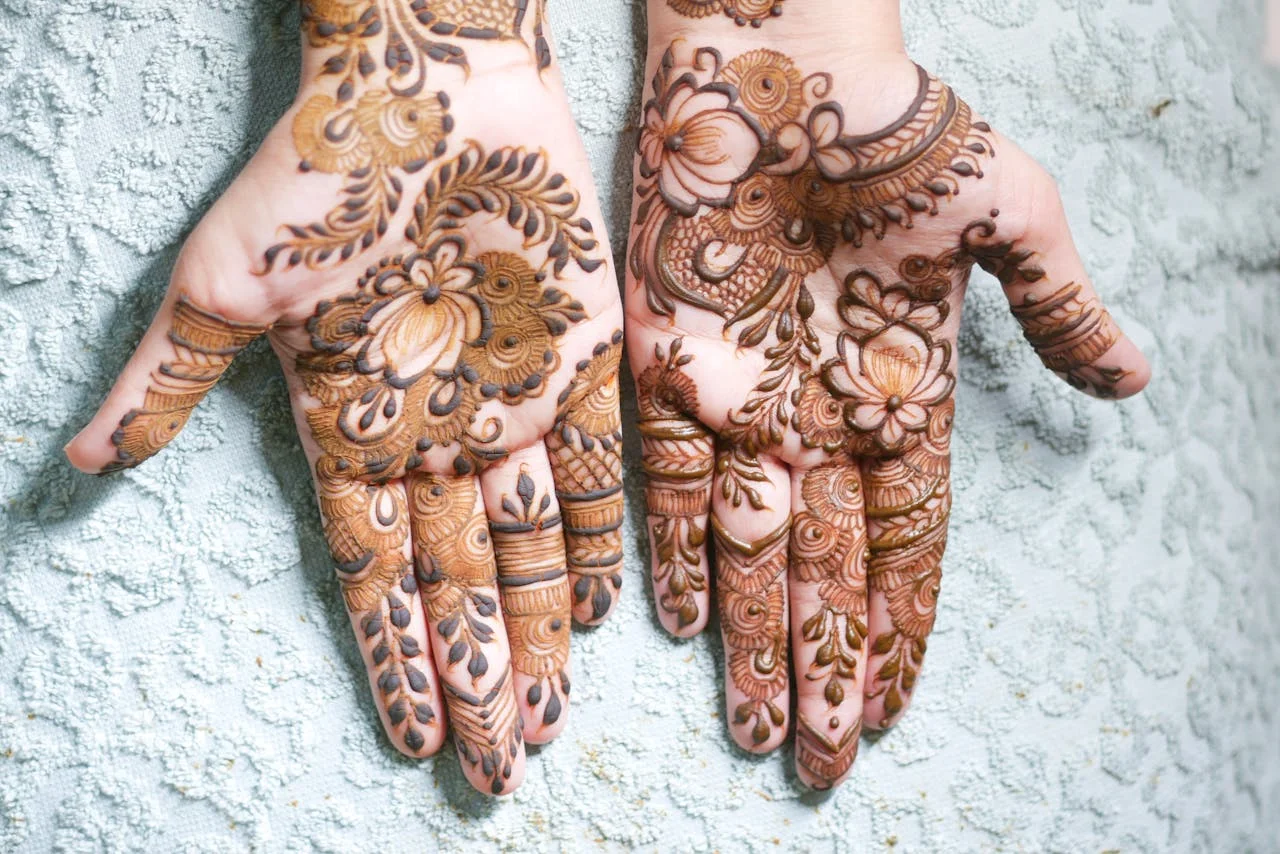
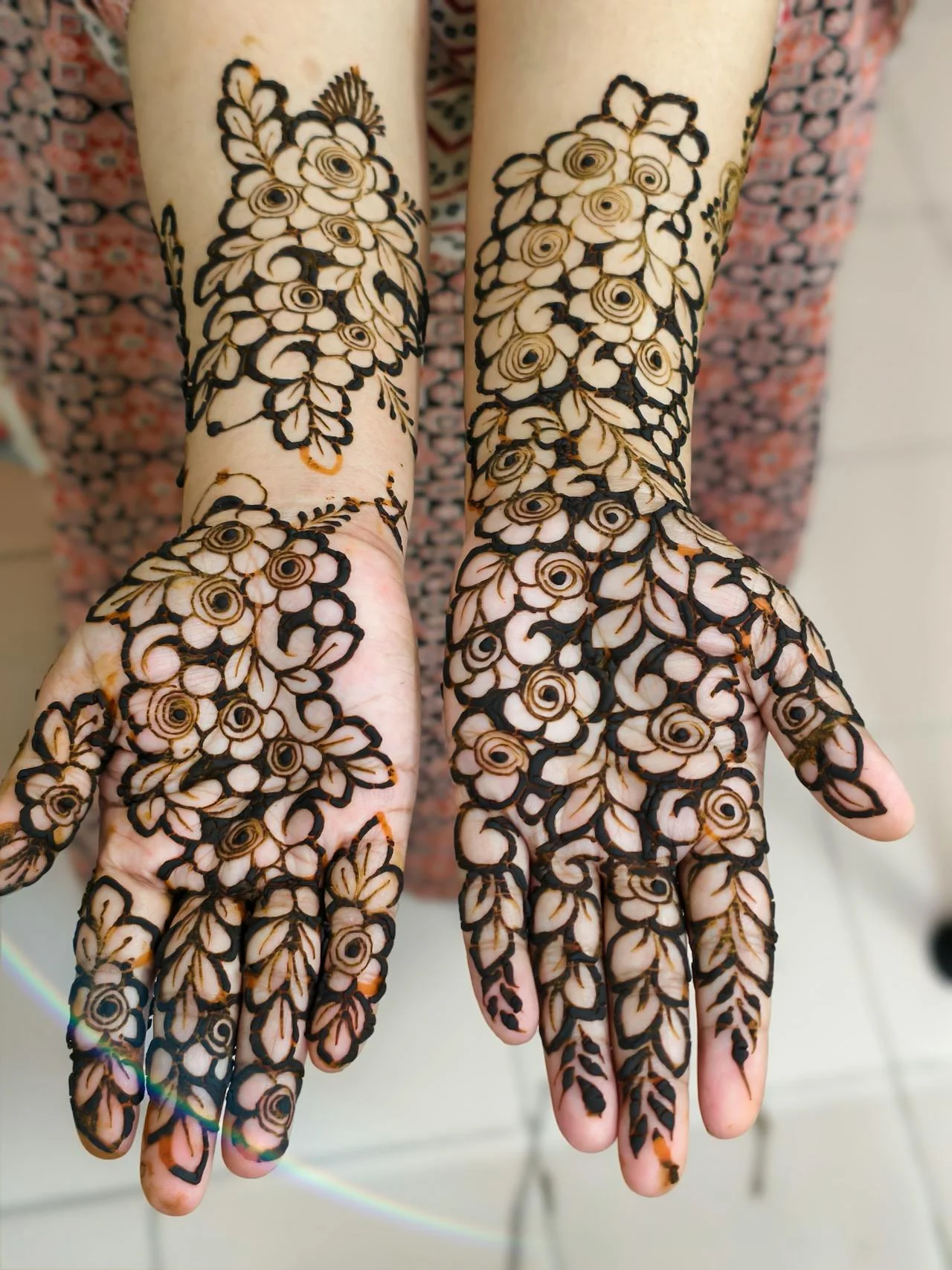
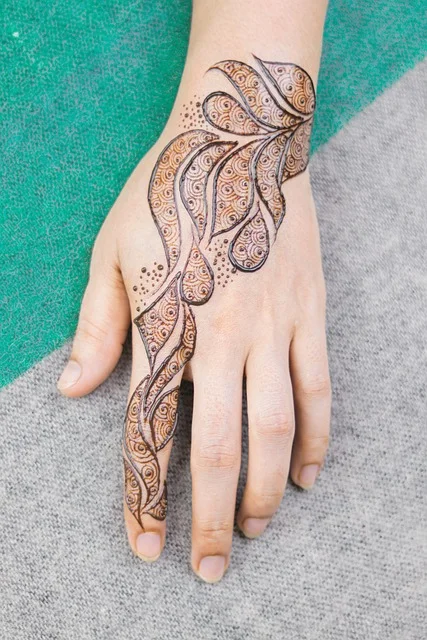
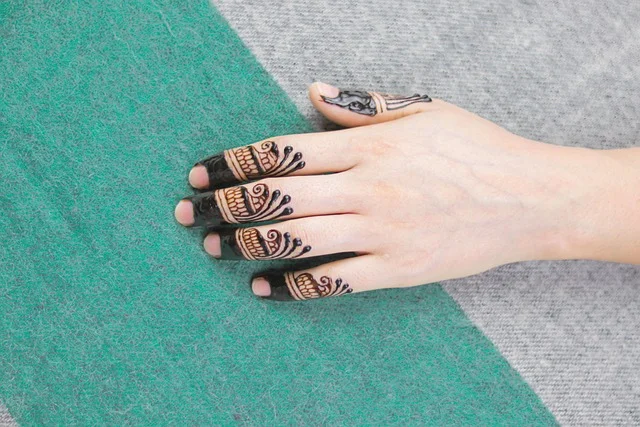
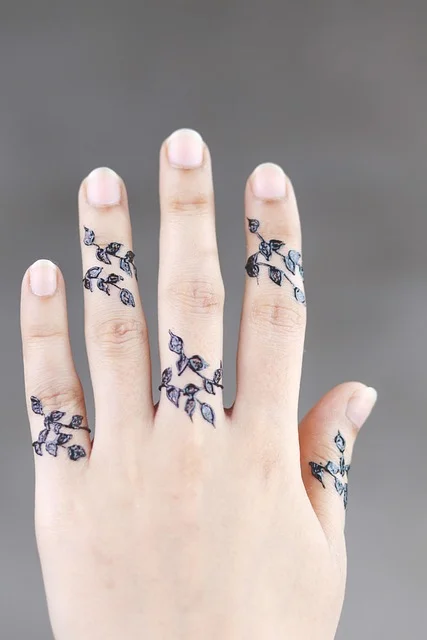
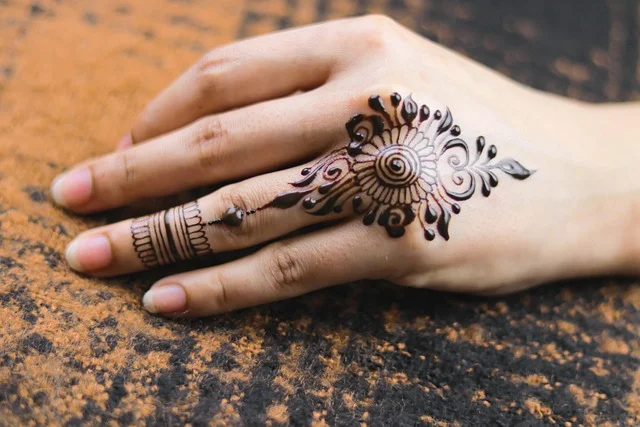
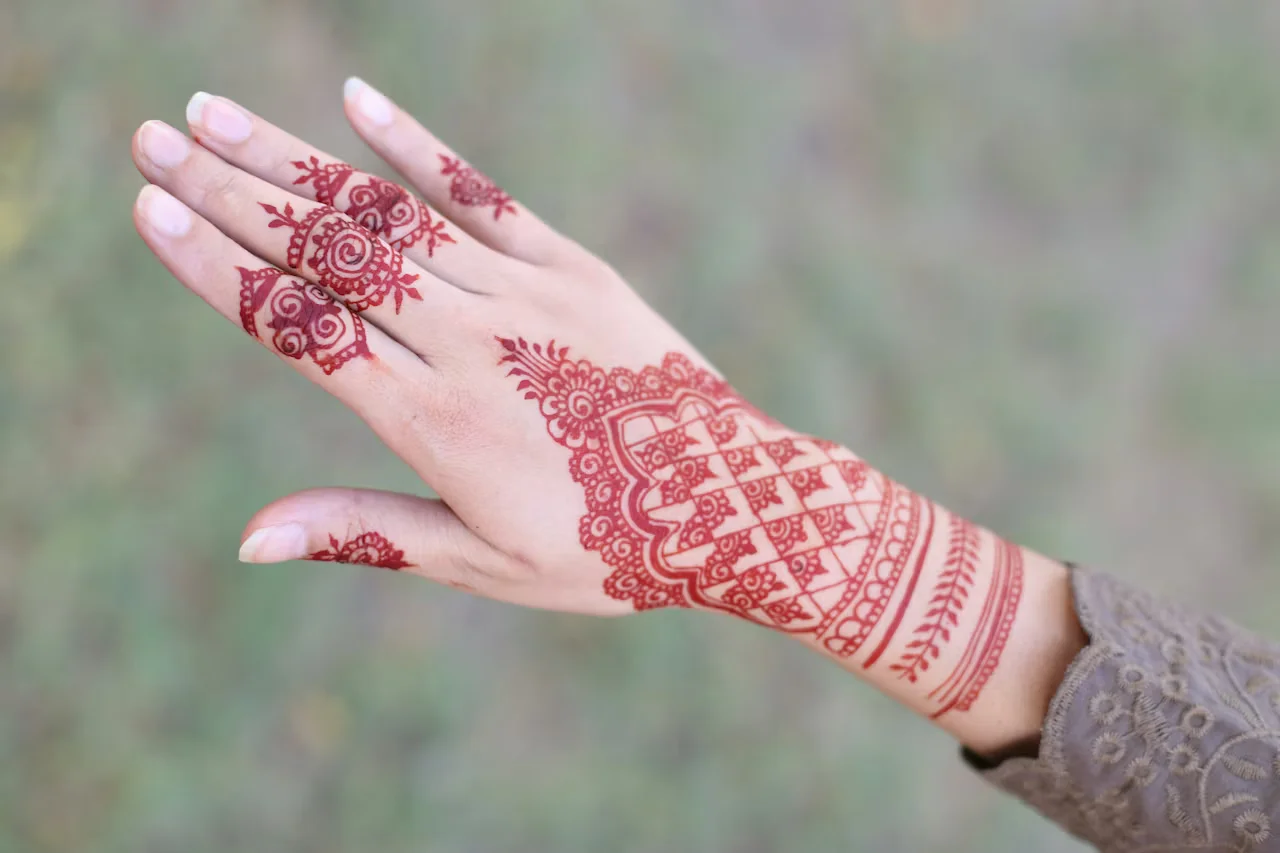
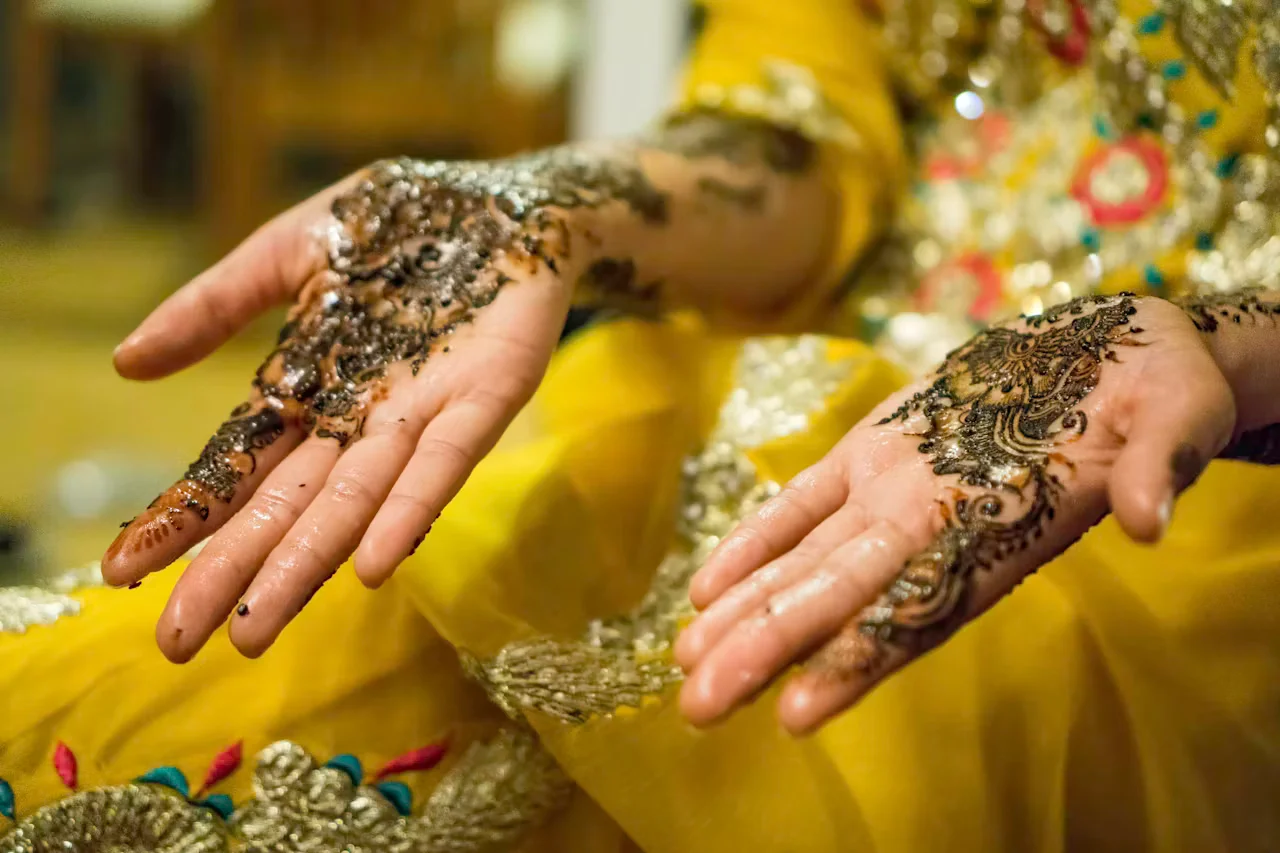
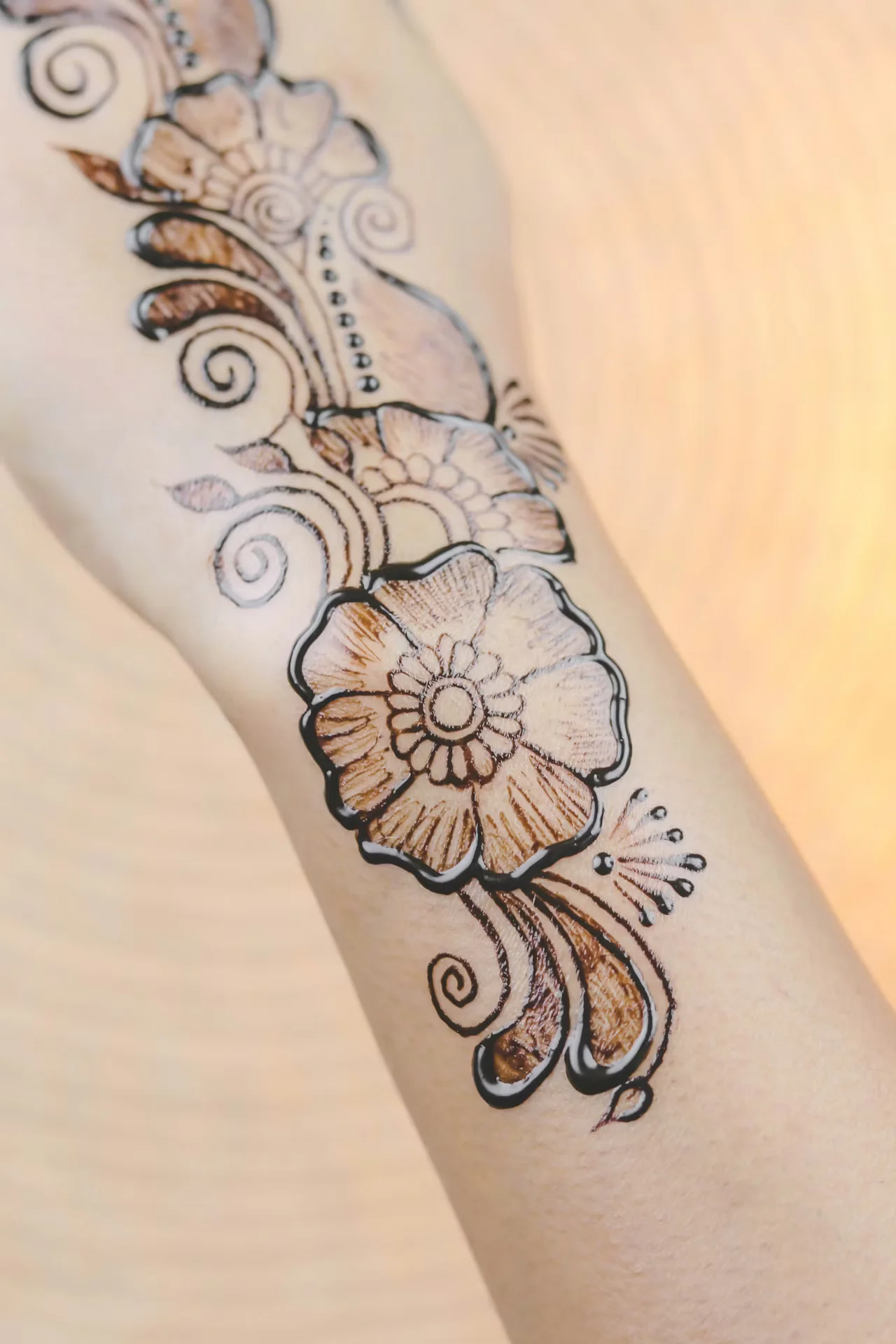
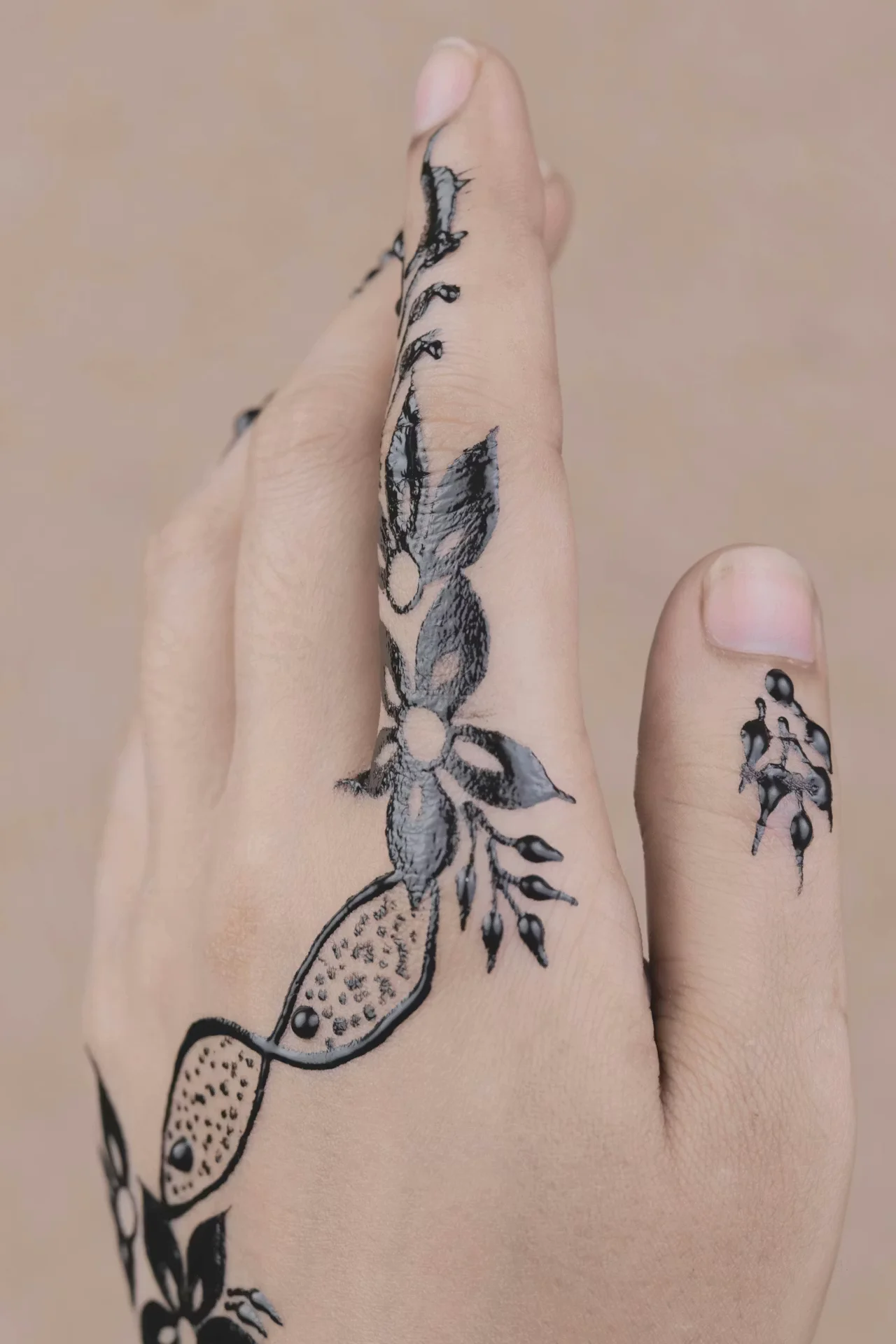
Arabic mehndi is characterised by bold continuous outlines, generous negative space, and a vocabulary of large floral motifs — roses, leaves, vines — applied with confident strokes. The style originated across the Gulf region (Saudi Arabia, the UAE, Kuwait, Bahrain, Qatar, Oman) and spread through trade and migration to North Africa, parts of South Asia, and the Western diaspora. Application is typically twenty to thirty minutes, faster than Indian or Mughlai work of equivalent visual weight because the technique leans on single-stroke outlines rather than dense fill.
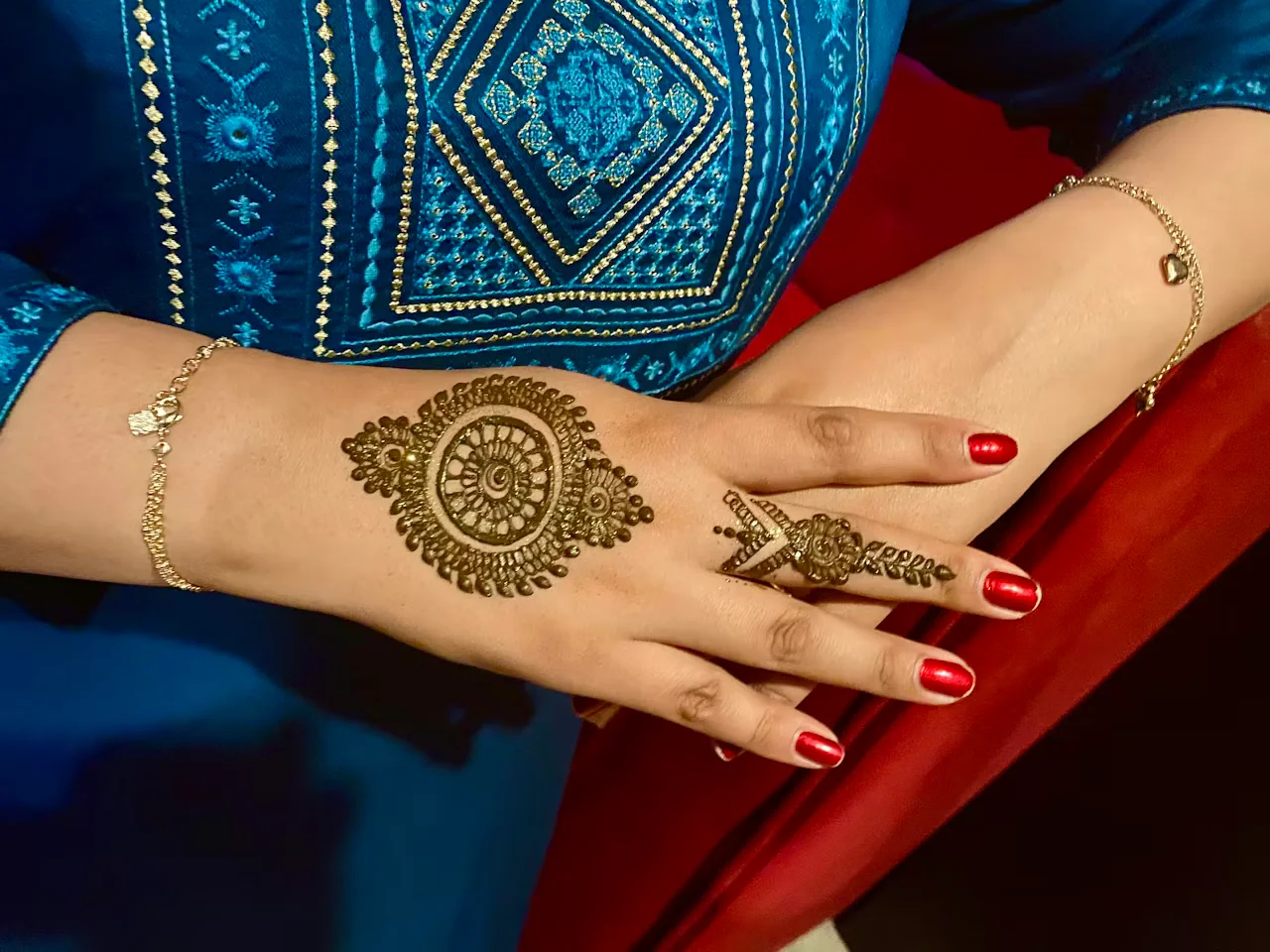
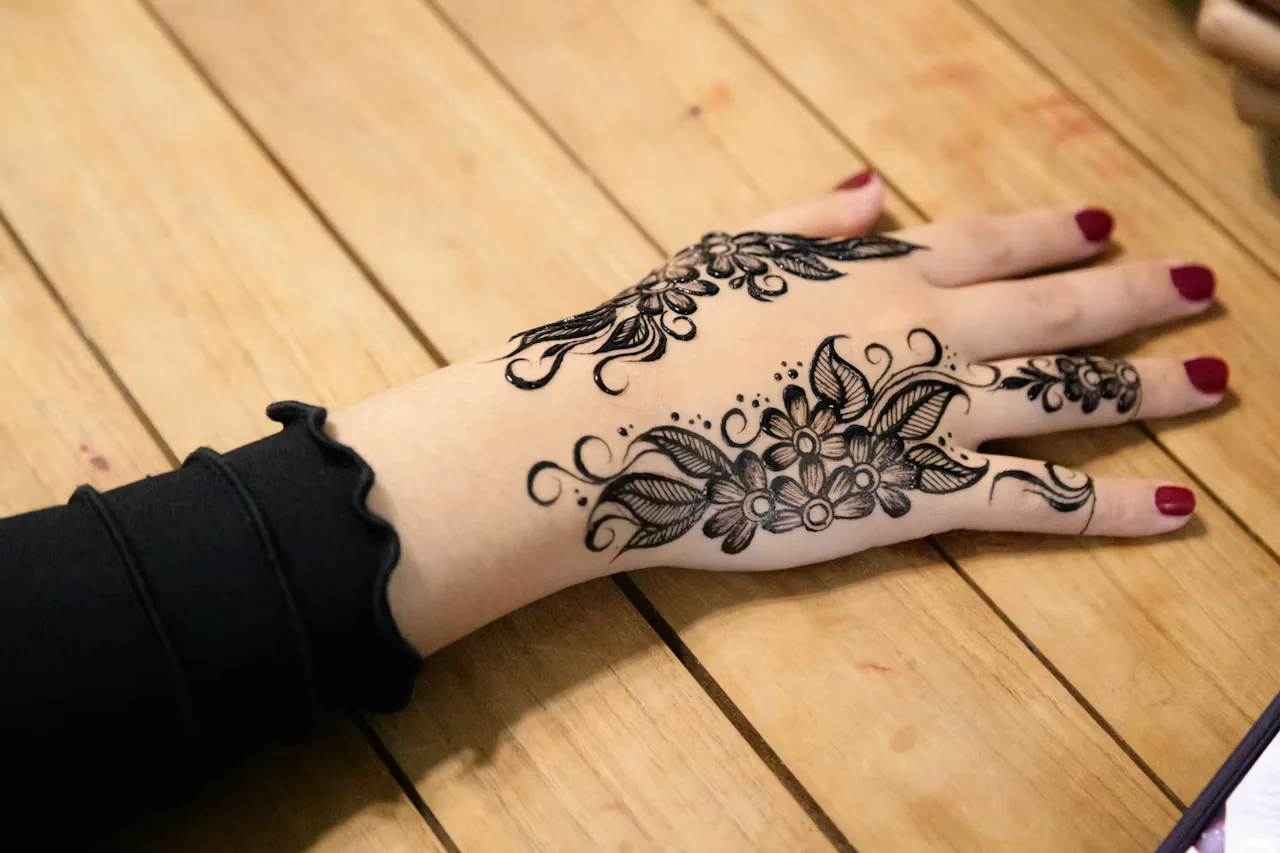
The signature is what’s missing. Indian mehndi fills the available surface; Arabic mehndi frames it. A typical Arabic design might leave the entire palm bare and place a single bold rose at the back of the hand with one trailing leaf — that absence of fill, deliberately composed, is the whole style.
Three telltale signs
Three diagnostic differences that separate the two traditions at a glance, even before you look at the motifs themselves.
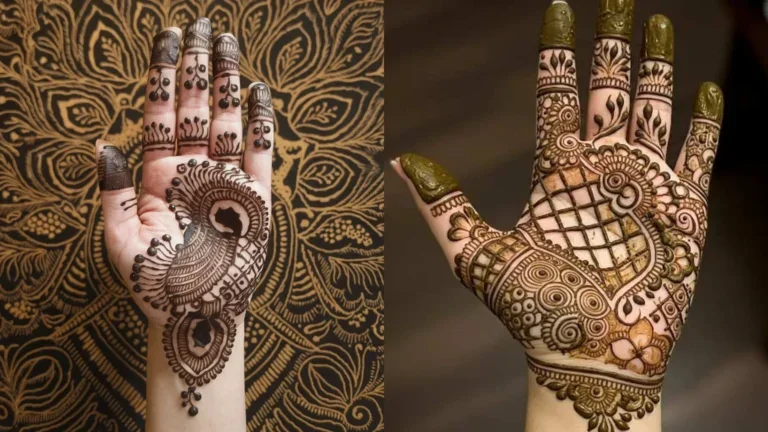
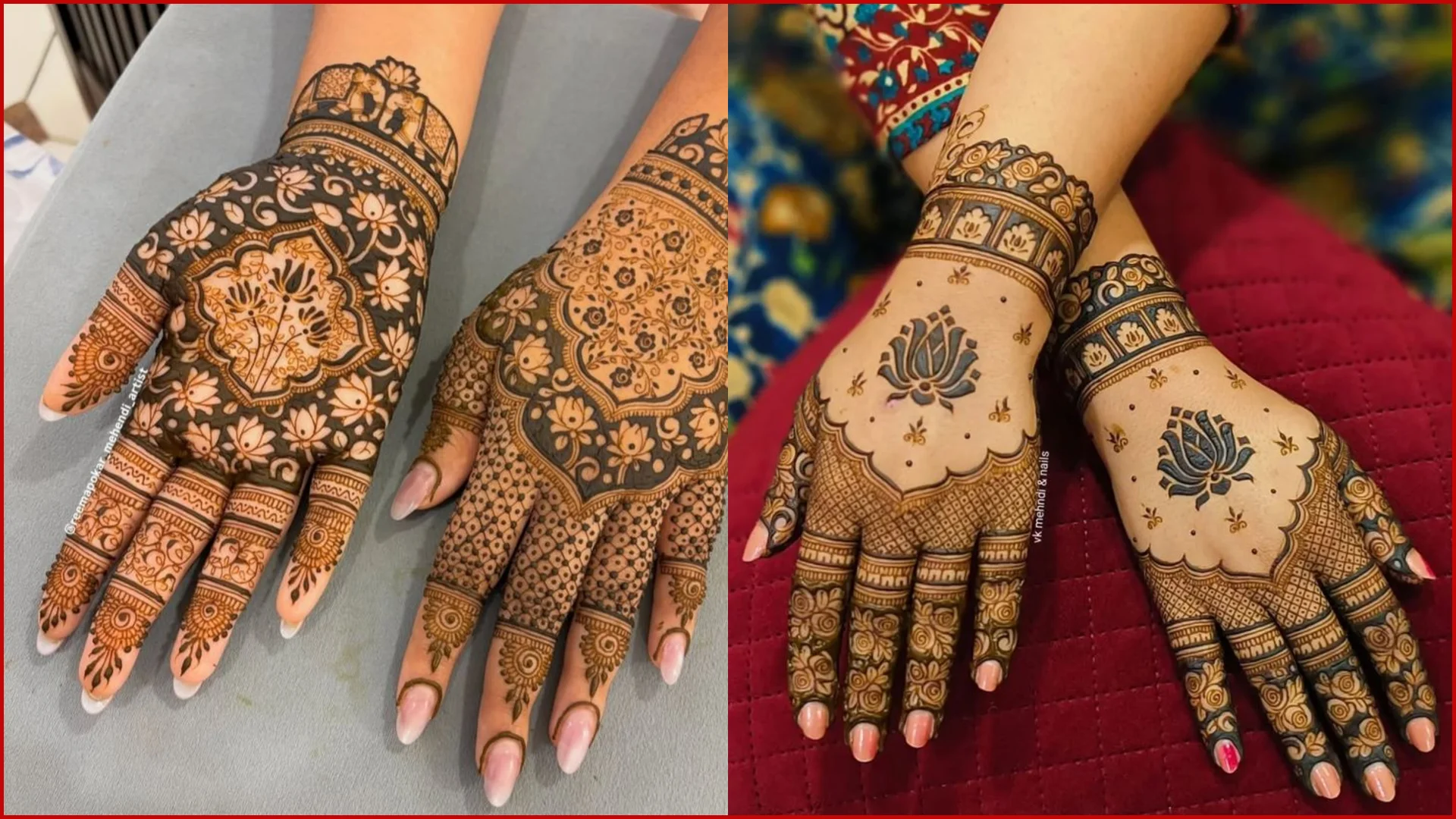
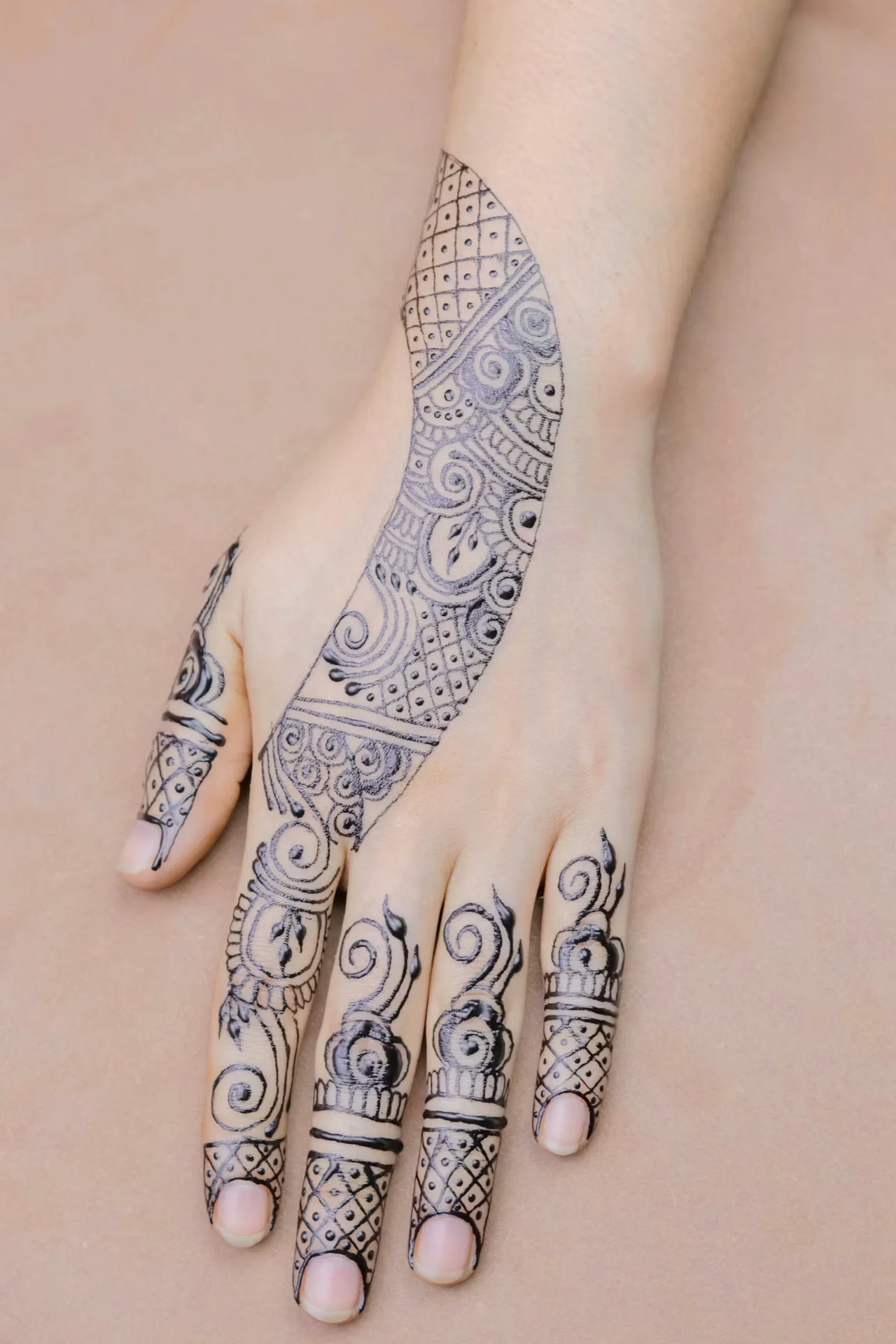
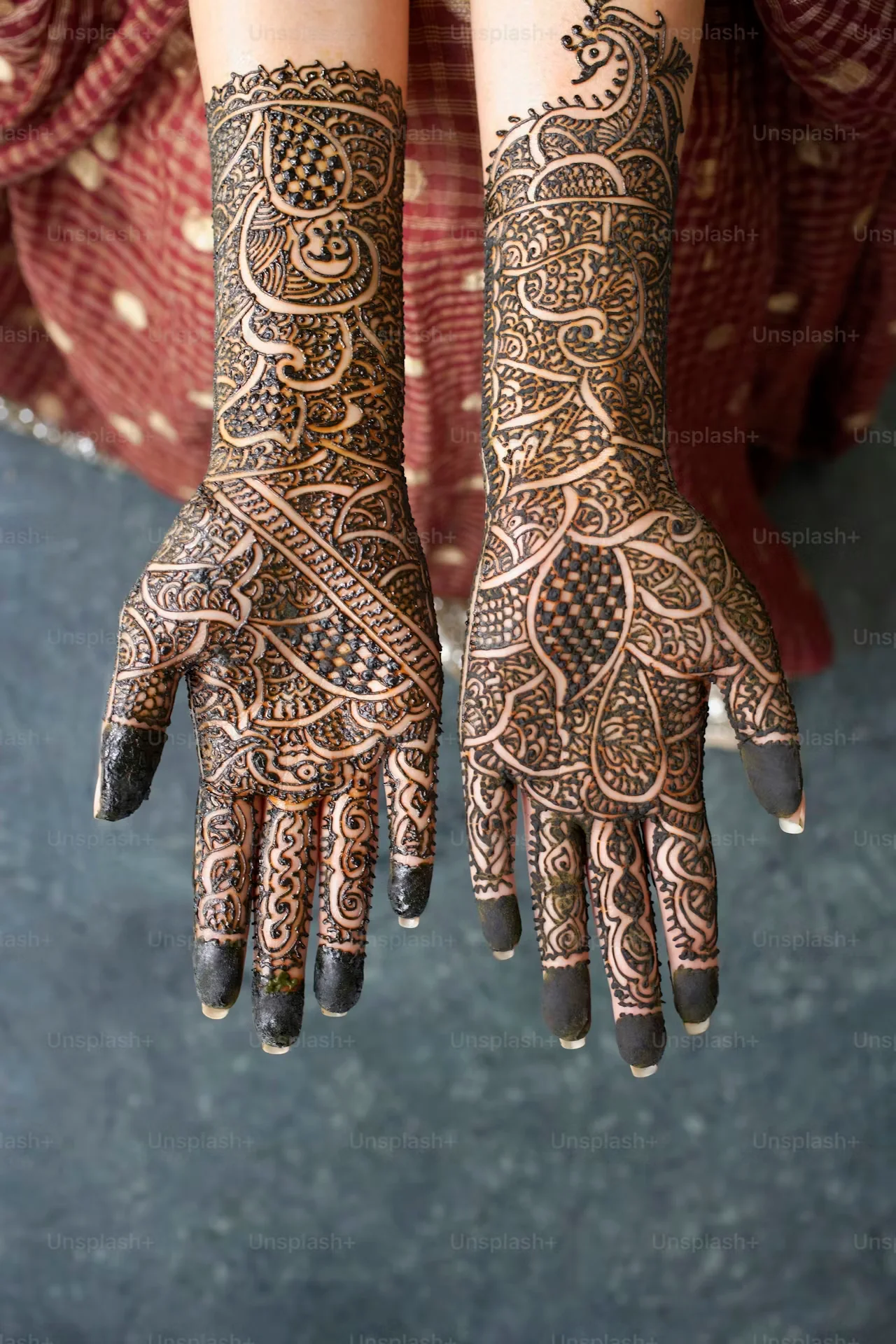
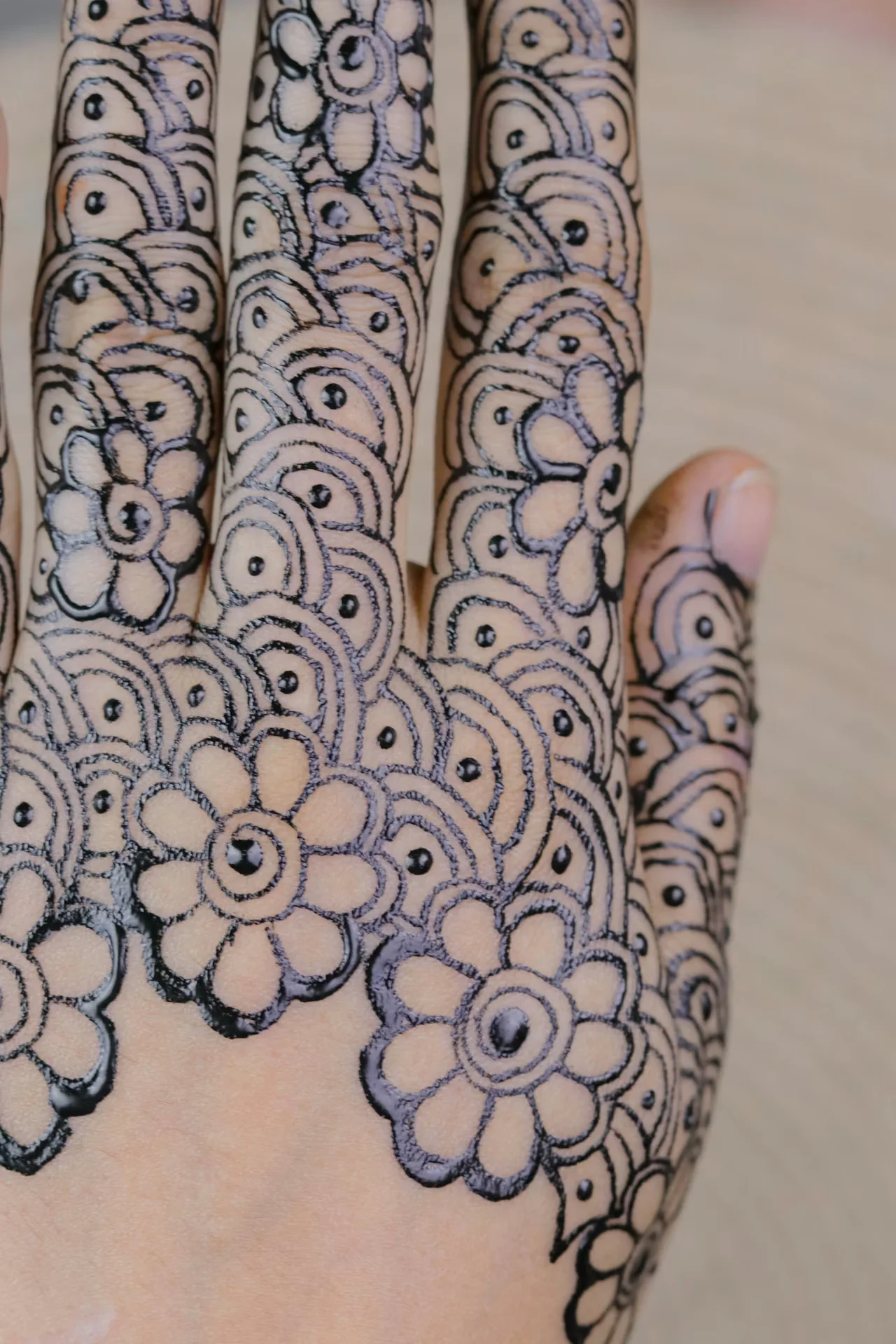
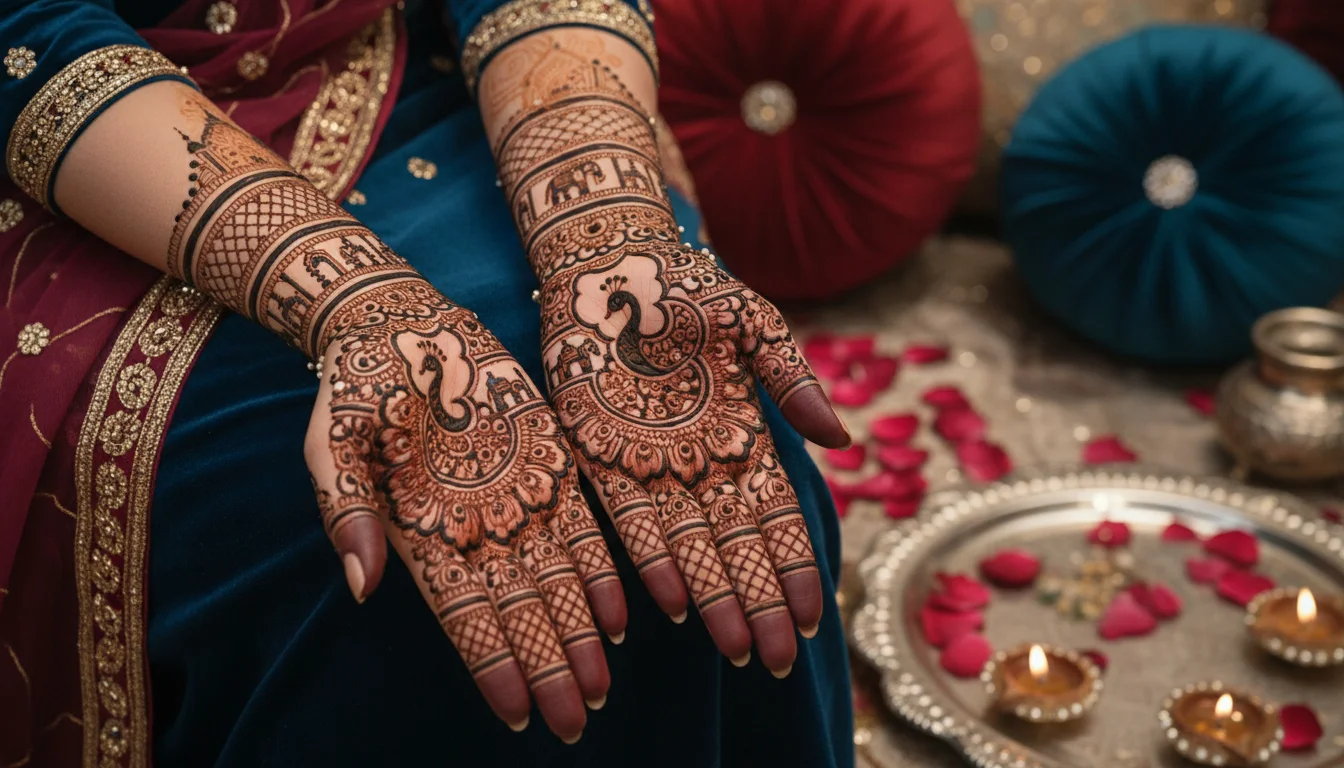
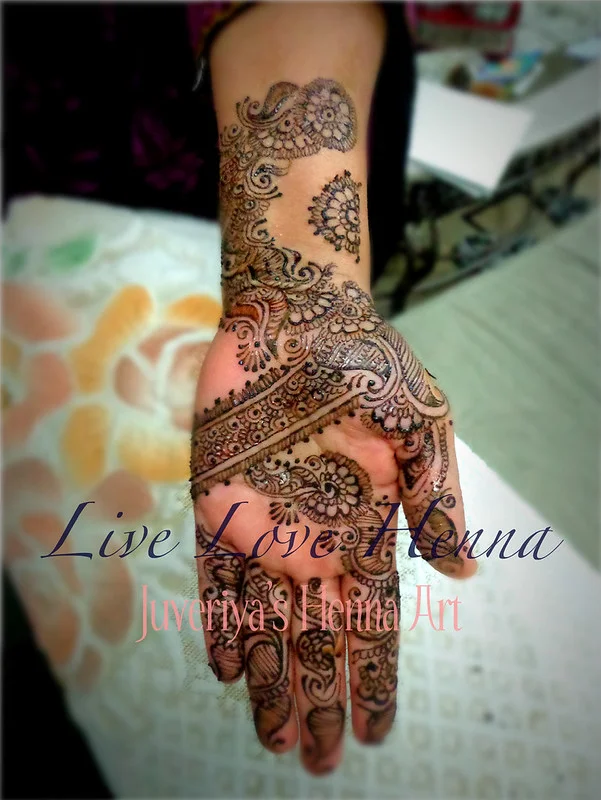
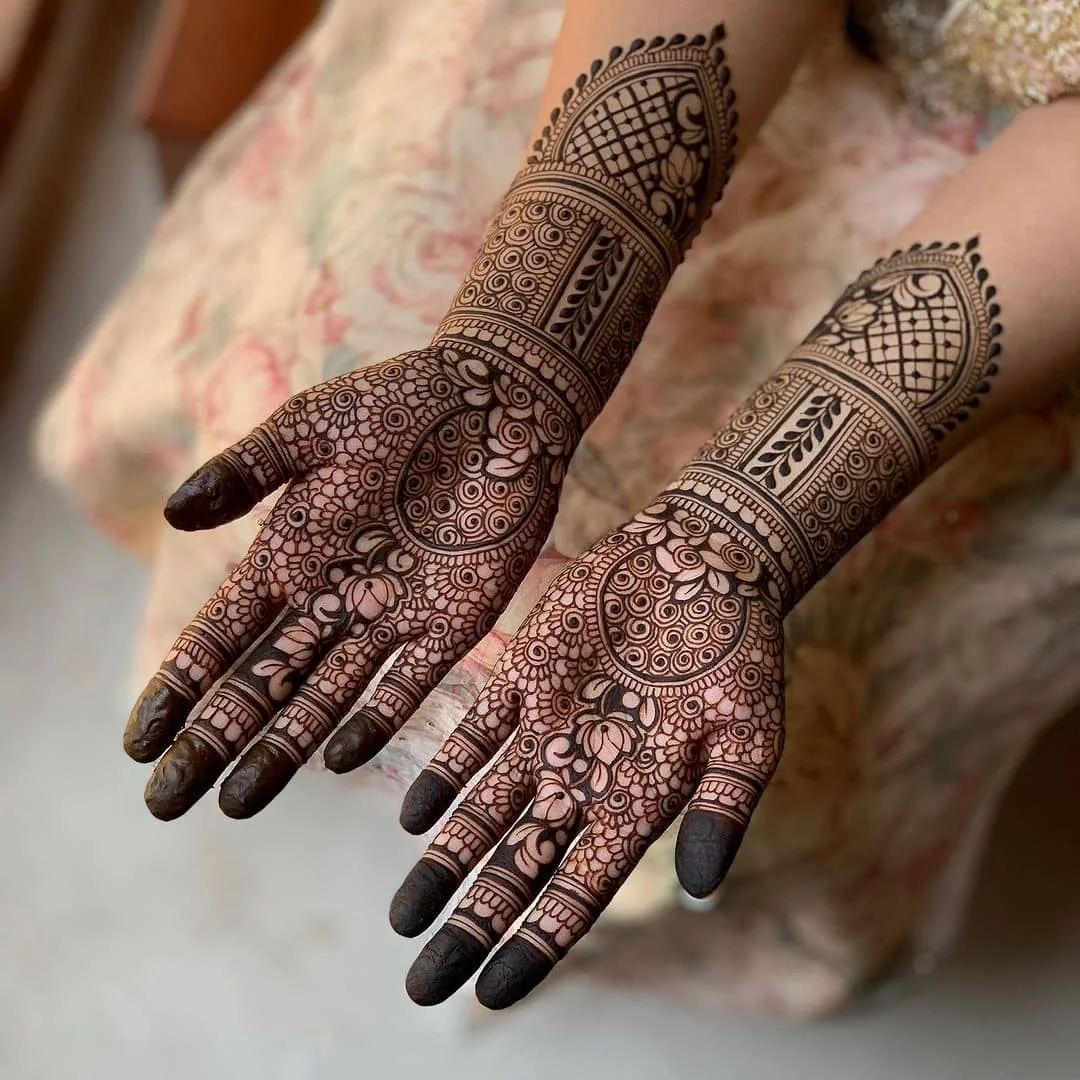
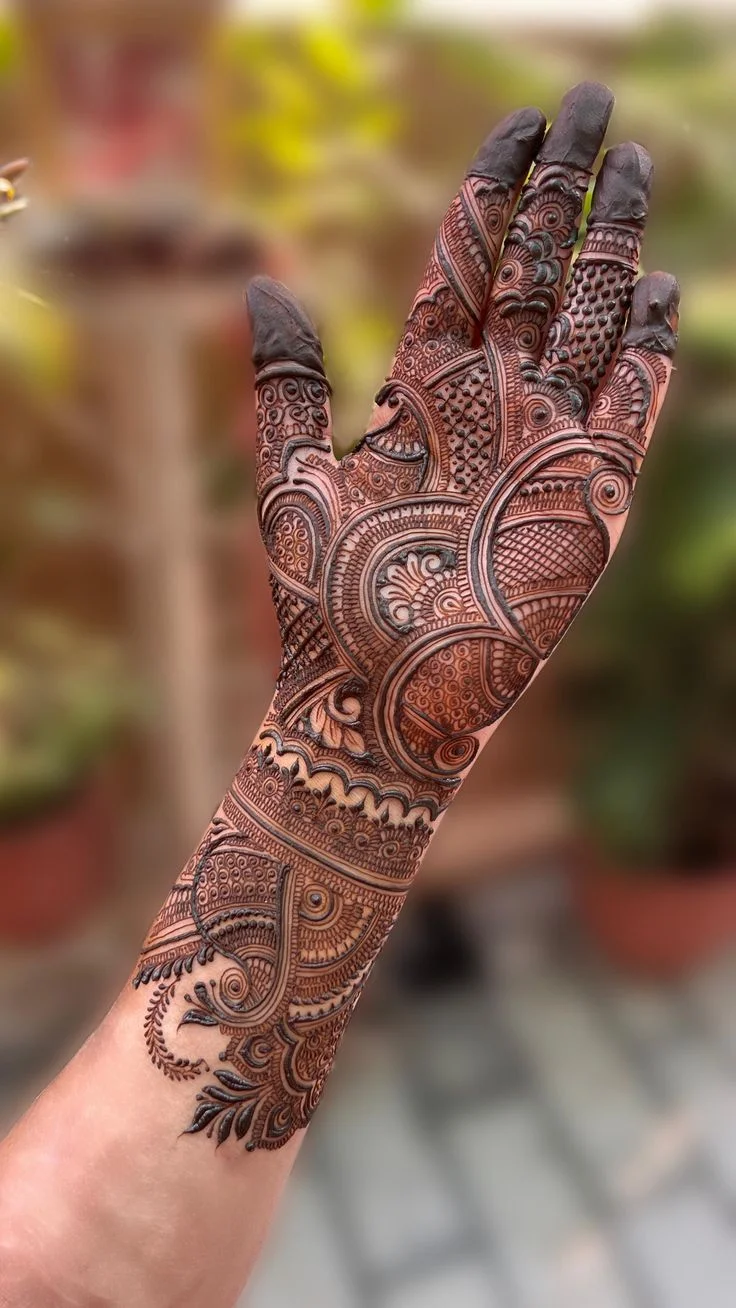
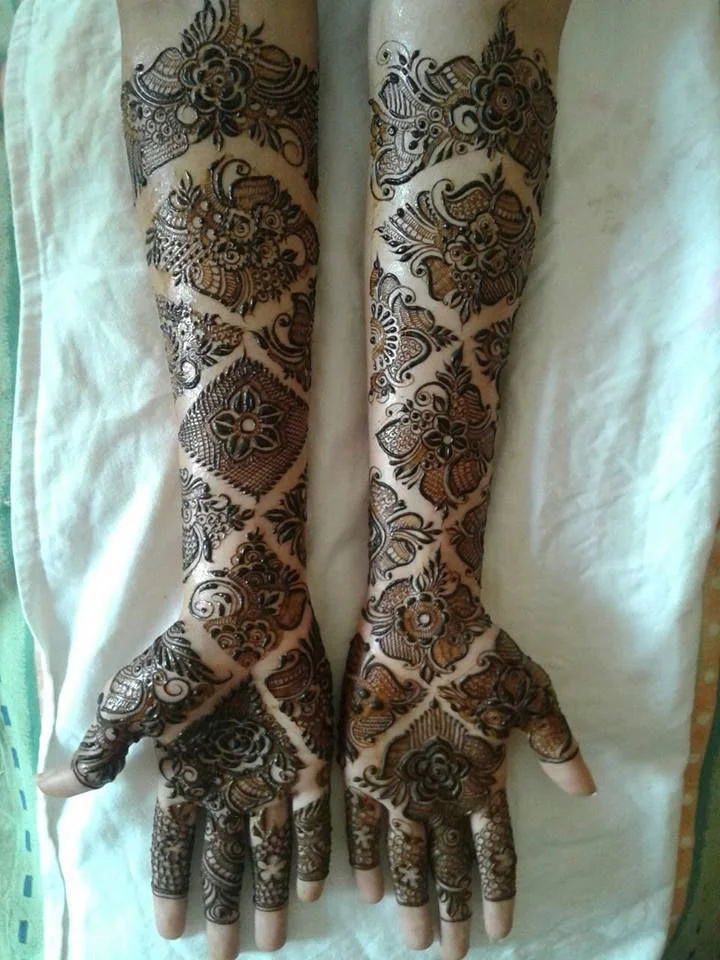
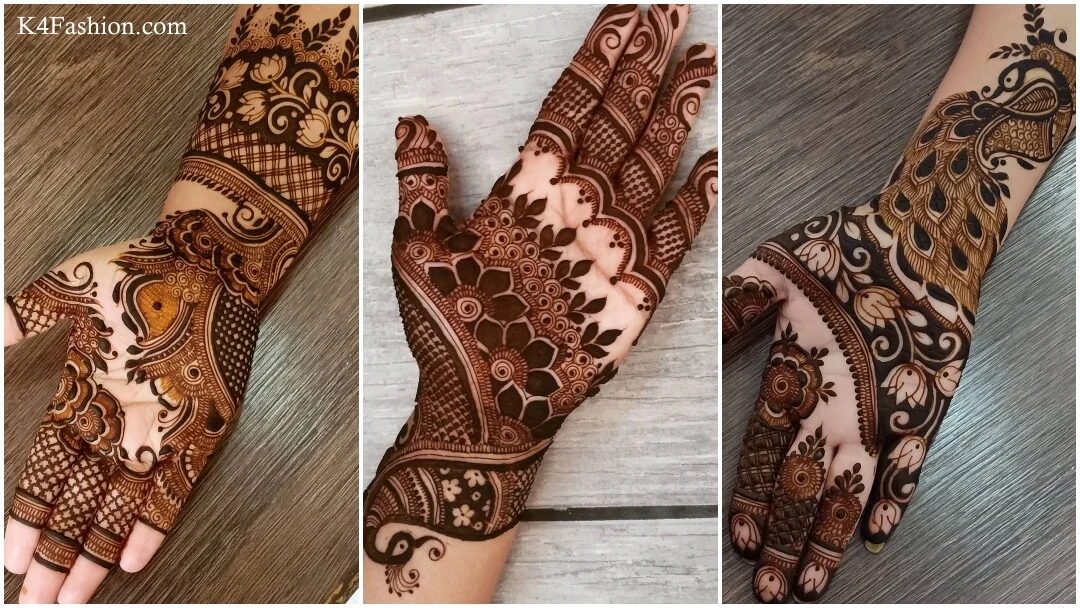
Indian mehndi fills nearly the entire surface; Arabic mehndi typically leaves half the hand bare. If you can see large stretches of unbroken skin between motifs and the design still reads as composed, you’re looking at Arabic.
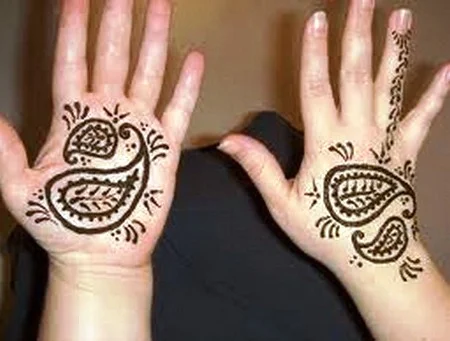
Indian patterns use small repeated units (paisleys, buti, jaal nets) tiled across the hand. Arabic patterns use one or two large motifs (a single rose, a sweeping vine) that anchor the whole composition. Big-and-bold versus small-and-dense.
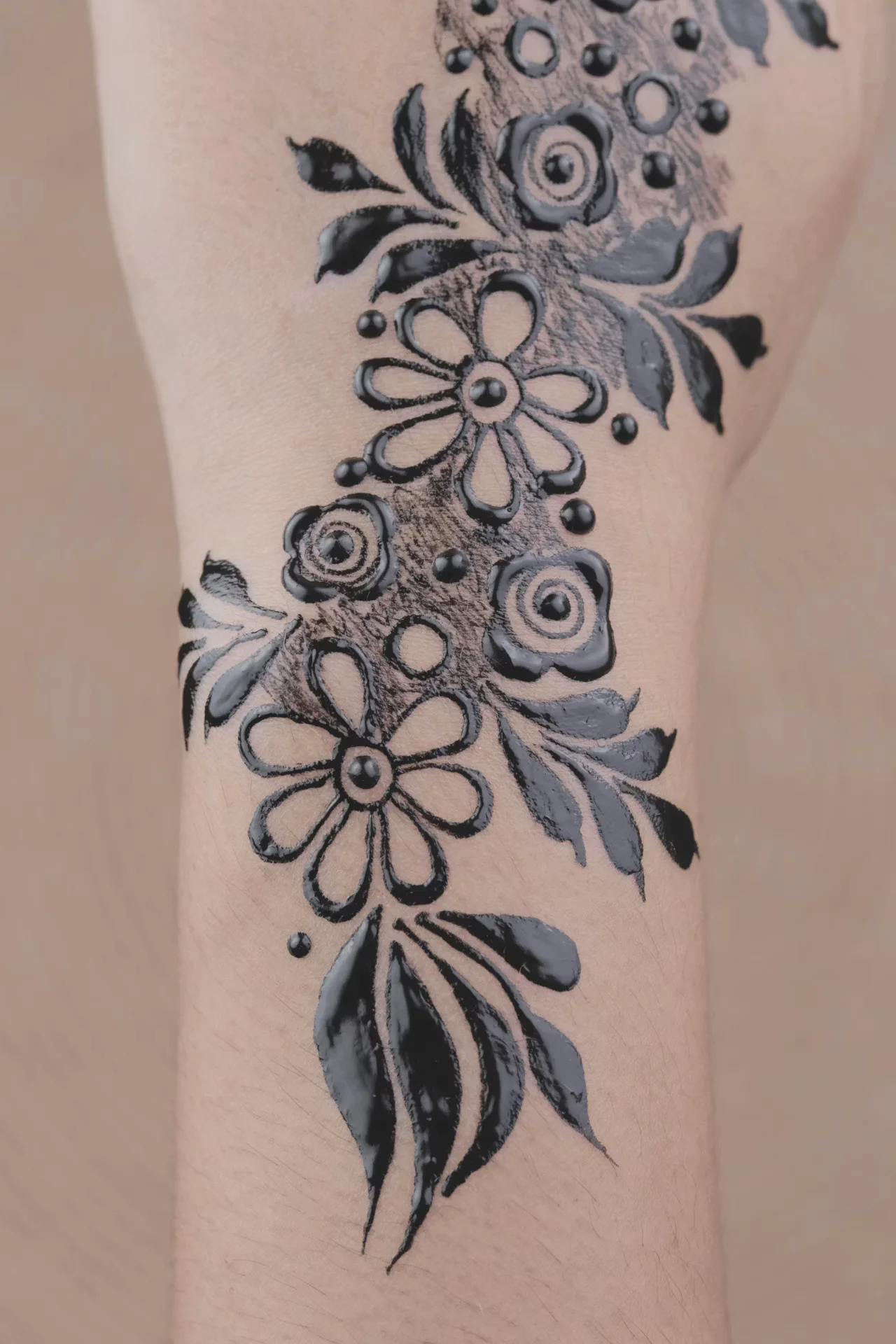
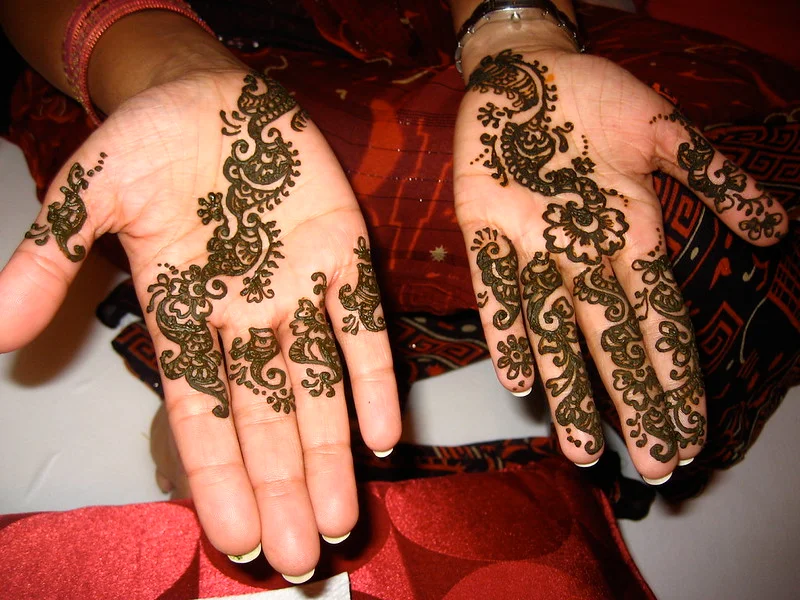
Indian work relies on fine, controlled lines and crosshatch fills. Arabic work uses thick continuous outlines and minimal fill. Hold a design at arm’s length: if you can still read the motifs, the line weight is Arabic; if it dissolves into texture, it’s Indian.
Arabic mehndi is the Gulf-region style of henna application, characterised by bold continuous outlines, large floral motifs (roses, leaves, vines), and generous negative space. Where Indian mehndi fills the surface densely, Arabic mehndi is built around what is left empty — the stain frames the skin rather than covering it.
Twenty to thirty minutes for a typical front-hand or back-hand pattern. Faster than Indian or Mughlai designs of equivalent visual weight, because Arabic technique relies on confident single-stroke outlines rather than dense fill work.
Two things. First, density — Indian patterns fill almost every available surface; Arabic patterns leave more skin bare than they cover. Second, motif scale — Indian designs use small, repeated motifs (paisleys, buti, jaal nets); Arabic designs use one or two large motifs (a single rose, a long vine) that anchor the whole composition.
Khaleeji is a sub-style of Arabic — specifically the Gulf-region version (Saudi Arabia, UAE, Kuwait, Bahrain, Qatar, Oman). Khaleeji designs lean even more bold and minimal than broader Arabic mehndi: larger roses, more pronounced empty space, and a stronger preference for anchoring the whole design at a single dramatic point.
Yes — it’s the second-most beginner-friendly style after pure simple/minimalist designs. Bold outlines hide a slightly shaky line better than fine fill work does, and the bigger motifs are easier to plan on the skin. Start with a single Arabic rose at the back of the hand with one trailing leaf.
Eid is the dominant occasion — Arabic mehndi is the default style across the Gulf and is widely worn for both Eid al-Fitr and Eid al-Adha. Sangeets, engagement parties, and casual everyday wear also suit Arabic patterns because they photograph well and don’t demand a four-hour commitment.