
About
The mehndi design archive that finally answers the questions you actually have
You are planning mehndi for your wedding. Or for Eid. Or for Karwa Chauth. You open a website to find a reference and what you get is ten thousand watermarked thumbnails, no artist credits, no idea how long any of them take to apply, no way to tell Arabic mehndi from Indian mehndi from Pakistani, and no filter that actually narrows the results to what you came looking for.
That is the mehndi browsing experience that has existed online for twenty years. My Mehndi Designs exists because every working henna artist we know was tired of it.
Why we built this
The mehndi problem nobody had bothered to fix
Artists kept running into clients who arrived with reference images that were impossible to execute in the time available. A bride would show up expecting a full bridal mehndi application in two hours. A beginner would search "simple mehndi design" and land on results that required a decade of practice. A mother would search "mehndi for kids" and get designs so small and intricate they needed a professional fine-tip cone to pull off.
The images existed everywhere. The information that made them actually useful existed nowhere.
Artists know this information. They know how long a jaal mehndi pattern takes to fill properly. They know that Arabic mehndi design works on open negative space while Indian mehndi fills the hand from wrist to fingertip in dense, continuous coverage. They know which motifs fit a child's palm, which ones photograph best under wedding lighting, and which ones a complete beginner can attempt at home with a store-bought cone. We put that knowledge on the page next to each image.
This catalogue is not trying to be the biggest mehndi design site on the internet. It is trying to be the most useful one.
What is inside
Seven things every mehndi design on this site has to tell you
Every mehndi and henna design in the archive carries seven attributes that make it actually browsable. Not decorative labels thrown on for the look of organisation. Genuine, artist-assigned tags.
- 01
Placement
Front hand, back hand, full hand, finger, foot, leg. The same design sits differently on different surfaces and the placement tag tells you which surface the artist designed it for.
- 02
Style
Simple, easy, stylish, royal, aesthetic, modern. These are honest assessments of design complexity and visual weight, not marketing words. A "simple mehndi design" and a "royal mehndi design" are genuinely different things and the tag reflects that.
- 03
Tradition
Arabic, Indian, Pakistani, Khaleeji, Rajasthani, Mughlai. Each tradition has its own construction logic and the tag lets you browse by lineage rather than just by look. More on this in the section below.
- 04
Occasion
Bridal mehndi, Eid mehndi, Karwa Chauth, Diwali, Teej, everyday. A design that works for a quick Eid session is a different thing from bridal mehndi that needs four hours and two hands, and the occasion tag makes that difference visible before you book.
- 05
Motif
Lotus, rose, peacock, mandala, jaal, vine, paisley, geometric, bel, buti, khafif, circle, flower. If you have a specific motif you love you can browse for it directly rather than scrolling through the full gallery hoping it appears.
- 06
Skill level
Beginner, intermediate, advanced. This is the tag most mehndi sites skip entirely. We include it because it is the difference between going home proud of what you applied and going home with a ruined evening and henna stains everywhere except where you intended.
- 07
Time to apply
In minutes. Because your Karwa Chauth session and your full bridal mehandi appointment are not the same commitment, and you should know the difference before you sit down.
Alongside the main gallery, the site has browse pages for every cluster: front hand, back hand, bridal, Arabic, Pakistani, Indian, lotus, peacock, kids, beginners and more. The high-volume ones are hand-curated with tradition notes, step-by-step timelines and FAQs written by the artists. Every other path, from jaal mehndi to Khaleeji mehndi, auto-generates from the same tag data so you always land on a filtered, relevant result.
The traditions
Arabic, Indian, Pakistani and Khaleeji mehndi, each on its own terms
Mehndi is not one tradition. It is several, each with its own vocabulary, its own geography and its own aesthetic logic. We keep them named separately because blurring them into a single "ethnic henna" category makes the archive less useful for everyone, and because a bride who wants Rajasthani Indian mehndi is asking for something entirely different from one who wants Arabic bridal mehndi.
Arabic mehndi design is built on bold outlines, large floral motifs and deliberate negative space. The paste is applied thickly and the design breathes. It photographs dramatically even on a small application and it suits brides who want visible impact without heavy full-hand coverage. The rose is the signature Arabic motif; the open space between elements is as important as the elements themselves.
Indian mehndi, particularly the styles from Rajasthan and the Mughal courts, is the opposite: dense jaal patterns, bel creepers, buti fill, figures and architectural details worked into the hand from wrist to fingertip. The darker and more complete the coverage the better. Rajasthani and Mughlai are distinct sub-traditions within the Indian lineage and we tag them separately so you can tell them apart.
Pakistani mehndi sits close to the Indian tradition in its love of coverage but leans toward stronger geometric structure and heavier back hand work. Contemporary Pakistani style also incorporates fine khafif linework that sits between Arabic openness and Indian density, producing a distinctive modern look that has its own large following.
Khaleeji mehndi, from the Gulf, shares the Arabic preference for open space but adds a jewellery-inspired architecture that is entirely its own: cuffs, ring shapes, chains and layered negative space that reads like gold on the skin. A bride choosing Khaleeji cannot get what she wants by browsing a general "bridal mehndi" gallery, which is exactly why we tag it separately.
The journal
Written by artists who have gotten it wrong and adjusted
The My Mehndi Designs Journal is where the longer writing lives. How to apply mehndi at home without making a mess of it. How to get the henna stain darker after removal. How to look after fresh mehndi in the first twenty-four hours so it reaches full depth. The real difference between Arabic and Indian mehndi in practice rather than on a taxonomy page.
Every piece in the Journal is written by the artists, not summarised from other websites. They reflect what you learn after applying henna for years, making mistakes, and adjusting. We publish them because they are the articles we wished existed when we were learning, and because the people who wear mehndi deserve better than content written by someone who has never held a cone.
The artists
The hands behind the work
Two named artists do the work that fills the catalogue.
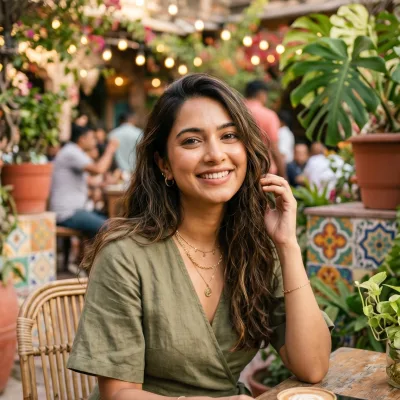
Priya Sharma
Resident Henna Artist
Priya has been applying and documenting mehndi for over twelve years, working across Delhi, Jaipur, and Ahmedabad. She trained in Rajasthani jaal construction and Mughlai motif work under two senior bridal artists before striking out independently. Her designs are known for structural precision — every line placed, nothing scattered. At My Mehndi Designs she leads the front-hand, full-hand, and bridal collections, both applying and photographing each design in our studio.
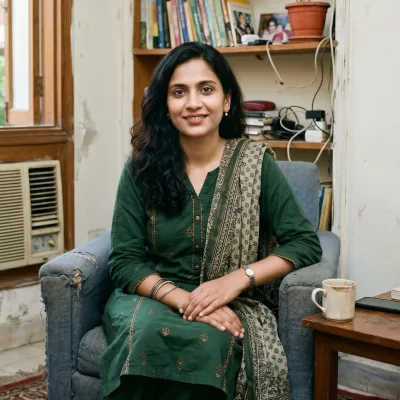
Aisha Mahmood
Guest Artist — Pakistani & Khaleeji Specialist
Aisha specialises in Pakistani mehndi and Gulf-style khaleeji designs, with a practice split between Lahore and Dubai. She studied under her mother — a bridal mehndi artist of thirty years — and brings that lineage to her work: confident negative space, bold geometric cuffs, and the fine khafif linework that defines contemporary Pakistani style. At My Mehndi Designs she contributes the Arabic, Pakistani, and back-hand collections.
How we work
Honest about where every image comes from
Our images come from two sources and we want to be straightforward about that. The first is our own studio: designs applied by our resident artists, photographed within seventy-two hours of application at peak stain, with the wearer's written consent. The second is licence-free photography sourced from platforms that allow commercial use with no attribution required.
When we use a licence-free image we do not simply post it and move on. Every design in the archive is reviewed and critiqued by one of our artists before it goes live. That means the tradition tag, the motif breakdown, the skill assessment and the time estimate all come from someone who has actually applied that style of mehndi, regardless of who photographed the original image. The image is the reference. The editorial layer is ours.
What we do not do is republish images from other mehndi websites, scrape Pinterest, or lift watermarked content. Licence-free means verifiably licence-free, not "we found it on Google Images and assumed."
We do not accept payment to feature a design or an artist. We do not run sponsored content dressed as editorial. When an artist recommends a technique or a product in the Journal it is because she uses it, not because someone paid for the mention.
The full set of rules lives in our editorial standards. The way the site is paid for is in our disclosure. Both are worth reading if you plan to cite anything from this archive.
Get in touch
Something to say? We are listening.
If you have spotted an error, want to suggest a mehndi design we should photograph, want to pitch a guest piece in your tradition, or just want to say something about the site, write to contact@mymehndidesigns.com. We read every message.