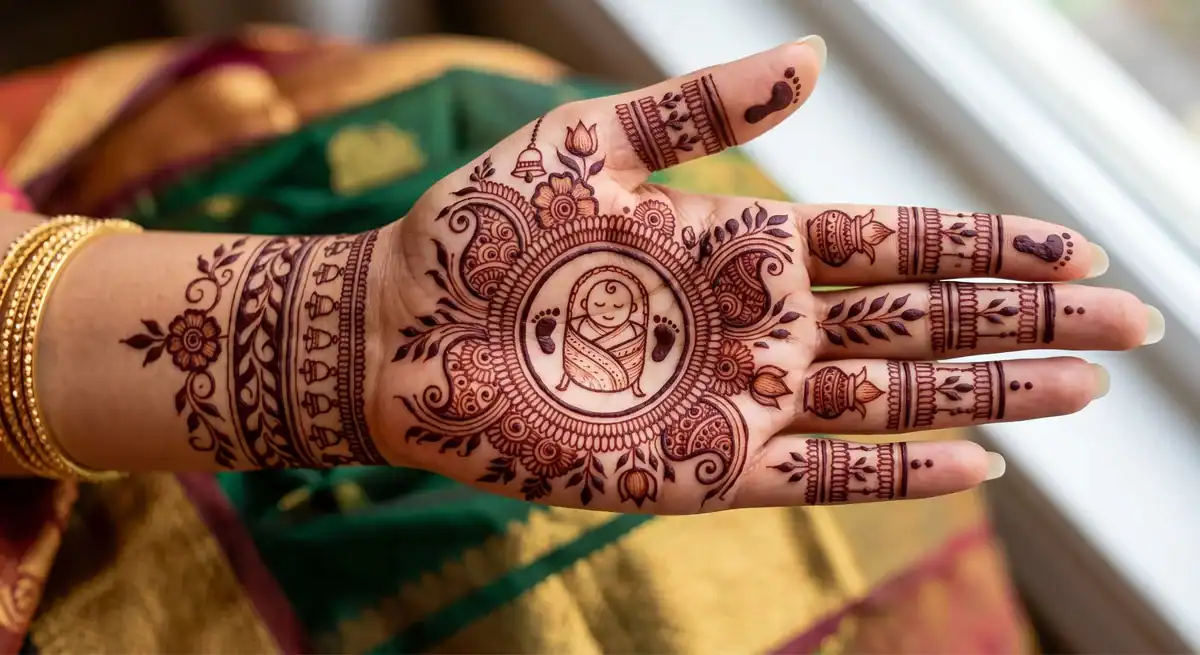
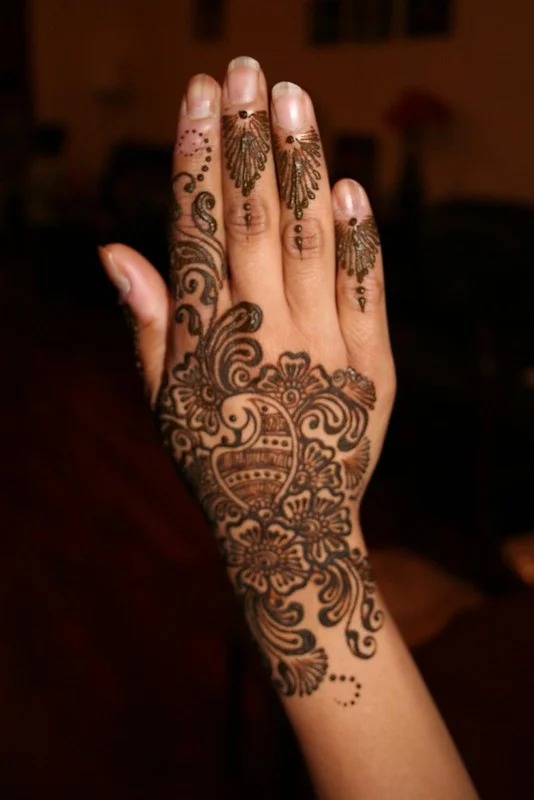
Central Baby Motif Front Hand Design With Kalash Fingers And Bell Cuff
60 min · Intermediate


Occasion — Eid
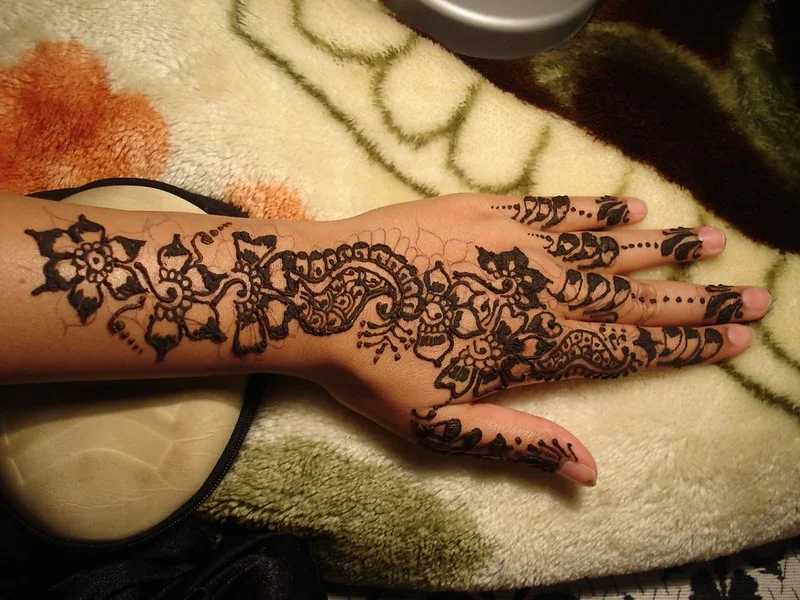
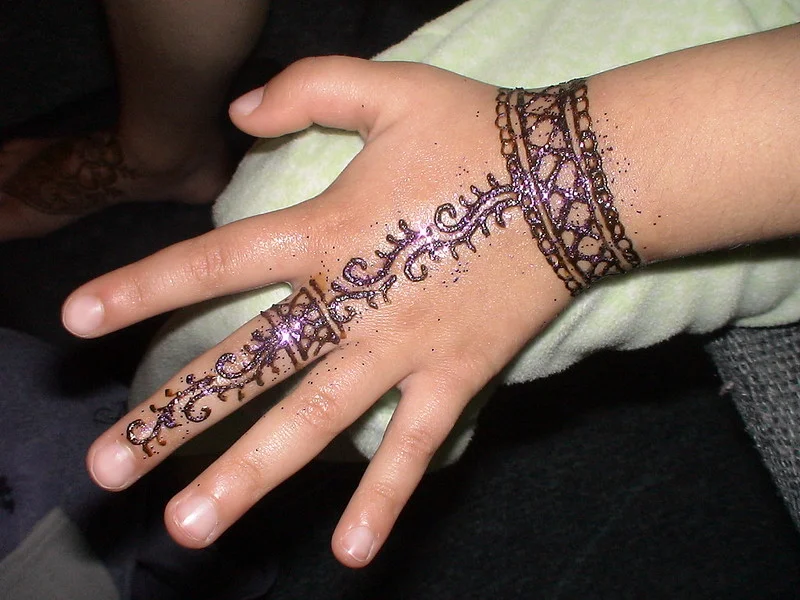
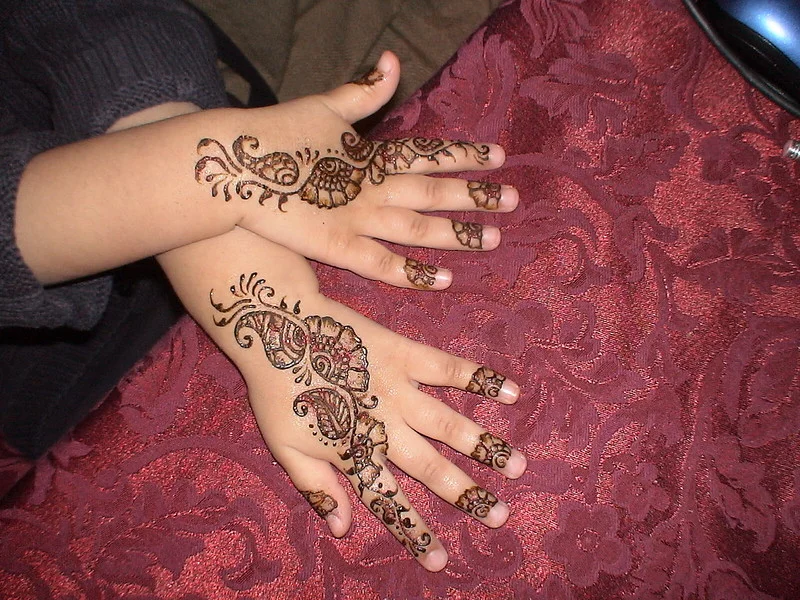
Applied on chand-raat, set overnight, peaks by Eid namaz. Arabic roses, Pakistani khafif, the occasional crescent. 5 curated designs from our studio — every one tagged for tradition, placement, and minutes-to-apply.
60 min · Intermediate
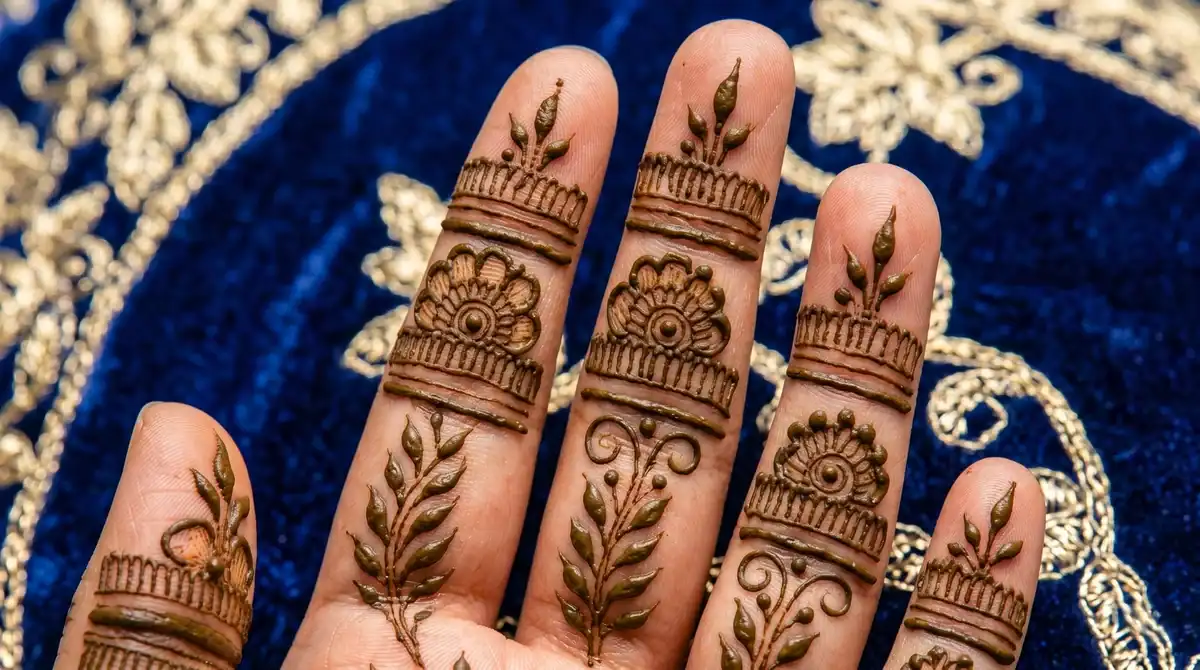
30 min · Beginner
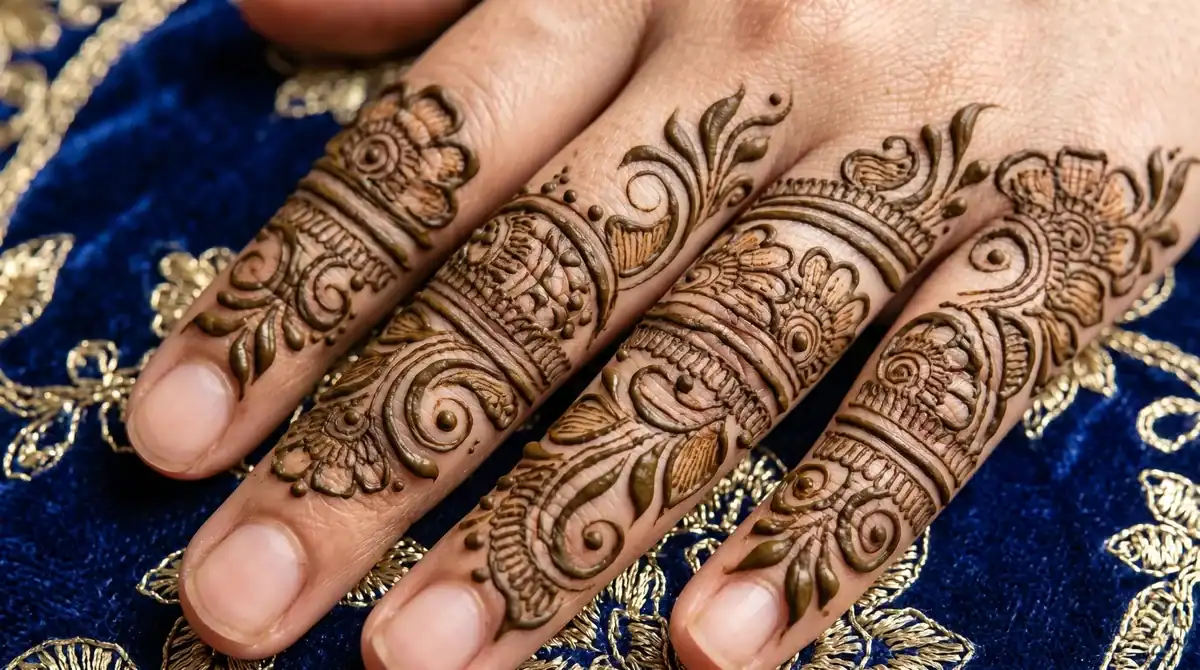
50 min · Advanced
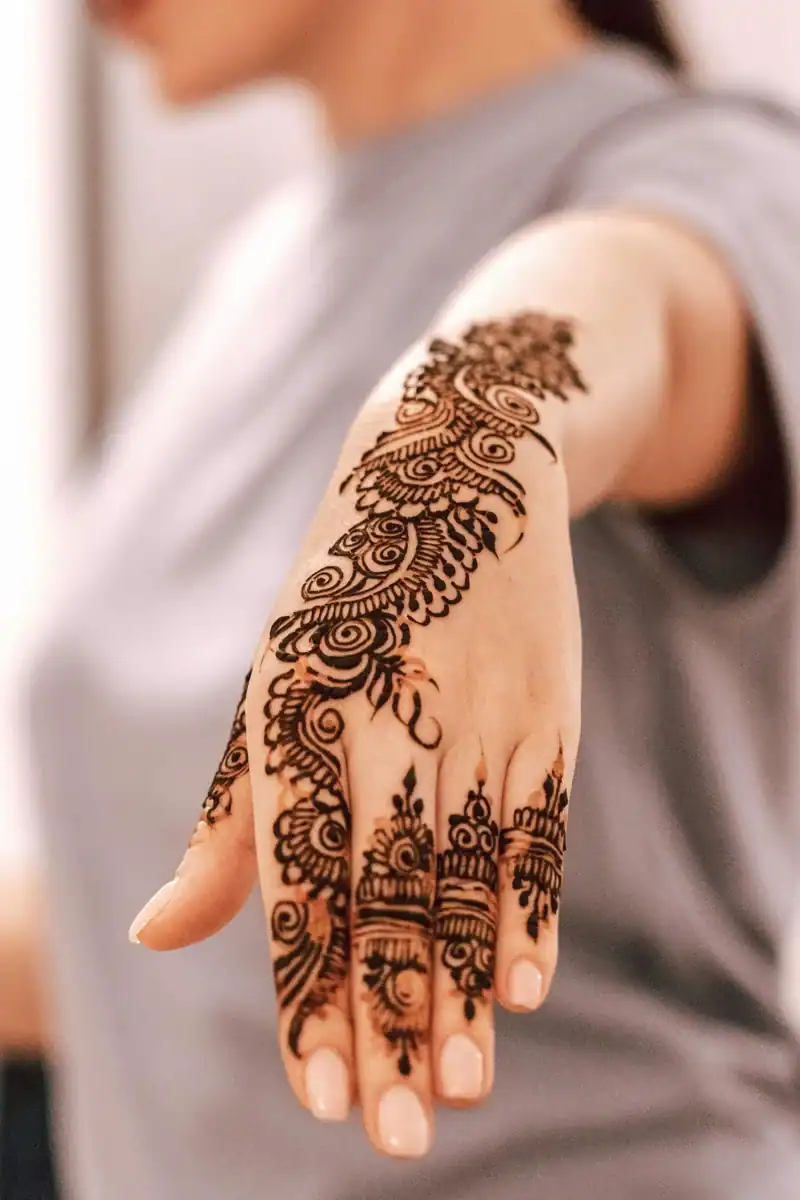
50 min · Advanced
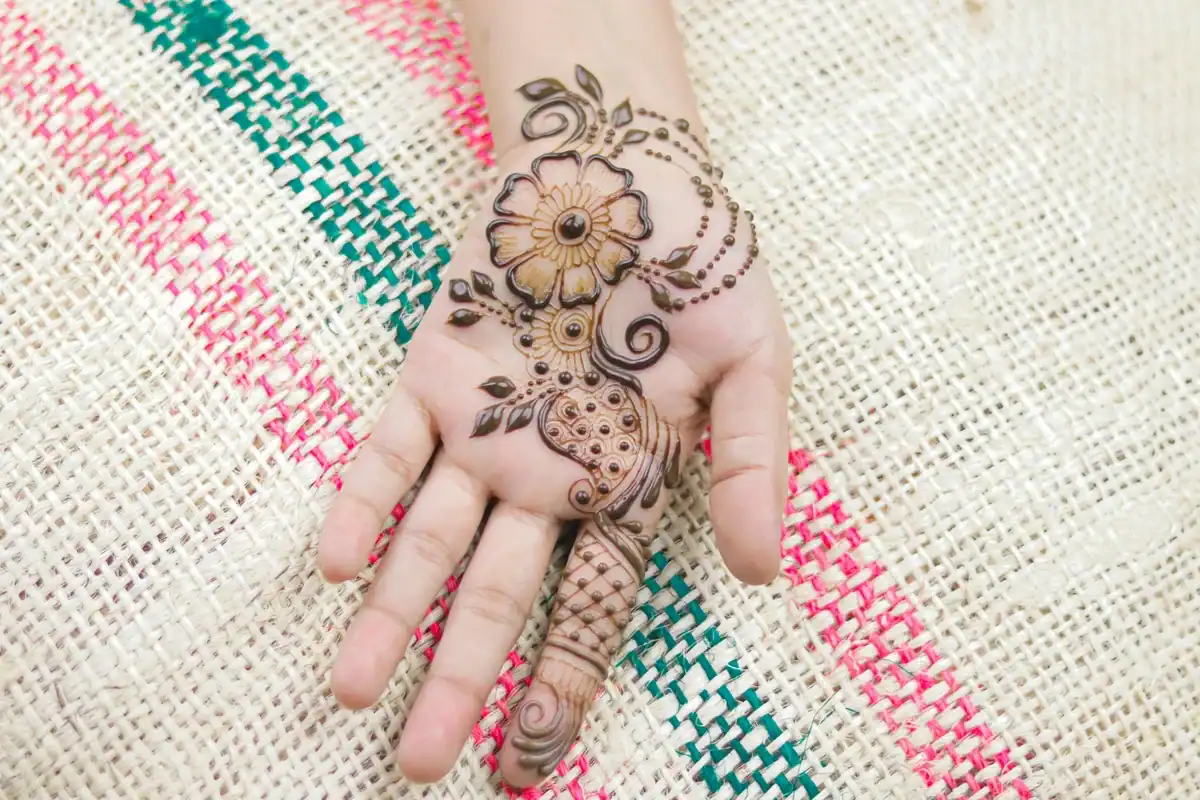
30 min · Beginner
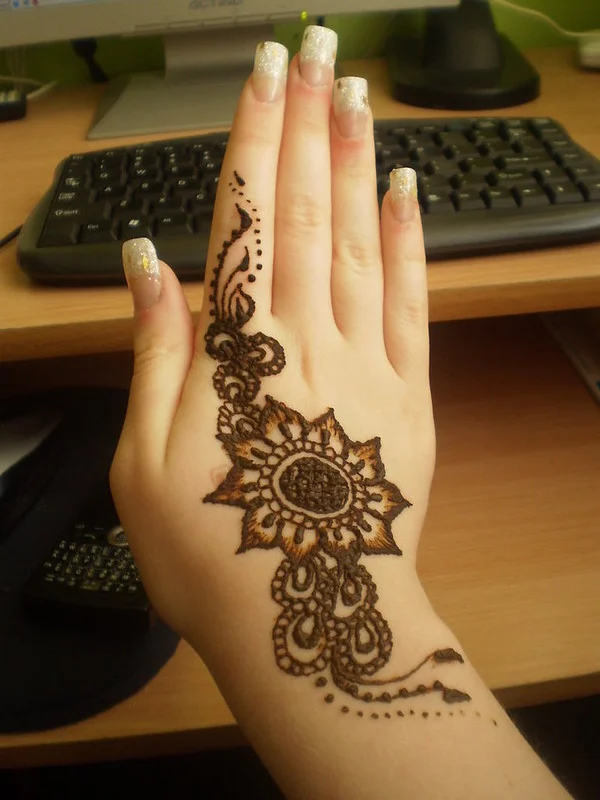
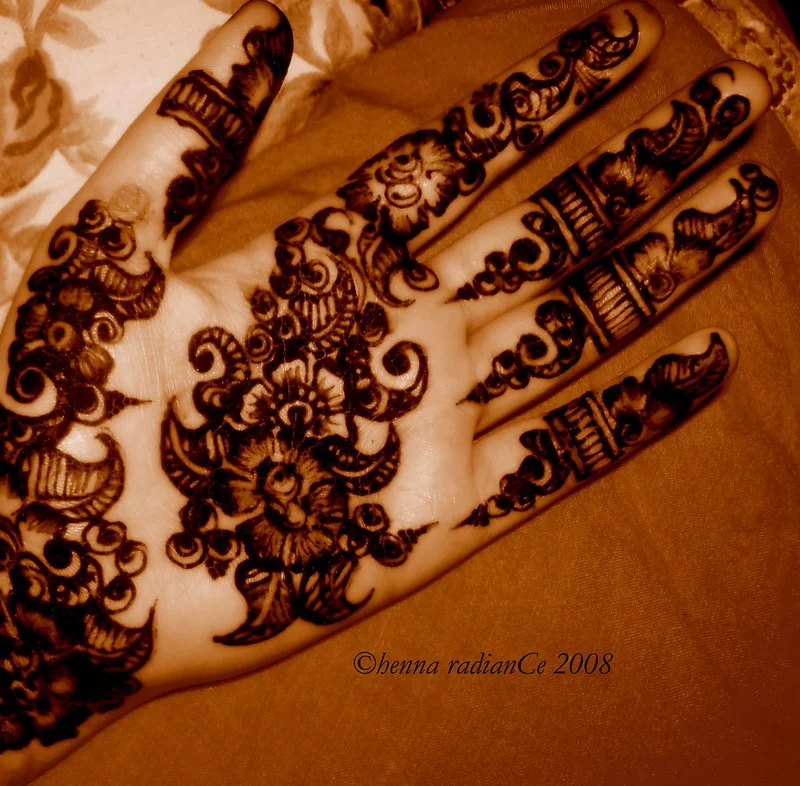
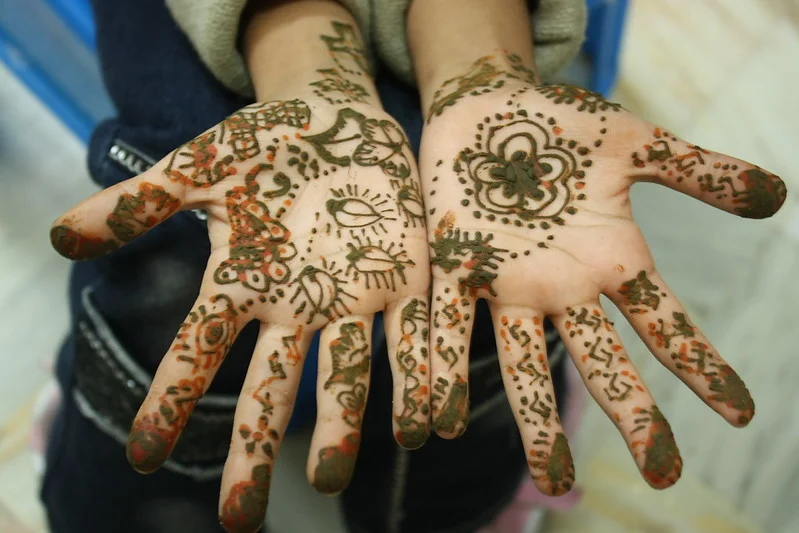
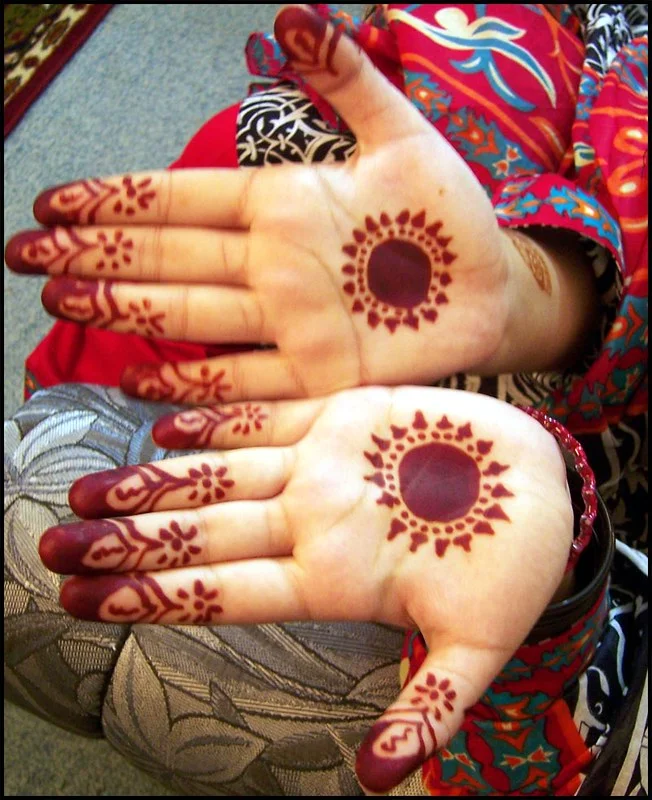
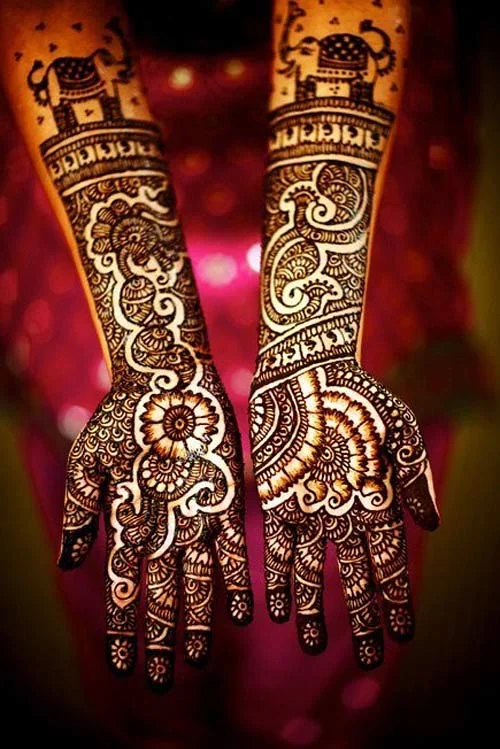
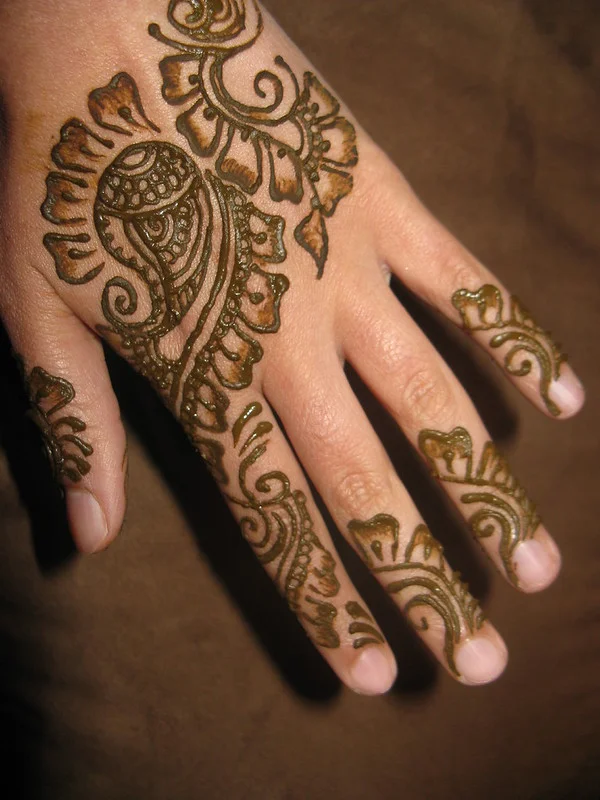
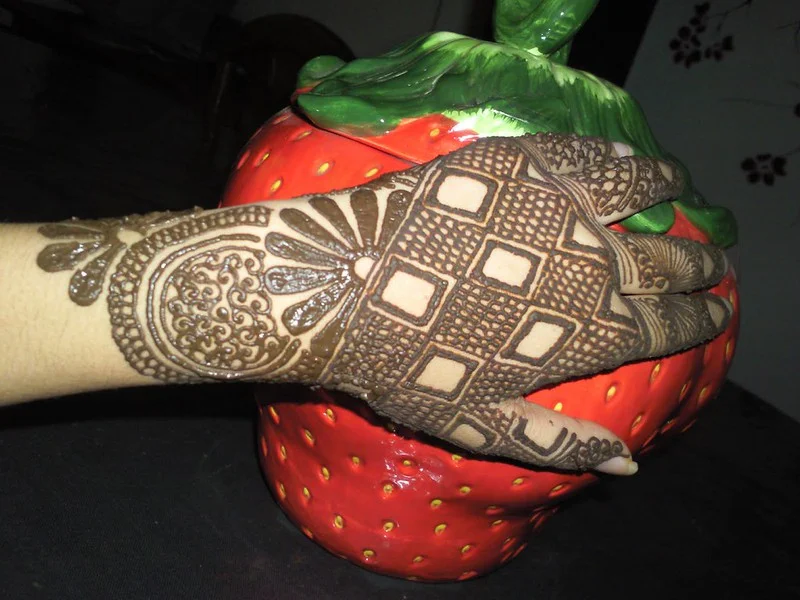
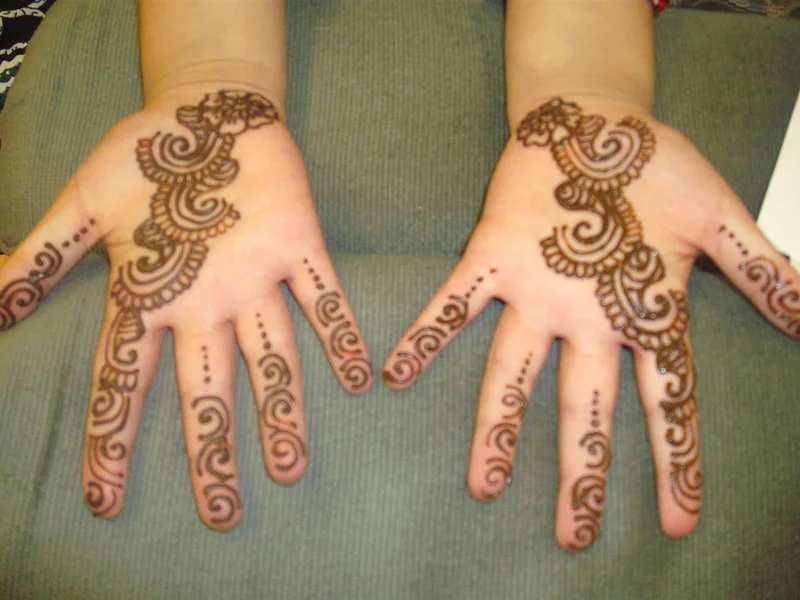
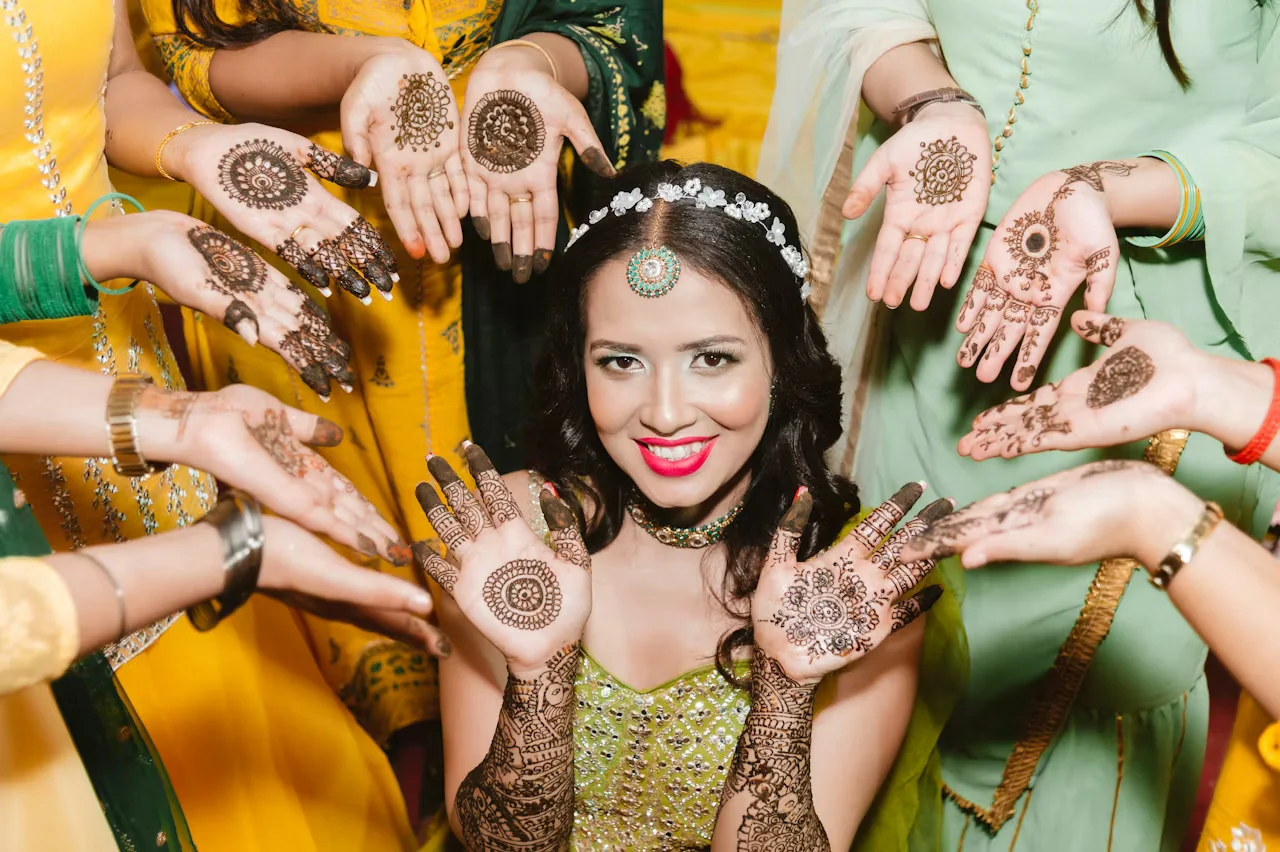
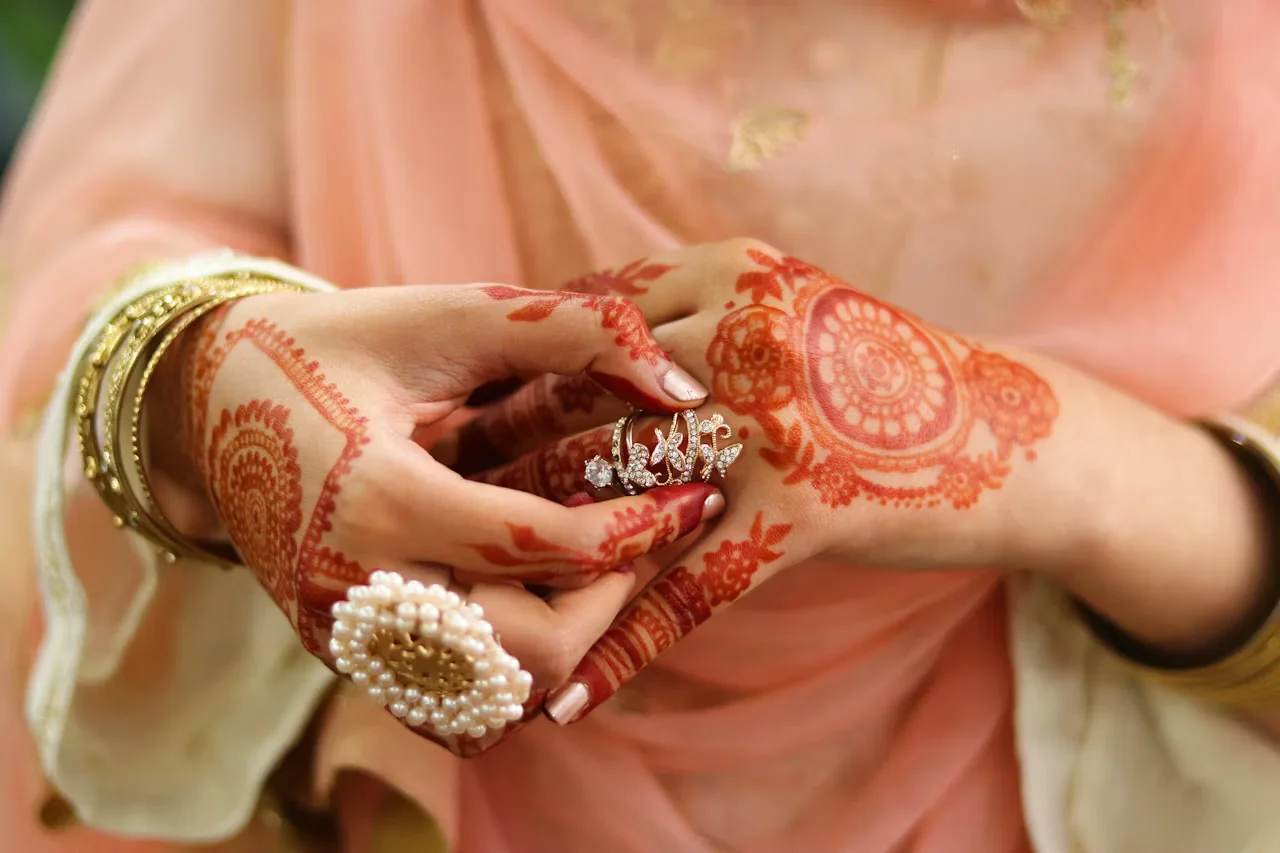
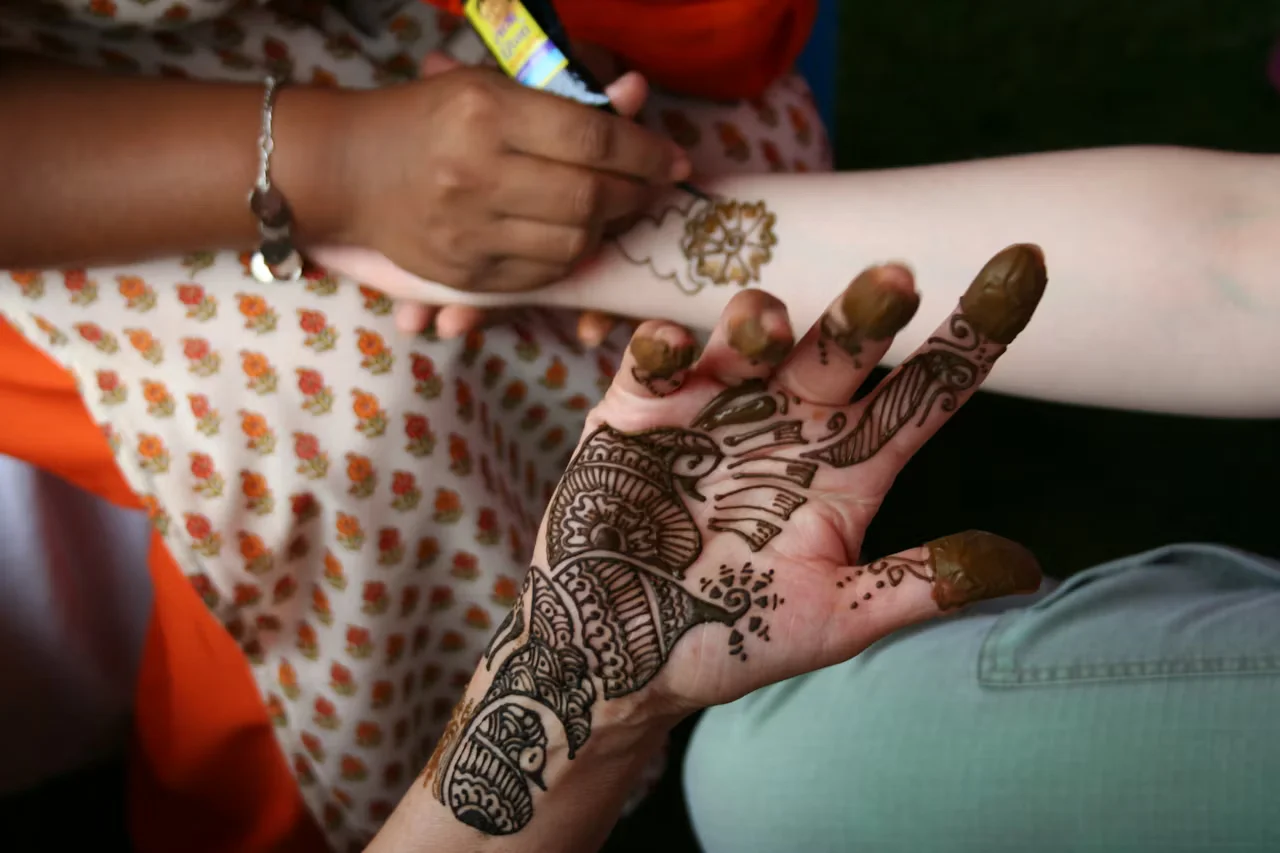
About this collection
Eid mehndi design ideas — also called chand raat mehndi — belong to a tradition that runs from Pakistan and the Gulf across South Asia and the Western diaspora. Eid mehndi is applied on chand-raat, the evening the new crescent is sighted, marking the end of Ramadan. Gatherings start once the moon is announced and run late: cousins, sisters, neighbours’ children all crowded around the artist or each other’s hands. The paste sets overnight, the henna stain peaks by Eid namaz the next morning, and holds through both days of the festival.
Patterns favour Arabic and Pakistani traditions — bold continuous outlines, large floral motifs, generous negative space, and the occasional crescent worked into the design. Application is fifteen to forty-five minutes, deliberately lighter than bridal weight. Eid al-Fitr is the bigger mehndi occasion of the two; Eid al-Adha sees lighter application focused on visiting family.
The chand-raat timeline
Five steps from the moment the new moon is announced through to peak stain on the morning of Eid.
Once the new crescent is announced, mehndi gatherings start. Eat dinner, change into something you don’t mind smudging paste onto, gather your designs and reference photos. Apply between isha and midnight — the goal is paste on by 11pm so it dries fully before bed.
Front hand for both hands, fifteen to forty-five minutes per side depending on style. Arabic roses are the fastest; Pakistani khafif fill takes longer. Crescent moon motifs are a quiet Eid signature — work one in along the wrist or at the base of one finger.
Once the paste has dried (about thirty minutes), dab a lemon-sugar mix to seal it. Wrap loosely in cotton or tissue. Sleep with the paste on. Wear an old kurta to bed — paste smudges onto sheets are a chand-raat tradition no one mentions.
Wake before fajr namaz. Scrape the dried paste off with a butter knife — never water. The stain at this point is bright orange. Eat sehri-style breakfast (or just chai) with hands wiped clean of any paste residue.
By the time you head to Eid namaz, the stain has darkened noticeably. Hold the hands above warming cloves for two minutes if you want it deeper. The colour holds through both days of Eid and stays visible for two to three weeks.
On chand-raat — literally "moon-night" — the evening the new crescent is sighted, marking the end of Ramadan. Mehndi gatherings start once the moon is announced and run late into the night. The paste sets while you sleep and the stain peaks the morning of Eid itself, holding through both days of the festival.
Arabic and Pakistani traditions dominate Eid mehndi. Arabic patterns lead with bold roses, sweeping vines, and generous negative space — fifteen to thirty minutes per side. Pakistani khafif (light filling around bold motifs) is the second most common, taking thirty to forty-five minutes. Crescent-moon motifs are a quiet Eid signature when worked into the design.
Eid al-Fitr (end of Ramadan) is the bigger mehndi occasion — chand-raat gatherings are a established tradition, especially across Pakistan, the Gulf, and South Asia. Eid al-Adha (Bakra Eid) sees lighter mehndi application; the focus is on the qurbani and the visit to family. Either way, designs lean simple to stylish rather than full bridal coverage.
At least six hours, ideally overnight. Apply on chand-raat after isha, sleep with the paste on, scrape it off before fajr or just after. The stain develops through the morning and peaks by Eid namaz. Avoid water for the first twelve hours after scraping.
Yes — and kids’ mehndi is a defining chand-raat memory across Pakistani and Gulf homes. Stick to a small front-hand design (a single rose, a row of dots, a crescent) that takes under fifteen minutes to apply. Patch-test on the inside of the wrist on first application. Skip the foot until the child is older.
Most Eid patterns are within reach at home — Arabic style is the second-most beginner-friendly tradition after pure simple/minimalist work, because bold continuous outlines hide a slightly shaky line. Practise on paper twice, anchor the design at one point, and start with a single Arabic rose at the back of the hand. For khafif fill work, book an artist.