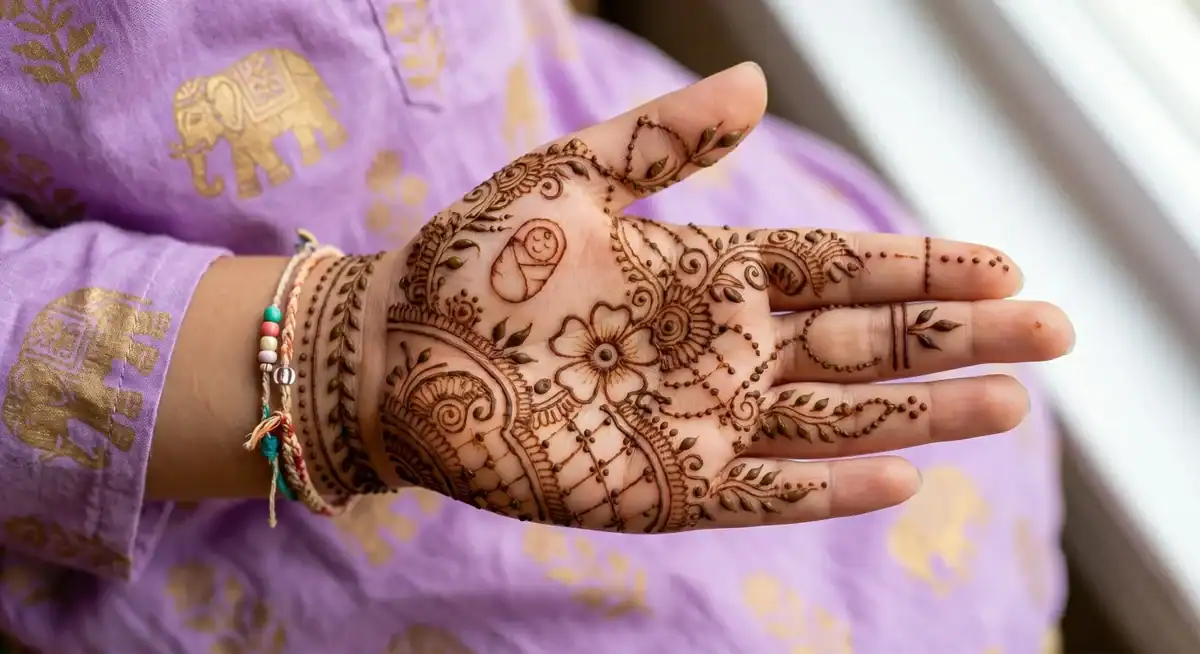
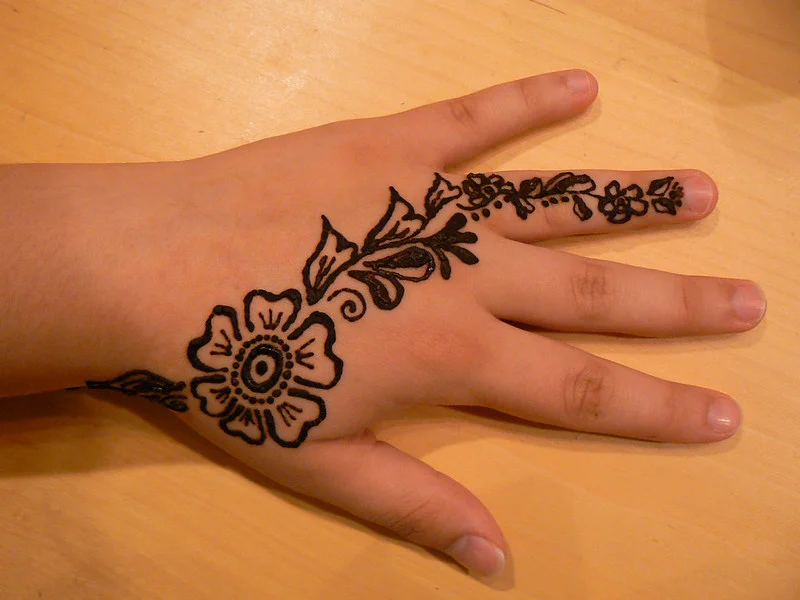
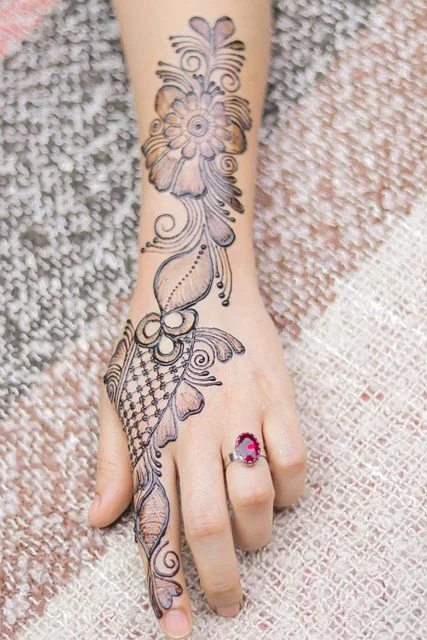
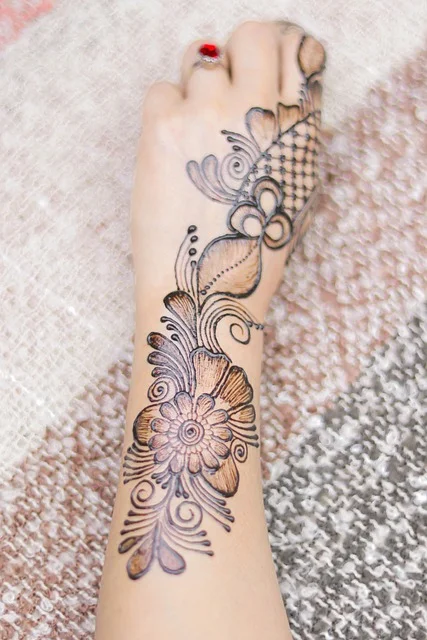
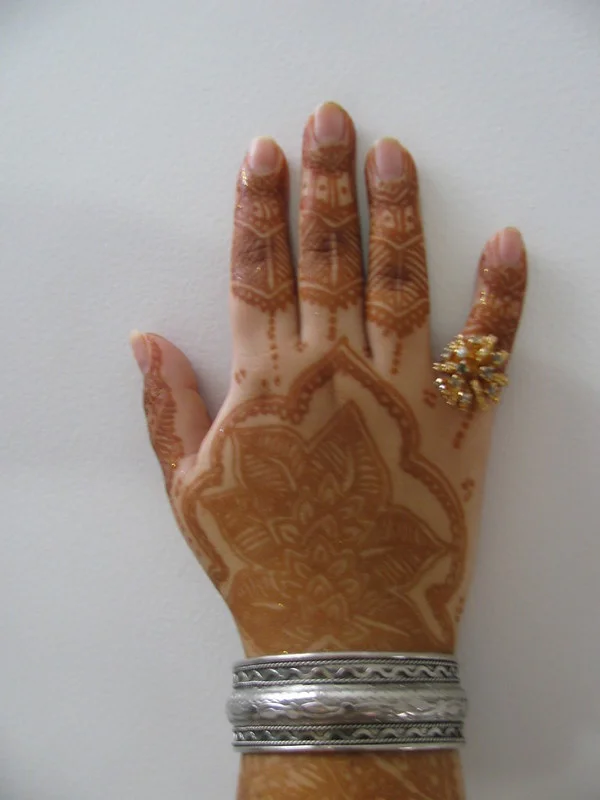
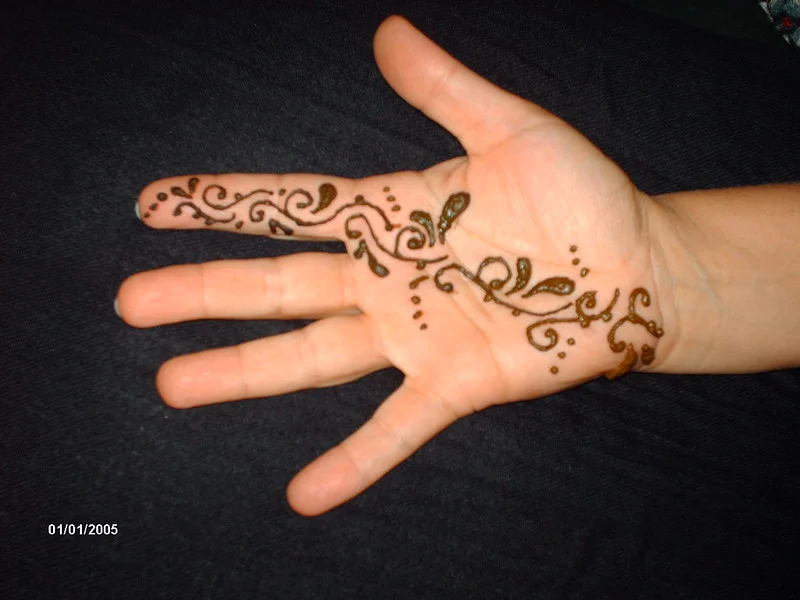
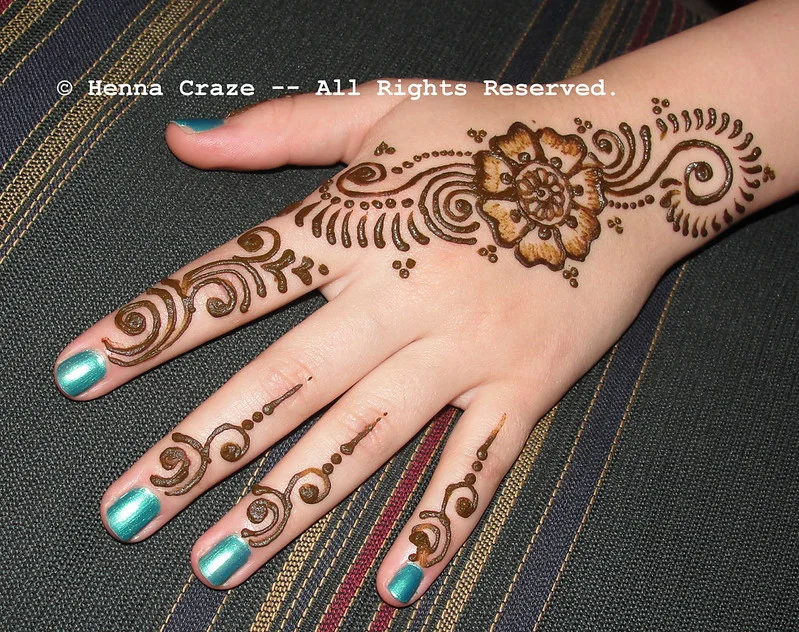
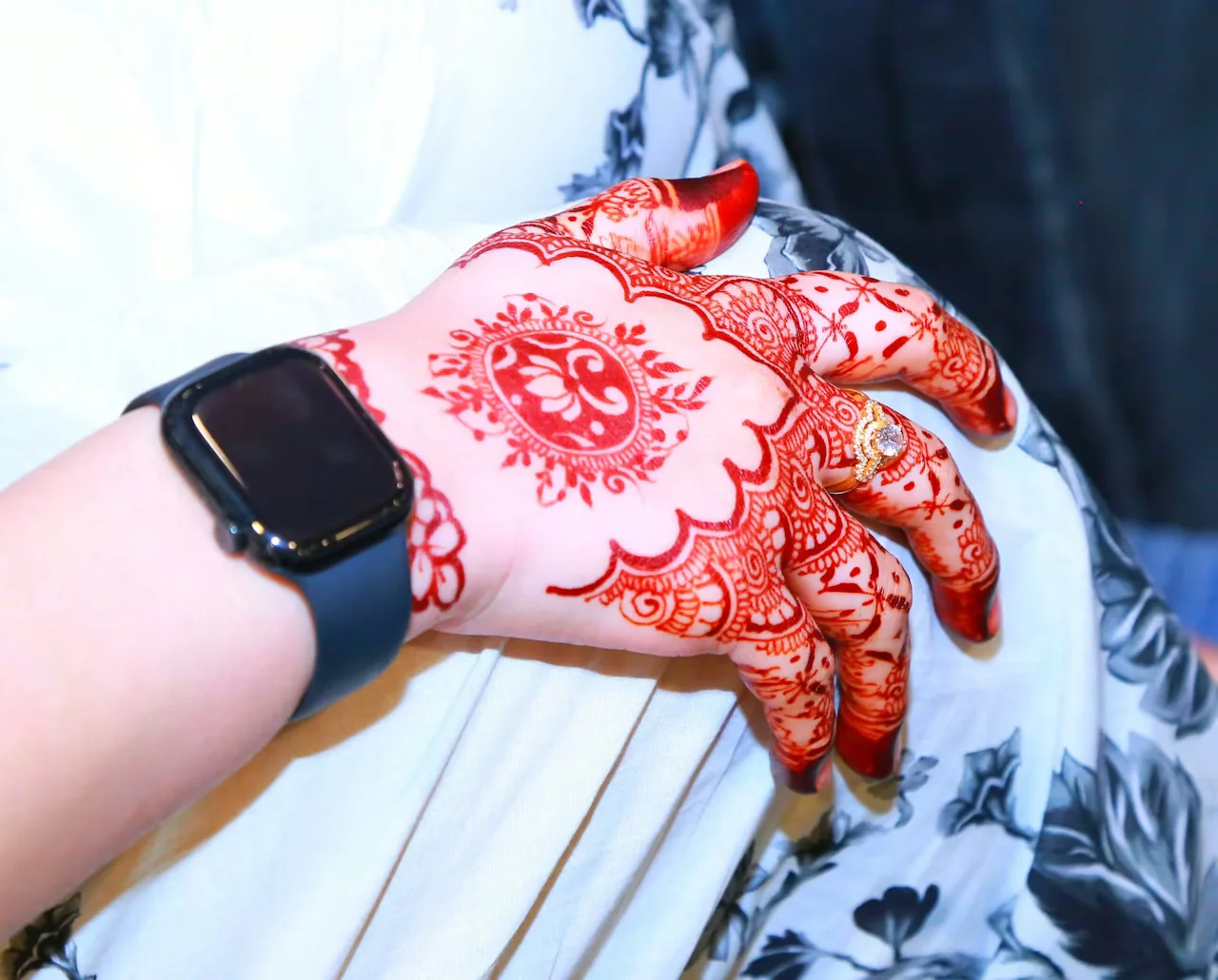
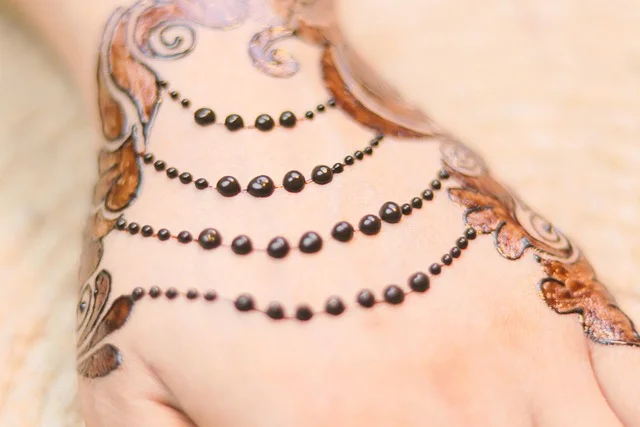
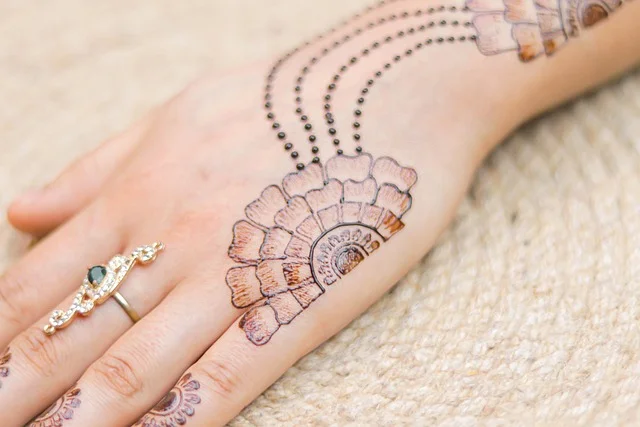
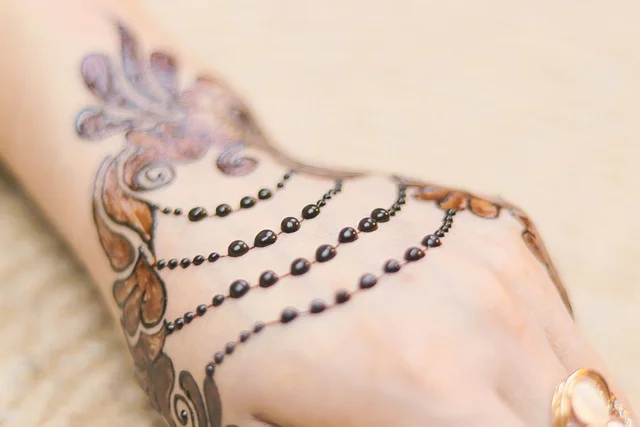
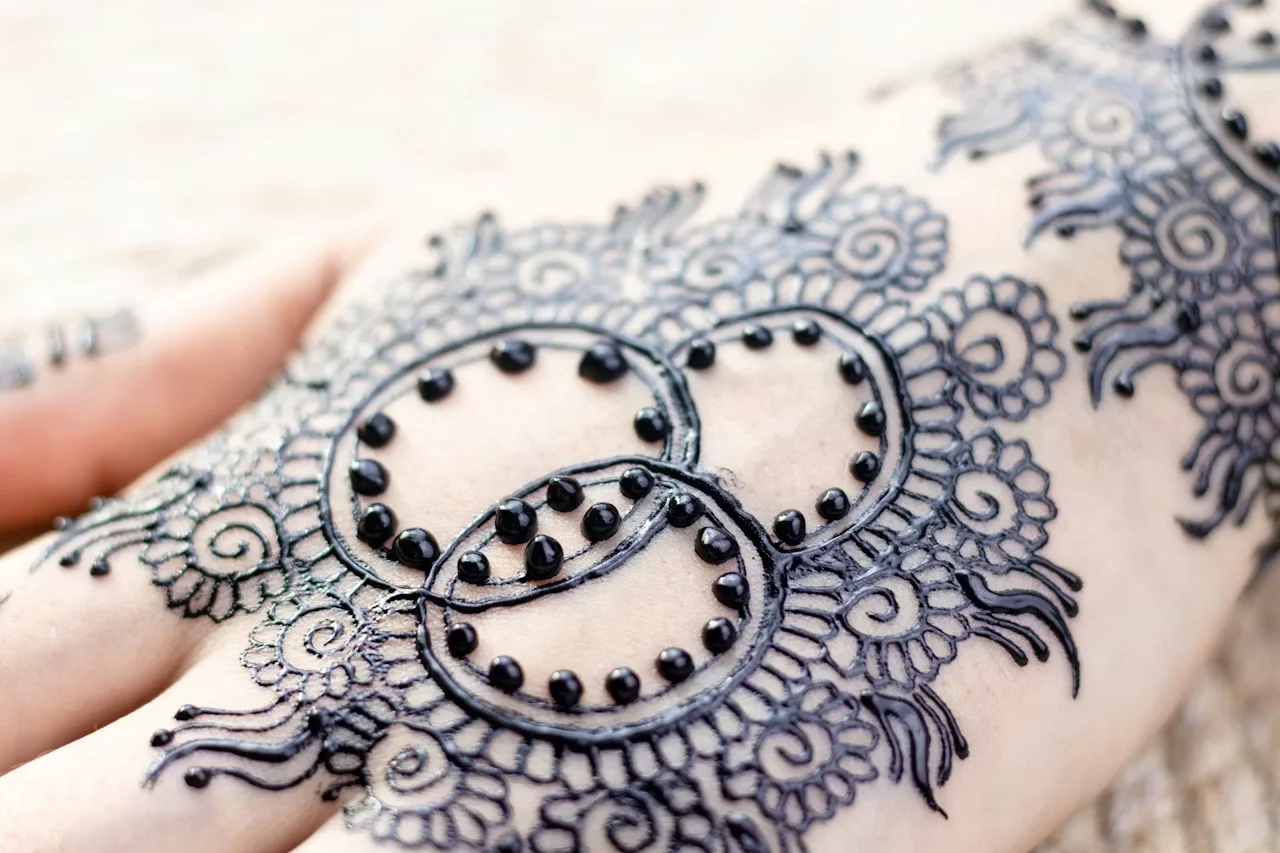
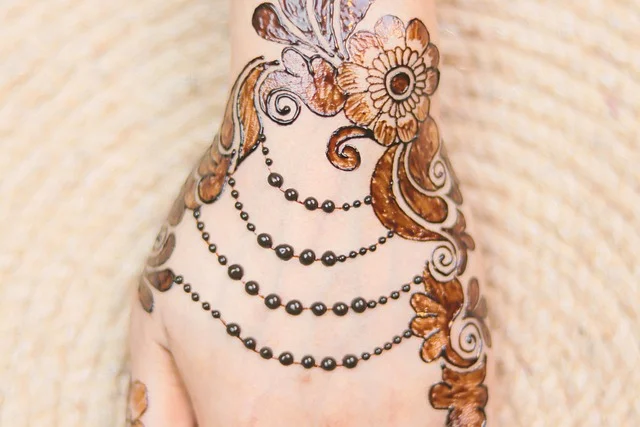
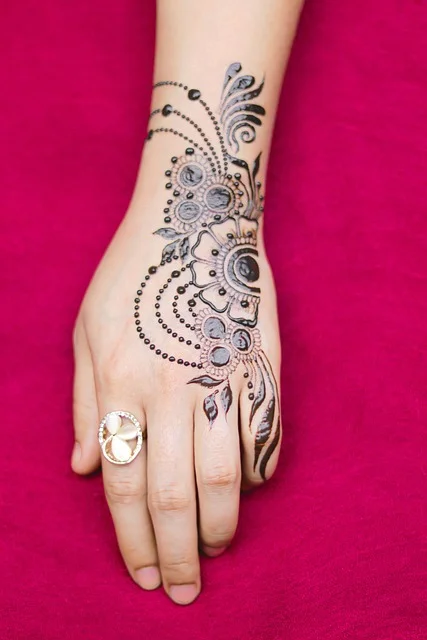
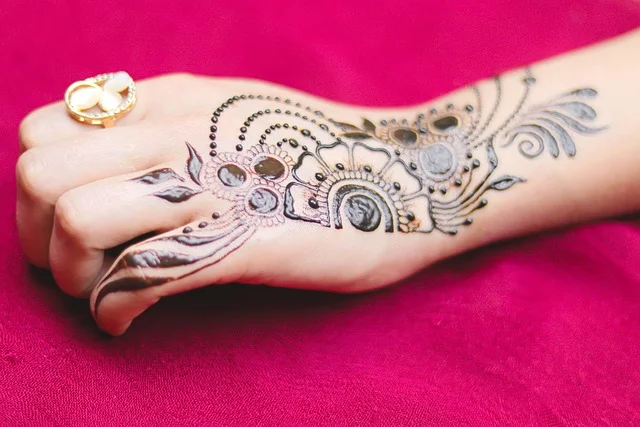
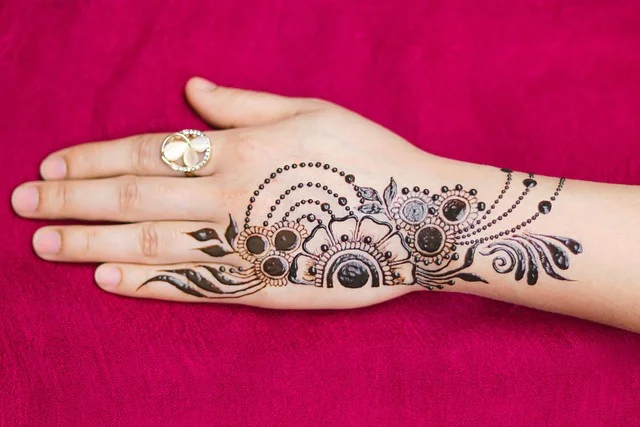
Baby Motif Front Hand Design With Floral Center And Vine Details
50 min · Intermediate

Browse — Pakistani
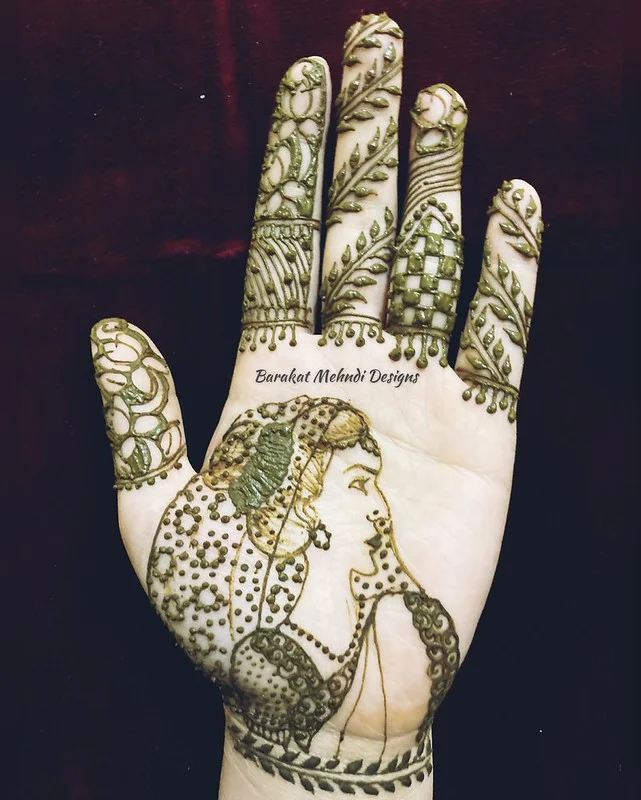
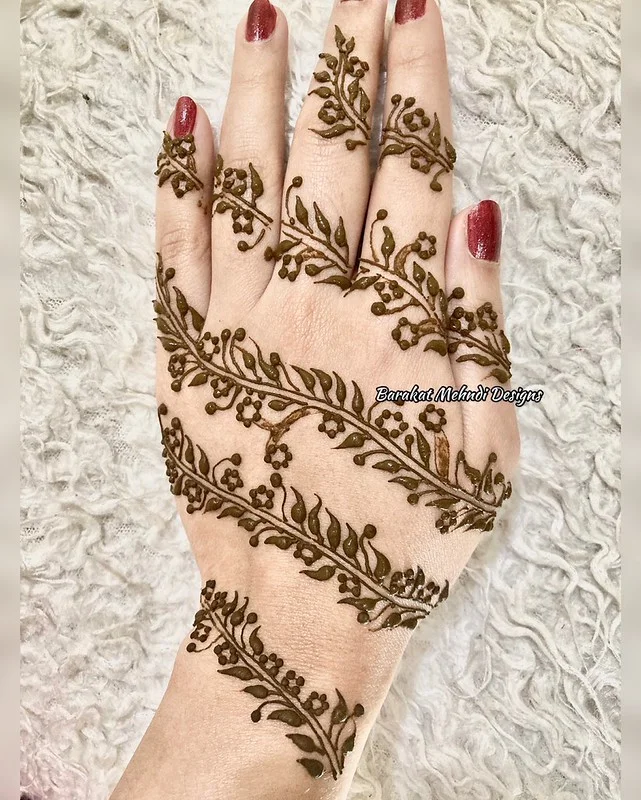
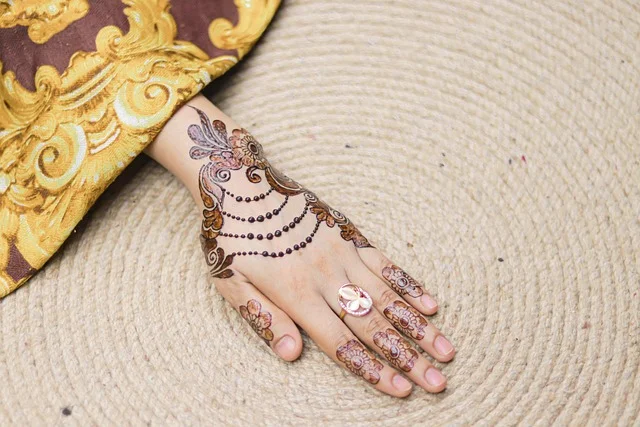
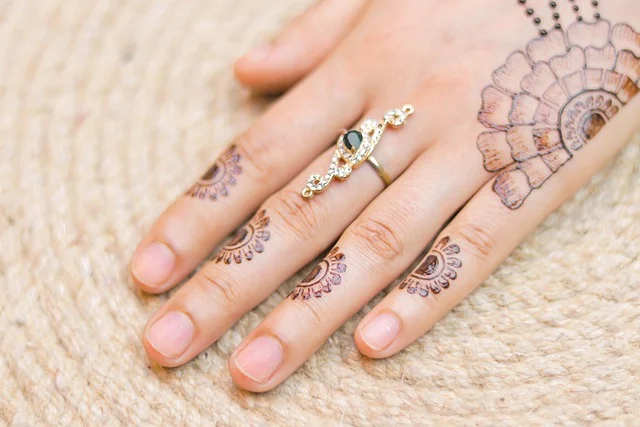
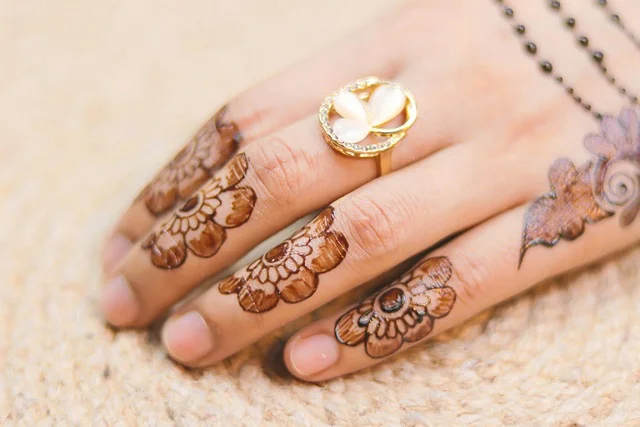
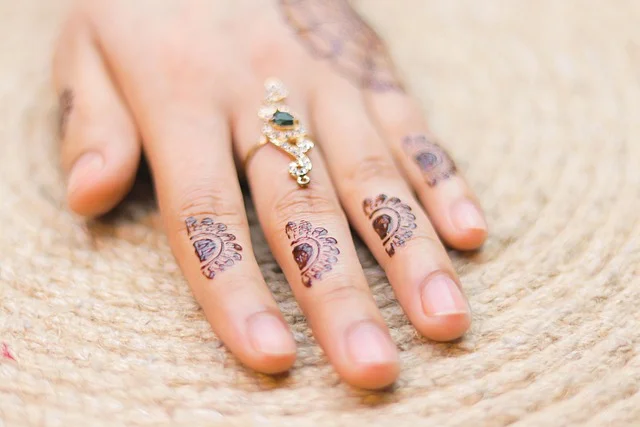
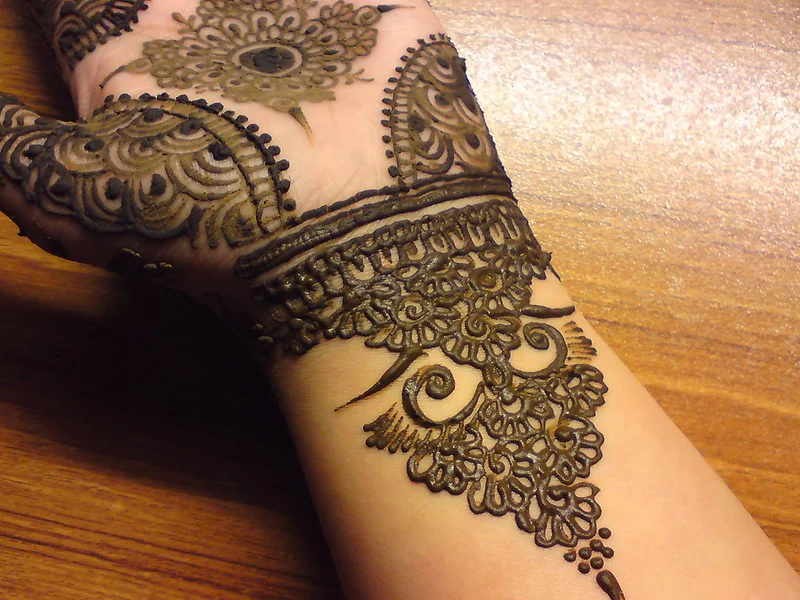
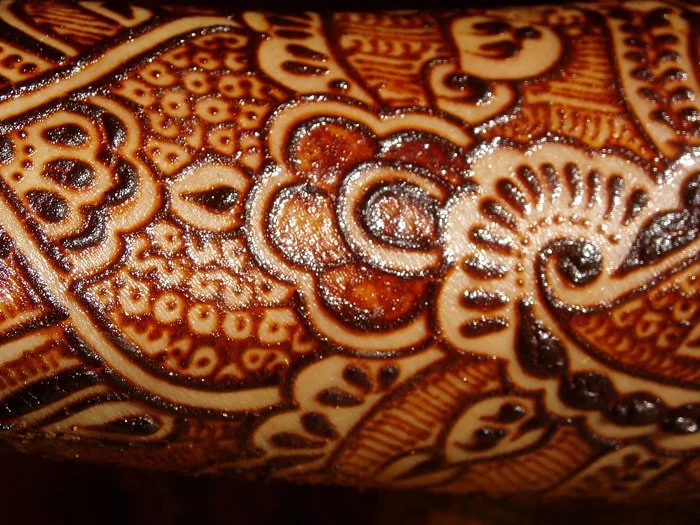
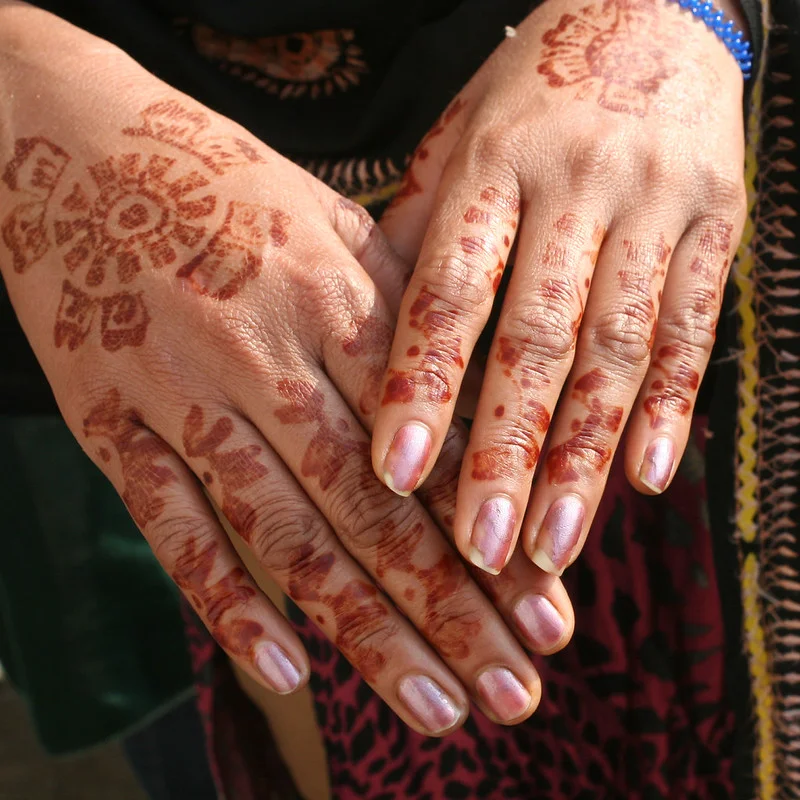
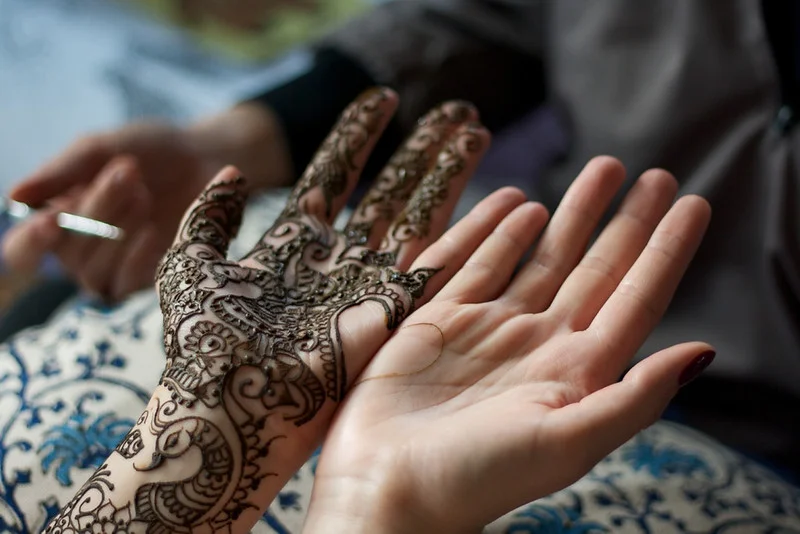
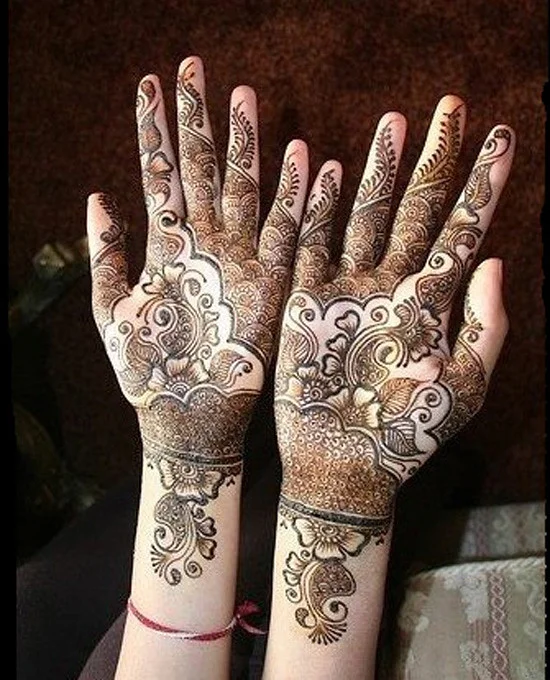
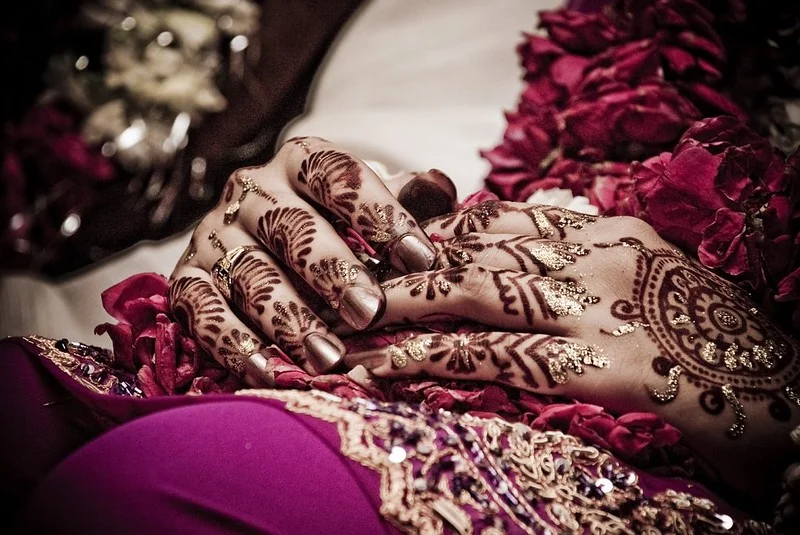
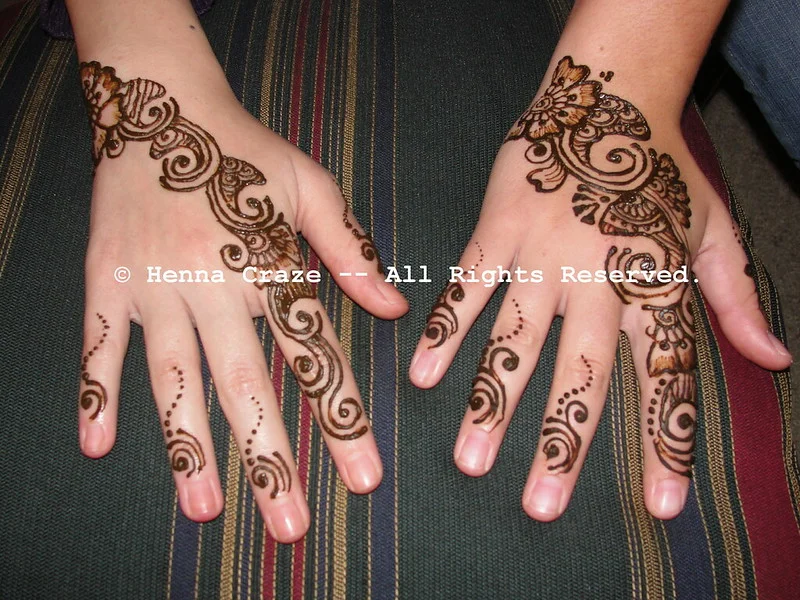
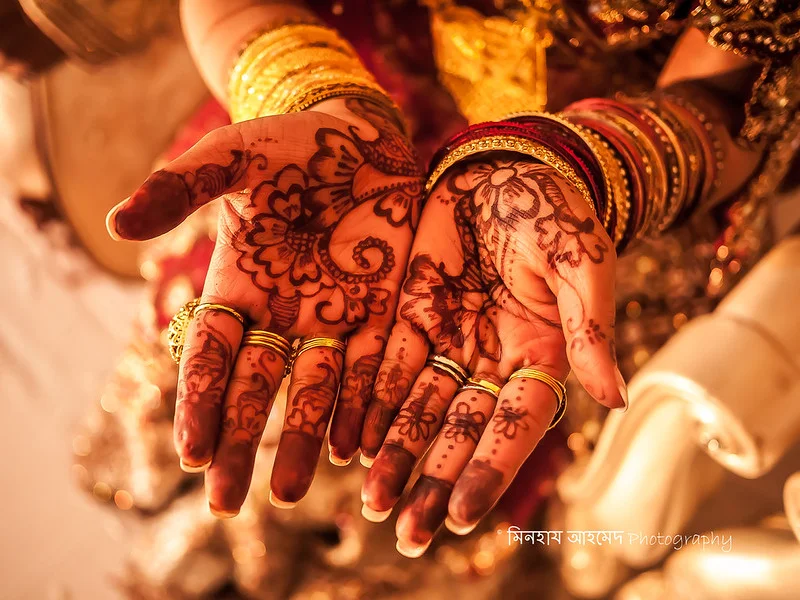
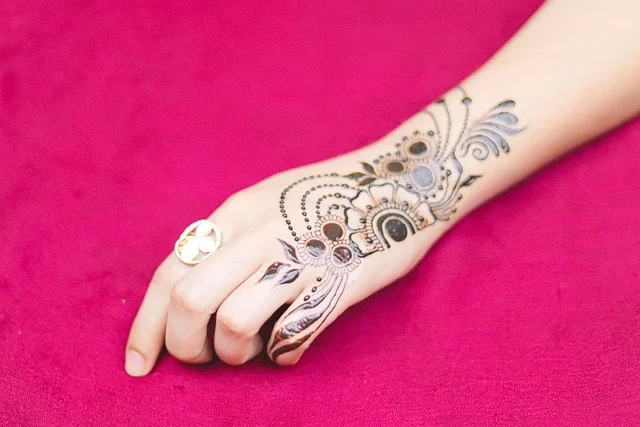
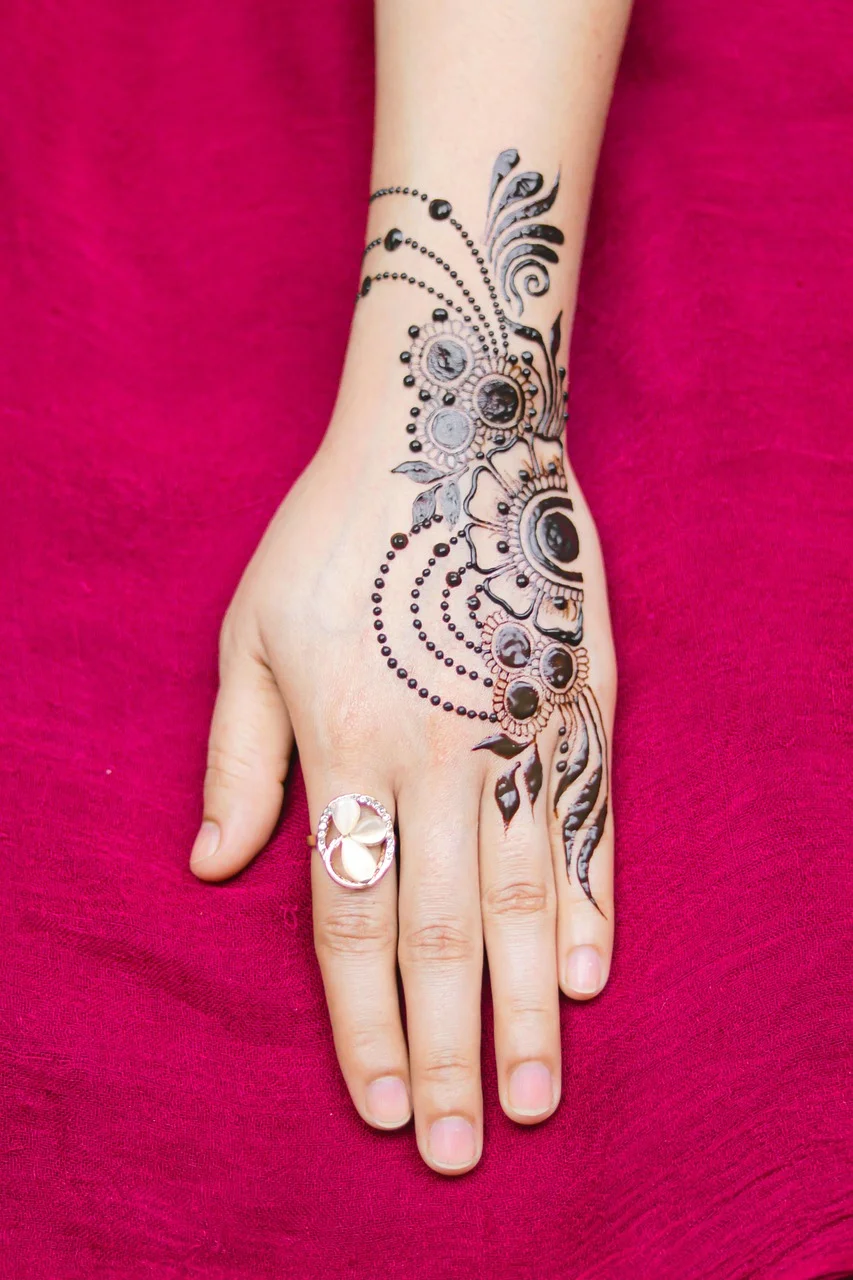
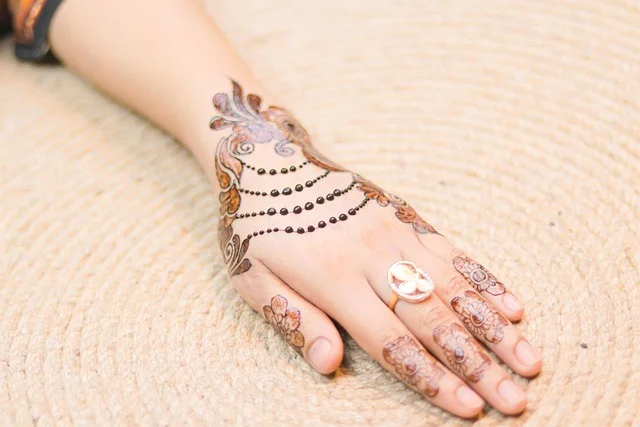
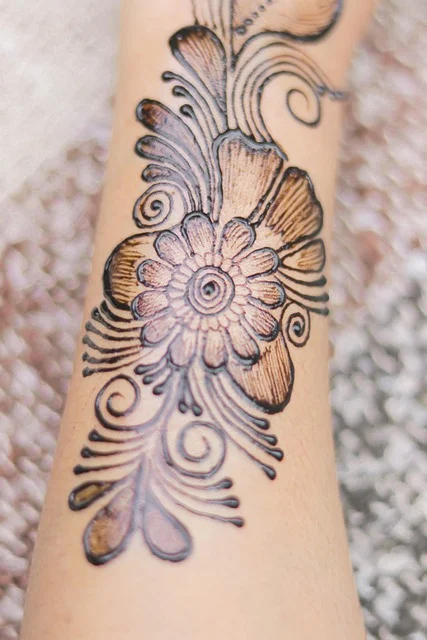
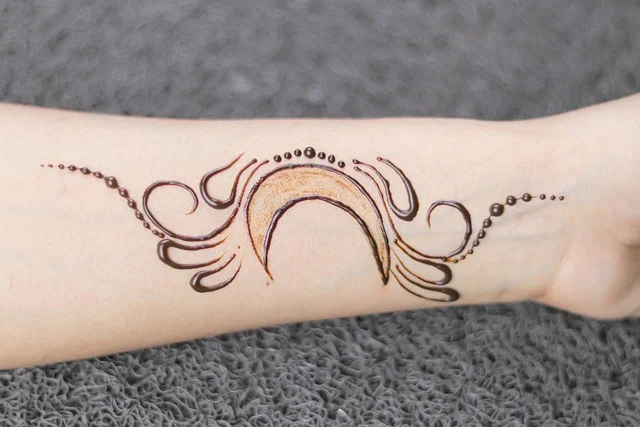
Khafif filling around bold rose knots — the in-between of Indian density and Arabic openness, photographed where it photographs best. 3 curated designs from our guest artist Aisha Mahmood, working from Lahore and Dubai.
50 min · Intermediate
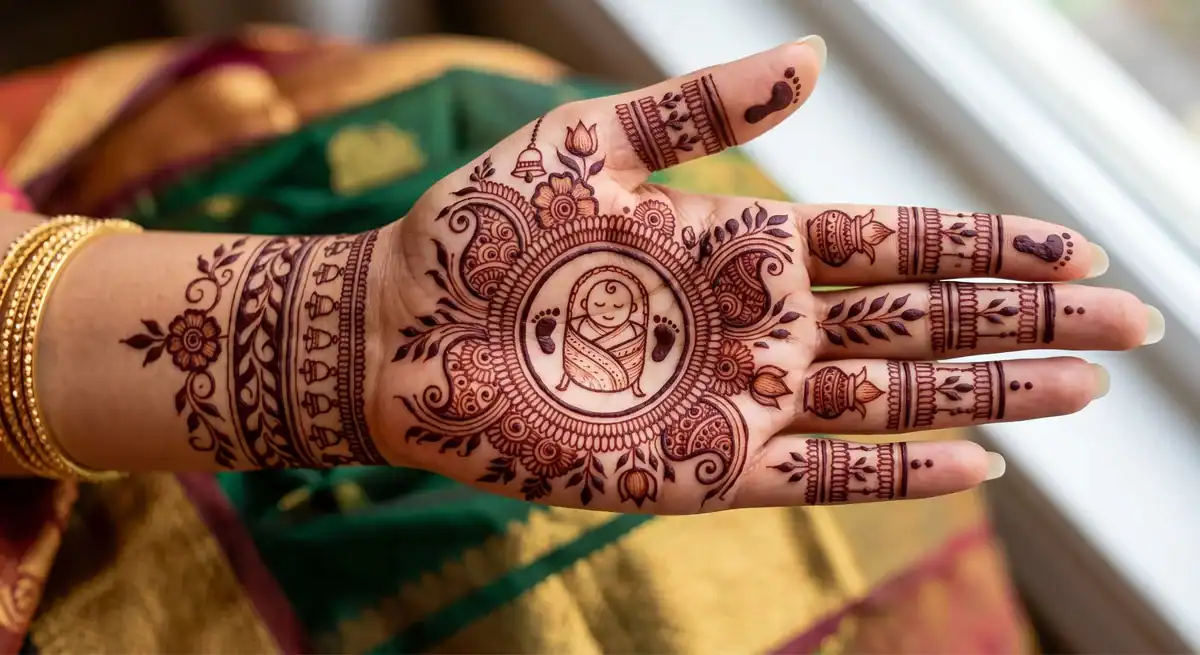
60 min · Intermediate
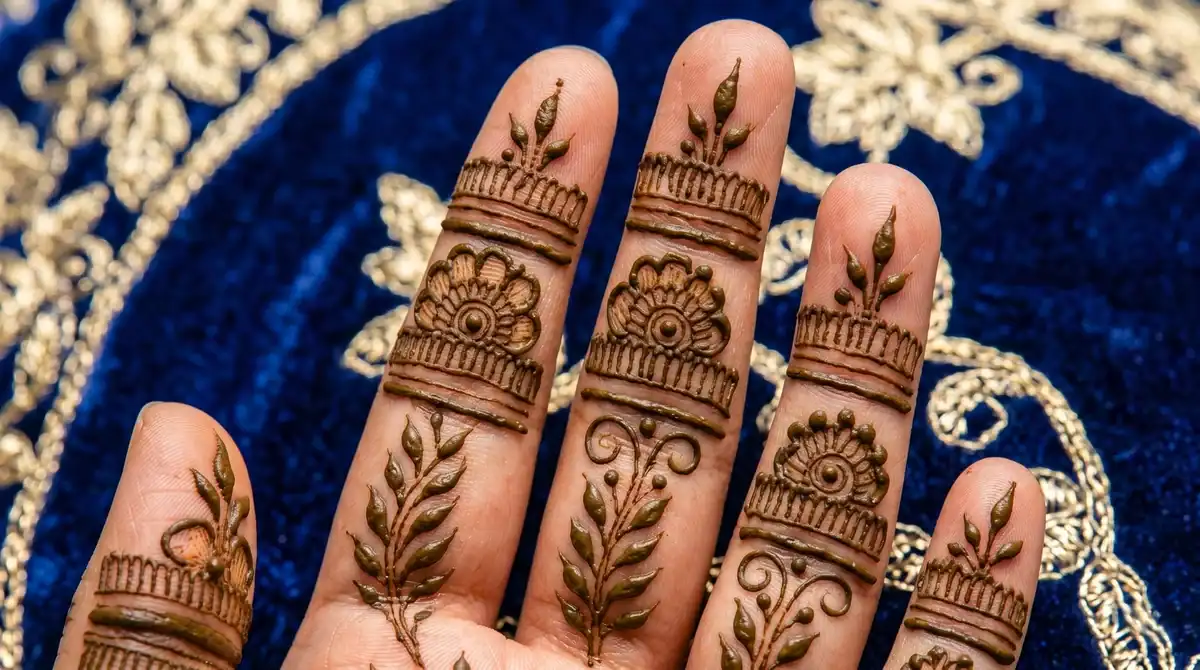
30 min · Beginner
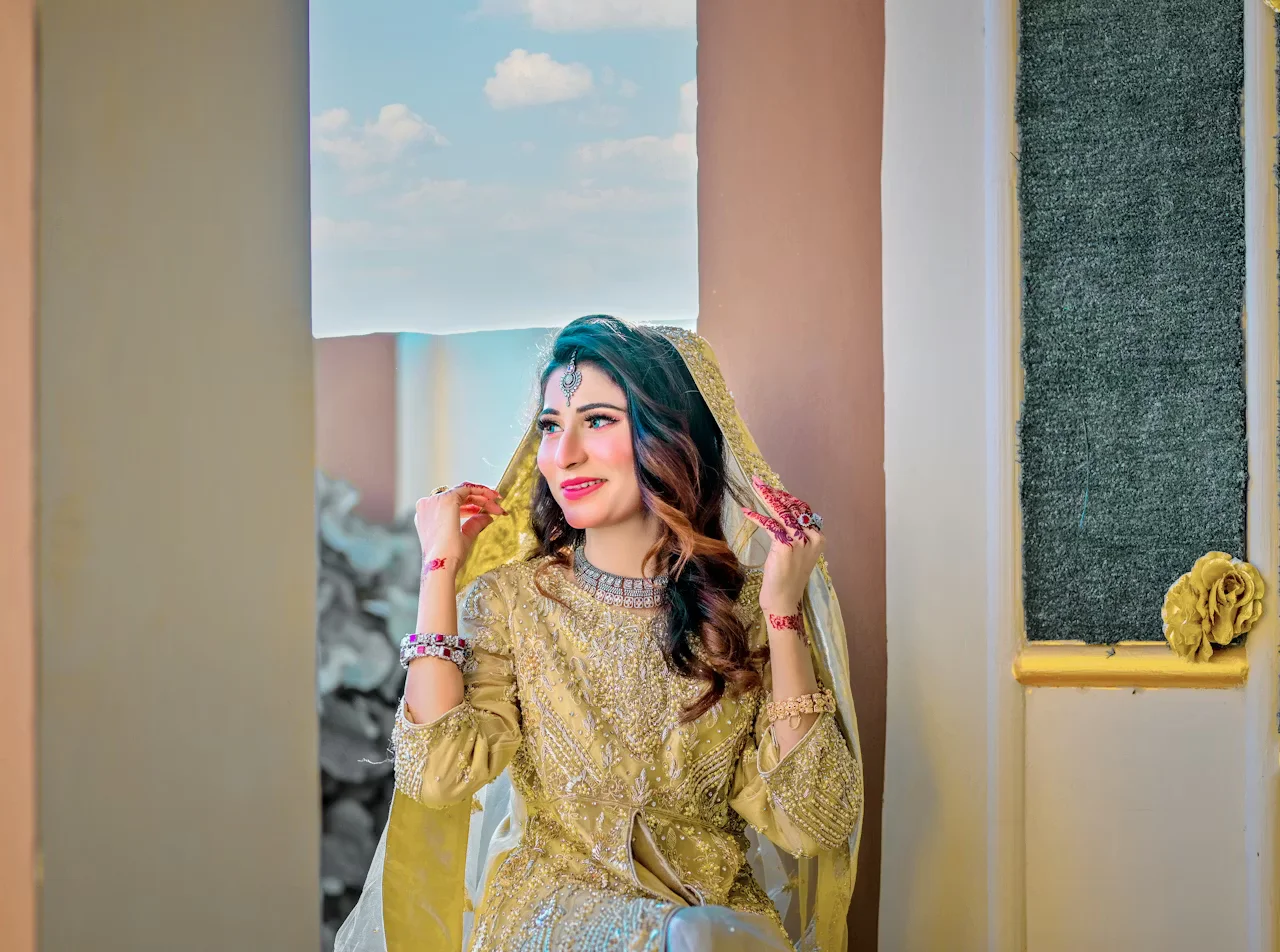
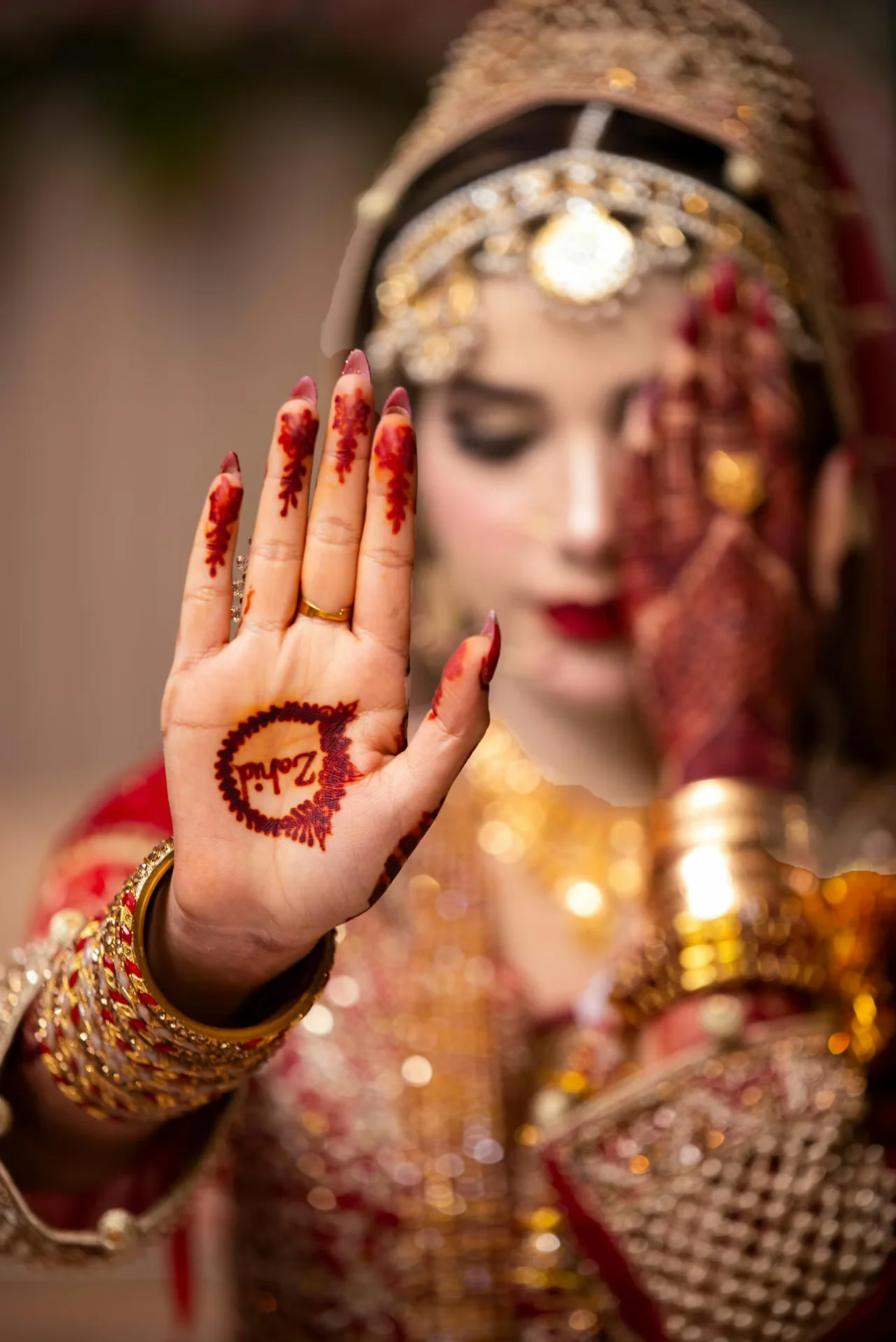
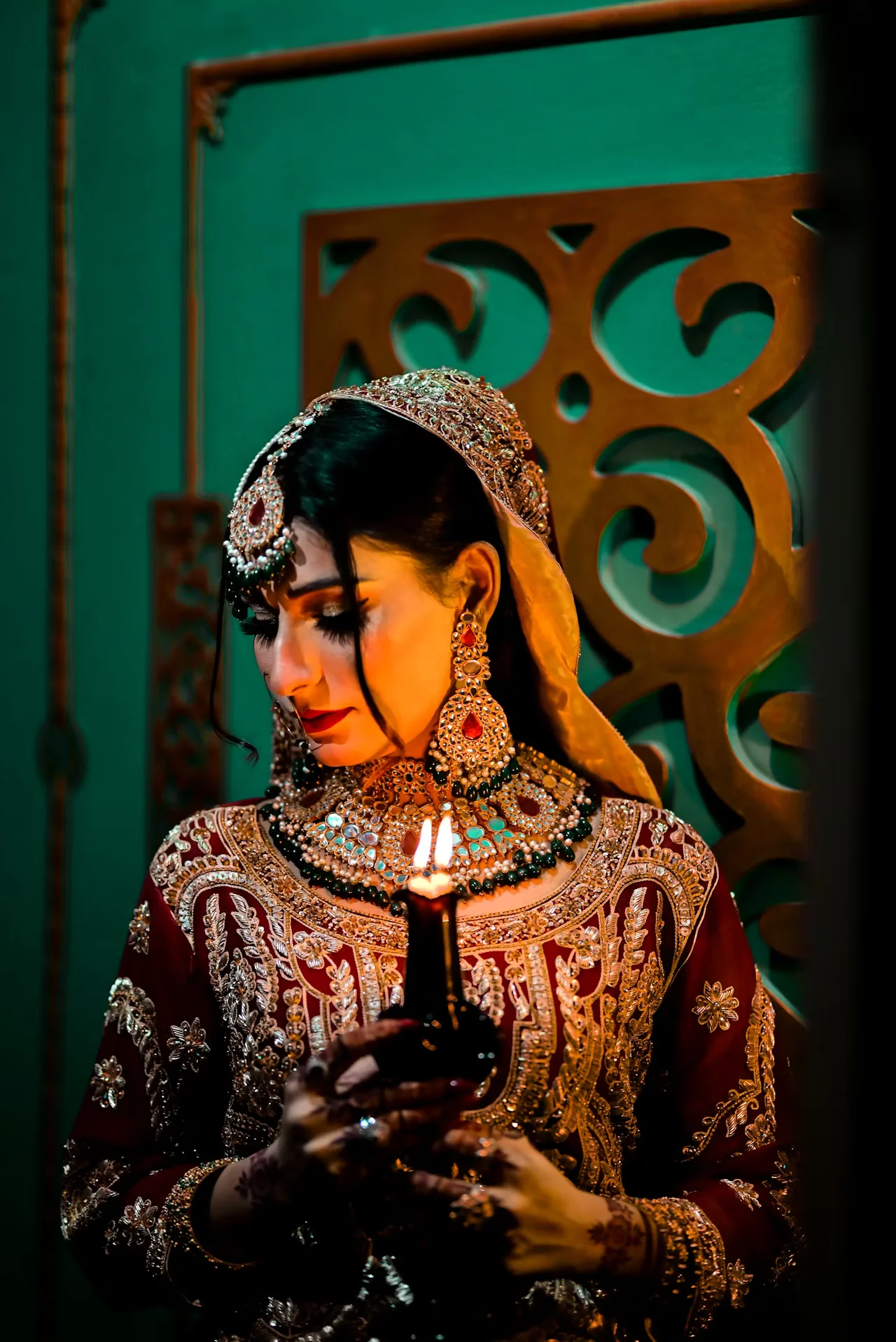
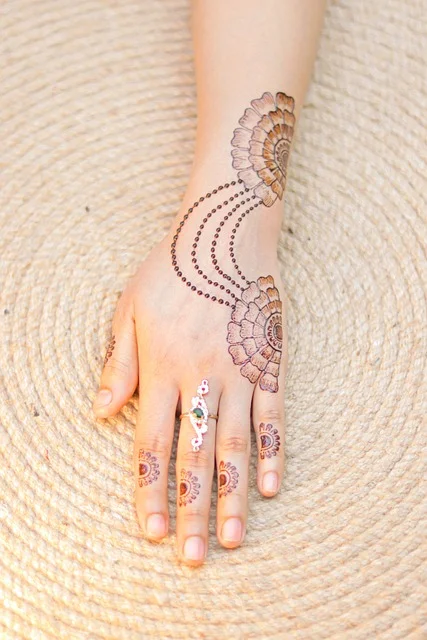
About this collection
Pakistani mehndi sits at the geographic and stylistic crossroads between Indian and Arabic traditions — and that position is the whole point of the style. From Indian work it borrows density and formal composition; from Arabic, the bold central motif and confidence to anchor a pattern around a single dramatic point. The synthesis is khafif: a fine, regular filling pattern surrounding bold rose, paisley, and floral centres. The result photographs better than either parent tradition because the contrast between bold motif and stippled fill reads sharply on camera.
Within Pakistani mehndi there are sub-traditions worth naming. Punjabi work favours the rose knot, the bracelet border, and full hand coverage with capped fingertips for brides. Sindhi work leans more geometric — diamond fills, tessellated motifs, continuous border bands. Modern Pakistani-Karachi mehndi increasingly absorbs Khaleeji rose-and-leaf compositions while keeping the khafif filling underneath.
How to recognise it
Cues that distinguish a Pakistani design from an Indian or Arabic one at a glance, before you even read the motifs.
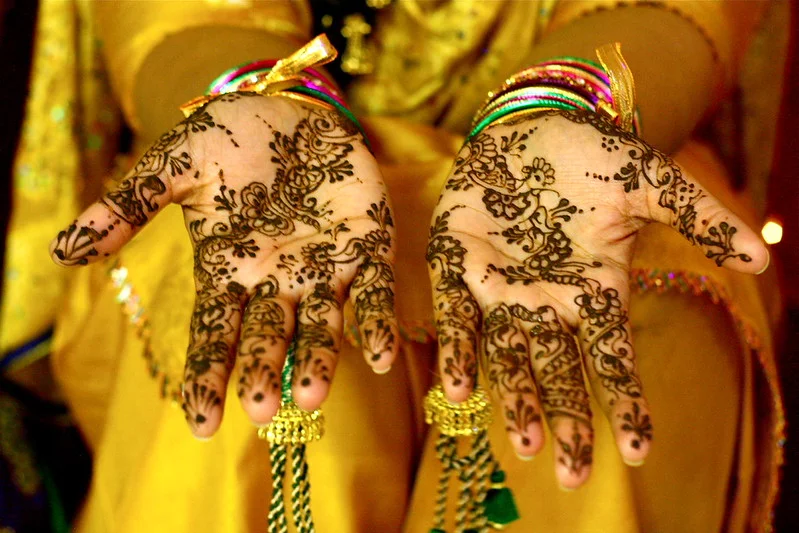
Pakistani work uses a thick line for central motifs and a fine line for khafif filling — two clearly different weights in the same composition. Indian patterns tend to use one consistent line weight throughout; Arabic patterns use bold lines almost exclusively. If you see fine stippled texture next to bold rose petals in the same design, it’s Pakistani.
Pakistani mehndi’s signature motif is the rose knot — a tight spiral with surrounding petals, drawn confidently in bold outline. It anchors most front-hand designs, sits at the centre of Punjabi bridal palms, and pairs with continuous leaf vines along the fingers. Arabic mehndi uses similar roses but leaves them surrounded by empty skin; Pakistani fills the surrounds with khafif.
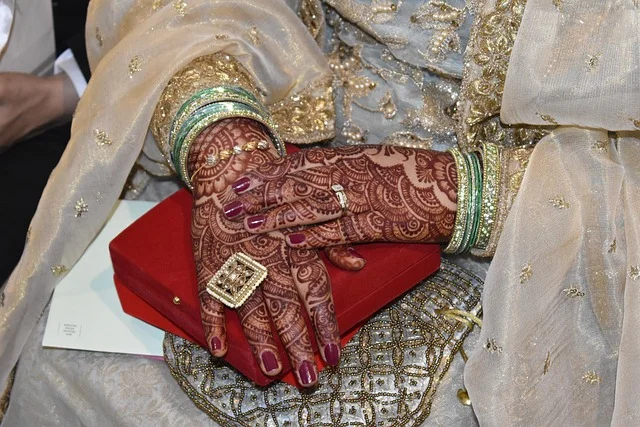
Pakistani brides typically leave the fingertips bare and place a rose knot or motif cluster at the second knuckle of each finger instead. Indian brides traditionally cap the fingertips fully solid. The fingertip silhouette is the fastest tradition test: bare-with-knuckle-rose is Pakistani; solid-cap is Indian; one bold trail down the back of the finger is Arabic.
Pakistani mehndi is the regional henna tradition of Punjab, Sindh, and the broader Pakistan-India border belt — recognised by khafif (a fine, almost stippled filling pattern) anchored around bold central motifs, most commonly the rose knot. It sits between Indian density and Arabic boldness, and is often the most photogenic of the three traditions because the filling reads as texture in print.
Khafif (literally "light" in Urdu) is the signature filling technique of Pakistani mehndi — a fine, regular pattern of dots, dashes, or short lines applied around the bold central motifs. The texture fills space without weighing the design down, giving Pakistani patterns their distinctive "filled but breathable" quality. Done well, khafif looks almost printed; done badly, it looks scratched.
Three things. First, motif scale — Pakistani designs centre around one or two large motifs (rose, paisley) with khafif filling between; Indian designs use small repeated motifs (buti, jaal) tiled across the surface. Second, line weight — Pakistani uses bold central outlines and fine khafif filling at two distinct weights; Indian work tends to use one consistent fine line throughout. Third, fingertip caps — Pakistani brides typically leave the fingertips bare with rose knots at the base; Indian brides traditionally cap the fingertips solid.
Pakistani mehndi sits between Indian and Arabic in density. It shares Arabic’s preference for bold central motifs (especially the rose) but adds dense khafif filling around them — where Arabic leaves the surrounding skin bare. The diagnostic test: if you see a bold rose at the centre with fine stippled filling around it, it’s Pakistani; if you see a bold rose with empty skin around it, it’s Arabic.
Thirty to forty-five minutes for a typical front-hand pattern; sixty to ninety for full hand bridal work. Slightly longer than equivalent Arabic patterns because the khafif filling is time-intensive — but faster than equivalent Indian patterns because there are fewer distinct motifs to plan and place.
The bold central motifs are within reach — start with a single rose knot at the back of the hand and add three leaves. The khafif filling is harder. It looks forgiving but it isn’t: irregular dots and dashes read as a mistake rather than a texture. Skip the khafif on your first attempt and let the bold motif stand alone. Practise the khafif filling on paper for a few sessions before committing it to skin.