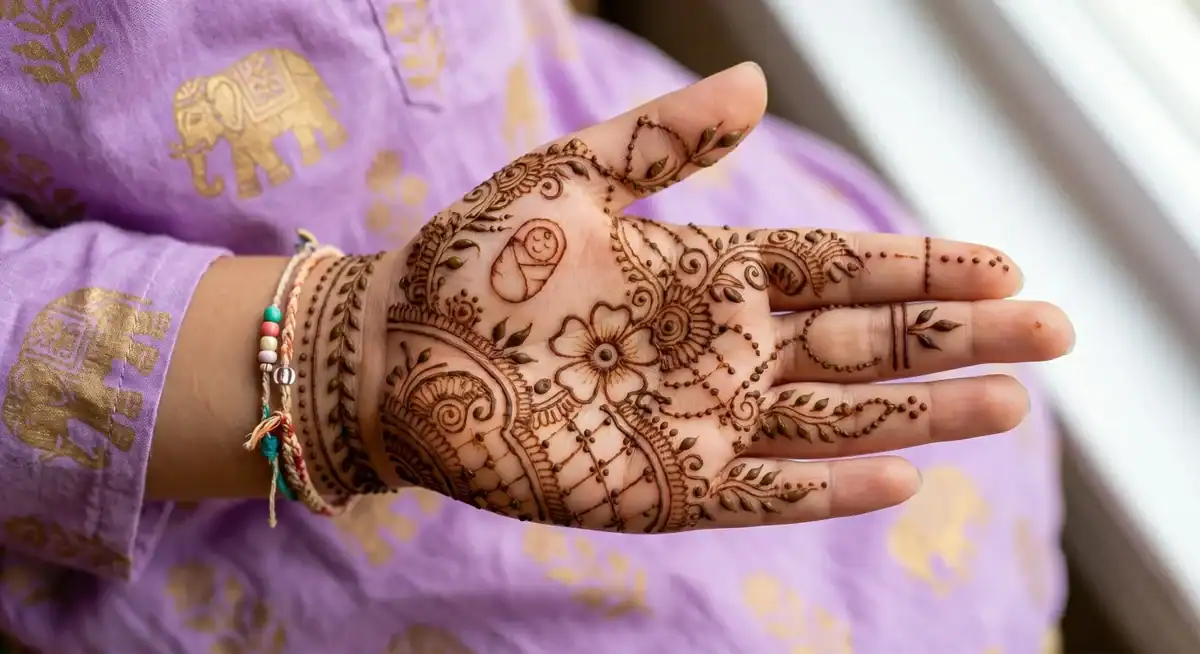
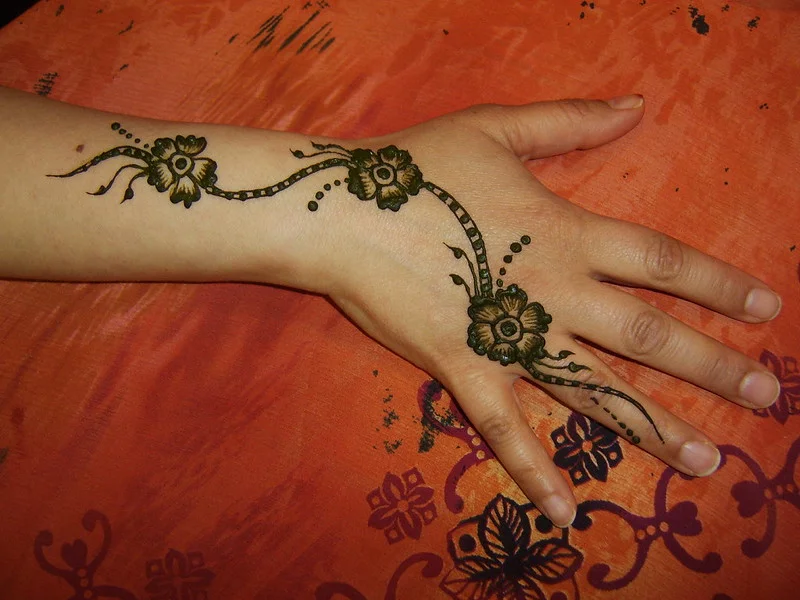
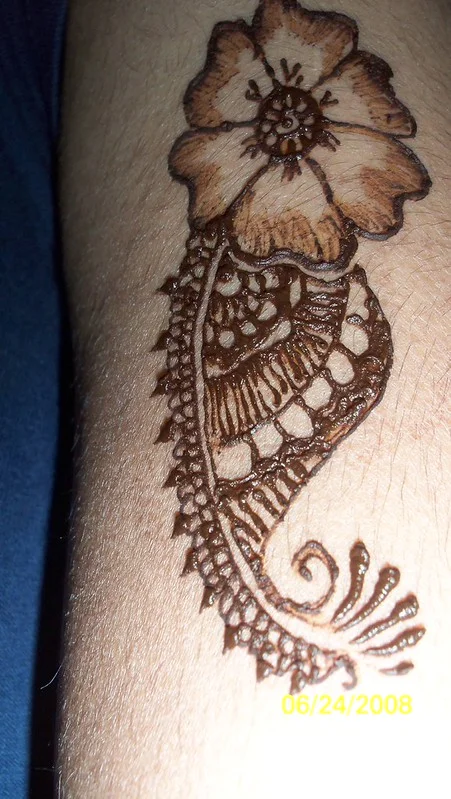
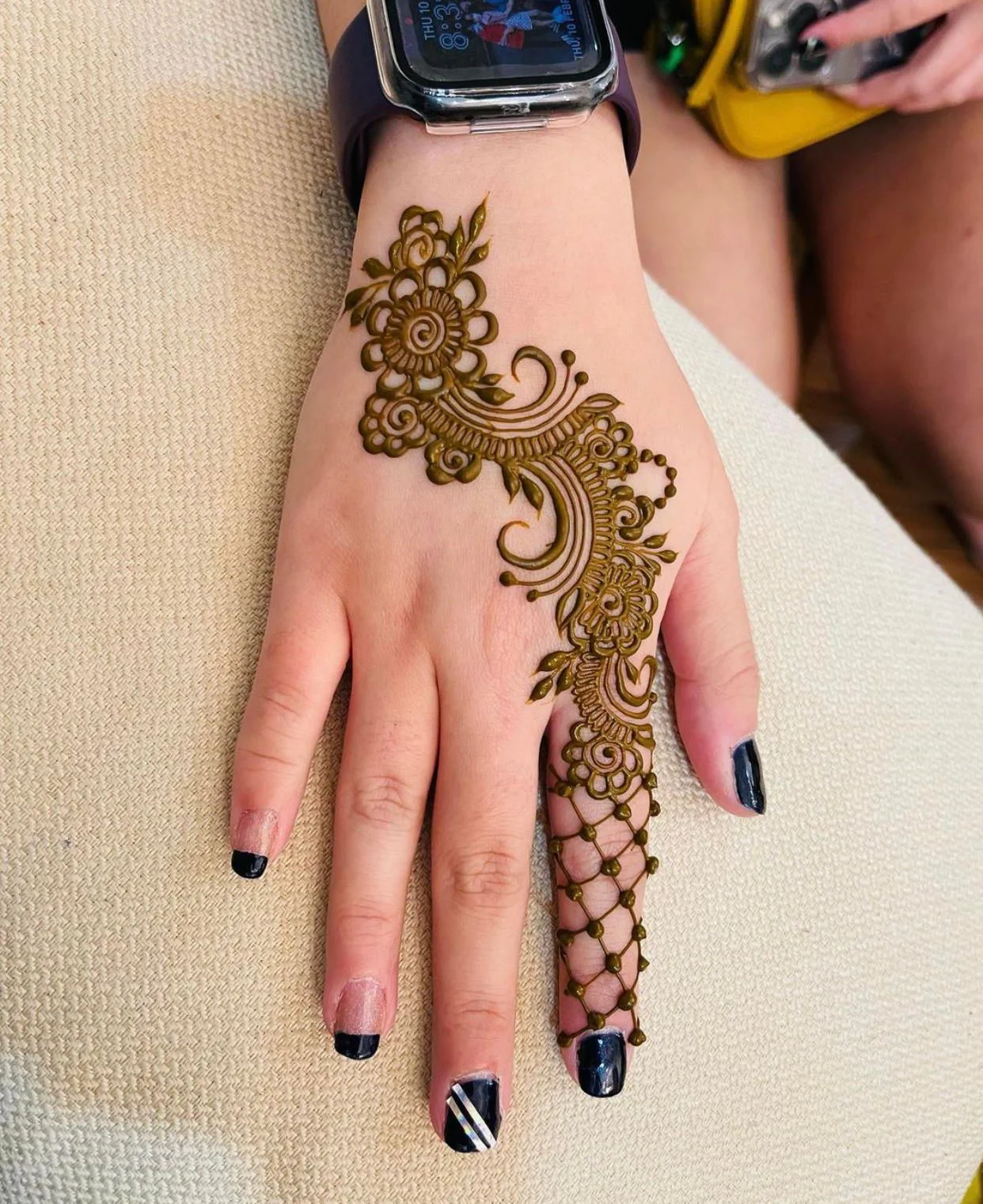
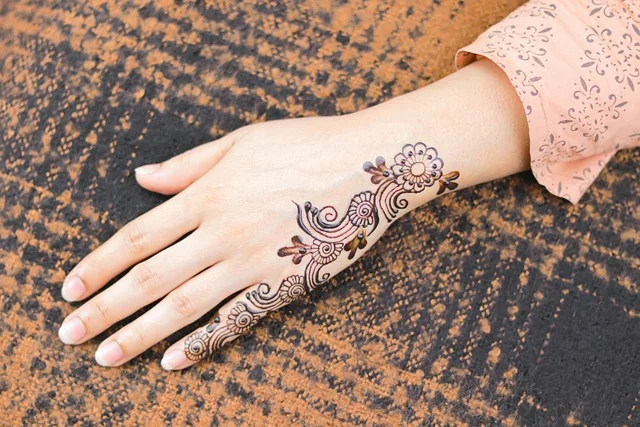
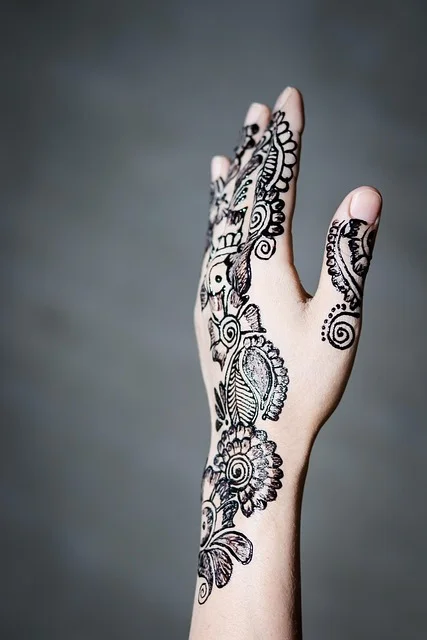
Baby Motif Front Hand Design With Floral Center And Vine Details
50 min · Intermediate


Browse — Simple
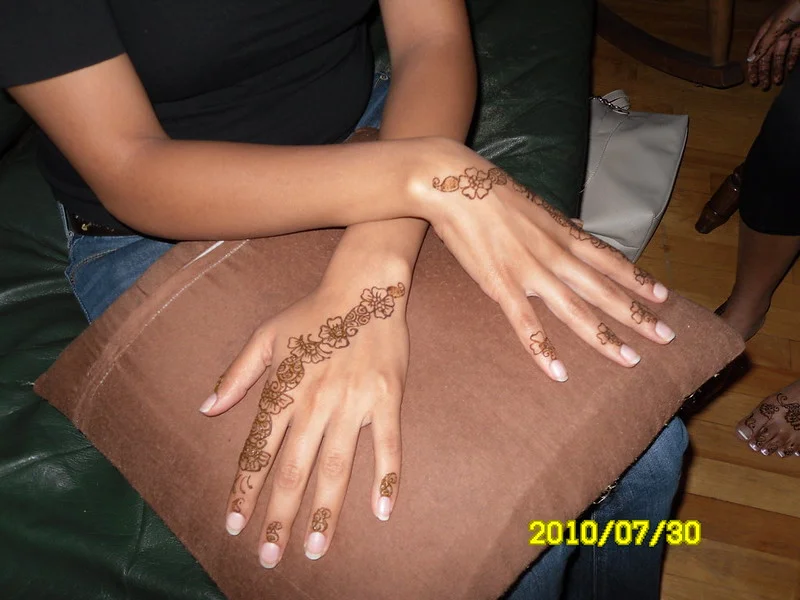
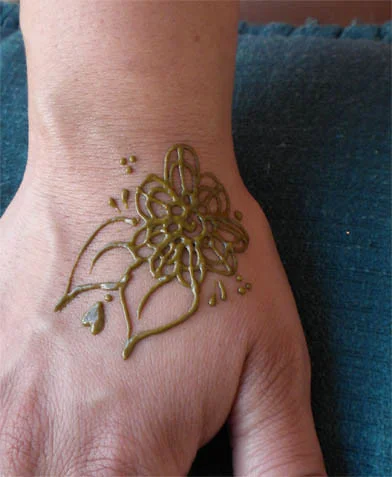
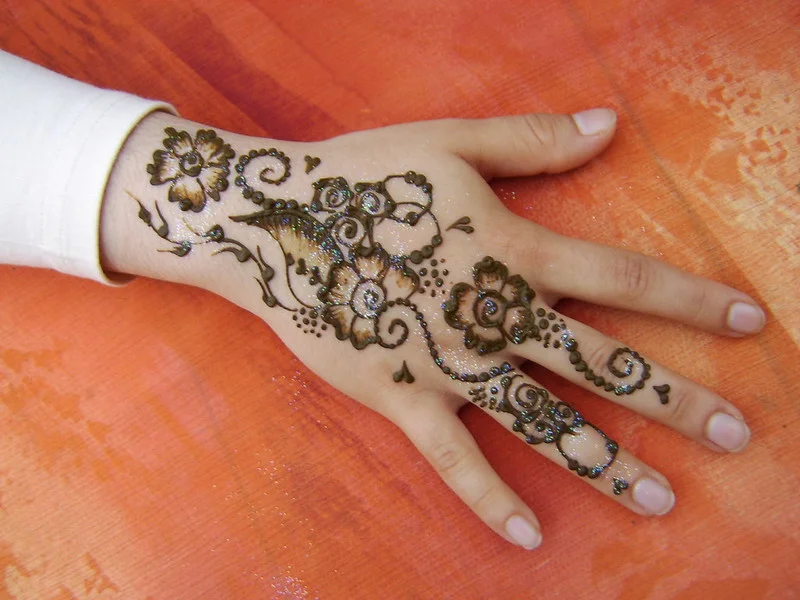
One or two motifs, more empty space than ink, five to twenty-five minutes start to finish. 3 curated designs across hand, foot, and finger — every one tagged for time and skill.
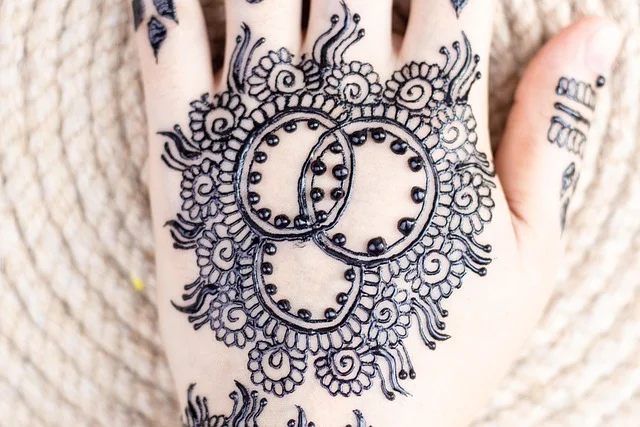
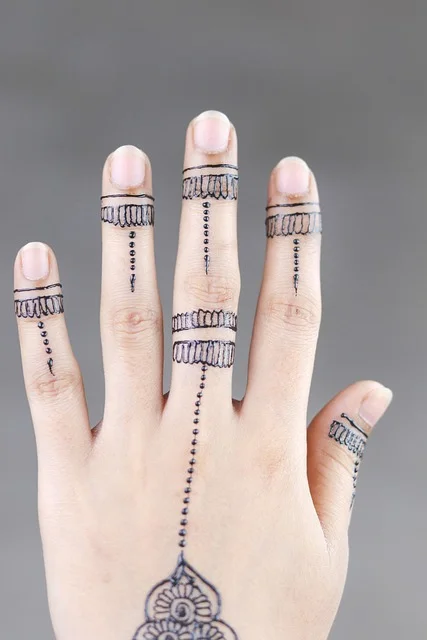
50 min · Intermediate
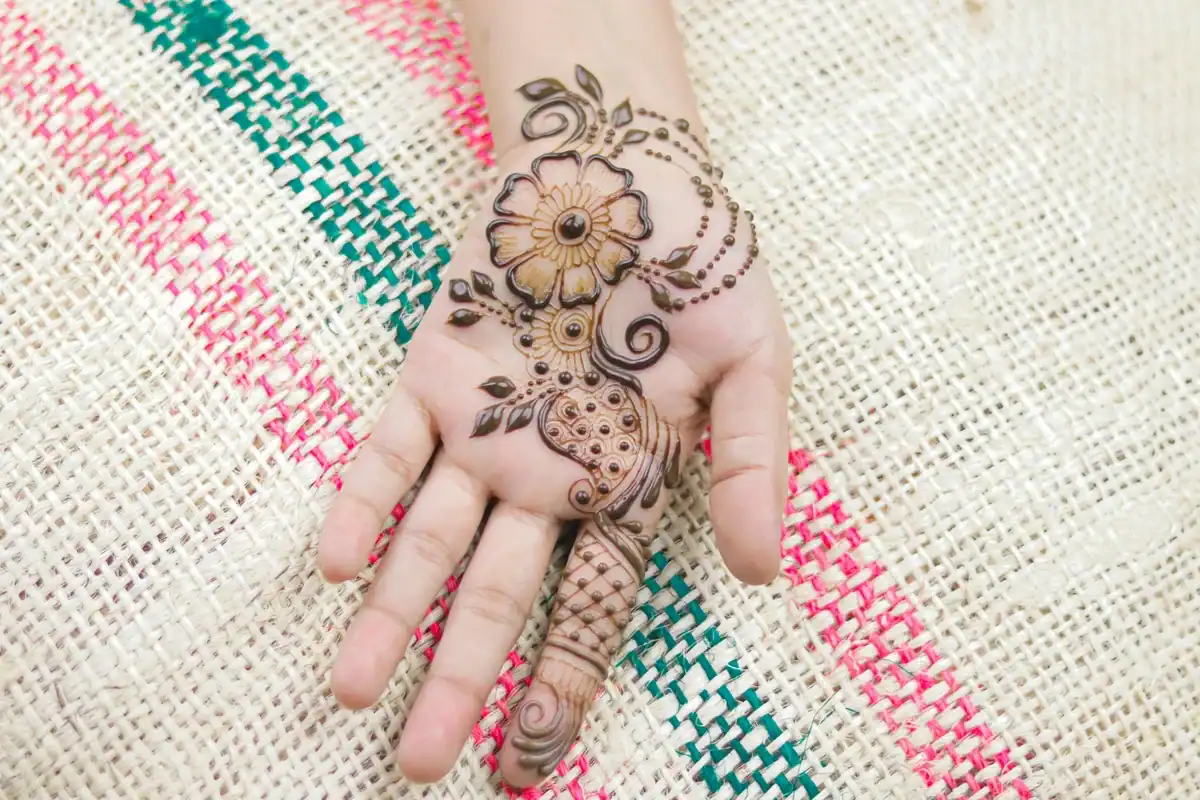
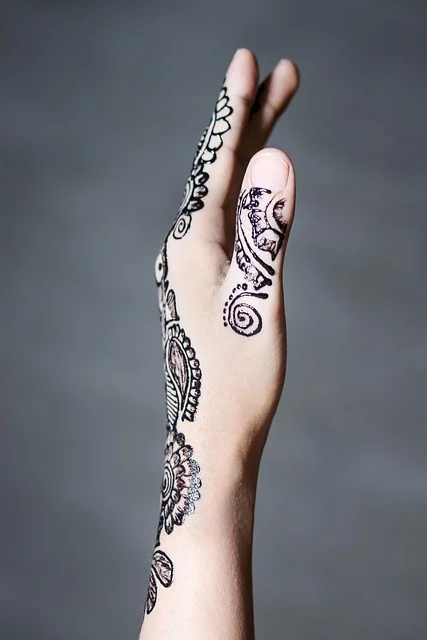
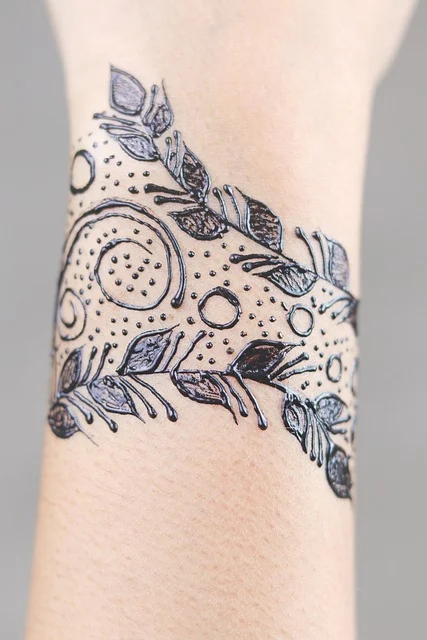
30 min · Beginner
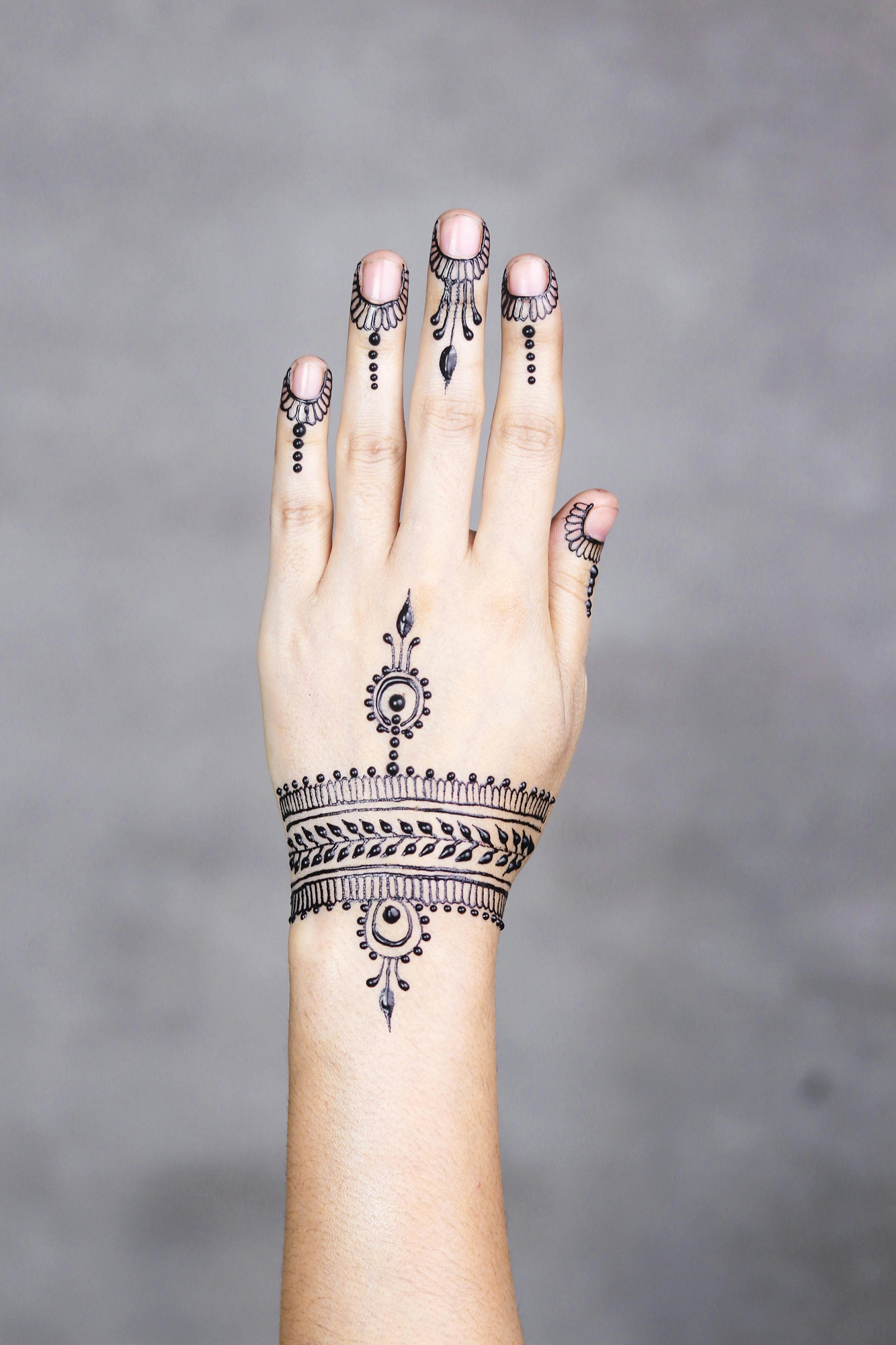
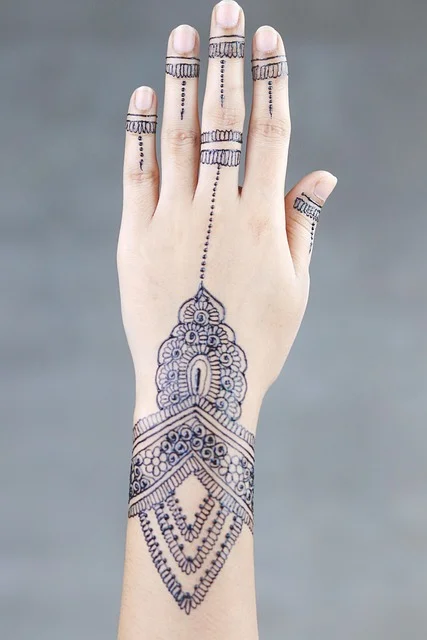
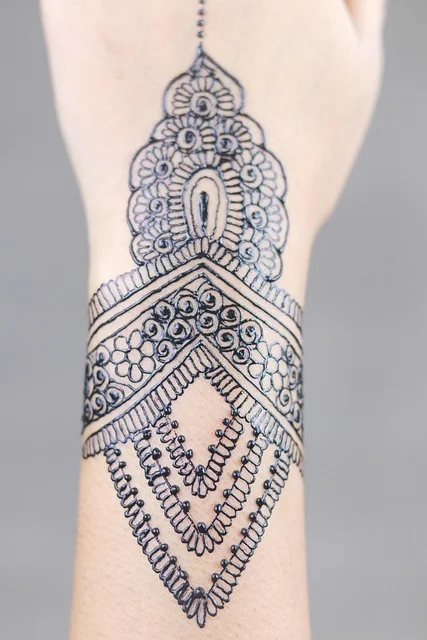
40 min · Intermediate
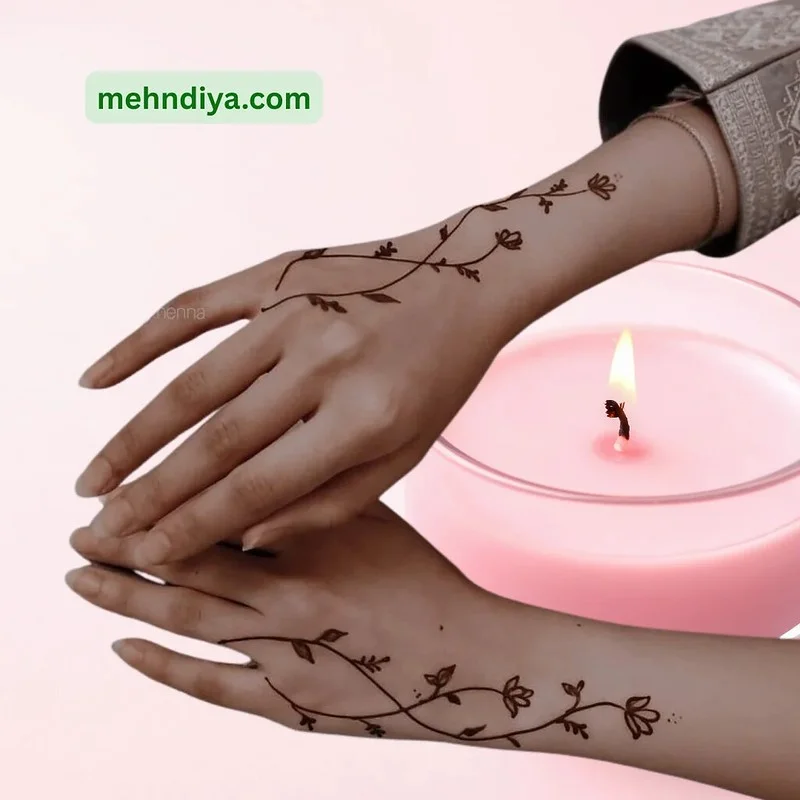
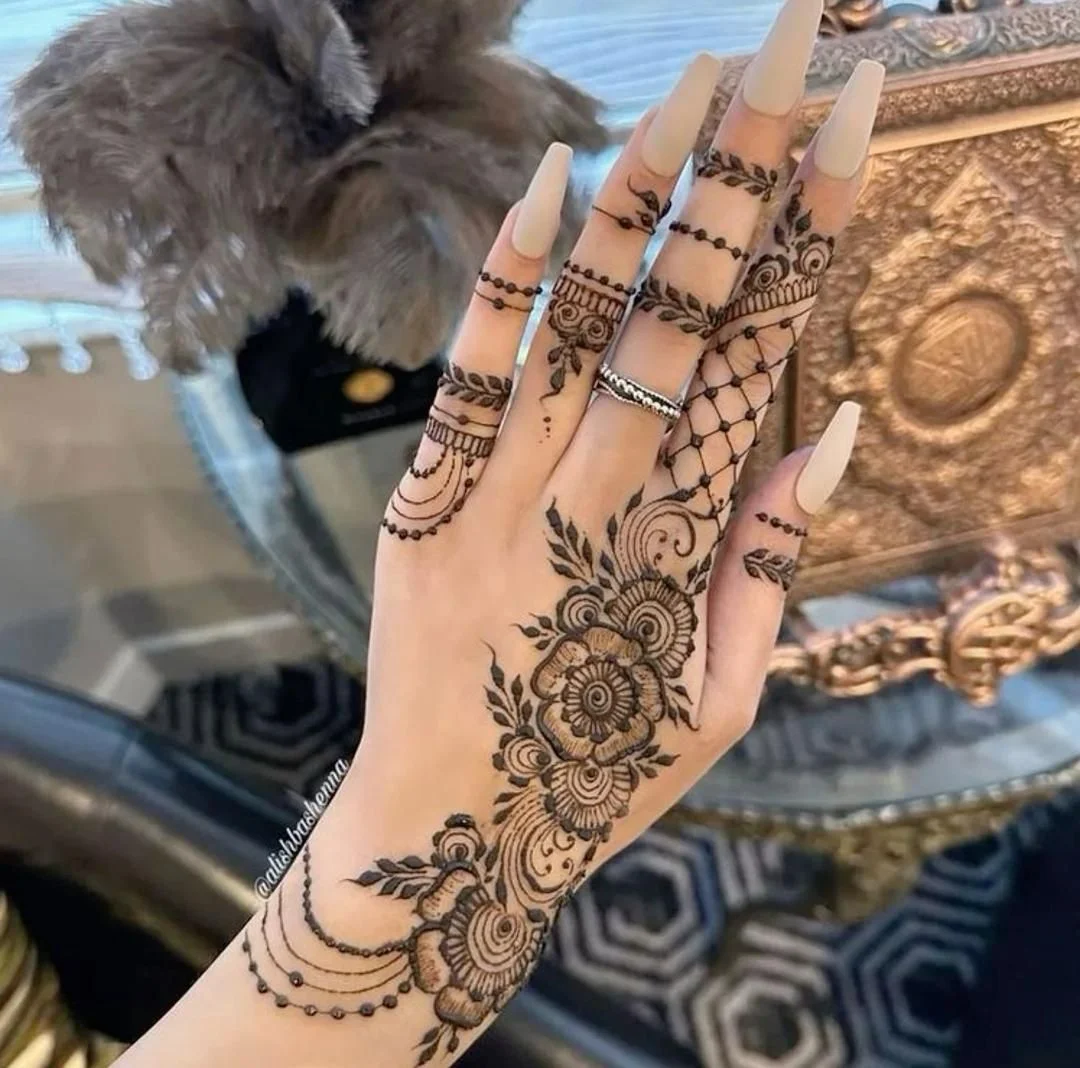
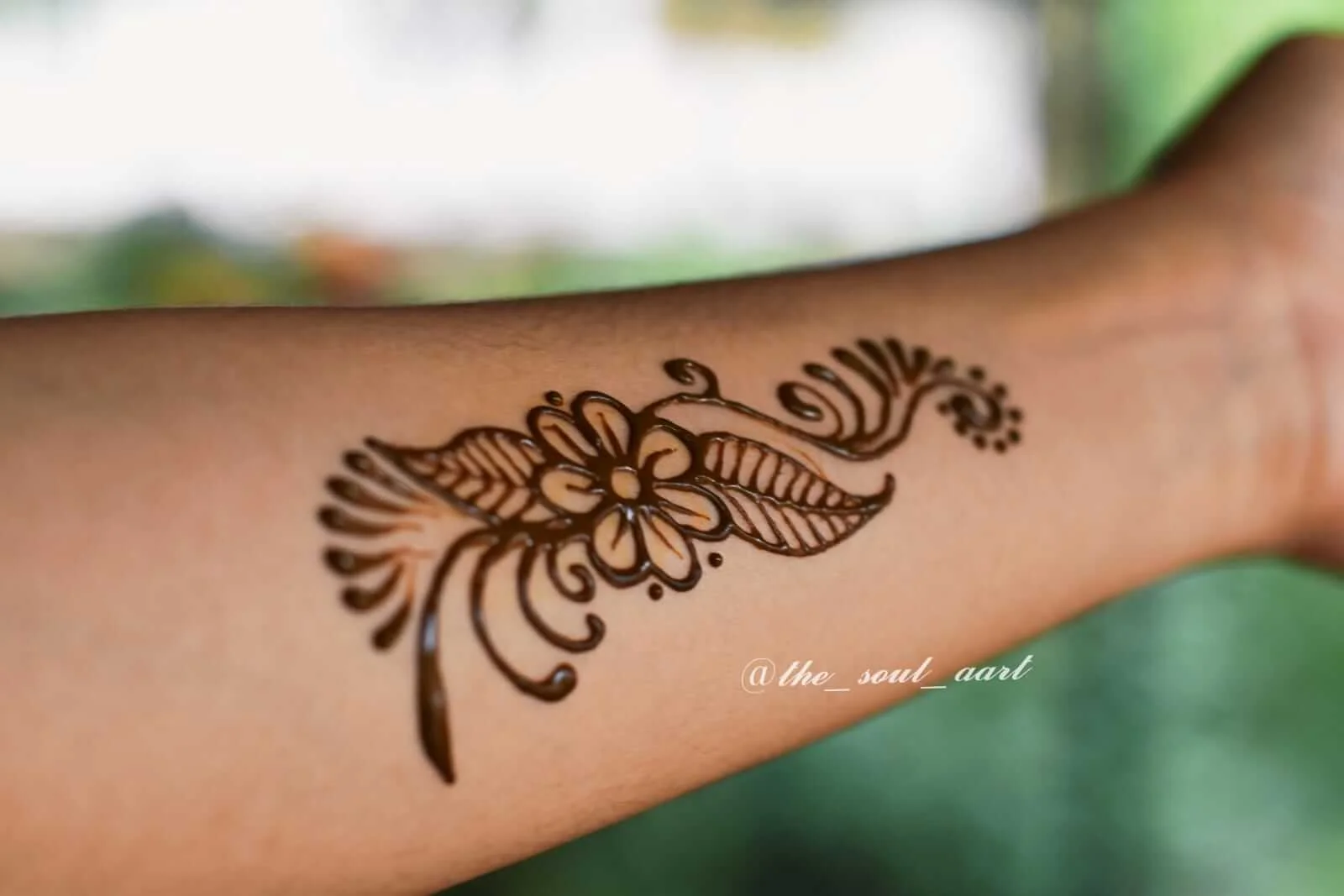
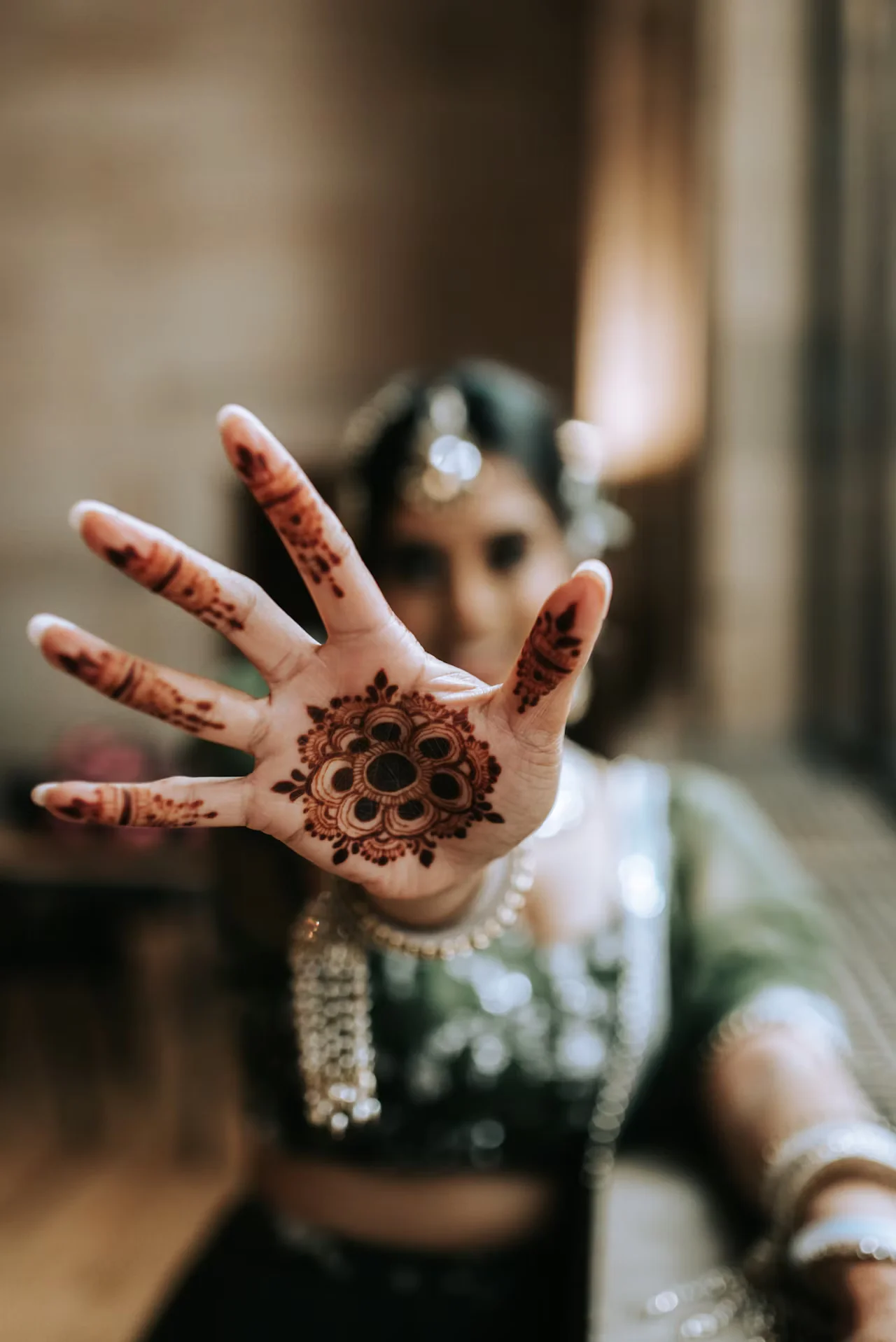
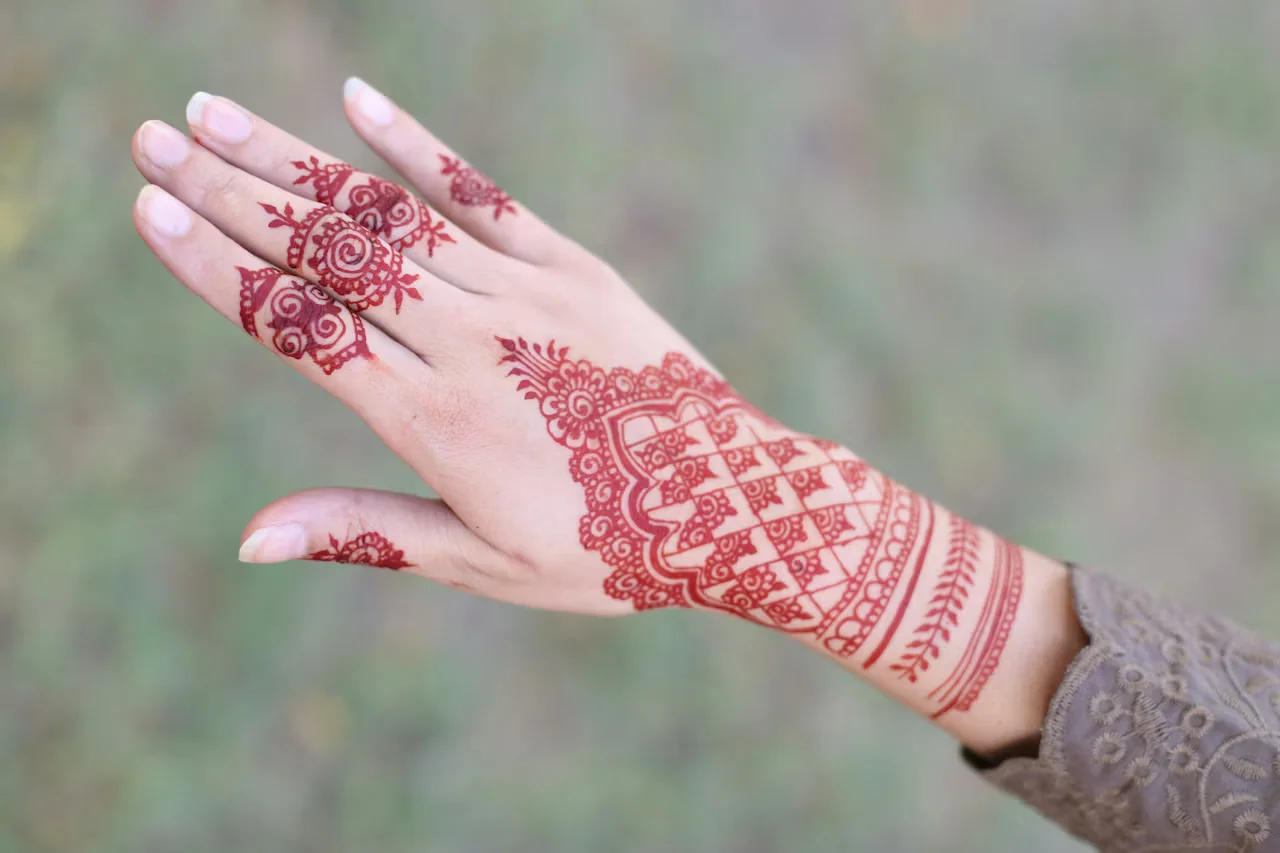
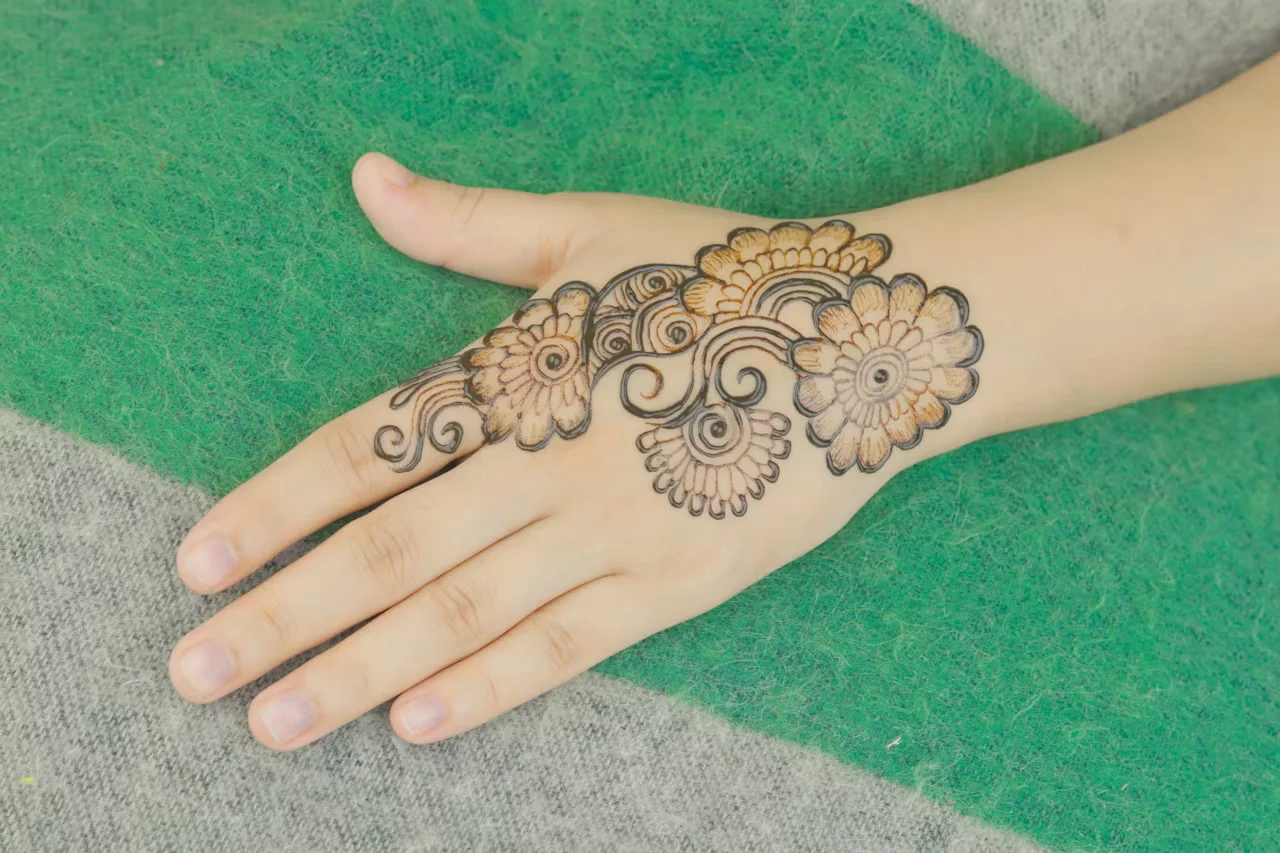
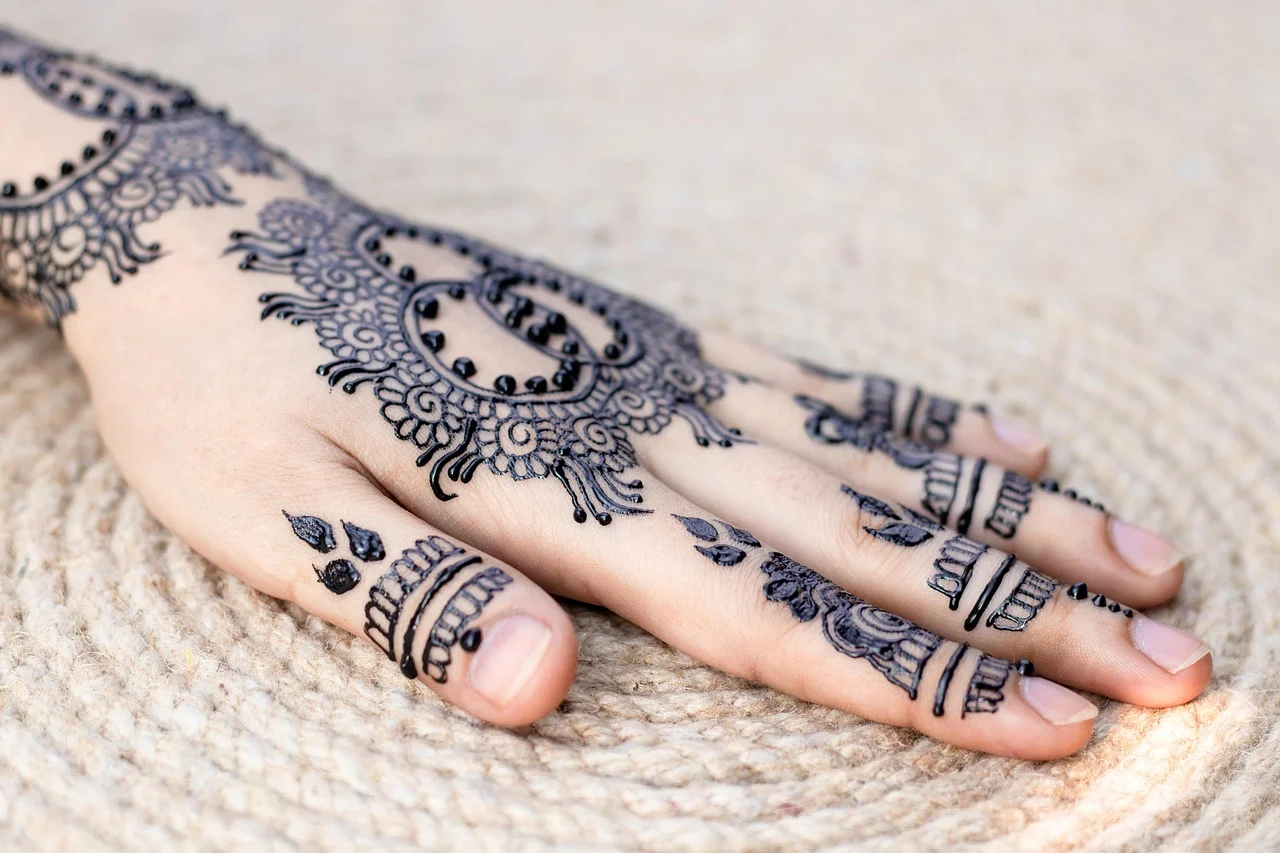
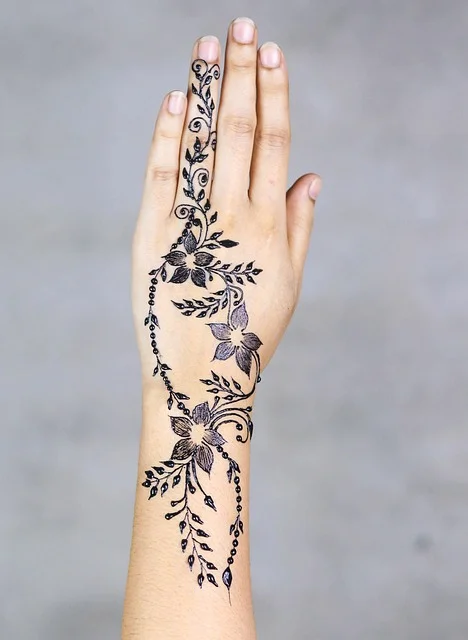
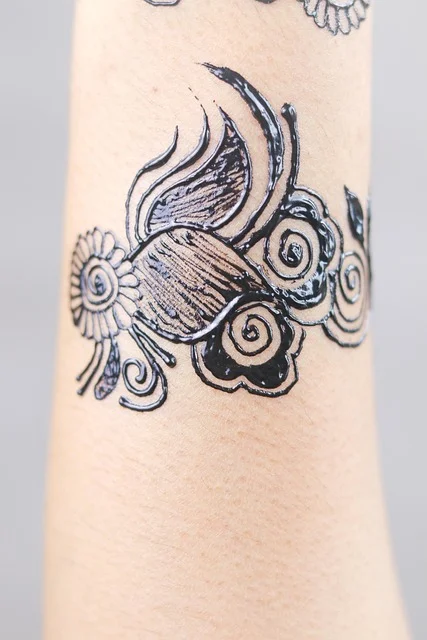
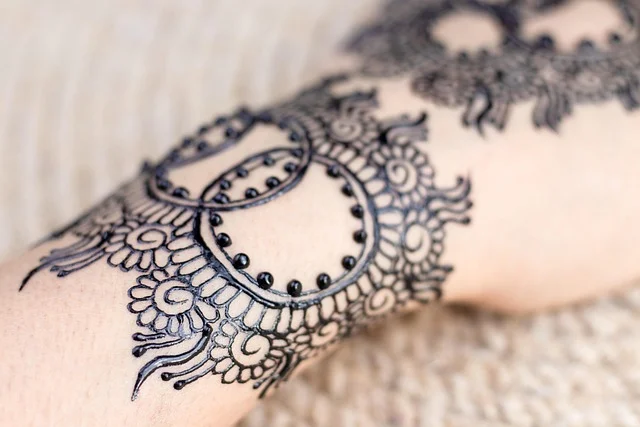
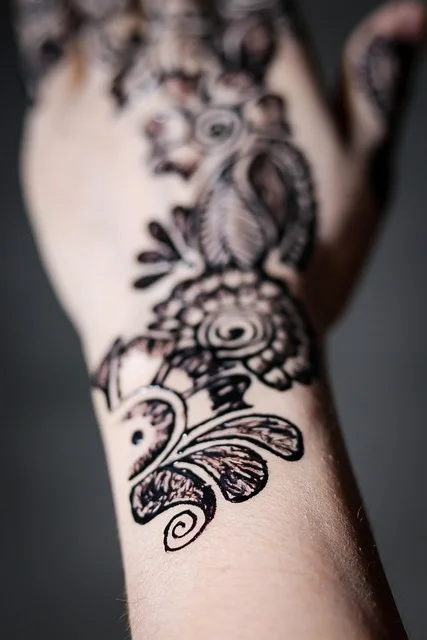
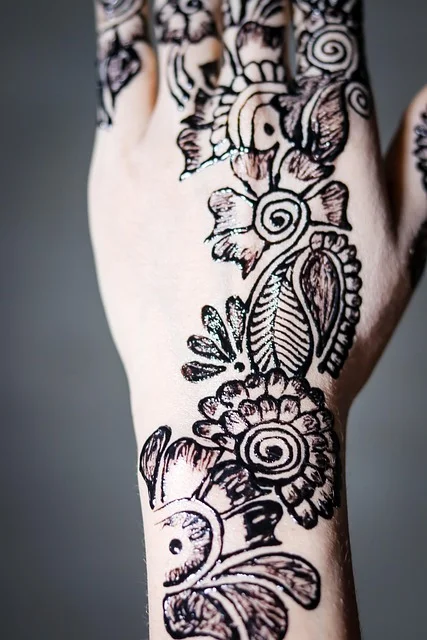
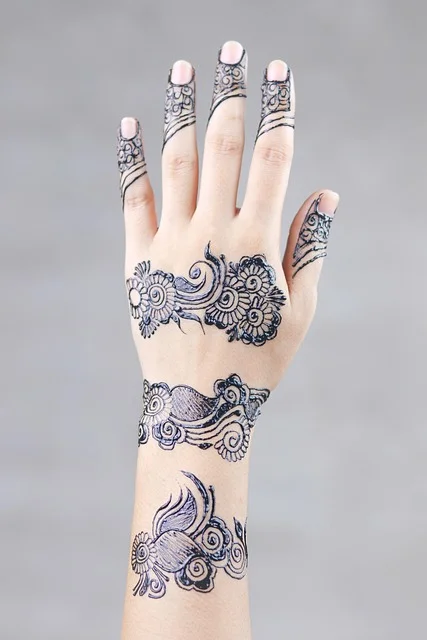
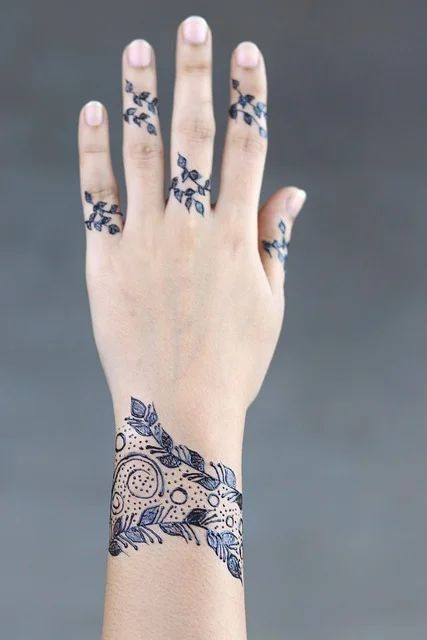
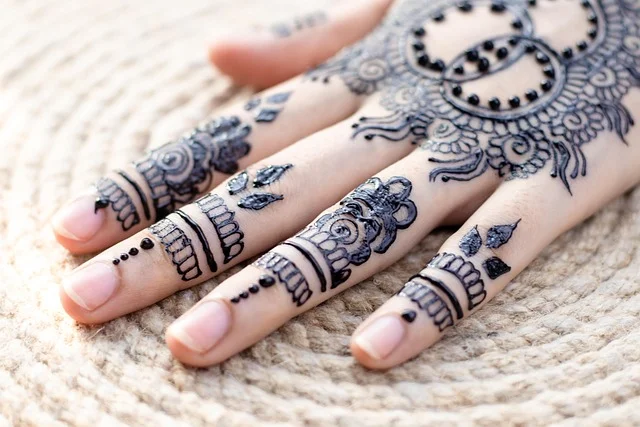
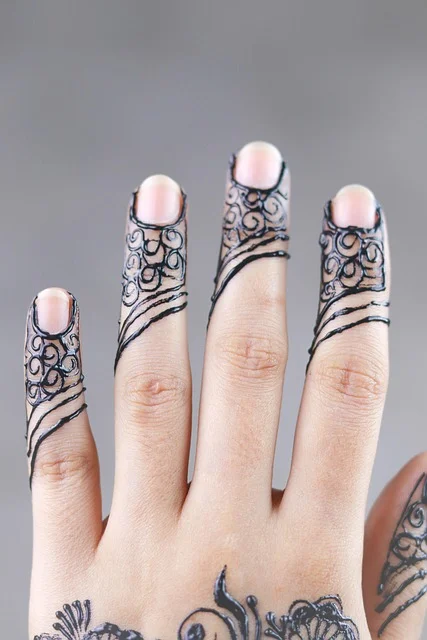
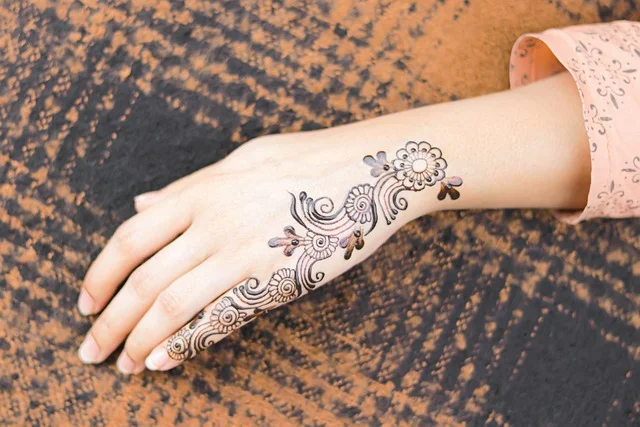
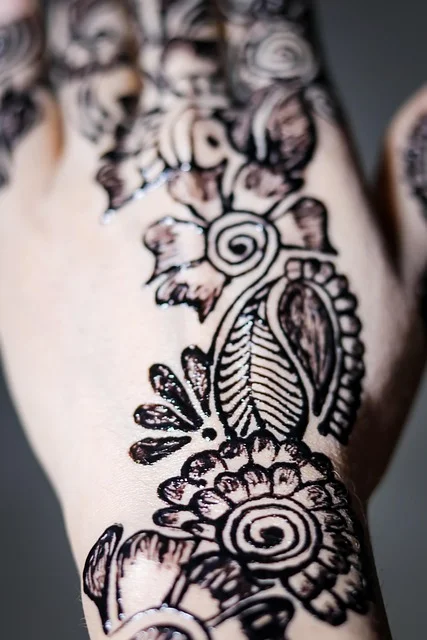
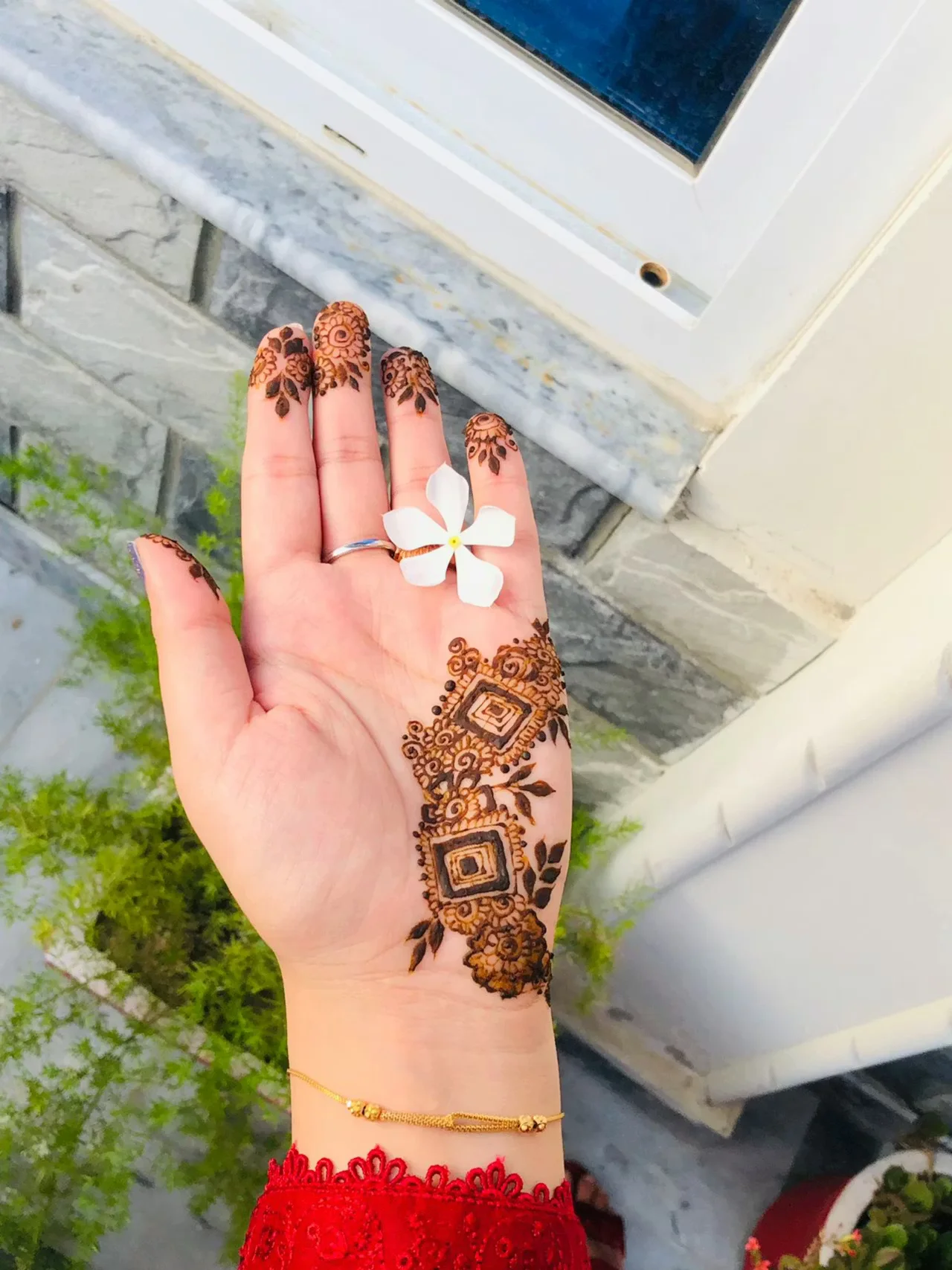
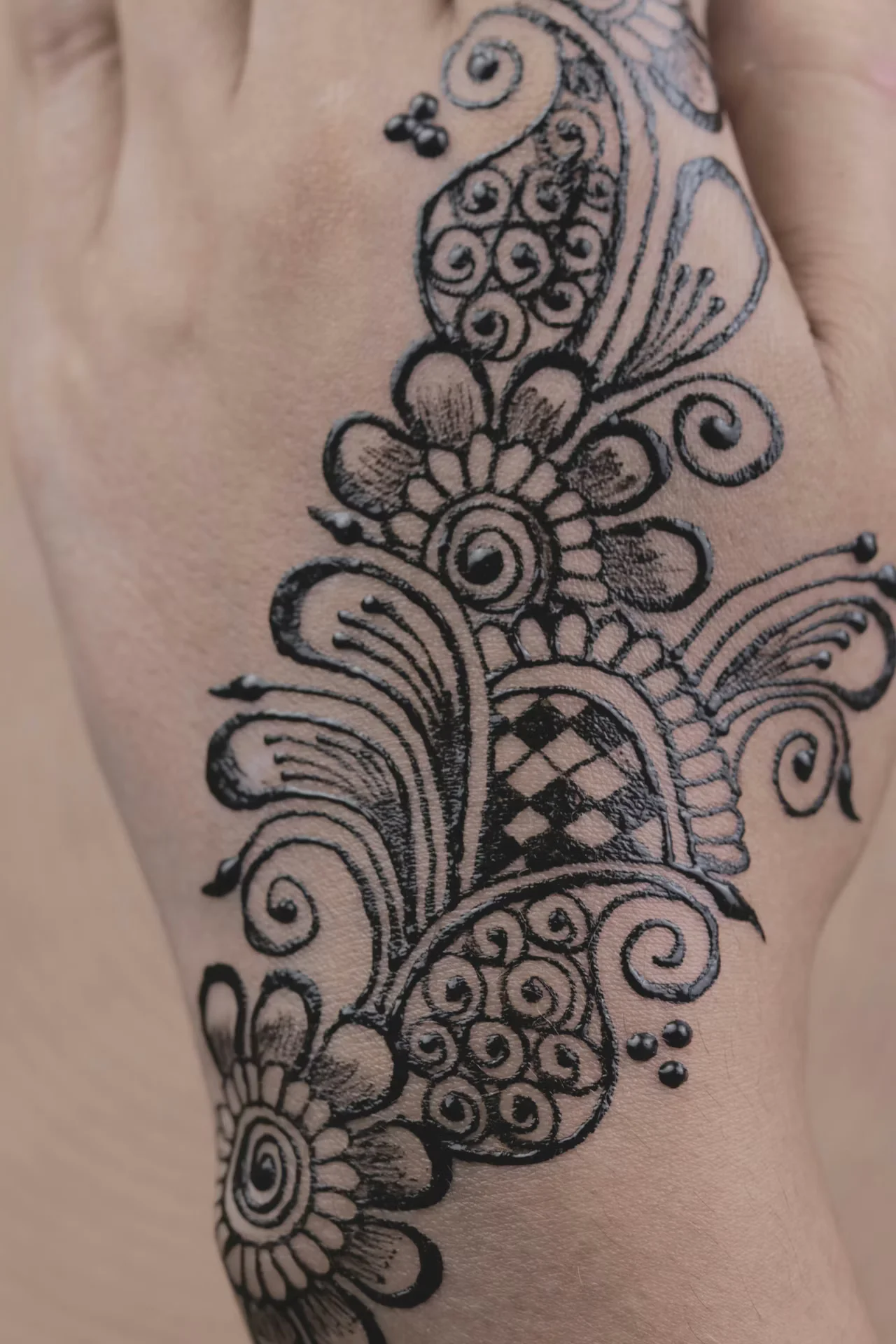
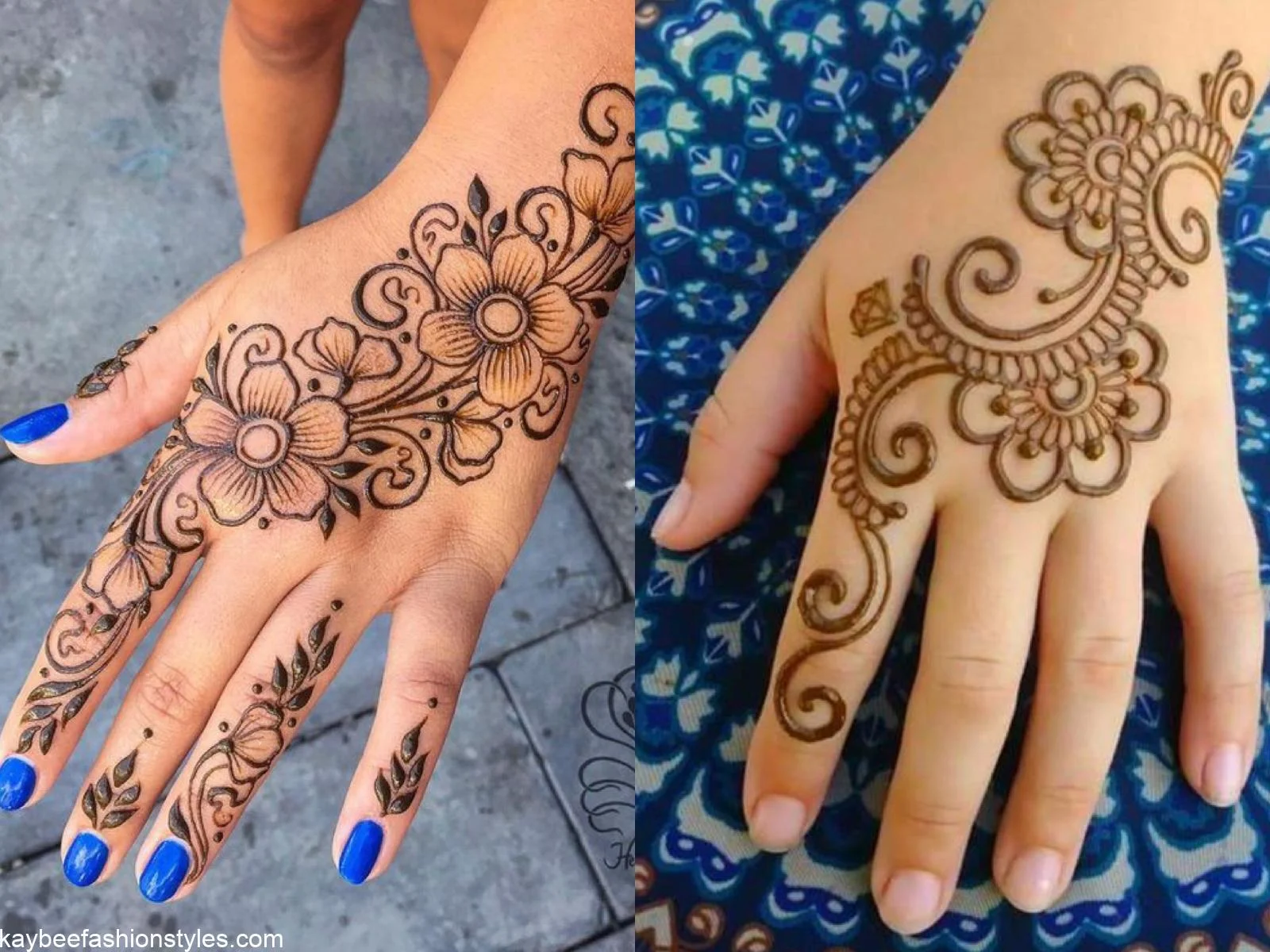
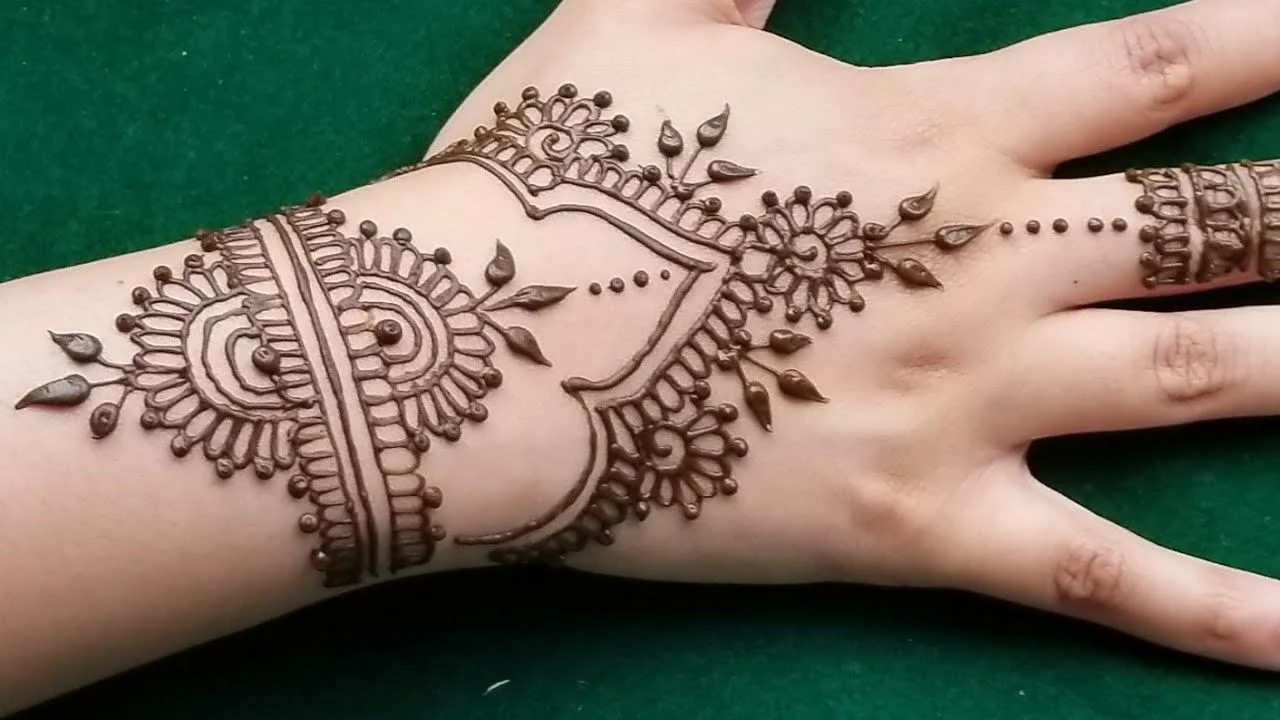
About this collection
A simple mehndi design — sometimes spelled simple mehandi design or written as easy henna design — uses one or two motifs and leaves more empty space than it fills. Application time is five to twenty-five minutes. Simple designs forgive a slightly shaky line because the surrounding negative space carries the composition — the eye reads the silhouette before it reads the detail. They’re the right place to start if you’re applying mehndi for the first time, the obvious choice for everyday wear and Karwa Chauth, and the right call when you want the henna to read as part of an outfit rather than the centrepiece.
Done well, simple isn’t a compromise. The hardest single skill in mehndi is restraint — knowing which line to leave out. Every design in this collection has been edited down to the lines that earn their place.
Three rules
Three principles that separate a clean simple design from one that looks unfinished. Apply them in this order.
Beginners overfill out of nervousness — every blank patch reads as something missing. It isn’t. The empty palm-centre or unbroken stretch of skin between two motifs is the design speaking quietly. If you’re tempted to add one more vine, don’t.
A simple design needs a centre of gravity. Mark a single dot at the wrist, the centre of the palm, or the base of one finger before you draw anything else — that’s where the eye starts. Designs without an anchor read as scattered, no matter how clean the lines are.
A vine, a mandala, a row of paisleys, a string of circles — pick one. Mixing three motif families is what makes a design look like it was made up as it went along. Repetition of one motif at varying scales is what makes it look composed.
A simple design uses one or two motifs at most, leaves more empty space than it fills, and reads from across the room as a single shape — not a busy field of detail. The negative space is the design as much as the lines are. A coin-sized mandala on an empty palm is simple; a half-mandala with surrounding jaal is not.
Five to twenty-five minutes. The fastest in this collection is a single curved line traced across the base of the fingers — under five. The most involved is a half-mandala fanning from the wrist into the palm, around twenty-five.
Yes — simple designs are the most beginner-friendly category by some distance. Three things separate a clean simple design from a messy one: practising the silhouette on paper first, holding the cone like a pen with the tip just off the skin, and starting with a motif that has open negative space (a single mandala, a vine) rather than dense filling.
Three rules. Leave more empty space than feels comfortable — beginners overfill out of nervousness, and the design loses its quiet. Anchor at one point (wrist, palm centre, or knuckle) so the eye knows where to start. Commit to one motif family per design — a vine, a mandala, paisleys — don’t mix three.
Yes. Stain depth depends on contact time, paste freshness, and skin chemistry — not pattern density. A five-minute design left on for eight hours will out-stain a sixty-minute design rinsed off after two. The composition is independent of the colour.
Everyday wear, the office, a casual sangeet, Eid, Karwa Chauth, baby showers. Simple designs are deliberately understated for occasions where the mehndi is part of an outfit rather than the centrepiece. For the wedding day itself, brides typically scale up to royal coverage.