Aisha Mahmood
· · 5 min readFinger Mehndi Designs: Why They’re Taking Over Instagram
Finger mehndi designs have exploded on Instagram with over 150,000 monthly searches. Discover why this minimalist approach to henna is dominating social media, from quick application times to bold aesthetics that photograph perfectly.
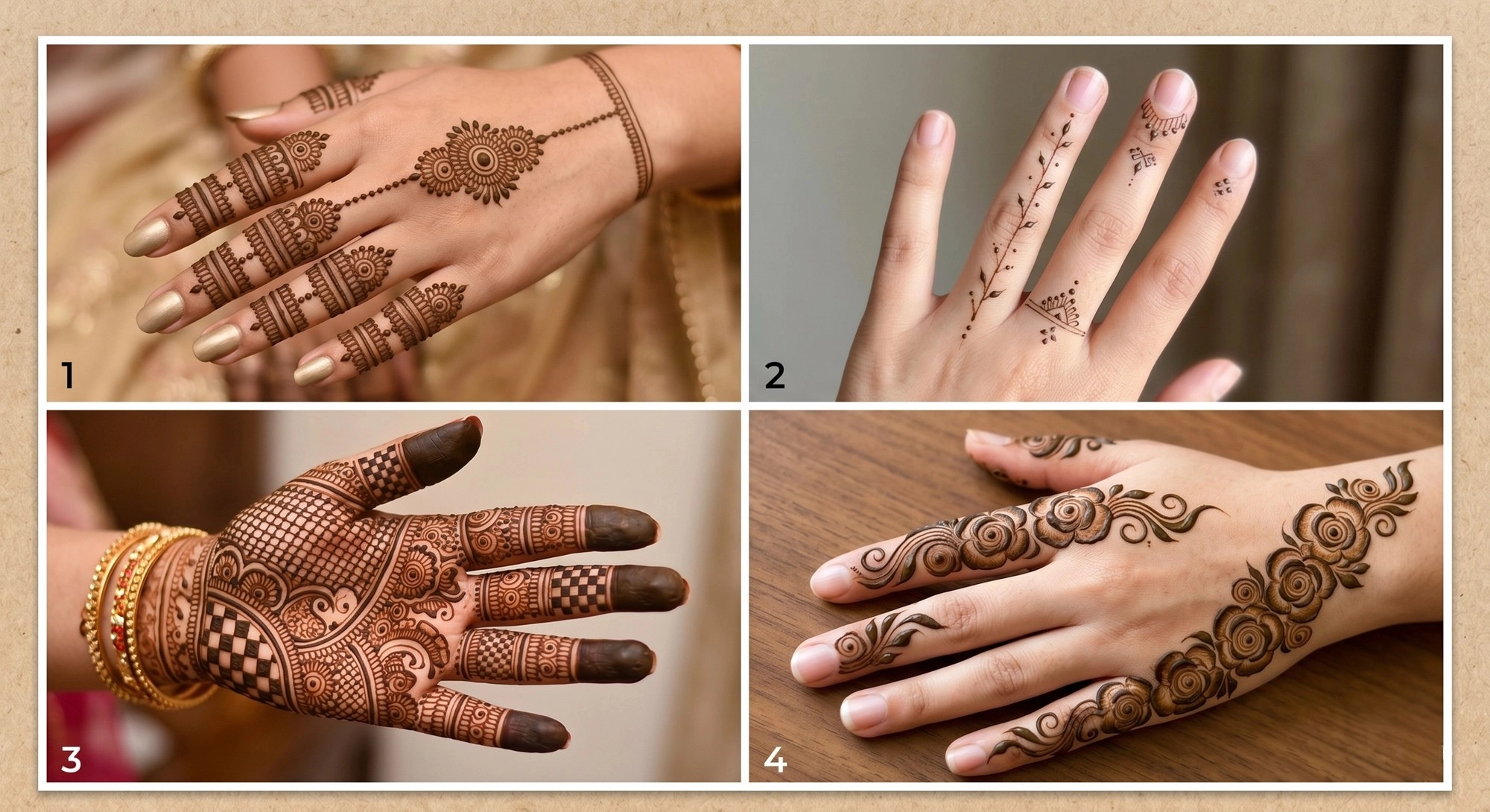
THE INSTAGRAM PHENOMENON
Open Instagram right now and search for finger mehndi design. You will see millions of posts, reels, and tutorials showcasing hands where only the fingers are decorated while the palms remain bare or minimally adorned. This is not a niche trend. It is a fundamental shift in how people approach henna artistry, and the numbers prove it.
This is not accidental. Something fundamental has changed in how people consume, apply, and share henna designs.
The rise of finger-focused mehndi is driven by three converging forces: the Instagram aesthetic economy, the demand for quick application times, and the modern preference for minimalist elegance over traditional density. Understanding why finger designs dominate social media helps you choose the right style for your next event, improve your own application skills, or even build a content strategy around this exploding category.
THE VISUAL ADVANTAGE: WHY FINGERS PHOTOGRAPH BETTER
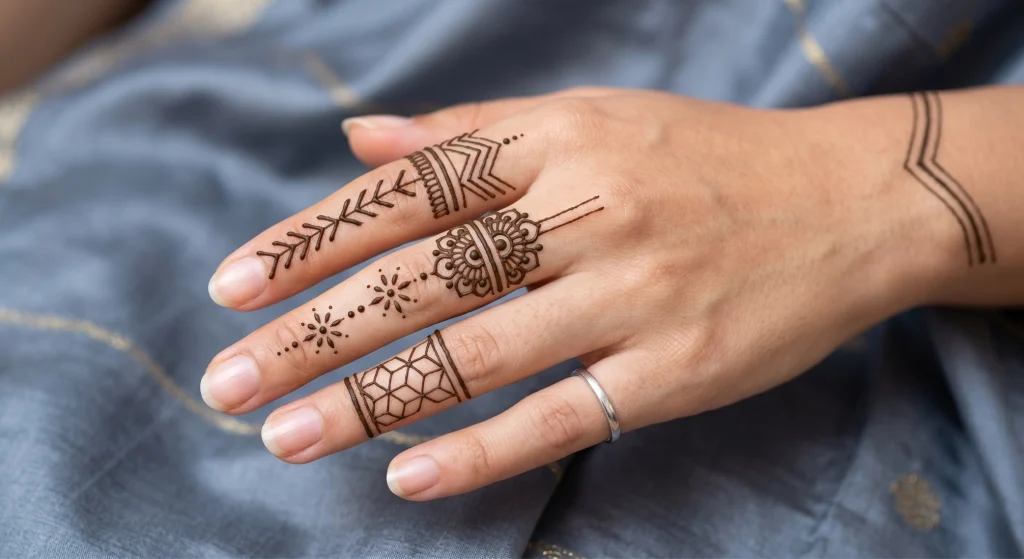
Instagram is a visual platform that rewards specific aesthetic qualities. Finger mehndi designs hit every single one of these qualities perfectly.
First, fingers provide natural framing. When you photograph a hand with detailed finger work, the composition naturally draws the eye along clean lines from knuckle to tip. This creates a vertical flow that works exceptionally well in Instagram’s portrait-oriented feed and Stories format. Full hand designs can feel cluttered or overwhelming in a small mobile screen. Finger designs maintain clarity even when viewed at thumbnail size.
Second, the negative space around finger designs creates breathing room that full coverage patterns lack. When you apply dense jaal work across an entire palm, the design can blur together in photographs, especially under harsh lighting or when compressed for social media. Finger mehndi design uses strategic negative space to keep each motif distinct and readable. This clarity translates directly into higher engagement rates on Instagram posts.
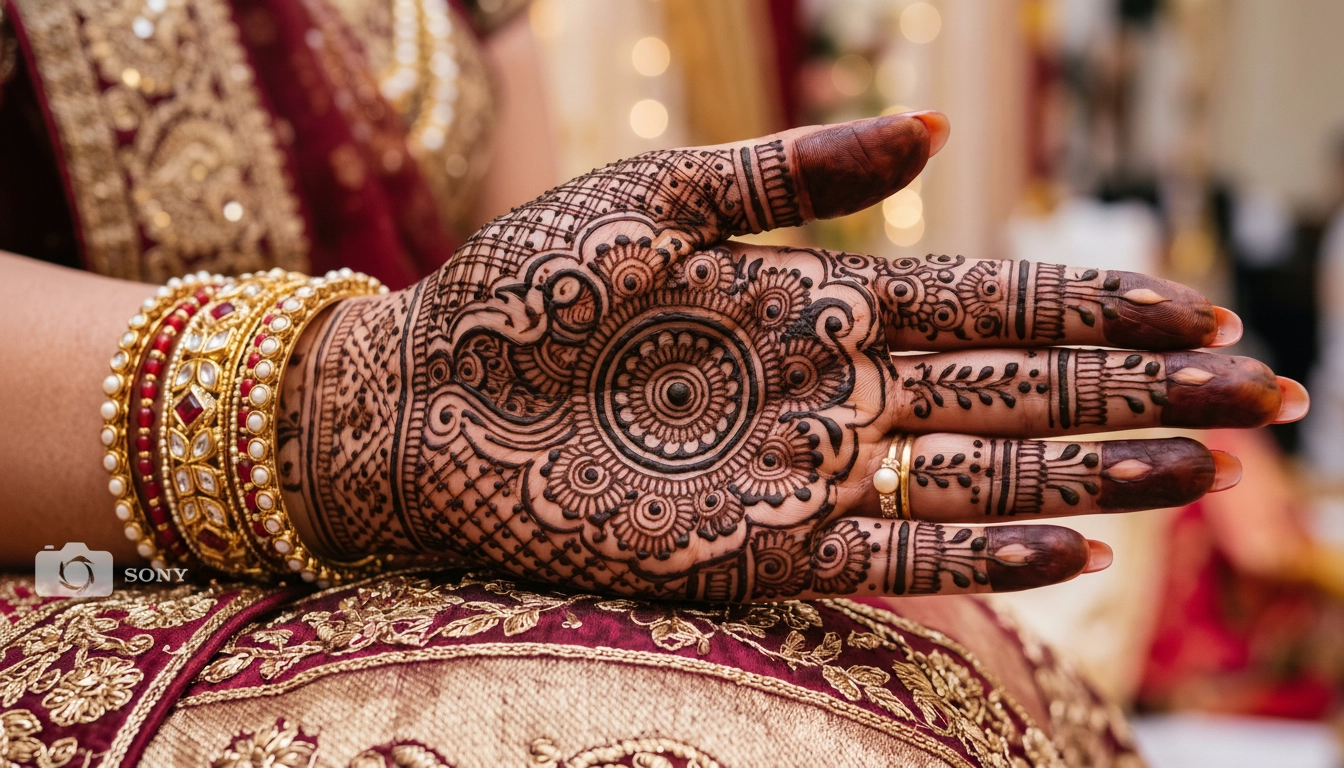
Third, finger designs showcase jewelry better. Modern brides and festival-goers pair their henna with statement rings, stacked bangles, and cocktail jewelry. A fully covered hand can compete with these accessories. Finger mehndi design complements jewelry rather than competing with it, creating a cohesive aesthetic that performs well in influencer content and bridal photography.
THE TIME FACTOR: QUICK APPLICATION MEETS HIGH IMPACT
Traditional full hand bridal mehndi design requires 90 to 180 minutes of application time. For busy professionals, last-minute event attendees, or content creators posting daily, this is simply not sustainable. Finger mehndi design delivers high visual impact in 20 to 40 minutes.
This time efficiency has created a new category of henna users. People who would never commit to a three-hour bridal session now apply finger designs for everyday wear, office parties, or casual dates. The low time investment removes the barrier to entry, which means more people are experimenting with henna more frequently. More frequent application equals more Instagram content, which equals more visibility for the finger design category.
The quick application time also benefits professional artists. An artist can complete four finger design appointments in the time it takes to do one full bridal hand. This economic efficiency has led more artists to specialize in finger work, creating a feedback loop where supply meets demand and the trend accelerates.
THE SKILL ACCESSIBILITY: BEGINNERS CAN PARTICIPATE
Full coverage royal front hand mehndi design requires advanced skill. Fine linework, consistent jaal patterns, and dense filling demand steady hands and months of practice. This creates a high barrier to entry for beginners who want to share their work on Instagram.
Finger mehndi design is different. The motifs are smaller and more contained. A beginner can master a single finger band or a simple floral knot in one practice session. The bold outlines typical of modern finger designs are forgiving of minor wobbles. The negative space means you do not need to worry about perfect density or filling every inch.
This accessibility has democratized henna content creation. Thousands of beginners now post their finger design attempts on Instagram, creating a massive volume of user-generated content. Each post, even from beginners, contributes to the overall visibility of the finger design category. The algorithm rewards this volume, pushing finger mehndi content to more users, which inspires more beginners to try it themselves.
THE DESIGN VARIETY: ENDLESS CREATIVE POSSIBILITIES
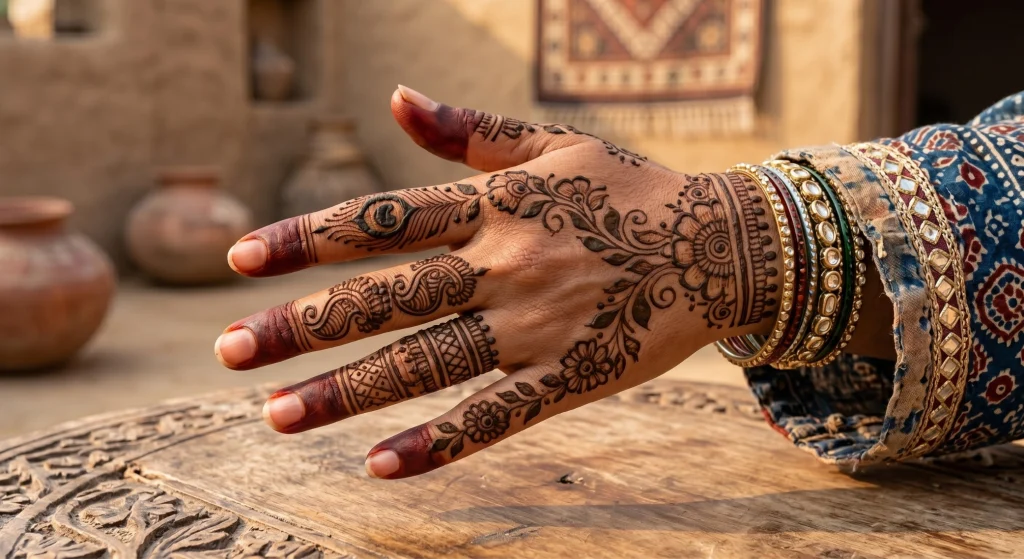
Finger designs are not limited to one style. The category encompasses multiple aesthetics that appeal to different audiences:
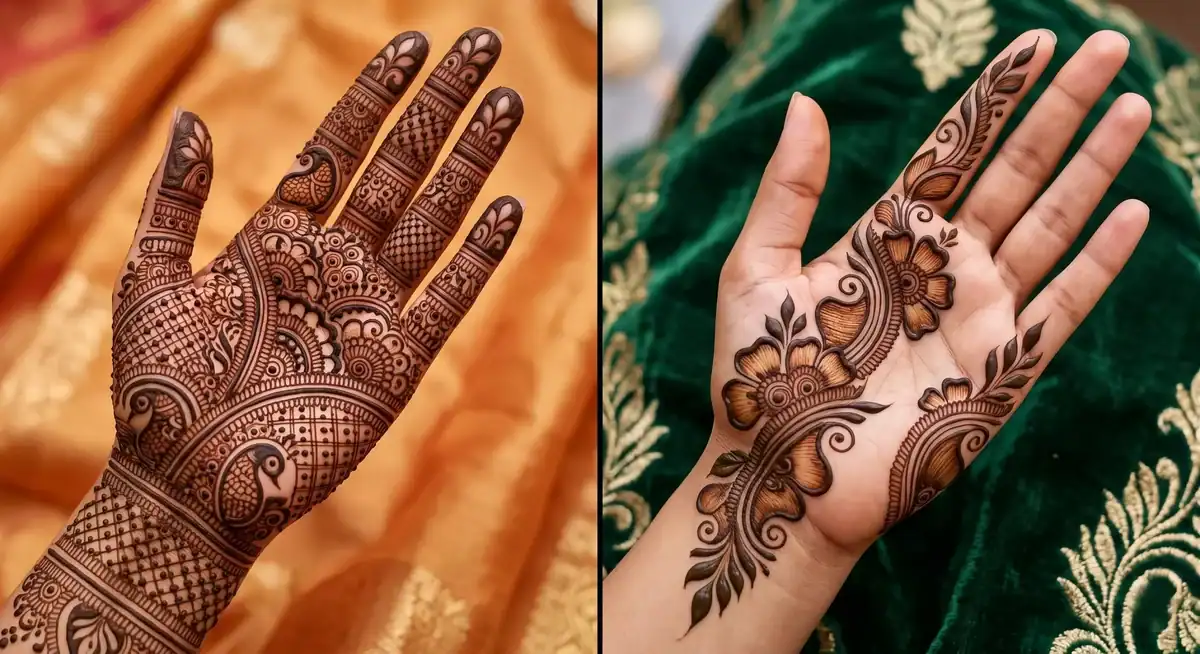
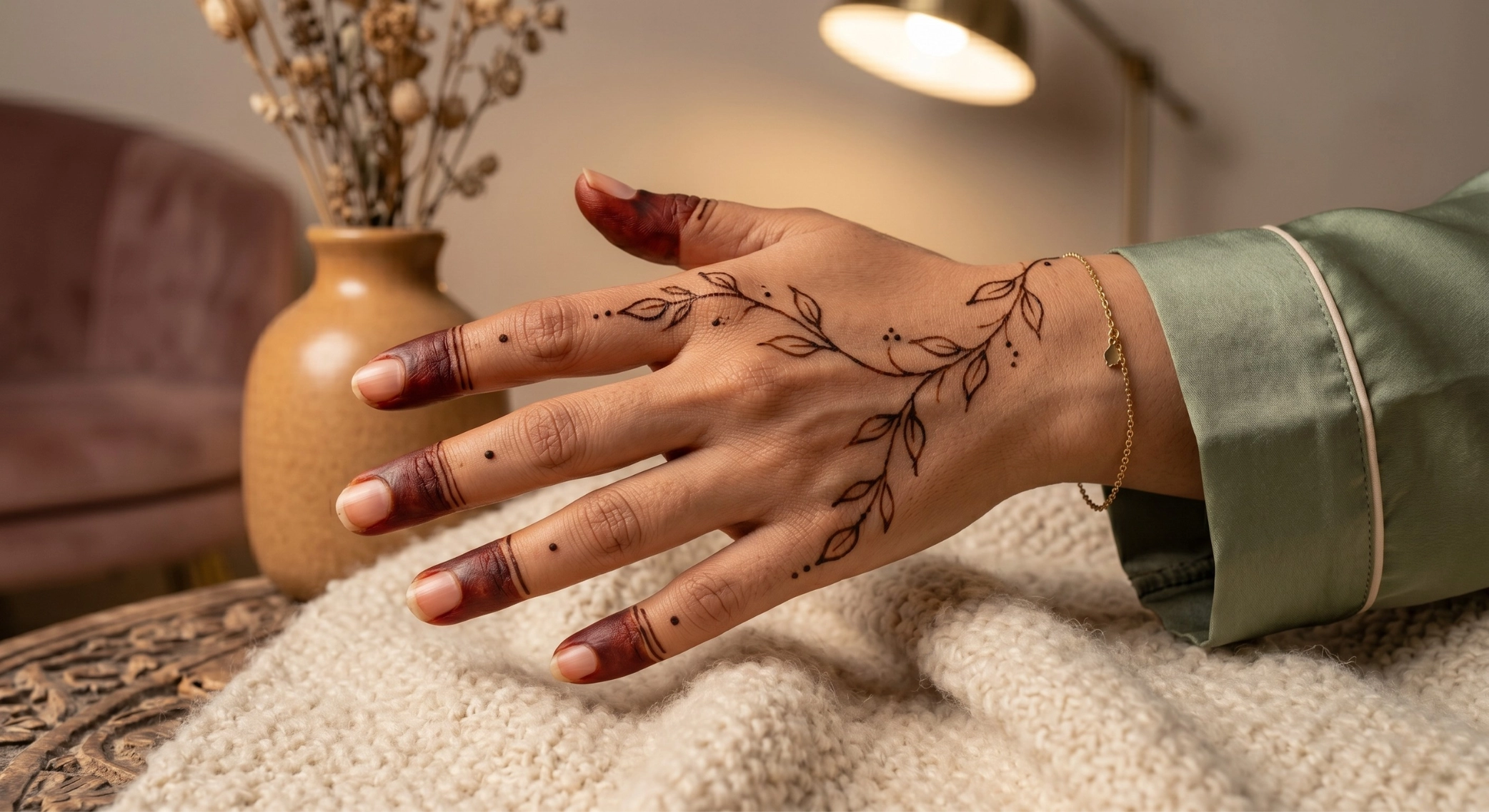
Bold Arabic Style Thick outlines create a graphic, jewelry-like effect. These designs feature large floral crowns, geometric bands, and trailing vines with minimal internal filling. The bold lines stain dark and photograph with high contrast, making them ideal for Instagram’s visual economy.
Delicate Indian Style Fine linework with small mandalas, micro florals, and detailed jaal patterns on individual fingers. This appeals to traditional audiences who want ornate beauty without full palm coverage.
Minimalist Modern Simple dots, single lines, and tiny symbols like hearts or stars. This aesthetic targets the everyday wear market and performs well with younger audiences on Instagram Reels and TikTok.
Bridal Finger Work Dense coverage with peacock motifs, kalash patterns, and intricate banding. This serves brides who want detailed finger work as part of their full bridal package but also works as a standalone design for pre-wedding events.
This variety means finger mehndi design appeals to multiple demographics simultaneously. A single Instagram hashtag serves beginners and brides, traditionalists and minimalists, Arabic enthusiasts and Indian purists. This broad appeal amplifies the category’s reach.
THE ALGORITHM ADVANTAGE: WHY INSTAGRAM PUSHES FINGER DESIGNS
Instagram’s algorithm rewards specific content characteristics. Finger mehndi designs naturally possess these characteristics.
Watch time is critical for Reels. Finger design tutorials are typically shorter than full hand tutorials, meaning viewers are more likely to watch the entire video. High completion rates signal to the algorithm that the content is engaging, which triggers wider distribution.
Save rate matters for static posts. Finger designs are easy to replicate, so users save them for later reference more frequently than complex full hand designs. High save rates tell Instagram the content is valuable, boosting its reach.
Shareability is key for viral potential. Finger designs are less intimidating to share because they feel achievable. A beginner is more likely to share a simple finger band tutorial than a complex bridal jaal pattern. This increased sharing behavior amplifies the category’s visibility.
WHEN TO CHOOSE FINGER DESIGNS
Finger mehndi design is not appropriate for every occasion, but it excels in specific contexts.
Sangeet Celebrations The quick application time and high visual impact make finger designs perfect for sangeet mehndi design needs. You can apply them the same day as the event and still have time for other preparations.
Eid Festivities An eid mehndi design that applies in 30 minutes leaves you time for cooking, shopping, and family visits. The bold outlines stain quickly and look festive without requiring hours of sitting.
Everyday Styling For office wear, casual outings, or daily aesthetic enhancement, finger designs offer the perfect balance of tradition and modernity. They are subtle enough for professional settings but ornate enough to feel special.
Bridal Prep Even full brides benefit from finger-focused designs during mehndi prep sessions. Practice your finger motifs before committing to the full hand, or use finger designs for pre-wedding photoshoots where you want henna without the full bridal commitment.